When was the last time your team moved? We’re not talking about meeting room marathons or inbox hurdles—we mean laughing, sweating, cheering, and competing together. Sounds like a distant memory? Time to bring the thrill of Sports Day into your workspace indoors.
At The Thought Bulb, we believe in reimagining everyday environments as epicenters of team energy and transformation. An Indoor Sports Day is more than just a break from the routine—it’s a powerful experiential format that activates team bonding, collaboration, and a healthy dose of friendly rivalry.
Let’s show you how to do it—Thought Bulb style.
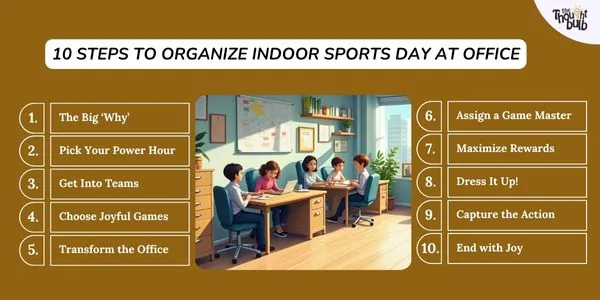
Step 1: The Big ‘Why’

Before blowing up balloons or stacking cups, start with intention.
Are you looking to enhance inter-team collaboration?
Is it a stress-buster after a demanding quarter?
Or perhaps, it’s about cultivating a culture of movement, motivation, and mutual respect?
Whatever your “why,” defining the outcome helps you design smarter experiences. Remember: the goal isn’t to create athletes, but to spark engagement and belonging.
Facilitator Tip: Frame the day as a “Team Dynamics Lab.” Every game = a mirror to how your team interacts, adapts, and supports each other.
Step 2: Pick Your Power Hour
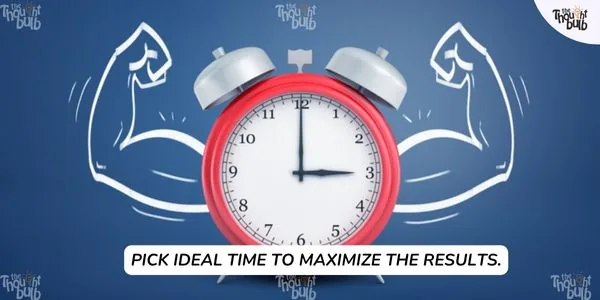
Choose a time when energy naturally dips and turn it into a peak.
A Friday afternoon or mid-month Wednesday slump? Perfect. Block 2–3 hours for maximum immersion, or spread it across a week as “Office League Games” with 15-minute bursts.
Mini-League Format: Works great for hybrid teams—quick, fun, and everyone gets a turn.
Step 3: Get Into Teams
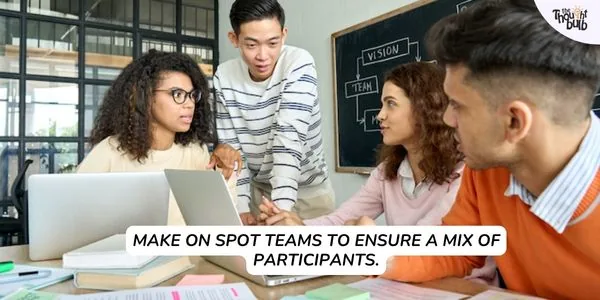
Random team mixes are gold. Ditch department silos and let your team connect across functions.
Encourage team names like:
Ctrl+Alt+Defeat
Desk Dodgers
Excel-erators
Add mascots, color codes, or even handmade flags—yes, it’s silly, but it’s bonding at its best.
Facilitator Insight: These moments create psychological safety. Teams that laugh together collaborate better.
Step 4: Choose Games that Spark Joy (and Insight)
We love games that are simple, low-risk, high-energy, and pack a punch in experiential takeaways.
Here’s our handpicked list for an office-friendly indoor sports bonanza:
Chair Relay – Rolling teammates across a finish line in office chairs. Hilarity? 100%. Trust and coordination? Even more.
Paper Basketball – Precision, pressure, and pacing—watch how each shot reflects decision-making styles.
Balloon Volleyball – A string for a net, a balloon for a ball—team strategy meets spontaneous play.
Cup Stacking – Quiet game, loud learnings. Who leads? Who follows? Who panics under pressure?
Seated Tug of War – It's not about strength, it’s about leveraging resistance and momentum.
Office Bowling – Creativity meets accuracy using everyday objects. Spot the innovator in your team.
Trivia Showdown – Blend in some mental agility. Include questions on your company’s story, people, and values.
Learning Angle: Each game subtly unveils team dynamics—communication styles, role clarity, resilience, and even feedback loops.
Step 5: Transform Office into ‘Play’grounds
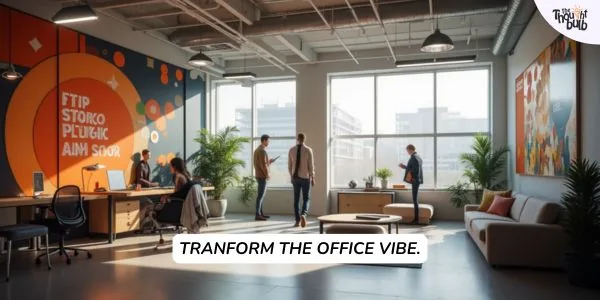
Whether it’s the cafeteria, lounge, or conference room, reimagine it with fun signage, clear game zones, and safety markers. A music system adds vibe, and a central “score zone” builds anticipation.
Extra Spark: Set up a “Victory Wall” where teams can stick badges, scorecards, or their funniest moments.
Step 6: Assign a ‘Game Master’
Think of this person as the heartbeat of the event.
They explain rules, keep the hype alive, defuse tension, and turn awkward silences into chants and cheers. Pick someone with stage presence—or better, let your L&D Facilitator co-host to add learning debriefs post-games.
Debrief Idea: After a game, ask:
What went well?
How did the team adapt?
What surprised you about your teammates?
Step 7: Maximize Rewards
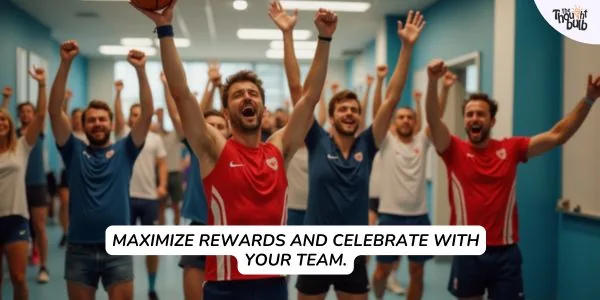
In experiential learning, celebration = recognition of behavior. It is essential to ensure that the efforts of all are acknowledged and appreciated. The end goal is to bring the team together to maximize the bonding, collaboration and celebration.
Sure, trophies and medals are great—but don’t forget these:
Best Team Spirit
Funniest Fail
Clutch Performer
Silent Warrior
And if budget permits, throw in quirky incentives like:
Coffee coupons ☕
“Leave early” passes ⏰
Desk plants 🌿
Thought Bulb Mantra: Every small win acknowledged creates culture currency.
Step 8: Dress It Up!
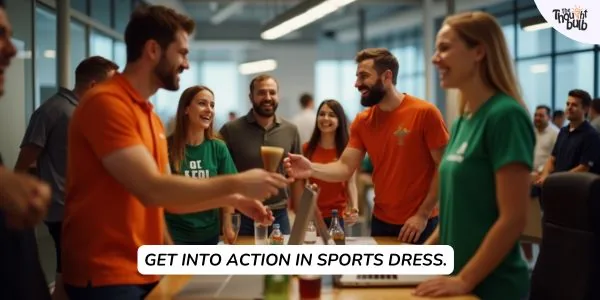
Clothes don’t just make a statement—they set the tone. When teams show up in casual sportswear, matching colors, or full-blown costume themes, they’re not just dressing up—they’re buying in.
Imagine this:
One team walks in as ‘The Avengers’—complete with cardboard shields and superhero capes.
Another rocks neon headbands, leg warmers, and boombox beats for a full Retro Gym Day throwback.
A third struts in with color-coordinated bandanas, temporary tattoos, and face paint that screams team pride.
Team War Paint? Yes, Please. A few stripes under the eyes, a splash of color on the cheeks—war paint isn’t just fun, it’s symbolic. It marks a transformation from “colleagues at desks” to “tribes on a mission.”
Why It Matters (Beyond the Laughs):
Instant Team Identity: Uniforms, even makeshift ones, create belonging. The moment you put on your team color, you shift into “us” mode.
Breaks Inhibition: Dressing up removes the stiffness of corporate settings. People feel freer, lighter, and more playful.
Boosts Morale: When leadership participates (yes, even the CFO in a tutu), it flattens hierarchies and amplifies fun.
Memory Maker: These outfits often become inside jokes, photo moments, and stories retold at town halls and team lunches.
Facilitator Hack: Host a mini runway walk before the games begin. Let each team introduce itself with a chant, pose, or cheer. It sets the tone, brings everyone into the present moment, and ignites instant energy.
Step 9: Capture the Action
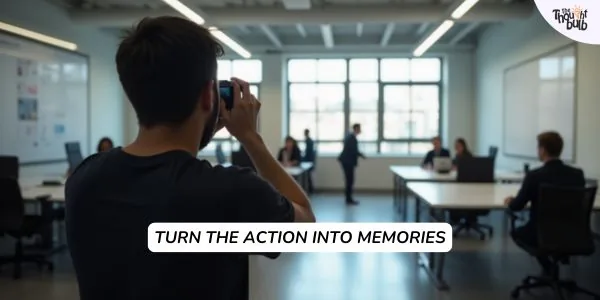
Assign someone with a camera—or even better, let teams take turns as content creators. Use the footage later for:
A “Behind the Scenes” recap
Internal newsletter shout-outs
Social media stories showing off your workplace culture
Facilitator Hack: Use live video snippets as metaphors in team debriefs.
Step 10: Cool Down the Right Way
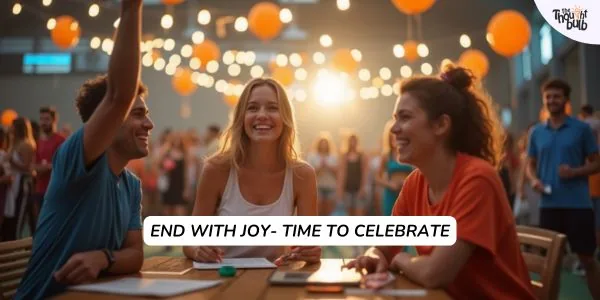
End with a celebration! Hydration bars, mocktails, or even an ice-cream stand—simple acts that create a communal wind-down.
Distribute fun certificates like:
“Office MVP”
“Hype Machine”
“Most Improved Player”
Final Reflection Circle: Close with one question:
“What did today reveal about how we play as a team?” This seals the experience with insight.
Final Thought:
An Indoor Sports Day isn’t just an event—it’s an experiential catalyst. It breaks routines, strengthens bonds, and embeds a spirit of shared joy into your company’s cultural fabric.
So the next time you want to elevate energy, don’t just plan an activity. Design an experience.
Let your office echo with cheers, laughter, and high-fives—and watch your team transform from coworkers to collaborators.
Ready to bring the arena indoors? Let the Thought Bulb Games begin.