Every Indian company of a certain size eventually discovers the same uncomfortable truth: the biggest obstacle to getting work done is not the market, the competition, or the budget. It is the invisible wall between Sales and Product, between Engineering and Marketing, between the Bangalore office and the Gurgaon office. Work slows down not because people are lazy, but because information stops travelling. Handovers turn into arguments. Two teams solve the same problem twice. A customer escalation bounces between three departments before anyone owns it. This is what a silo actually feels like from the inside, and in 2026 it is costing Indian organisations more than most leaders realise.
The timing matters. Indian workplaces are absorbing hybrid schedules, AI-driven process change, and rapid restructuring all at once, and cross-team relationships are the first casualty. When people are unsure how their role connects to the wider business, they retreat into the team they know. Breaking that pattern is not a communication-tool problem. It is a relationship problem, and it responds to deliberate, well-designed intervention.
What a Silo Actually Is (and What It Is Not)
A silo is not simply a department. Departments are useful. A silo forms when a department starts optimising for its own metrics at the expense of the shared outcome, and when the human relationships that would normally correct that drift have gone missing. Most silos in Indian companies are accidental rather than political.
The three most common causes
Structural growth: a team that was 12 people becomes 120, informal coffee-table coordination stops working, and nothing replaces it.
Conflicting incentives: Sales is measured on bookings, Delivery on margin, and nobody is measured on the handover between them.
Distance by default: hybrid rosters mean two teams can go an entire quarter without a single unstructured conversation.
Warning signs HR leaders should watch for
Escalations that require a manager because two teams cannot agree at working level.
Duplicate tools, dashboards, or trackers built by different functions for the same data.
New joiners who can describe their own team's goals but not the company's.
Cross-functional projects that consistently slip while single-team projects land on time.
The 2026 Data: Why This Is Urgent in India
The numbers this year are hard to ignore, and they point in the same direction.
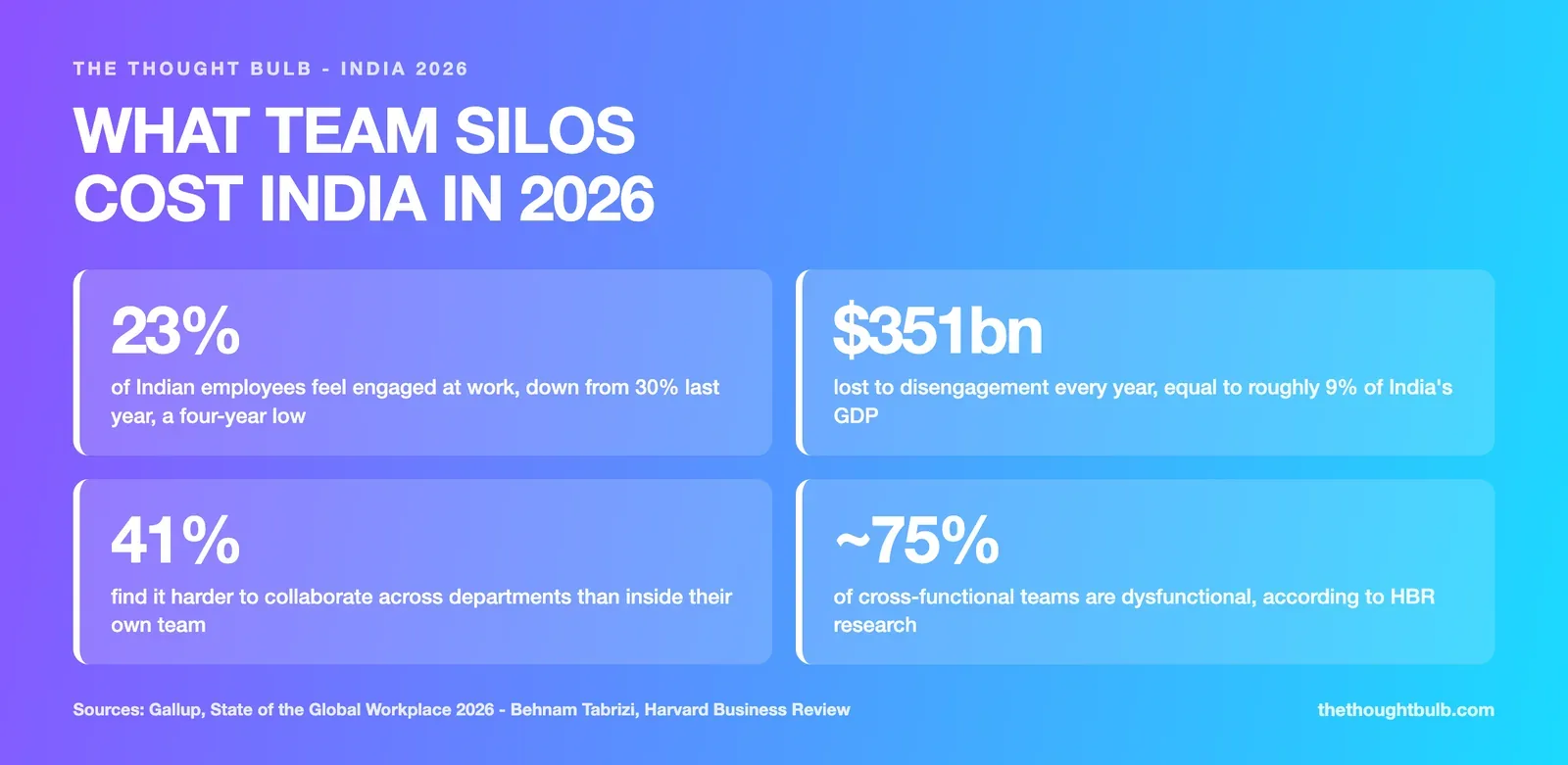
Gallup's State of the Global Workplace 2026 found that just 23 percent of Indian employees feel engaged at work, down sharply from 30 percent the previous year. That is a four-year low, even though India still sits above the global average of 20 percent.
Gallup estimates disengagement costs India roughly 351 billion US dollars a year in lost productivity, equivalent to about 9 percent of GDP.
Research summarised in 2026 workplace collaboration reporting found that 41 percent of employees find it harder to collaborate across departments than within their own team, and Harvard Business Review research by Behnam Tabrizi puts the share of dysfunctional cross-functional teams at close to 75 percent.
Tool fragmentation makes it worse rather than better: employees using more than ten workplace applications report communication problems at 54 percent, against 34 percent for those using fewer than five.
Read together, these findings say something specific. Adding another collaboration platform is not the fix. Nearly three quarters of cross-functional teams struggle, and the teams with the most tools struggle most. What is missing is trust, shared context, and the simple experience of having solved something difficult alongside people from another function.
Five Structural Fixes That Work Before You Plan Anything Fun
Experiences accelerate change, but they cannot carry it alone. Put these foundations in place first, or the goodwill from an offsite will drain away within a month.
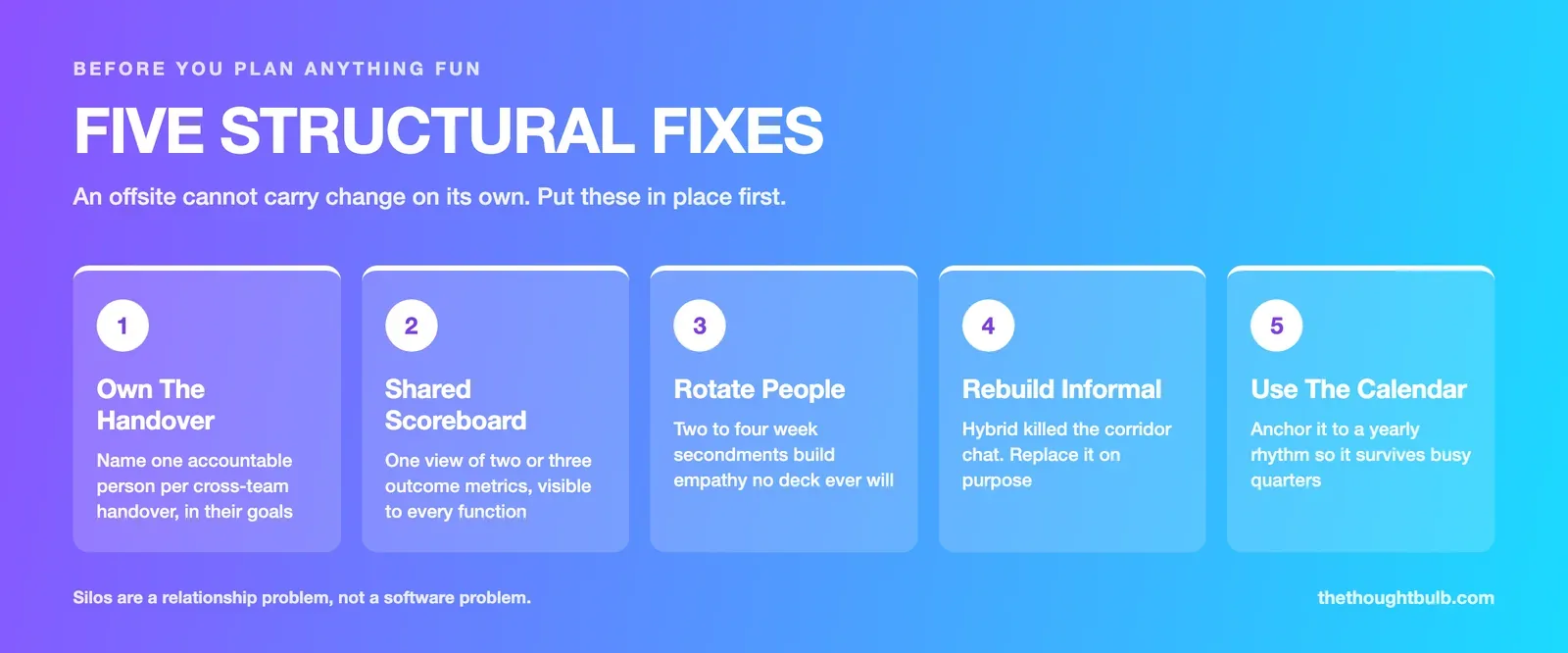
1. Give the handover an owner
Most silo friction happens in the gap between two teams, and gaps rarely have owners. Name a single accountable person for each major cross-functional handover, and put that accountability in their goals rather than in a policy document.
2. Publish a shared scoreboard
If Sales and Delivery see different numbers, they will argue about the numbers instead of the customer. One shared view of two or three outcome metrics does more for alignment than a dozen alignment meetings.
3. Rotate people, not just information
Short secondments of two to four weeks build more empathy than any presentation. An engineer who has sat on ten support calls will never write the same release note again.
4. Rebuild the informal layer deliberately
Hybrid work removed the corridor conversation. Something has to replace it on purpose: cross-team demo days, rotating lunch pairings, or a monthly forum where each function shows what it is stuck on.
5. Make the calendar do the work
Silo-busting fails when it depends on someone remembering to organise it. Anchor it to a planned rhythm across the year so it survives busy quarters, budget freezes, and leadership changes. A structured employee engagement calendar turns good intentions into scheduled commitments that teams can actually plan around.
Two Experiences Built Specifically for Cross-Team Collaboration
Not every team building activity addresses silos. Many are simply enjoyable, which is fine but not the point here. The ones that work put people from different functions in a situation where they cannot succeed without deliberately sharing information, and then make that lesson explicit in the debrief.
Bridge The Gap: interdependence you can see
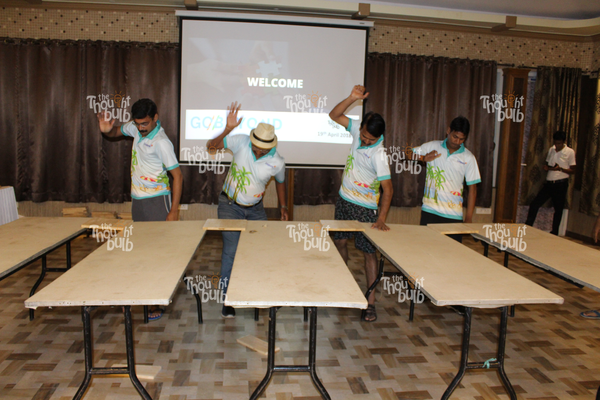
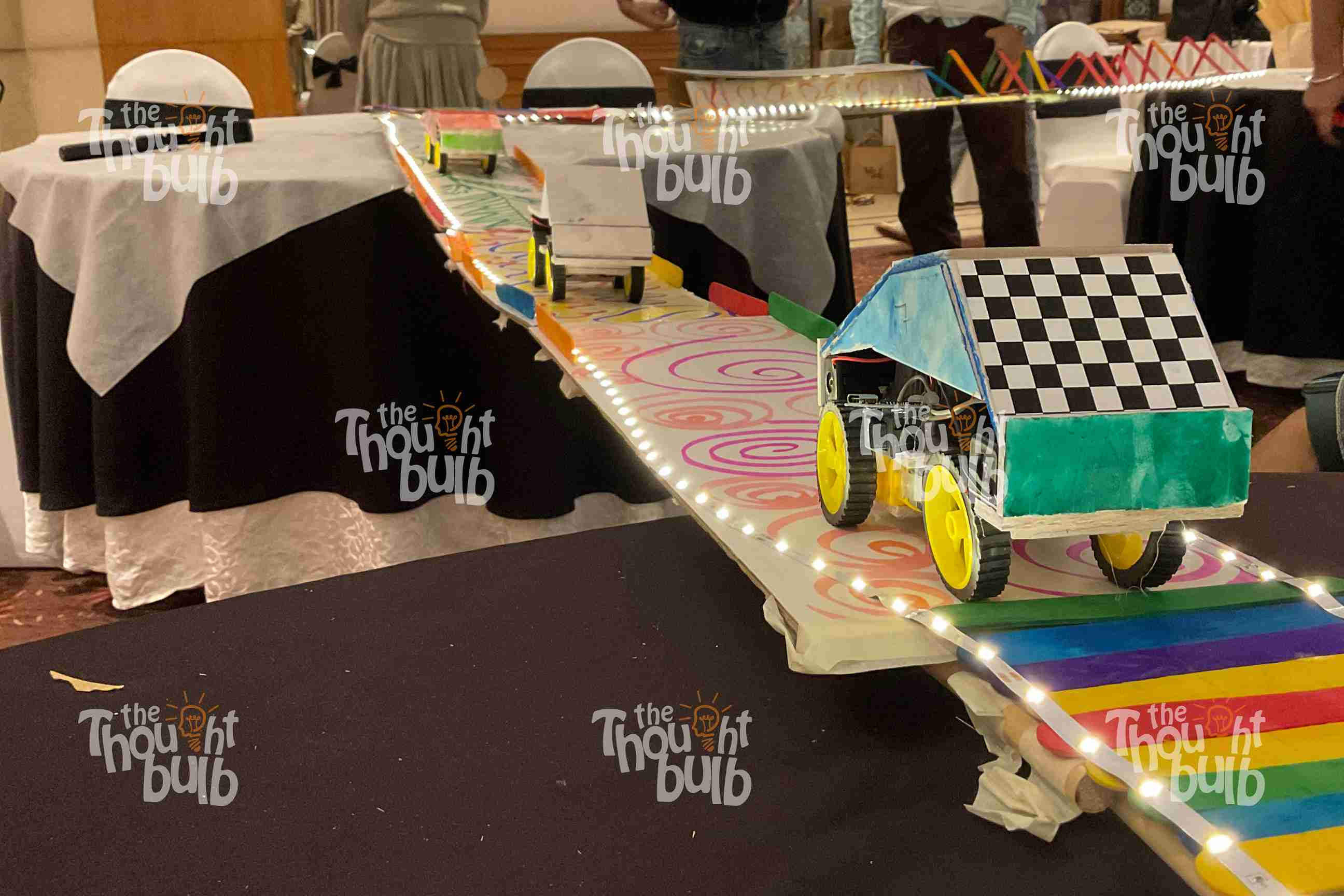
Bridge The Gap splits participants into sub-teams that each build one section of a single large bridge, working to a shared specification but from separate locations in the room. No group can see the whole picture. The moment of truth arrives when the sections are brought together and have to actually join. Teams that over-communicated succeed. Teams that assumed their interpretation was the obvious one watch their section fail to meet its neighbour by several inches. It is an unusually literal demonstration of what happens when departments each build to their own reading of the same brief, and the debrief tends to write itself.
Virtual Movie Making Challenge: distributed teams that must co-create
For organisations where the silos run between cities rather than floors, the Virtual Movie Making Challenge puts mixed-function groups into breakout rooms with a brief, a deadline, and a film to produce together. Because scripting, filming, and editing have to be divided and then reassembled remotely, teams confront exactly the coordination problems that break distributed projects, but in a setting where failure is funny rather than expensive. It travels well across locations and time zones, which matters for Indian companies running global delivery teams.

Both formats sit within a wider set of experiences designed around specific outcomes rather than generic fun. You can browse the full range of team building activities and filter by whether you need an in-person, virtual, or hybrid format.
Case Study: Siemens in Mumbai
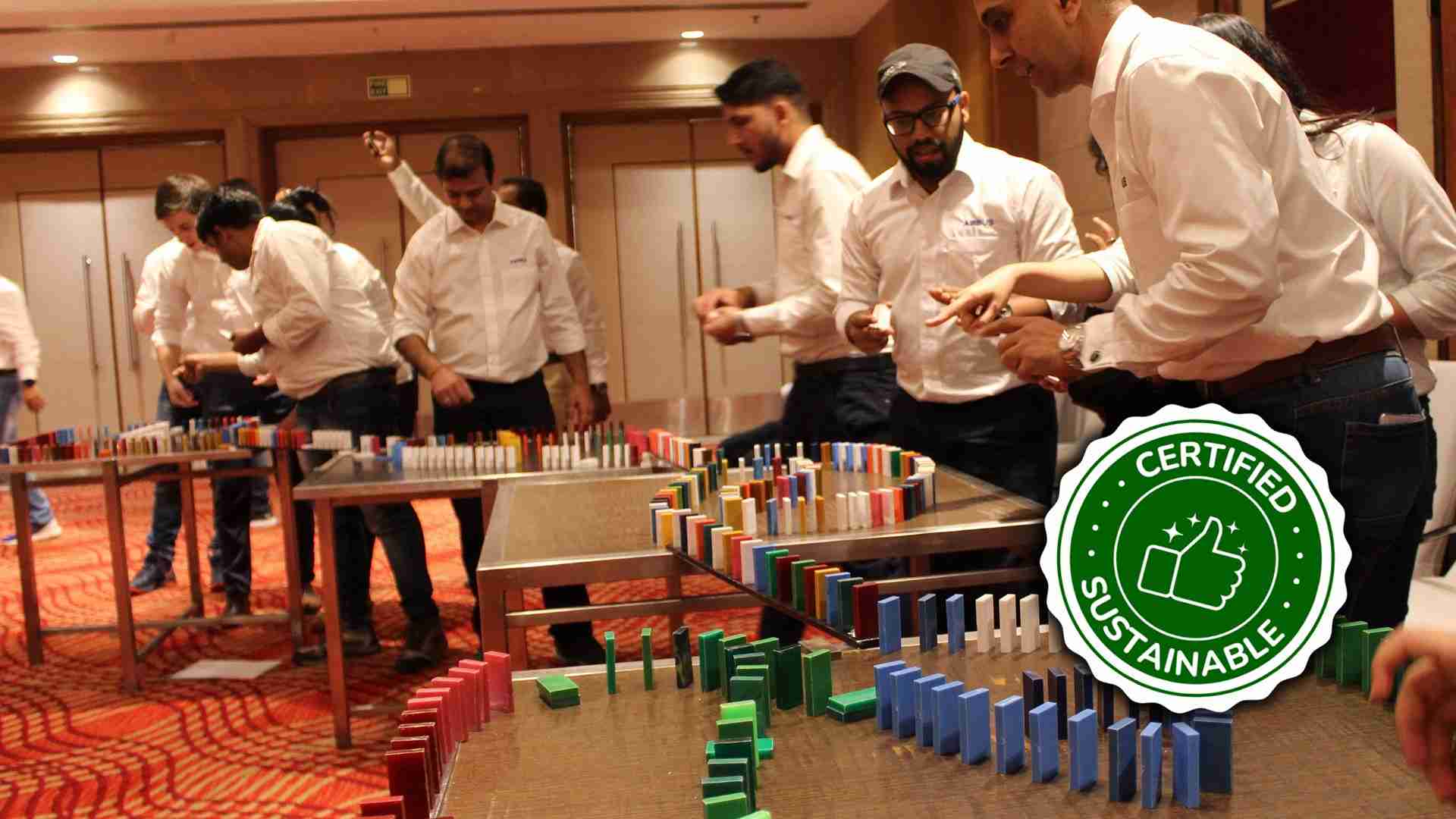
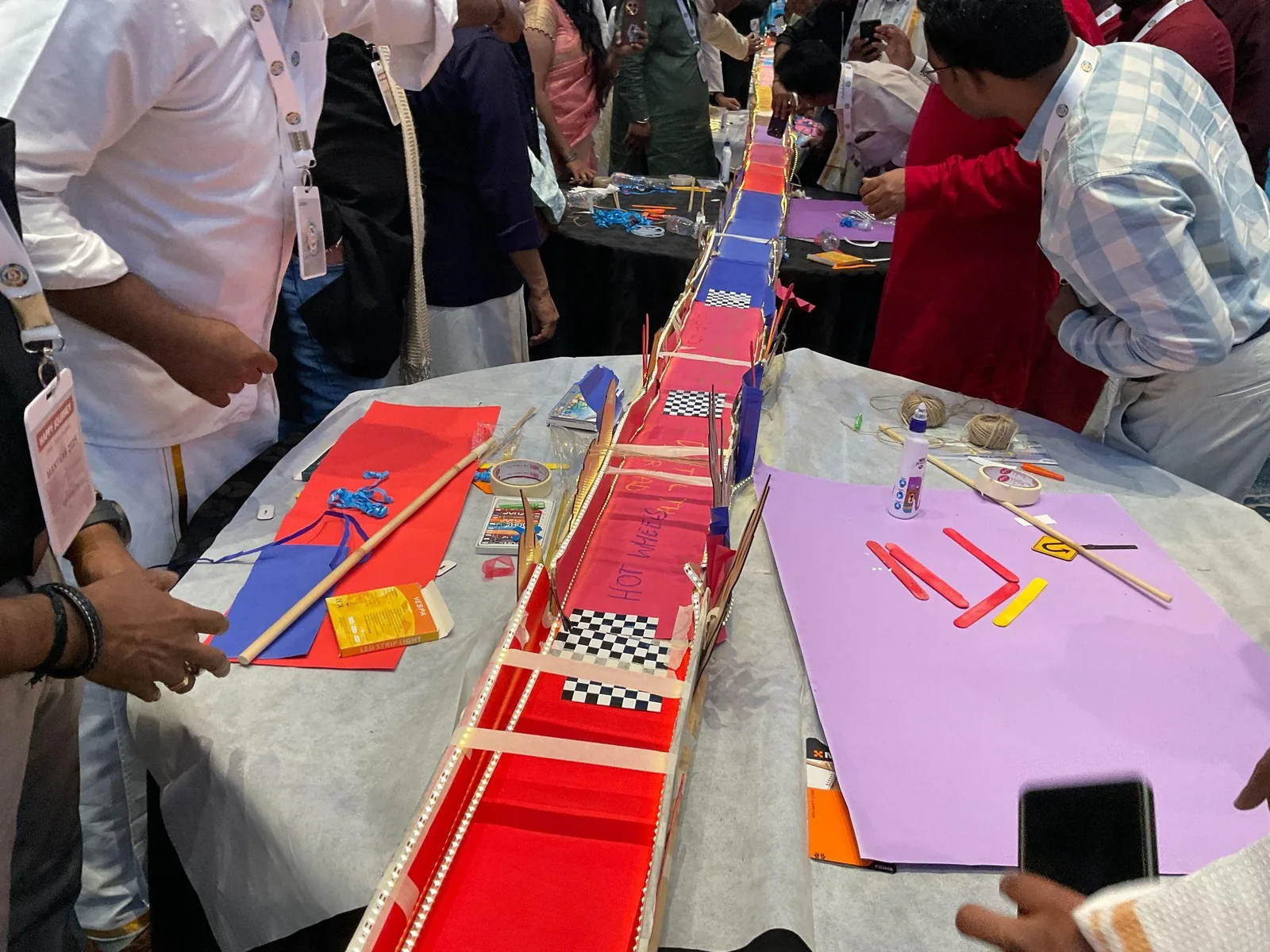
Siemens brought a group together in Mumbai for a Bridge the Gap programme aimed squarely at cross-functional coordination. Participants were divided into sub-teams, each responsible for one part of a structure that had to connect precisely with sections being built by groups they could not directly observe. The teams that stopped to align on measurements and assumptions early produced sections that fitted. The teams that moved fastest in isolation did not.
What made the session useful was the debrief rather than the build. Participants mapped the behaviours from the activity onto real handovers inside the business: where they assume rather than confirm, where they optimise locally, and where a five-minute conversation would prevent a five-week delay. That translation step is what separates an enjoyable afternoon from a change in how people work on Monday.
More examples of how Indian and global organisations have used experiential programmes to solve specific collaboration problems are available in our case studies.
How to Measure Whether the Silos Are Actually Breaking
Sentiment scores rise after almost any well-run offsite, which makes them a poor measure of structural change. Look instead for evidence in how work moves.
Cycle time on cross-functional projects, compared with the two quarters before the intervention.
Number of escalations that required manager involvement to resolve a between-team disagreement.
Network questions in your engagement survey: can employees name a counterpart in two other functions they would call directly?
Rework volume caused by misaligned handovers, which is usually already sitting in your project tracking data.
Internal mobility across functions, a slow but reliable indicator that the walls are lower.
Take a baseline before you run anything. Most organisations skip this step and then find themselves unable to demonstrate a return they almost certainly earned.
What Leaders Have to Do Themselves
Silos are frequently a reflection of the leadership team. If department heads compete for budget and headcount in front of their teams, no amount of collaborative activity below them will hold. The most effective programmes we run start at the leadership layer, where heads of function work through the same interdependence exercises before rolling anything out to their organisations.
Leadership alignment is a distinct discipline with its own methods, and it is worth treating separately from broader engagement work. Our leadership team building programmes are built for exactly this: getting the people who own the walls to agree, visibly, to lower them.
A Realistic 90-Day Sequence
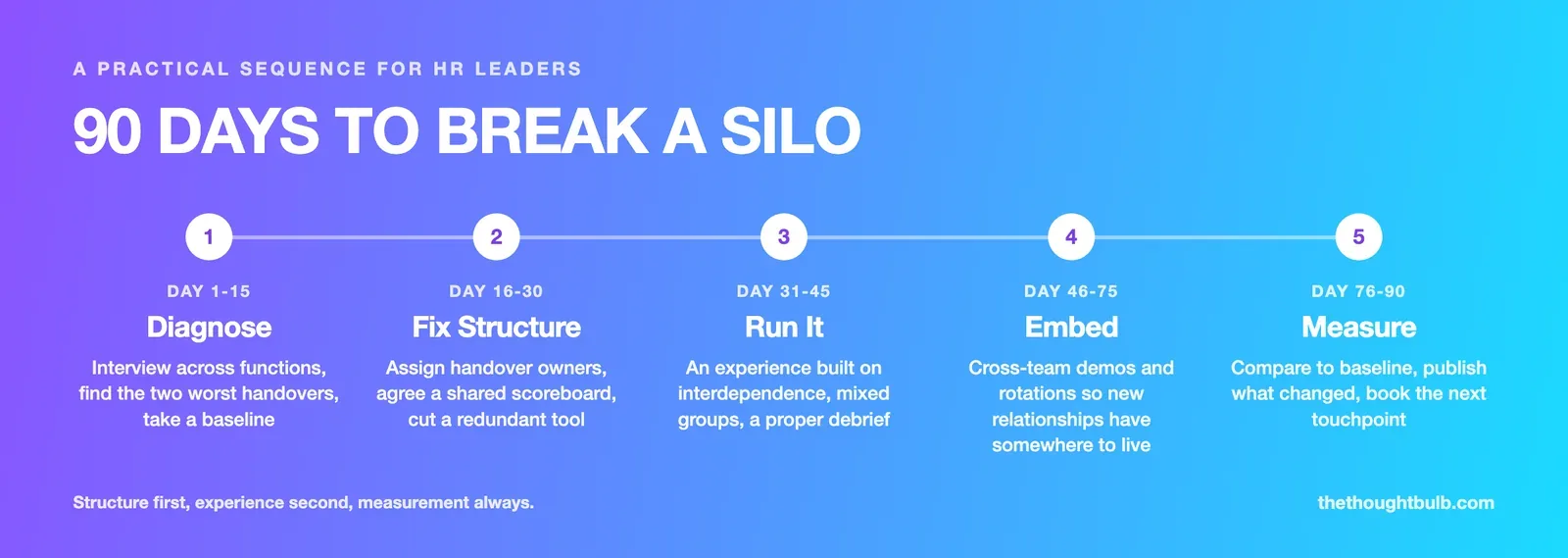
Days 1 to 15: diagnose. Interview eight to ten people across functions and identify the two handovers causing the most friction. Take your baseline metrics.
Days 16 to 30: fix the structure. Assign handover owners, agree a shared scoreboard, and remove at least one redundant tool.
Days 31 to 45: run the experience. Choose a format built around interdependence, mix functions deliberately in every group, and insist on a proper debrief.
Days 46 to 75: embed. Launch cross-team demos or rotations so the new relationships have somewhere to live.
Days 76 to 90: measure. Compare against baseline, publish what changed, and schedule the next touchpoint before momentum fades.
Closing Thought
Silos do not break because someone declares that they should. They break when people from different parts of a business have solved a real problem together, discovered that the other side is reasonable, and been given a structural reason to keep talking afterwards. With engagement in India at a four-year low and most cross-functional teams struggling, the organisations that get this right in 2026 will have a genuine operating advantage over those that keep buying software instead.
If you are working out where your own walls sit and what would actually shift them, we are always happy to think it through with you. A short conversation about your specific handovers is usually more useful than a catalogue of activities, and it costs nothing to start.