Every January, thousands of Indian companies run the same kickoff: a long town hall, a slide deck full of targets, a buffet lunch and a group photo. By February, most people can barely recall a single priority. If you are planning the first quarter of 2027 right now, you have a rare window to do something different, and the team building ideas below are built for exactly that. Done well, a new year kickoff gives people clarity, builds trust across teams and sets the tone for the next twelve months.
This guide is written for HR heads, L&D leaders and founders who want a kickoff that changes how teams work, not just how they feel for one afternoon. We cover why the timing matters in India, what a good kickoff must achieve, in-person and virtual formats that work, a real case study and a simple 30-day plan you can start this month.
Why The New Year Kickoff Matters More In India In 2027
The case for investing in your kickoff is not sentiment, it is data. Gallup's latest State of the Global Workplace findings for India paint a sobering picture of where Indian teams stand heading into the new year.
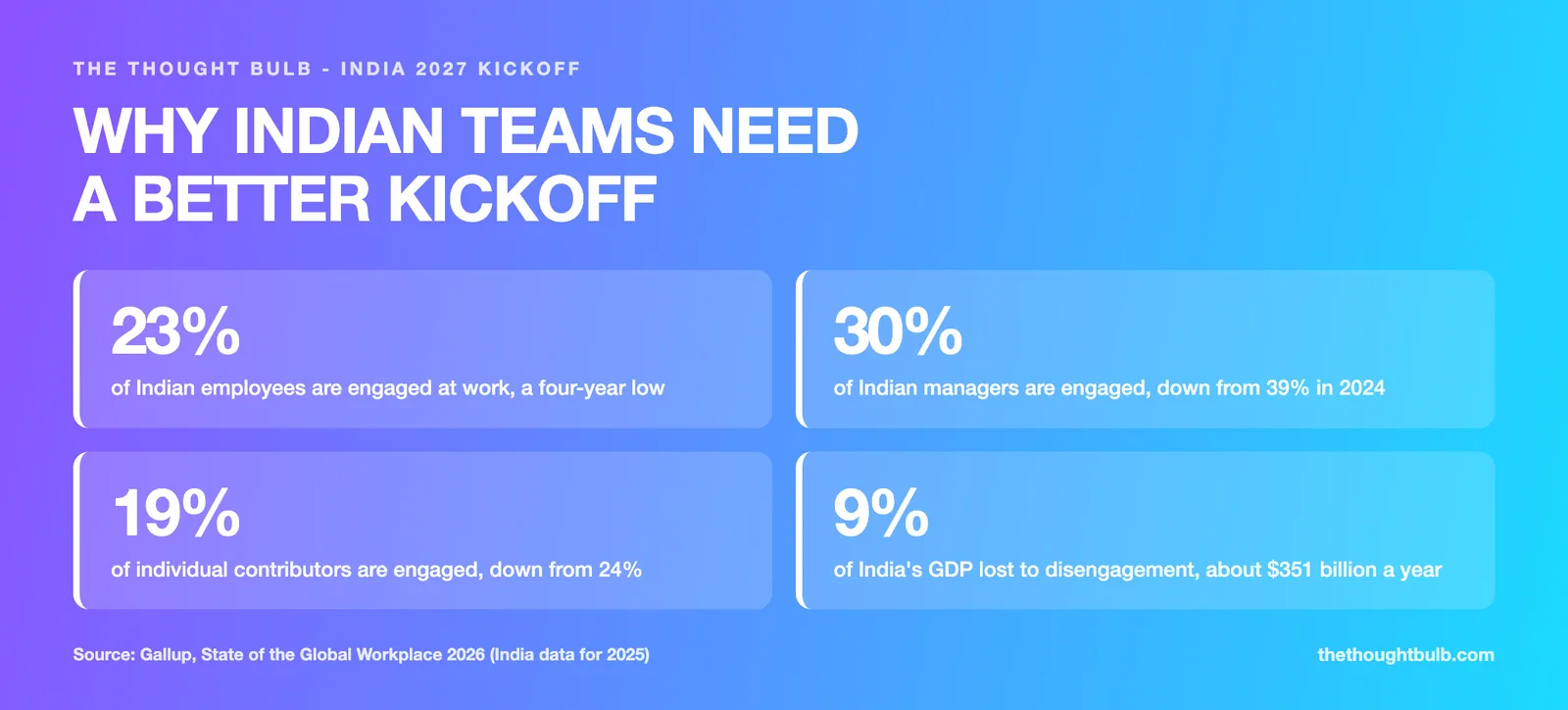
Only 23 percent of Indian employees are engaged at work, the lowest level in four years, though still slightly above the 20 percent global average.
Manager engagement fell from 39 percent in 2024 to 30 percent in 2025.
Engagement among individual contributors fell from 24 percent to 19 percent over the same period.
Gallup estimates disengagement costs India about $351 billion a year, roughly 9 percent of GDP.
In the earlier 2025 edition of the report, about 30 percent of Indian employees reported daily work stress and close to half were looking for a new job.
Read those numbers as a planning brief. If fewer than one in four employees feel engaged and managers are slipping fastest, a kickoff that only broadcasts targets from a stage will not move anything. People need to understand the goals, see how their team fits, and feel connected enough to ask for help when things get hard. That is a design problem, and experiential team building is one of the most reliable ways to solve it.
What A Great Kickoff Actually Needs To Do
Before choosing an activity, decide what the day must achieve. Most successful kickoffs deliver the same three outcomes, whatever the company size or industry.
1. Make the goals clear and personal
A target on a slide is abstract. A target that a team has discussed, challenged and rewritten in its own words is owned. Build in time for teams to translate company priorities into what they will do differently in the first 90 days.
2. Reset relationships across teams
Over a year, silos harden. Sales and operations stop talking, new joiners stay in their own bubble, and hybrid schedules mean some colleagues barely meet. A kickoff is your best chance to mix people on purpose, so seat and group them across functions rather than by department.
3. Give managers a visible role
With manager engagement under pressure, the kickoff should strengthen managers, not sideline them. Ask them to lead the debrief conversations in their own teams, and equip them with simple prompts so the discussion continues after the event. For senior groups who want to set the example, our leadership team building programmes are a natural starting point.
Finally, plan the year around real moments rather than one big event. The employee engagement calendar is a useful way to map festivals, appraisal cycles and quarter ends so the kickoff is the first of several planned touchpoints, not the only one.
In-Person Kickoff Ideas That Build Shared Goals
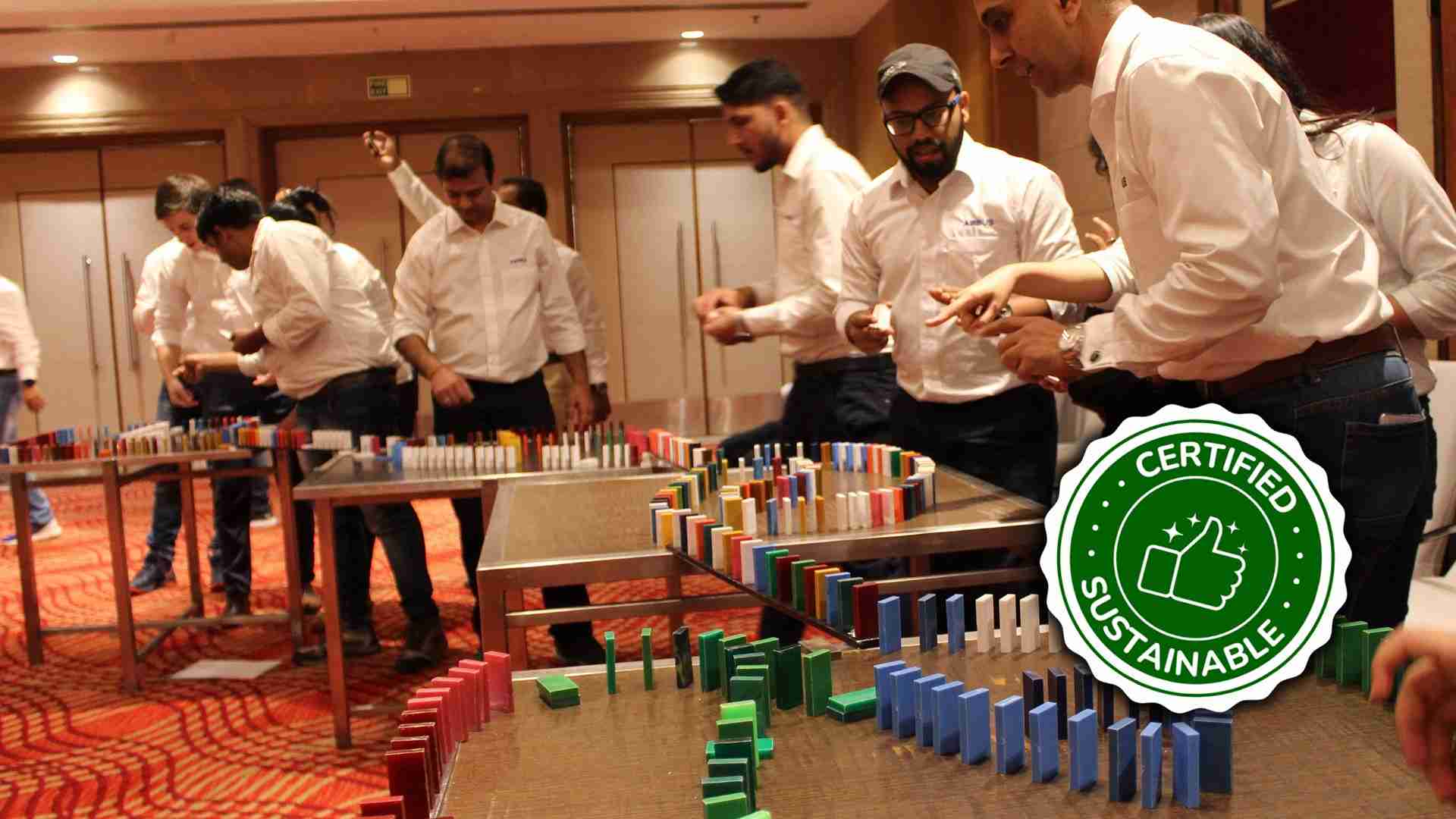
If your teams can gather in one place, in-person formats create the energy that slides cannot. Choose experiences that end with a tangible commitment, not just a laugh.
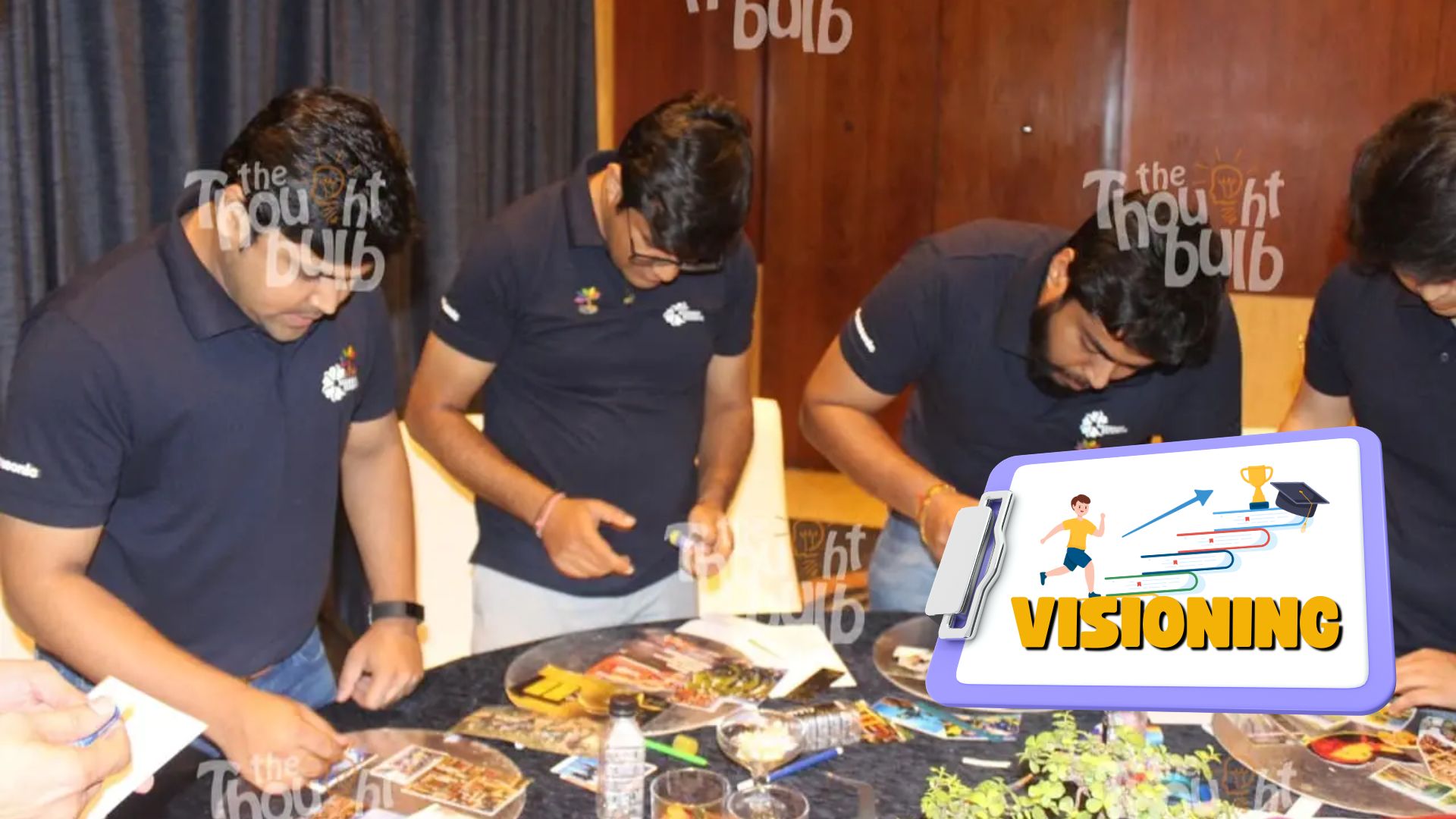
Vision Board for team and personal goals
The Vision Board is a hands-on workshop where participants express their goals, values and personality through images and art, then align on what the team is working toward. It runs for groups from 3 to 1,000 people, indoors or outdoors, and the outcomes map neatly to a kickoff: clarity on personal and team goals, empathy through shared values, and a physical board that keeps the commitments visible. It is one of the many in-person options in our activities library.
Minute To Win It for energy and collaboration
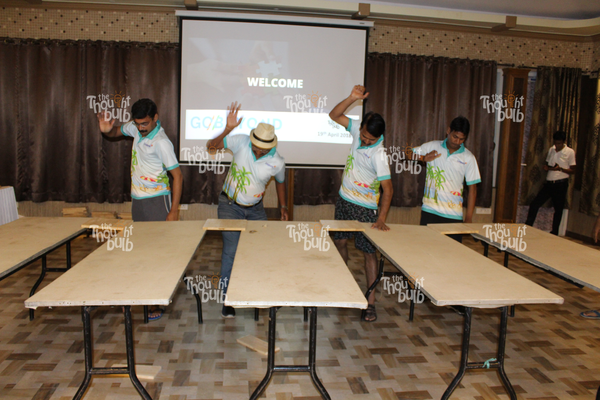
If your January needs momentum more than reflection, quick-fire challenges work well. Minute To Win It gives teams one minute to complete a series of quirky tasks, which tests coordination, communication and how a team responds to the unknown. It scales from small groups to around 500 people and can be run indoors or outdoors, so it is easy to fit into a conference hall or a resort lawn on the same day as your strategy sessions.
Virtual And Hybrid Kickoff Ideas For Distributed Teams
Many Indian companies now run teams across Bengaluru, Gurugram, Pune, Hyderabad and global hubs. A kickoff that only works in one room leaves half the organisation on the outside, so plan a virtual track from the start rather than as an afterthought.
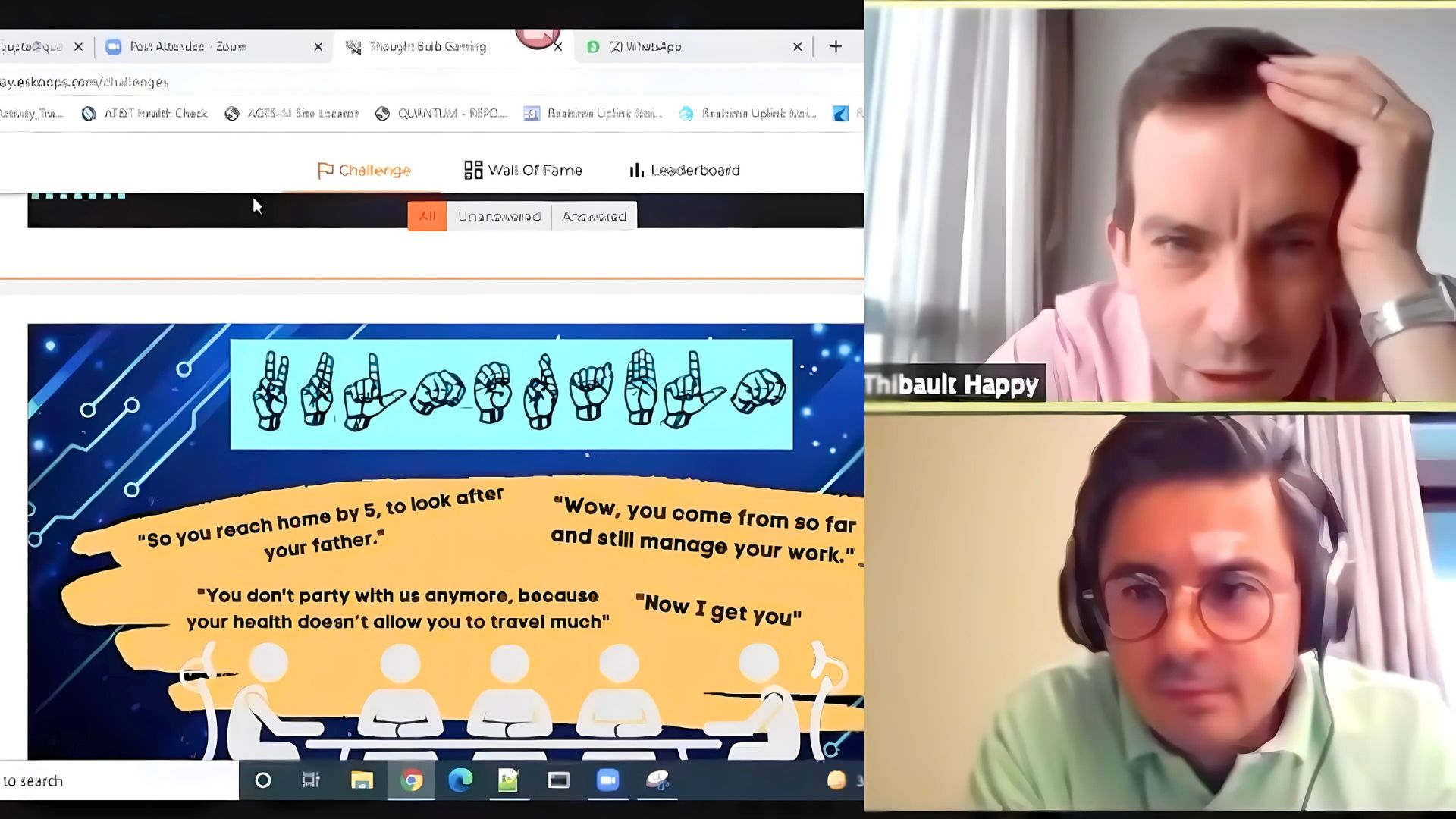
Mission Moon Lander for remote teams
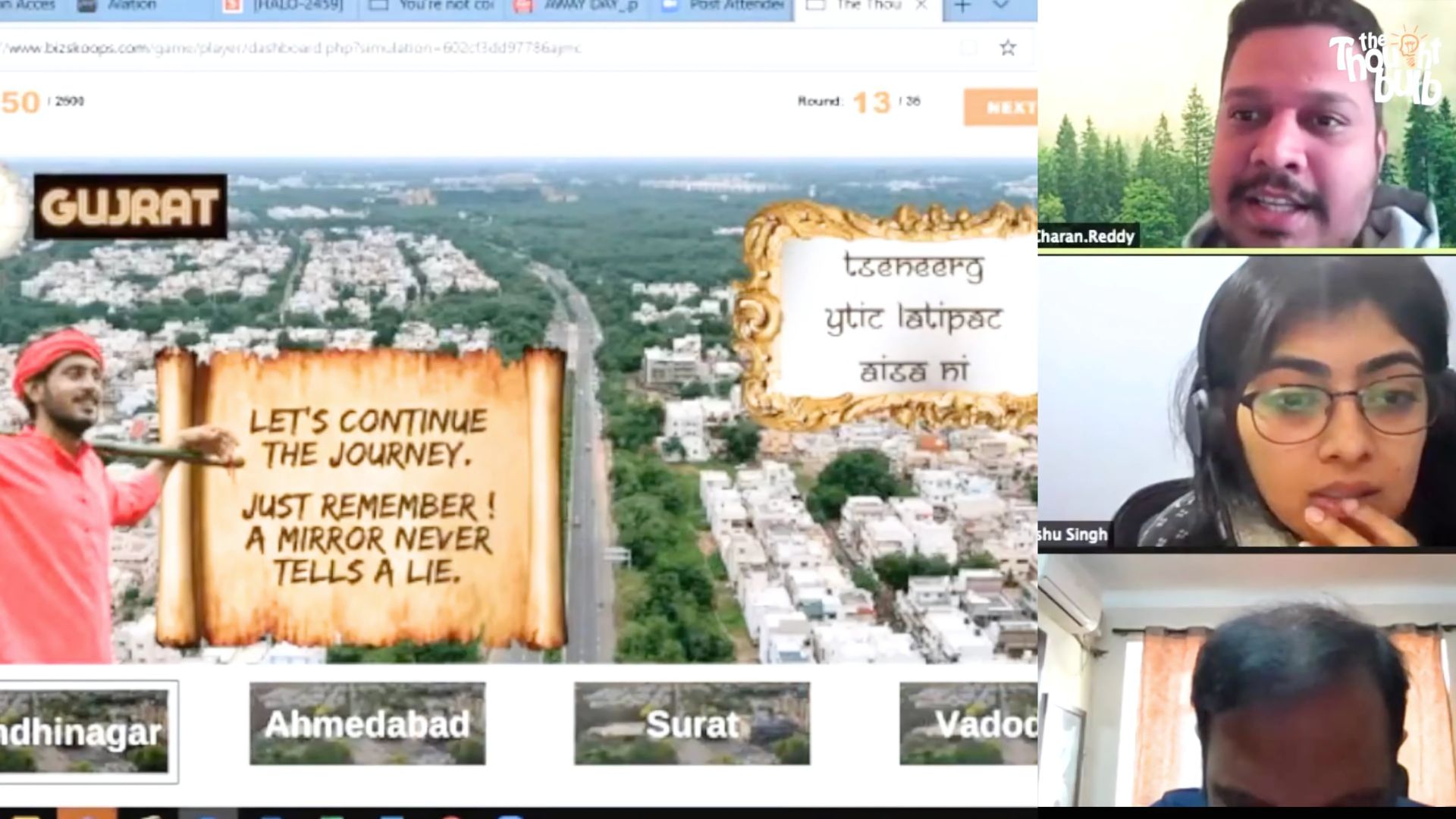
Mission Moon Lander is an online simulation where teams brainstorm, assign roles and make tough decisions together to complete a lunar mission. It supports groups from 3 to 3,000, which makes it practical for company-wide kickoffs, and it surfaces how people communicate under pressure. Pair it with a strong debrief and you have a powerful way to open the year. See our full range of virtual team building formats for more options.
Hybrid done right
For hybrid kickoffs, avoid the common trap of making remote people watch an in-room event through a camera. Give them their own facilitator, run the same challenge in parallel, and bring both groups together for a shared debrief. Equal experience matters more than identical activities.
Case Study: A Space-Themed Programme For 450 People At BCG
A strong example of purpose-led design is the programme we created for BCG in Delhi. The firm wanted to strengthen cross-team collaboration and build trust at scale, so we ran a space-themed Innovation and Business Simulation for 450 participants. Small teams received a five-layer Space Kit and worked through logic, cryptic, maze and analytical challenges, with each layer unlocking the next. Hidden inside every layer were two keywords representing the organisation's values, which became the heart of the debrief. Participants rated the programme 9.3 out of 10. Read the details in our case studies section.
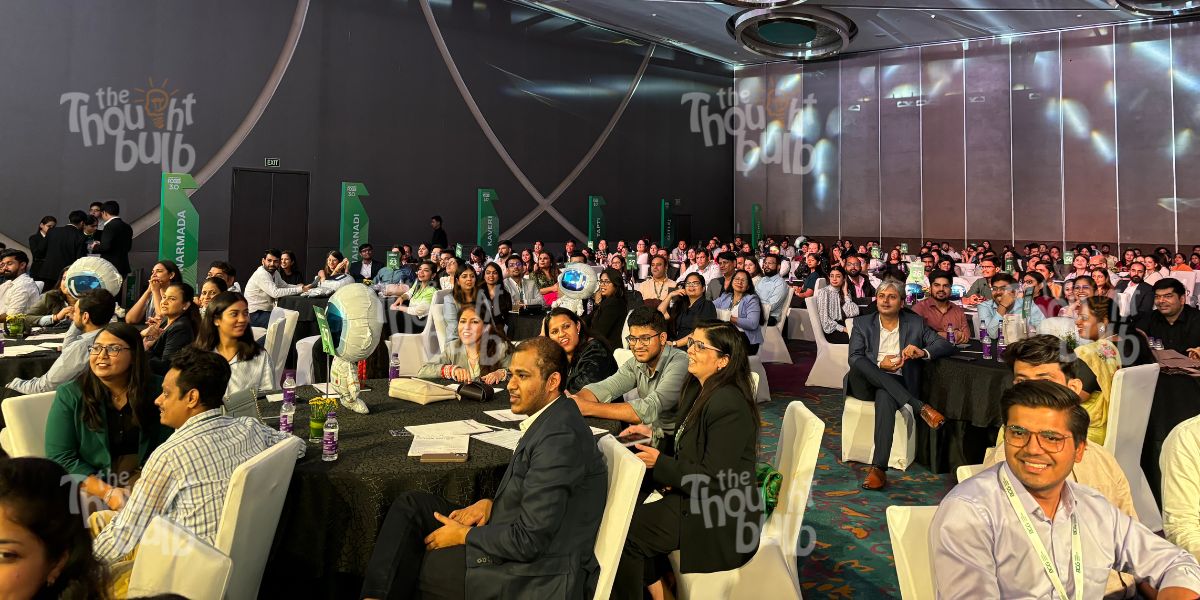
The lesson for your own kickoff is the design pattern: a shared challenge, mixed teams, values woven into the experience and a debrief that connects the game to real work. The theme can change, but the pattern is what makes the day stick.
A 30-Day Plan To Run Your Kickoff
You do not need a six-month runway. Start in the first week of December and you can run a well-designed kickoff in early January. Here is a simple sequence.
Week minus 4, set goals: leadership agrees three company priorities and one shared outcome for the day.
Week minus 2, design: choose a mix of in-person and virtual experiences, confirm venues, and brief facilitators on your values.
Kickoff day, experience: run the activity, then hold a values-led debrief where teams connect lessons to their own work.
Week plus 2, embed: each team converts its commitments into three actions for the first 30 days.
Week plus 4, measure: run a short pulse survey and a manager check-in to see what changed.
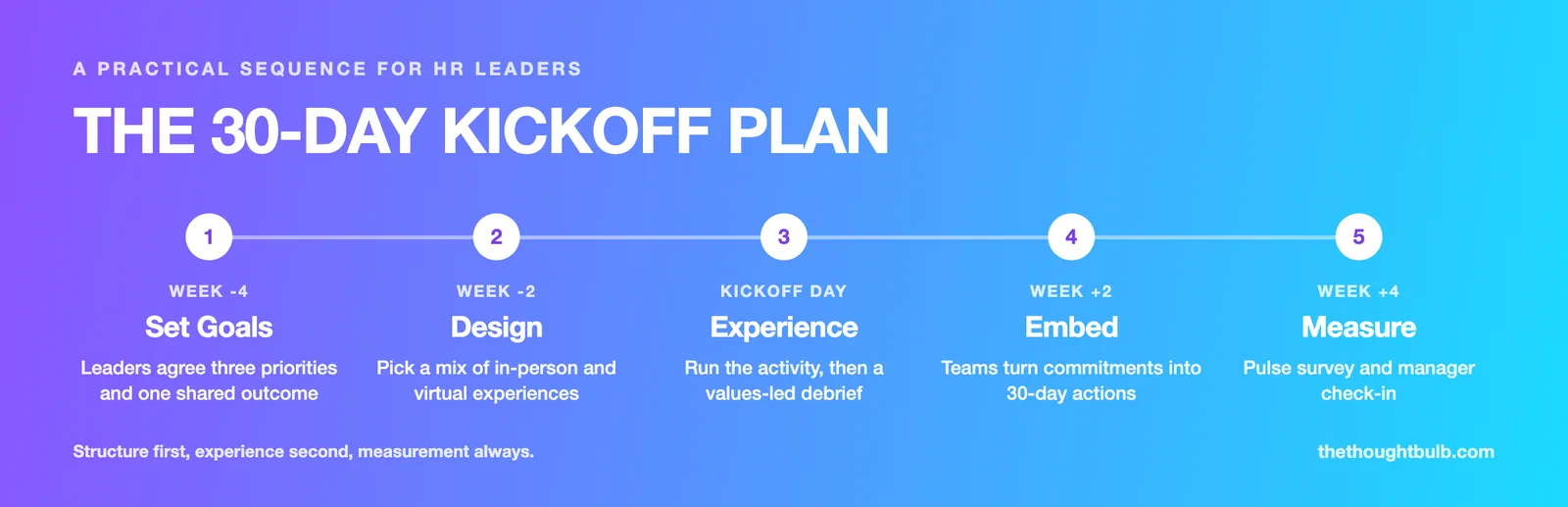
Notice that only one of the five steps is the event itself. Most of the value comes from the preparation before and the follow-through after.
Mistakes To Avoid
Packing the day with speeches and leaving no time for teams to talk.
Choosing an activity for fun alone, without a link to your goals or values.
Ignoring remote and hybrid colleagues until the invite goes out.
Skipping the debrief, which is where the learning actually happens.
Measuring nothing afterwards, so there is no way to improve next year.
Avoid these five and you are already ahead of most January kickoffs in the country.
Start Planning Your 2027 Kickoff
A new year kickoff is the cheapest reset a company gets. A thoughtful design, a mix of in-person and virtual experiences and a clear 30-day follow-up can turn a routine January event into the start of a stronger year. If you would like help shaping one for your teams, the Thought Bulb team is happy to talk through formats, budgets and timelines, with no pressure to commit.