Navratri 2026 runs from October 11 to October 20, and in most Indian offices it will pass exactly the way it did last year: a WhatsApp message wishing everyone a happy festival, maybe an early Friday, and nothing else. That is a costly habit. Gallup's State of the Global Workplace 2026 report found that employee engagement in India has fallen to 23 percent, down from 30 percent a year earlier and the lowest level recorded in four years. Nine consecutive days when employees are already primed for colour, music, and togetherness are exactly the moment HR teams should be using, not skipping. Done well, a Navratri programme costs less than a single leadership offsite and reaches every employee in the building, including the ones who never sign up for optional events.
Why Navratri Deserves a Place on Your Team-Building Calendar
Most Indian companies already spend on Diwali gifting, an Independence Day flag hoisting, and a year-end party. Navratri sits between the first two on the calendar and gets almost nothing, even though it is the one festival built around collective movement rather than individual ritual. Garba and dandiya are danced in circles, in pairs, with strangers as often as with colleagues people already know. That structure does something a sit-down lunch cannot: it forces cross-team interaction without anyone having to make small talk first.
What Makes Navratri Different From Diwali or Independence Day Events
Diwali celebrations in Indian offices tend to be family-oriented, and many employees treat the days around it as leave rather than as an in-office event. Independence Day is formal and patriotic, built around a flag hoisting and a speech, not participation. Navratri is different on both counts: it is participatory by design, and because it falls on regular working days for most of its run, employees are already in the building or online. A themed colour day or a 45-minute Garba session during work hours does not compete with a family celebration the way a Diwali evening party does.
The Engagement Case for Festive Team Building
The timing argument matters because engagement in India is not just a soft concern, it is measurably declining, two years running according to Gallup. HR teams that wait for a formal engagement survey to justify festive spend are missing a cheaper lever that is already sitting on the calendar. A two-hour Navratri afternoon, spread across departments, costs a fraction of a quarterly offsite and needs no travel budget.
Planning Navratri Team Building Across Hybrid and Distributed Teams
The hardest part of any festive programme in India is not choosing the activity, it is reaching every location and every work mode with something that feels intentional rather than tokenistic.
In-Office Garba and Colour-Themed Celebrations
For employees who come into the office, a themed colour day paired with a short Garba or dandiya session works better than a full evening event, because it does not ask people to change their commute or childcare plans. Blocking a common area for 45 minutes in the late afternoon, with a professional choreographer running a beginner-friendly circle, gets participation from people who would never volunteer for a stage performance or a dance floor after hours.
Virtual and Hybrid Options for Remote Teams
Remote and hybrid employees are usually the first group festive planning forgets. A virtual Bollywood-themed party, run over video with music, dress-up themes, and light games, gives distributed teams a version of the same energy without asking anyone to be in a specific city. Pairing an in-office day with a virtual track built for remote-first teams keeps the whole company on the same festive rhythm instead of splitting it into an office event and an afterthought for everyone else.
Two Activities Worth Building Your Week Around
Rather than designing a Navratri programme from scratch, most HR teams get better results adapting a format that has already been run at scale, in person and virtually.
Colors of India Challenge (In-Person)
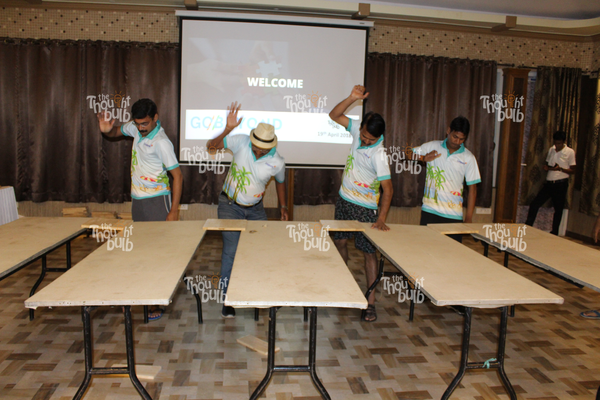
The Colors of India Challenge turns the nine-colour tradition of Navratri into a structured, colour-coded team activity rather than a loose dress-up day, with tasks built around each colour group working together toward a shared goal. It runs well in a shared office space or an outdoor courtyard and needs no special equipment beyond what most venues already have on hand.
Diwali Bollywood Party, Adapted for Navratri (Virtual)
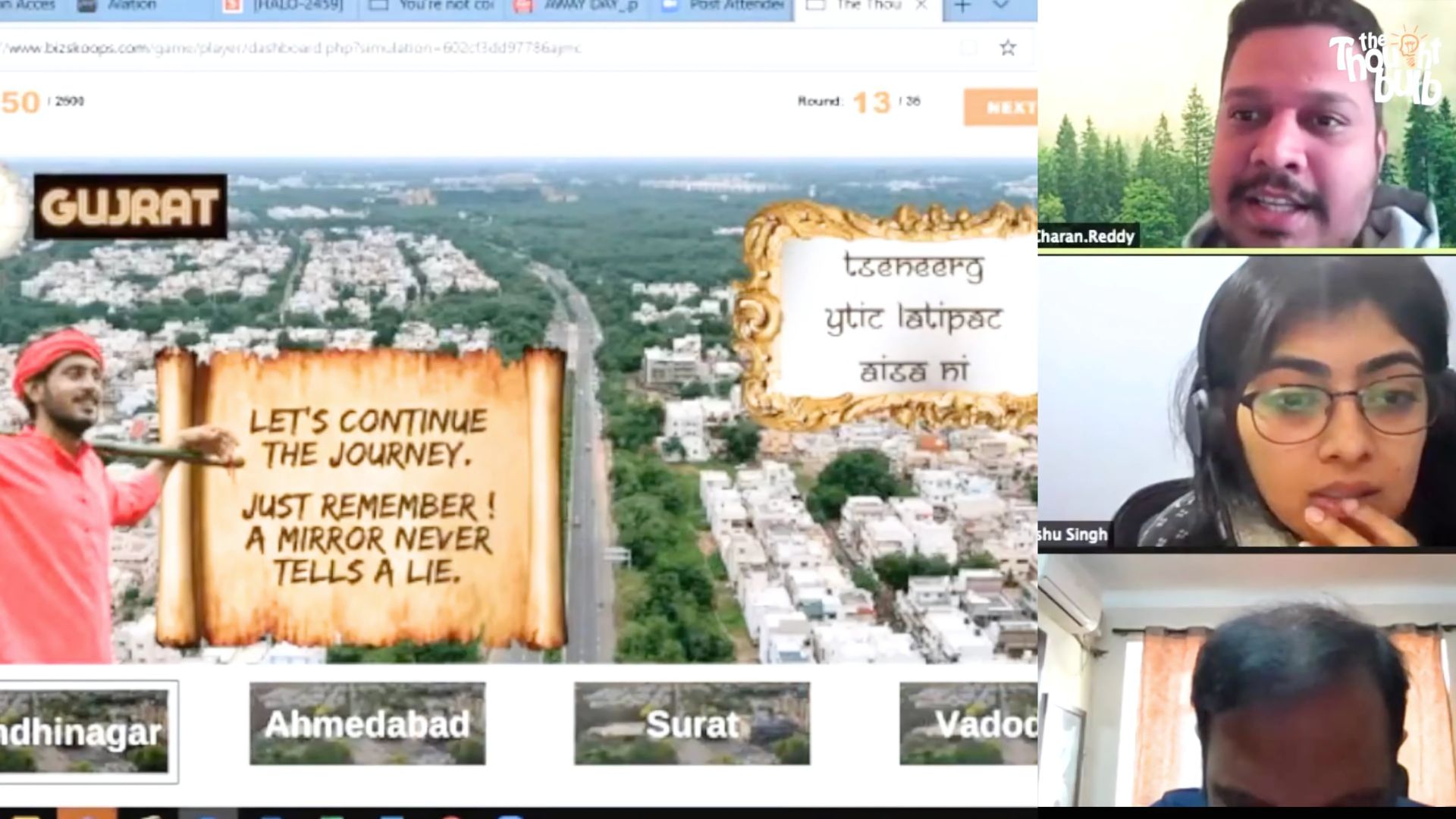
Originally built for Diwali, the Diwali Bollywood Party format adapts directly to Navratri week: music, dance-along segments, and light trivia run entirely over video call, so a team split across five cities can join from wherever they happen to be logging in that day.
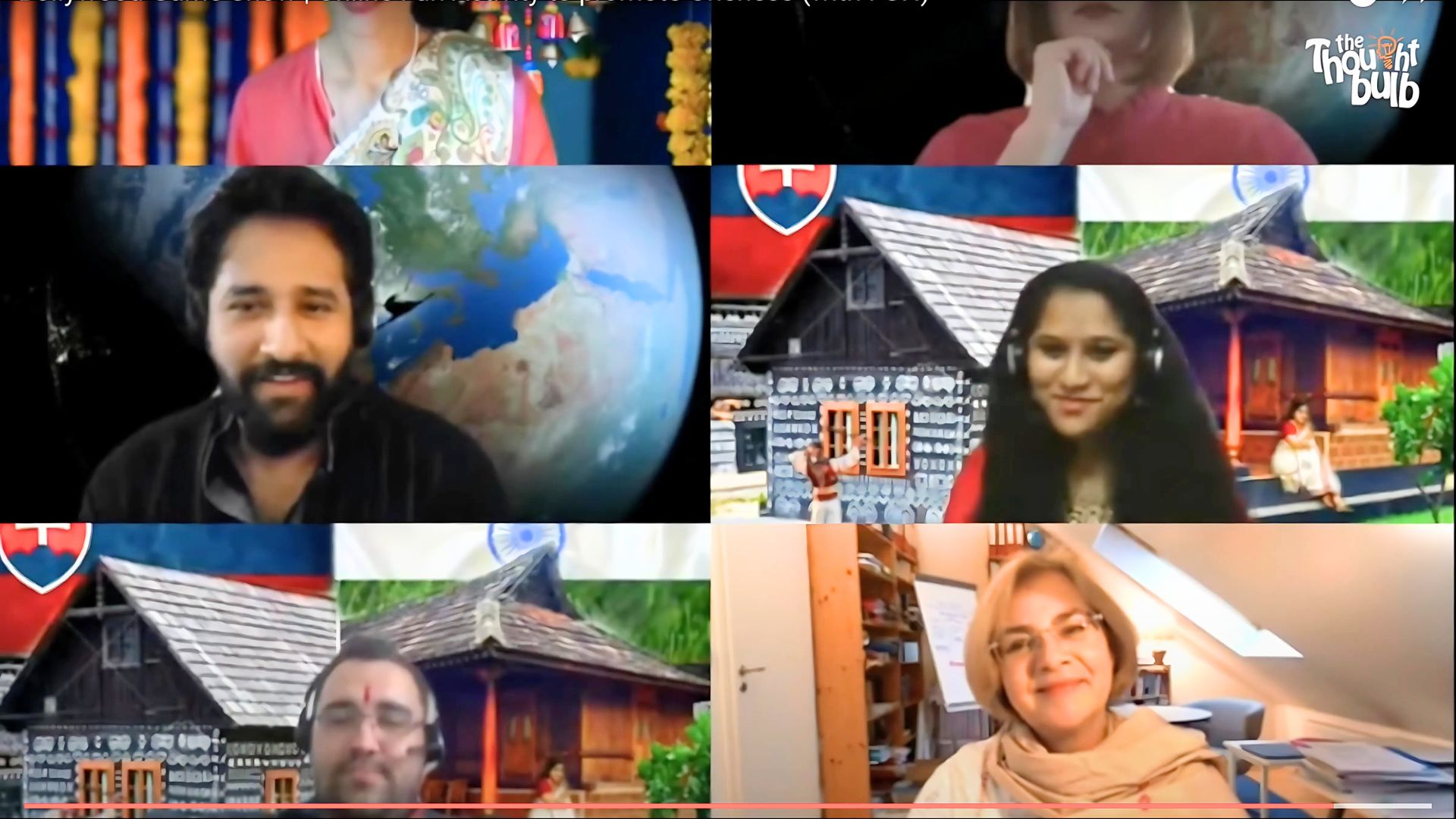
Both formats, along with dozens of others built for Indian festive and CSR calendars, cover a mix of indoor, outdoor, city-based, and fully virtual formats, so a distributed workforce is never limited to a single option.
What the Data Says About Festive-Season Team Investment
Three numbers from 2026 make the case for treating Navratri as a planned line item rather than an afterthought, not just a nice-to-have.
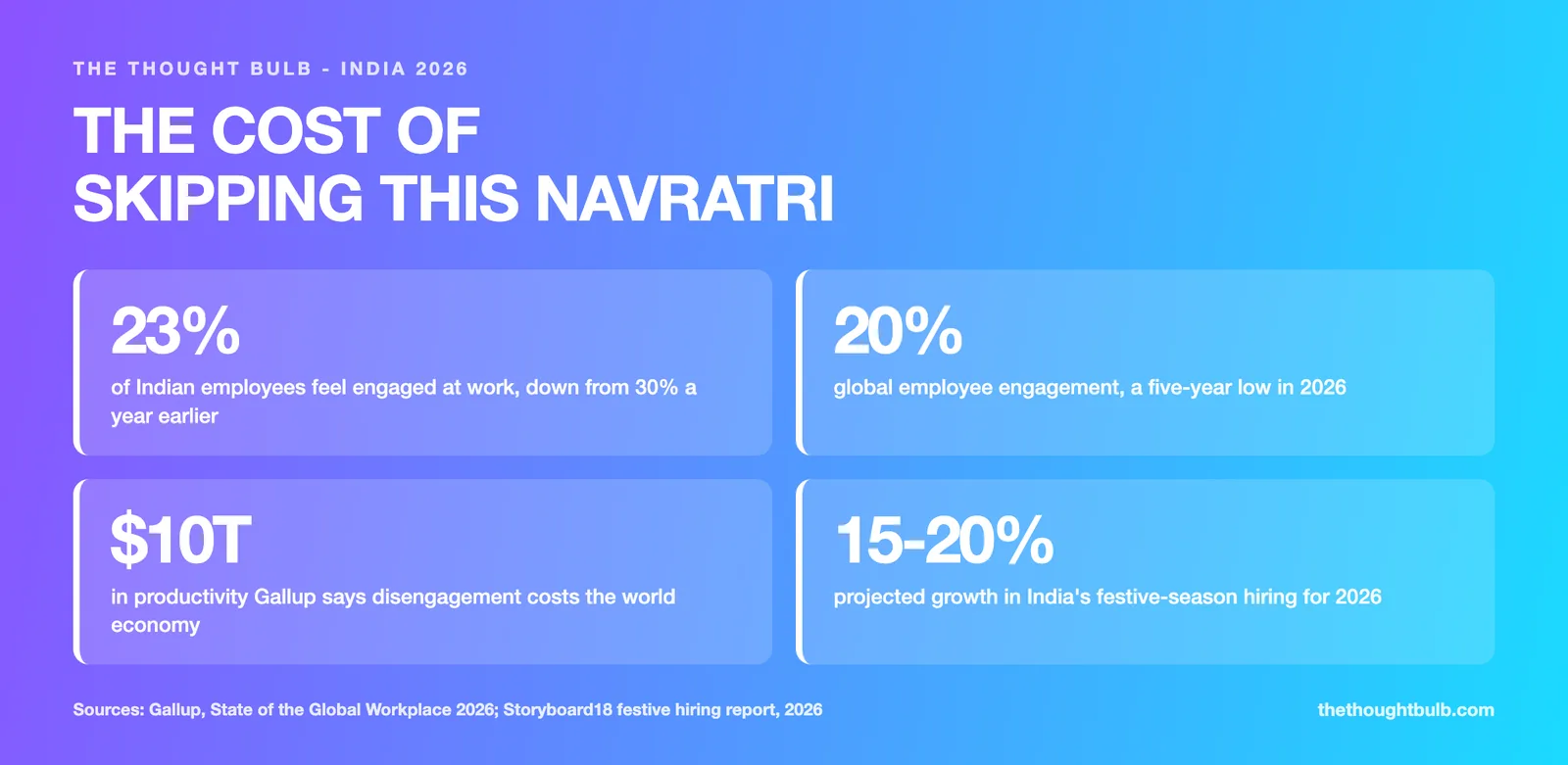
Employee engagement in India fell to 23 percent in 2026, down from 30 percent the previous year and the lowest reading in four years, according to Gallup's State of the Global Workplace 2026 report.
Global employee engagement dropped to 20 percent, its lowest level in five years, with Gallup estimating disengagement now costs the world economy roughly 10 trillion dollars in lost productivity.
India's festive-season hiring is projected to grow 15 to 20 percent in 2026 as quick-commerce and retail scale up, per a Storyboard18 report, meaning many teams will be onboarding new joiners at the exact moment festive fatigue and disengagement typically peak.
Read together, these numbers describe a workforce that is more likely to be new to the company and less likely to feel engaged in it, right at the moment the festive calendar hands HR a low-cost way to change that for a few weeks.
Case Study: Siemens' Colours of India Leadership Experience in Mumbai
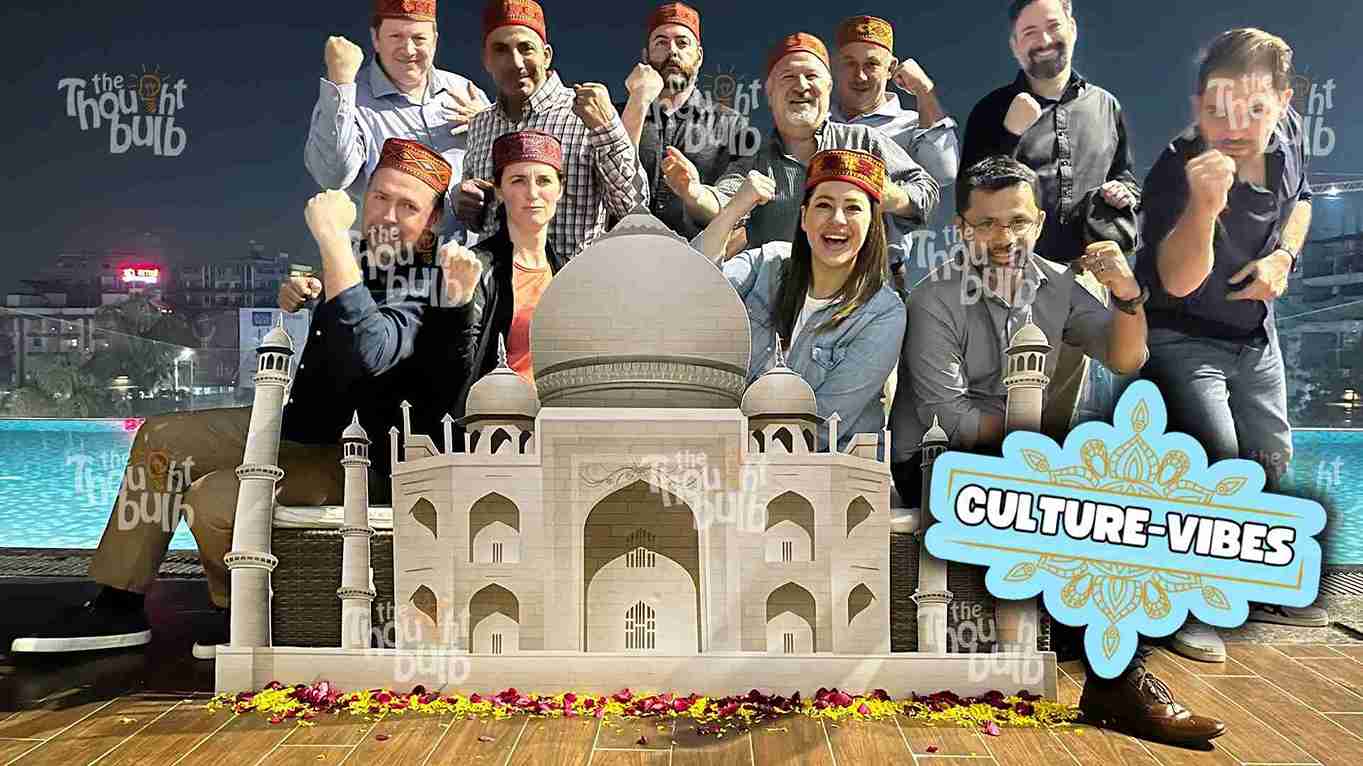
Siemens ran its Global Leadership Experience in Mumbai around the Colours of India Challenge, bringing senior leaders together for a structured, colour-themed activity rather than a standard conference-room offsite. The format used the same nine-colour, team-based structure described above, scaled up for a leadership audience, so participants worked across colour groups on shared tasks instead of sitting through a series of presentations.
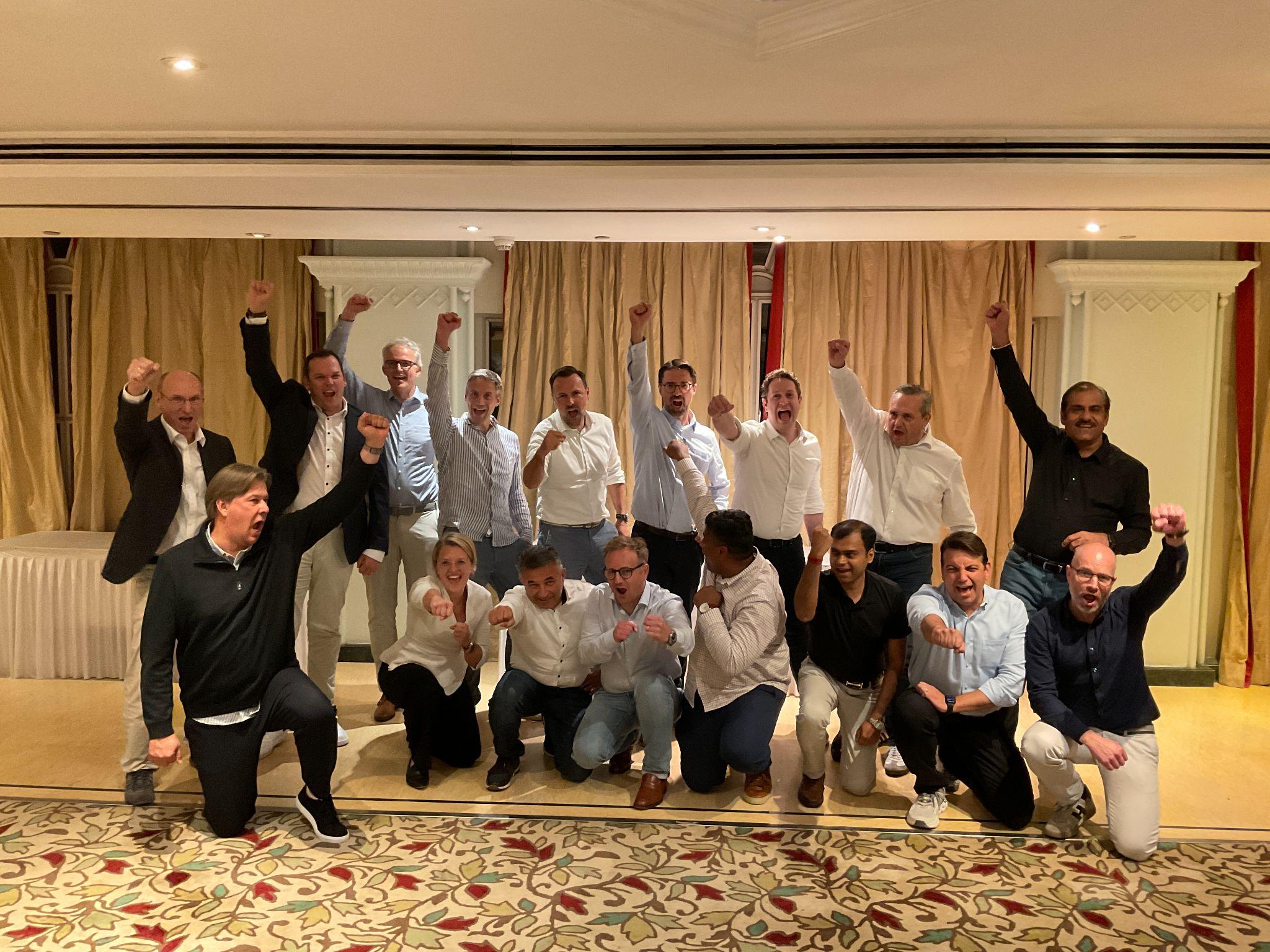
The result was a leadership offsite that doubled as a culturally grounded team-building session, rather than two separate events competing for the same calendar slot. The full write-up, alongside other festive and leadership programmes run for Indian and global teams, is on the case studies page.
A 3-Week Navratri Action Plan for HR Teams
Working backward from October 11, a three-week sequence gives HR teams enough runway to lock logistics without turning Navratri planning into a quarter-long project.
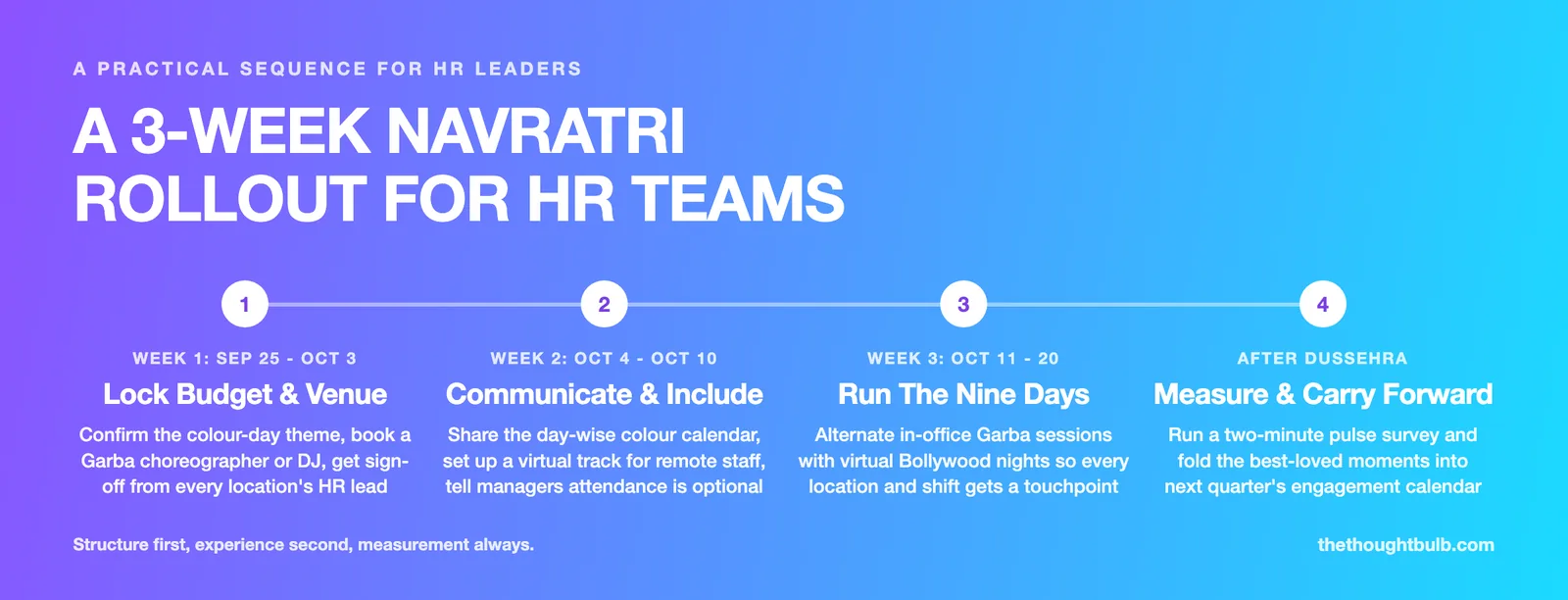
Week 1, September 25 to October 3: confirm the colour-day theme, book a Garba choreographer or DJ, and get sign-off from every location's HR lead so no office is left out of the budget.
Week 2, October 4 to October 10: share the day-wise colour calendar with all employees, set up the virtual track for remote staff, and brief managers that attendance is optional, not mandatory.
Week 3, October 11 to 20: alternate in-office Garba sessions with virtual Bollywood nights across the nine days, so every location and shift gets at least one touchpoint during the festival.
After Dussehra: run a two-minute pulse survey while the experience is still fresh, and fold the best-loved moments into next quarter's engagement calendar instead of starting from zero next year.
Treating this as a repeatable sequence rather than a one-off means the same plan can be reused for the next festival on the calendar. Teams that keep a running employee engagement calendar find it far easier to justify festive spend, because the Navratri programme sits alongside the rest of the year's activities instead of appearing as a surprise line item.
Common Mistakes to Avoid
Don't Make Attendance Mandatory
Making attendance mandatory changes how employees experience an event and tends to reduce genuine participation rather than increase it. Scheduling sessions during work hours in a shared space, with no penalty for opting out, consistently gets higher voluntary turnout than a mandatory evening event that eats into personal time.
Budget for Every Location, Not Just Headquarters
It is common for a Navratri budget to quietly become a headquarters-only budget, with regional offices getting a smaller version or nothing at all. Employees in smaller offices notice this every year, and it does more damage to engagement than skipping the celebration entirely would. Splitting the budget across locations before the vendor is booked, rather than after, avoids the problem.
Don't Let Managers Skip It
A Navratri programme that leadership does not visibly join sends the opposite signal to the one it is meant to send. Managers who show up for the colour day or the virtual Bollywood night, even briefly, tell their teams the event is a real part of the culture and not just an activity HR runs on its own.
Navratri will not fix a four-year decline in engagement on its own, but it is one of the few moments in the HR calendar when the energy is already there before anyone plans anything. A three-week runway, a mix of in-person and virtual formats, and a budget that reaches every location is enough to turn nine days most companies waste into one of the cheapest engagement wins of the year. If your team wants a shortlist of Navratri-ready activities matched to your office locations and headcount, get in touch with The Thought Bulb before Week 1 of the plan above begins.