Every year, as the Delhi smog clears and the first real cool mornings arrive, HR teams across India start getting the same request from leadership: plan something good for the team before the year ends. Winter is the one stretch of the Indian calendar when outdoor team building is comfortable almost everywhere, from the forts of Rajasthan to the beaches of Goa and the foothills near Dehradun. It is also the moment when many teams need a reset more than they admit.
This guide covers why a winter outing is worth the effort in 2026, what the latest engagement data says, which formats work best, and a four-stage plan you can start this week. It is written for HR leaders, people managers and founders who want an outing that changes how people work together, not just a nice photo for the company newsletter.
Why winter is the best season for team outings in India
The weather window is real
Venue planners who work with corporate groups usually describe October to March as the best stretch for team building, with January to March the peak offsite season. Goa, Jim Corbett, Jaipur, Udaipur, Mussoorie and Dehradun are the destinations that come up again and again. Outdoor games, city explorations and walking-based formats all become far easier to run when you are not fighting heat or monsoon rain.
The calendar timing helps you too
Budgets are still open in Q4, year-end celebrations are on everyone's mind, and teams are tired after a long year. A winter outing lets you combine reflection, recognition and fun in one event. If you want to place it alongside other people-programme dates, our employee engagement calendar shows how to space festivals, wellbeing days and offsites so that one event does not crowd out the next.
Winter is also when attrition conversations begin
Appraisal cycles close and people start thinking about their next move. A well-run outing in December or January signals that the company invests in relationships, not just targets. That message lands best when it is backed by an experience people actually enjoyed.
What the data says about Indian teams right now
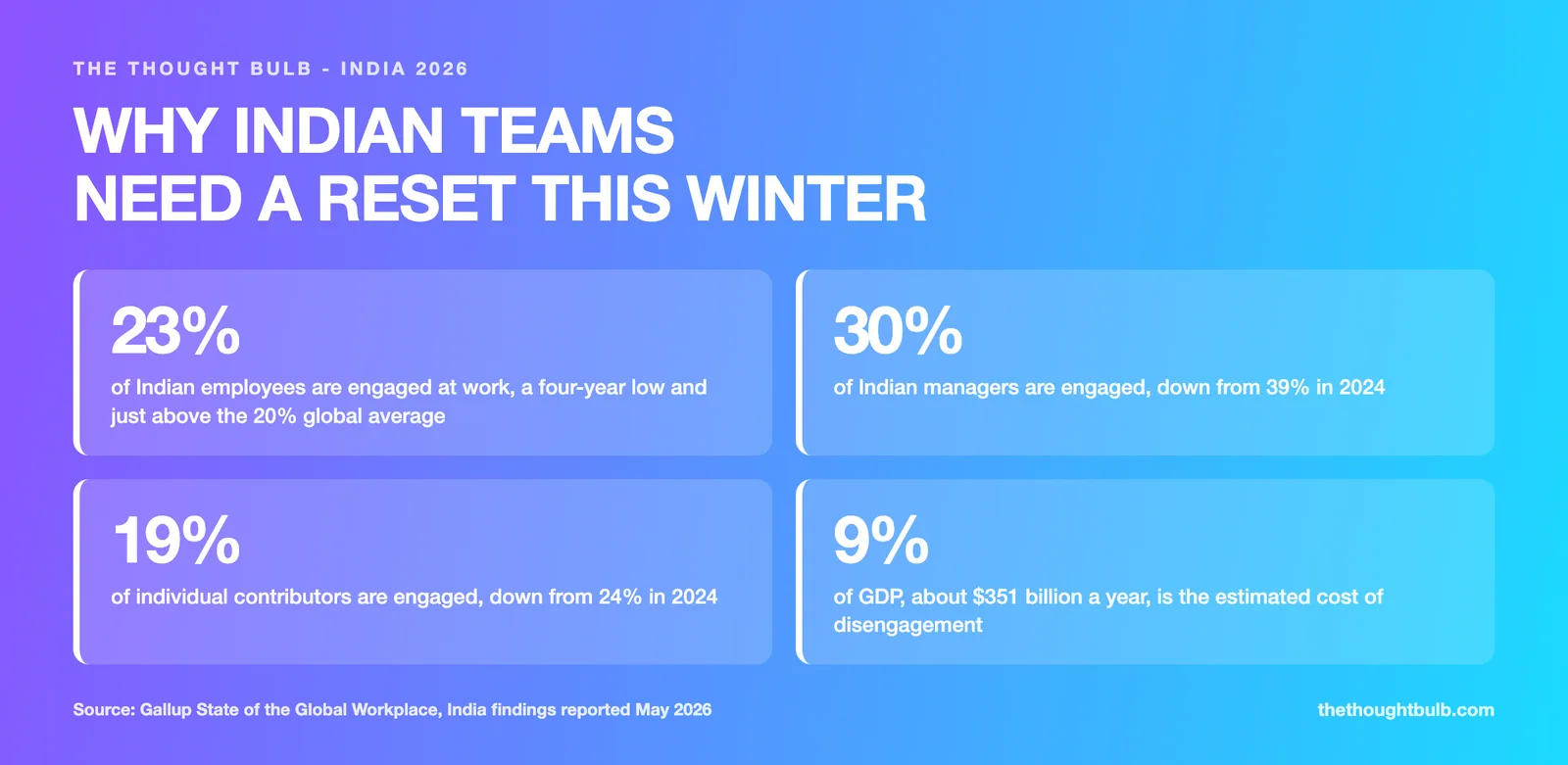
Gallup's latest India findings, reported in May 2026, paint a sobering picture. Only 23 percent of Indian employees are engaged at work, the lowest level in four years and only just above the global average of 20 percent. The drop is sharper among the people who shape daily team life.
23 percent of Indian employees are engaged, a four-year low, against a 20 percent global average.
30 percent of Indian managers are engaged, down from 39 percent in 2024.
19 percent of individual contributors are engaged, down from 24 percent in 2024.
Gallup estimates disengagement costs India about 351 billion US dollars a year, roughly 9 percent of GDP.
Gallup's earlier global report added that nearly one in two Indian employees say they are looking for new opportunities and about 30 percent report daily stress at work. The pattern is clear. Managers are stretched, individual contributors are drifting, and the cost shows up in attrition and lost productivity.
A team outing will not fix engagement on its own. What it can do is give people shared experiences, reset relationships between teams, and give managers a chance to lead outside the usual meeting-room dynamic. That is why format and follow-through matter so much.
Winter team outing formats that work
City adventures that turn a destination into the activity
If your team is heading to a heritage city this winter, a guided city race lets them explore it together instead of sitting through a conference-room day. Teams solve clues, complete small challenges at landmarks and learn how colleagues think under light pressure.
Our Agra City Race is built for exactly this kind of outdoor, in-person setting, where the city itself becomes the playing field.
Browse the full range of in-person and online formats on our activities page to find one that suits your group size and location.

Outdoor games and olympics for larger groups
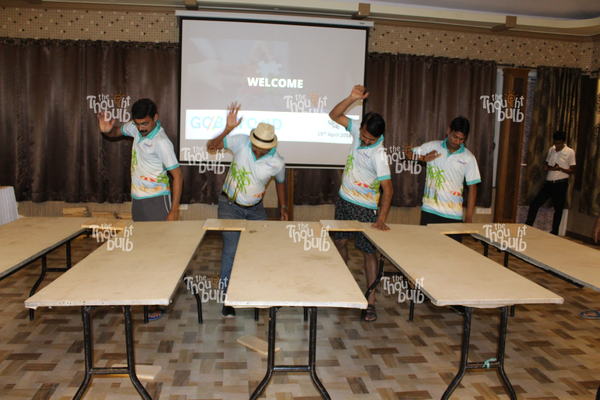
For groups of 50 or more, structured outdoor games work well because everyone can take part at their own level of fitness and confidence. Our Outdoor Olympics format is designed around mixed teams, short rounds and plenty of cheering, which suits the energy of a winter afternoon in the sun.
Virtual formats for distributed teams
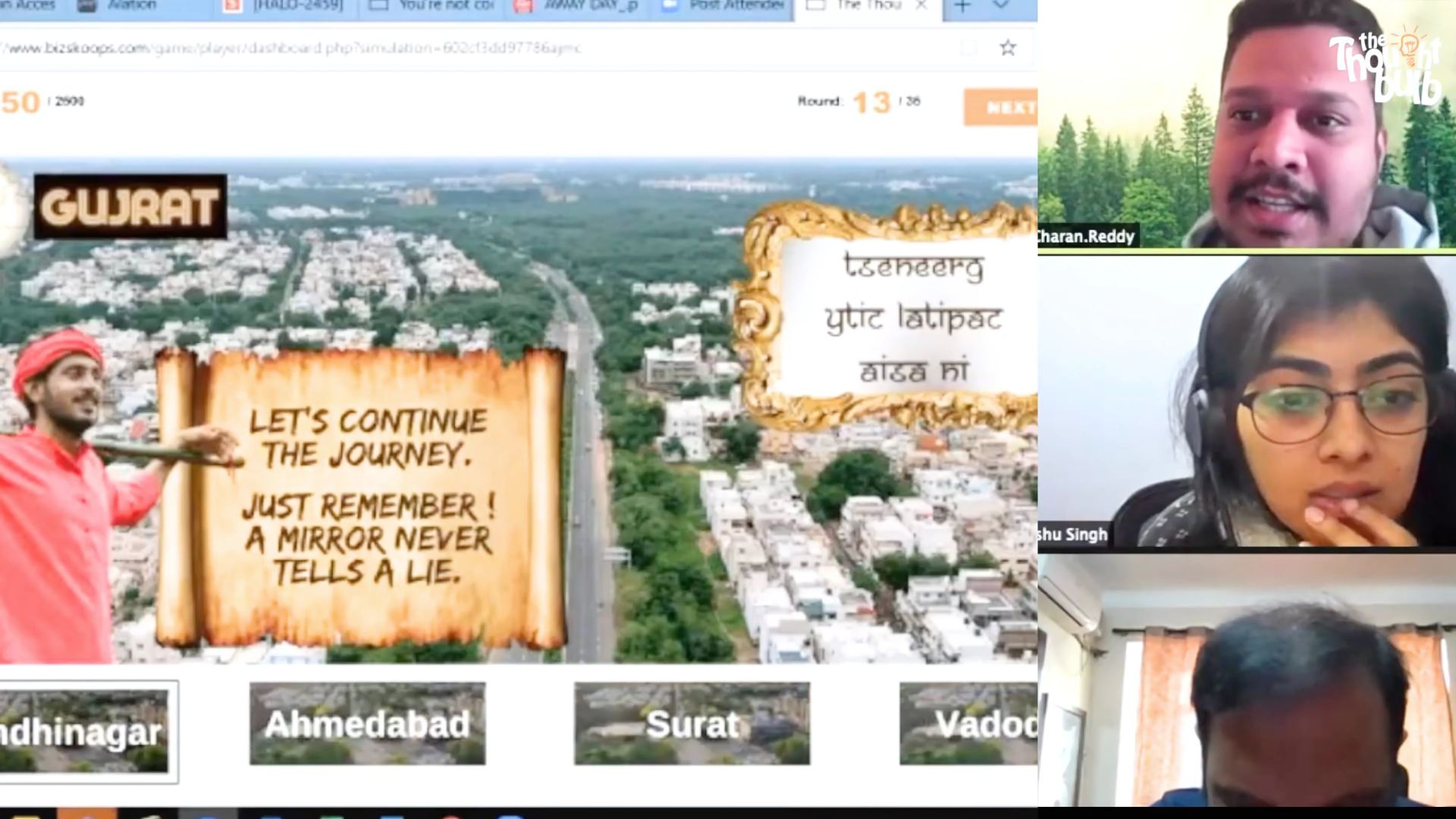
Not every team can travel, and winter is also when many people are away on leave or working from home towns. Virtual experiences keep everyone included. Mission Moon Lander is a virtual leadership challenge where teams must make decisions together under constraints, which makes it a good fit for hybrid groups that rarely see each other.
If most of your people are remote, start with our guide to virtual team building and pick a format that works across time zones.
Purpose-led outings with a CSR angle
Winter is also a natural time for giving. Many companies add a community element to year-end events, and our CSR activities show how to build something that helps a local cause while still strengthening the team.
A case study: the Udaipur City Race for Google
Udaipur is one of the most popular winter offsite cities in India, and it was the setting for a custom programme we designed for a Google team. The group took part in an immersive city race planned around City Palace, with challenges at landmarks including Jagdish Mandir, Badi Pol and Gangour Ghat.
We planned the route in detail and worked with the local community to curate a Local Flavours challenge, so the day felt rooted in Udaipur rather than generic. The goals were stronger cross-team collaboration and trust, and the programme was rated 9.7 out of 10 by participants.

The lesson for HR leaders is that location-led design beats off-the-shelf fun. You can read the full story and others like it in our case studies.
A four-stage plan for your winter outing
A good outing is a project, not a booking. Here is a simple sequence that fits a six to eight week runway.
Stage 1, weeks 1 to 2: set the goal. Pick one outcome such as trust, cross-team links or morale, and agree a budget per head.
Stage 2, weeks 3 to 4: lock the basics. Book the venue, dates and transport, and keep a plan B for fog or cold evenings.
Stage 3, weeks 5 to 6: design the day. Mix an outdoor experience with a short debrief and an inclusive indoor option.
Stage 4, after the event: debrief and measure. Run a pulse survey within two weeks and share what changes as a result.
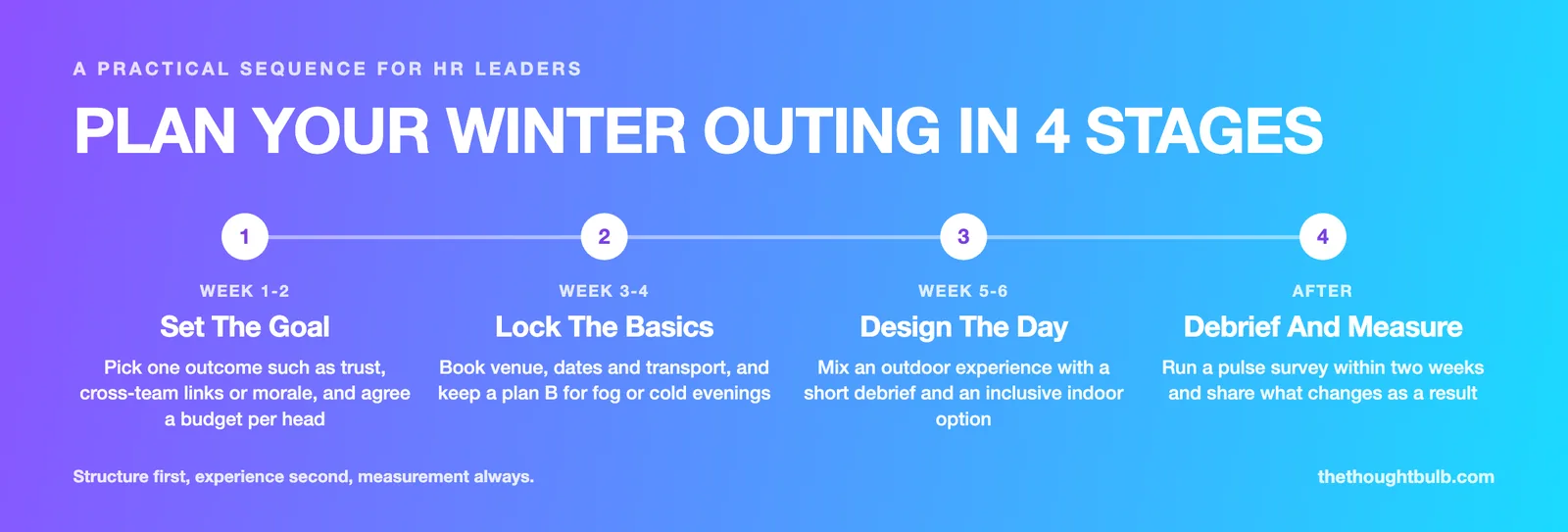
The order matters. Teams that start with the activity and skip the goal often end up with a fun day that nobody can connect to work. Teams that skip measurement lose the chance to prove the value to leadership next year.
Winter-specific logistics most teams forget
Fog and cold mornings: in North India, early flights and road transfers in December and January can be disrupted, so build buffer time into day one.
Evening temperatures: outdoor sessions should finish by late afternoon in hill and desert locations, with a warm indoor option ready.
Food and dietary needs: winter menus are rich, so make sure vegetarian, Jain and allergy-friendly options are planned in advance.
Inclusion: choose formats where people with different fitness levels and comfort zones can all contribute.
Travel load: add a rest evening if the team travels for more than four hours, otherwise day one is lost to fatigue.
How to measure whether the outing worked
Leadership will ask what the event delivered. Decide before the day which two or three signals you will track. Good options include a short pulse survey on trust and collaboration, the number of new cross-team working relationships that form, and manager feedback on how the team behaves in the following month.
Repeat the same survey at 30 and 90 days if you can. The goal is to show a trend, not a single score. It also helps to share the results with participants, because people take future events more seriously when they see that their feedback led to a change.
Make this winter count
With engagement at a four-year low and managers under pressure, the next few months are a real opportunity. A thoughtful winter outing gives teams a shared story, gives managers a fresh setting to lead from, and gives HR a visible win before the year closes.
If you would like help choosing a format or designing a custom programme for your city and group size, the team at The Thought Bulb is happy to talk through options with no obligation.