
Why Mindfulness in Huddles?
In today’s fast-paced, always-on work culture, daily team huddles can easily become rushed status check-ins instead of meaningful moments of connection. With distractions high and attention spans low, what if there was a way to pause, refocus, and create presence—even in just 10 minutes?
Enter mindfulness.
Bringing mindfulness into team huddles isn’t about lengthy meditations or spiritual deep-dives. It’s about cultivating awareness, calm, and clarity, right where work happens. This simple shift helps teams reduce stress, improve focus, and build a more emotionally intelligent workplace.
When applied consistently, even a small dose of mindfulness in daily huddles can create massive ripple effects across team performance, communication, and overall employee well-being.
Mindfulness: More Than a Corporate Mantra
Before jumping into formats, let’s define what mindfulness at work looks like.
At its core, mindfulness means:
Being fully present and engaged in the moment
Observing thoughts, emotions, and surroundings without judgment
Cultivating intention before action
In team settings, it translates to:
Listening without interrupting
Checking in before checking off tasks
Managing emotions during high-pressure moments
It’s not therapy. It’s not time-consuming. It’s a mental habit that, once built into team routines, leads to better thinking, collaborating, and performing.
5 Ways to Integrate Mindfulness in Daily Team Huddles:
You don’t need to overhaul your agenda. Start by integrating one mindful moment per huddle. Here’s how:
1. Start with a 60-second Arrival Pause
Begin every huddle with one minute of silence. Ask everyone to close their eyes, take 3 deep breaths, and simply arrive. This helps cut through mental clutter and creates collective presence.
Builds focus
Signals respect for time and space
Reduces emotional reactivity
Bonus: Use a bell sound or nature tone to mark the start and end of the pause.
2. Rotate a Mindful Check-In
Pick one question for the team to answer, like:
“What are you feeling today?”
“What’s one thing you’re grateful for right now?”
“What’s taking most of your attention today?”
Let 2–3 people share each day. Keep it short but sincere.
Builds emotional safety
Normalizes vulnerability
Strengthens team empathy
3. Practice Mindful Listening
Nominate one person each day to share a 1-minute highlight or blocker. The twist? Everyone listens without interrupting, nodding, or typing. No multitasking.
Then, reflect briefly: “What did you hear that stood out?”
Builds attention span
Promotes respect in fast-paced teams
4. Set Intentions, Not Just KPIs
Before jumping into goals and targets, take 30 seconds to let people set a personal intention for the day. Encourage phrases like:
“Today I’ll stay calm during chaos.”
“I’ll pause before I react.”
“I’ll bring curiosity, not judgment.”
Start with stillness—because focused minds drive focused outcomes.
Then flow into:
Aligning individual energy with team direction
Building personal ownership of intentions and behaviors
Adding deeper meaning to everyday goals and tasks
5. Close with Gratitude or Reflection
End each huddle by asking:
“What’s one win, however small, from yesterday?”
“Who helped you yesterday?”
“What are you proud of today?”
This takes 2 minutes but fosters a culture of appreciation.
Boosts morale
Encourages peer recognition
Ends meetings on a high
Bonus: Mindful Tools & Activities to Enrich Your Huddles
You can also amplify your efforts using tools such as:
Mindful Moment Cards – with prompts or reflection starters
Gratitude Boards – physical or digital spaces to share thanks
Breathing GIFs – subtle visual guides to regulate breath mid-meeting
These tiny nudges help teams embed mindfulness seamlessly without needing formal training.
Want to move beyond words and bring mindfulness to life? Try blending intentional practices with experiential formats that ignite reflection, connection, and inner calm.
Here are a few activities from The Thought Bulb to spark mindful engagement:
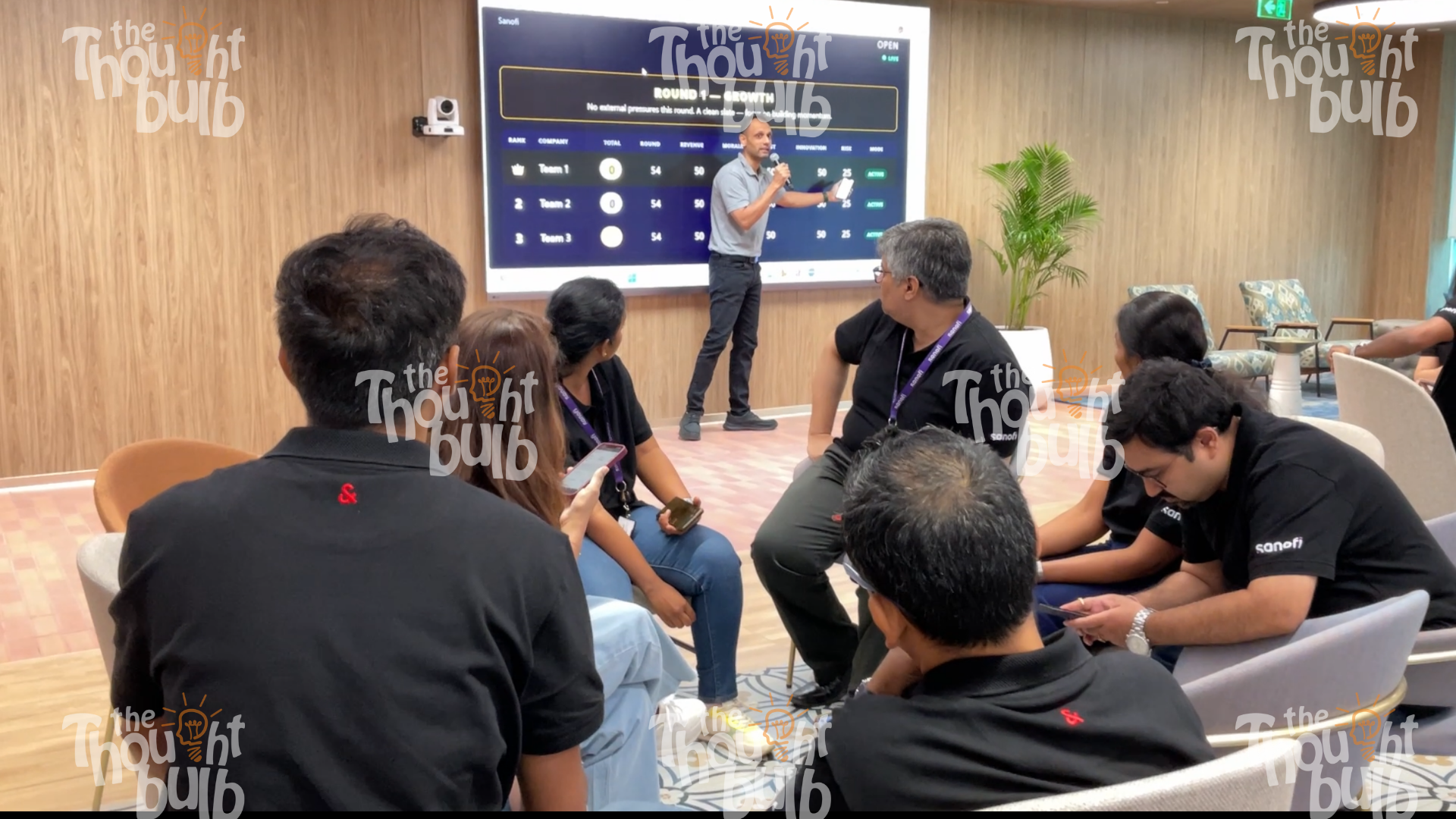
Mind Quests Challenge : An 8-part experiential quest that challenges teams with immersive, problem-solving scenarios. It promotes focus, clarity, and strategic thinking—perfect for huddles where teams need a mental reset before high-stakes work.
Vision Board Workshop : Turn your huddle into a visual intention-setting session. Through images, words, and art, team members explore personal and professional goals, helping everyone align with purpose and values.
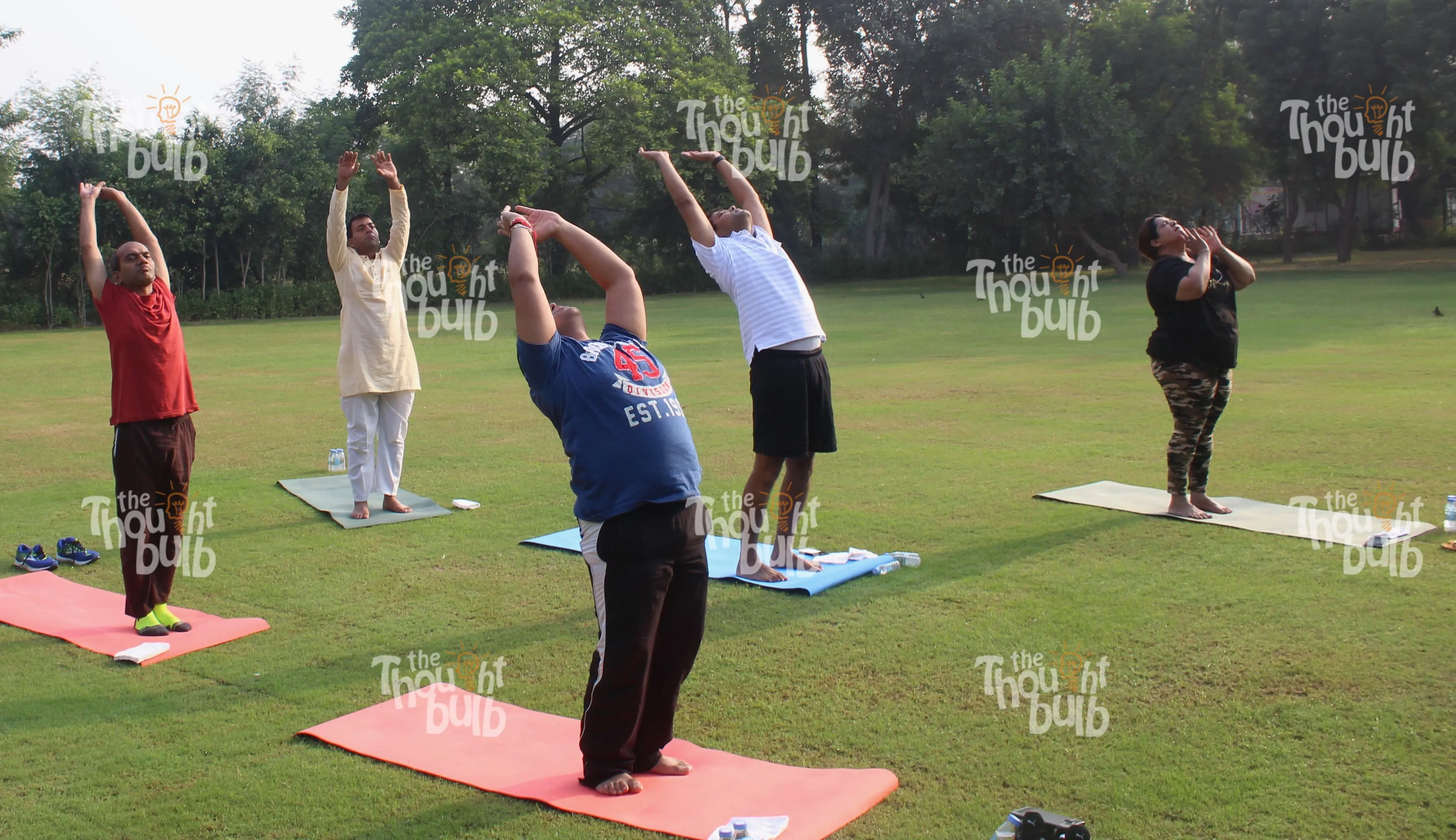
Yoga and Wellness Sessions : Introduce micro-practices from Laughter Yoga, Yoga Nidra, Soul Gazing, or Pranayama during weekly or monthly huddles. These activities improve breathing, awareness, and emotional grounding—creating space for calm and connection.
Even a 5-minute dose of mindful activity during or after huddles can enhance presence, improve team mood, and reinforce a culture of well-being.
Final Thoughts: Small Mindful Moments, Big Culture Shifts
Mindfulness in daily team huddles isn’t a trend—it’s a leadership tool. When teams begin their day with presence, clarity, and intention, they don’t just communicate better—they connect better. They don’t just work—they thrive.
As The Thought Bulb always says, culture is built moment by moment. Adding mindfulness to huddles is one of the simplest, lowest-cost, and highest-impact ways to elevate your team’s energy and emotional intelligence.
Whether your team is in-person, hybrid, or remote, a mindful huddle can be the daily reset that transforms your workplace from busy to balanced.
<a href="https://www.thethoughtbulb.com/resources/free-resources/mental-health-and-wellness.html" target="_blank">
</a>