India's pharmaceutical and healthcare workforce keeps the country running, yet it is one of the hardest groups to bring together. Medical representatives spend their days on the road, plant teams work rotating shifts, R&D scientists are buried in timelines, and hospital staff juggle nights, emergencies and patient loads that rarely let up. Ask an HR leader in a pharma company or a hospital chain about team building and you will often hear the same thing: we know it matters, but our people are never in one place at the same time.
As 2026 closes and companies plan their annual cycle meets, sales conferences and January kick-offs, this is the right moment to rethink how pharma and healthcare teams connect. This guide covers why these teams need a different approach, what the latest data says about pressure on the sector, which experiences actually work around shifts and territories, and a practical 90-day plan you can start in the new year.
Why Pharma And Healthcare Teams Need A Different Playbook
Most team building advice assumes a desk-based team that shares an office five days a week. Pharma and healthcare organisations look nothing like that. A single company might have a field force spread across 300 towns, a manufacturing unit in Baddi or Hyderabad, a quality lab, a regulatory team and a corporate office, each with its own rhythm.
The field force is always moving
Medical representatives and area managers live by call averages, doctor coverage and monthly targets. Their week is planned around territory days, so pulling them out for a half-day session costs real sales time. Anything you design for them has to be short, energising and clearly worth the trip.
Shift work breaks the usual calendar
Plant operators, lab technicians, nurses and ward staff work in shifts. A 4 PM team activity simply excludes the night shift. Good programmes are either repeated across shifts or delivered in formats that let people join from wherever they are.
Compliance shapes everything
Pharma teams operate under strict compliance and quality norms, and healthcare teams carry clinical responsibility. That makes people cautious, process-driven and sometimes slow to speak up. Team building that builds trust and psychological safety pays off directly in fewer hand-off errors and better escalation.
What The Data Says About Pressure On These Teams
The broader Indian workforce is already under strain, and healthcare sits at the sharp end of it. Here are the numbers HR leaders should keep in mind when they plan 2027 engagement budgets:
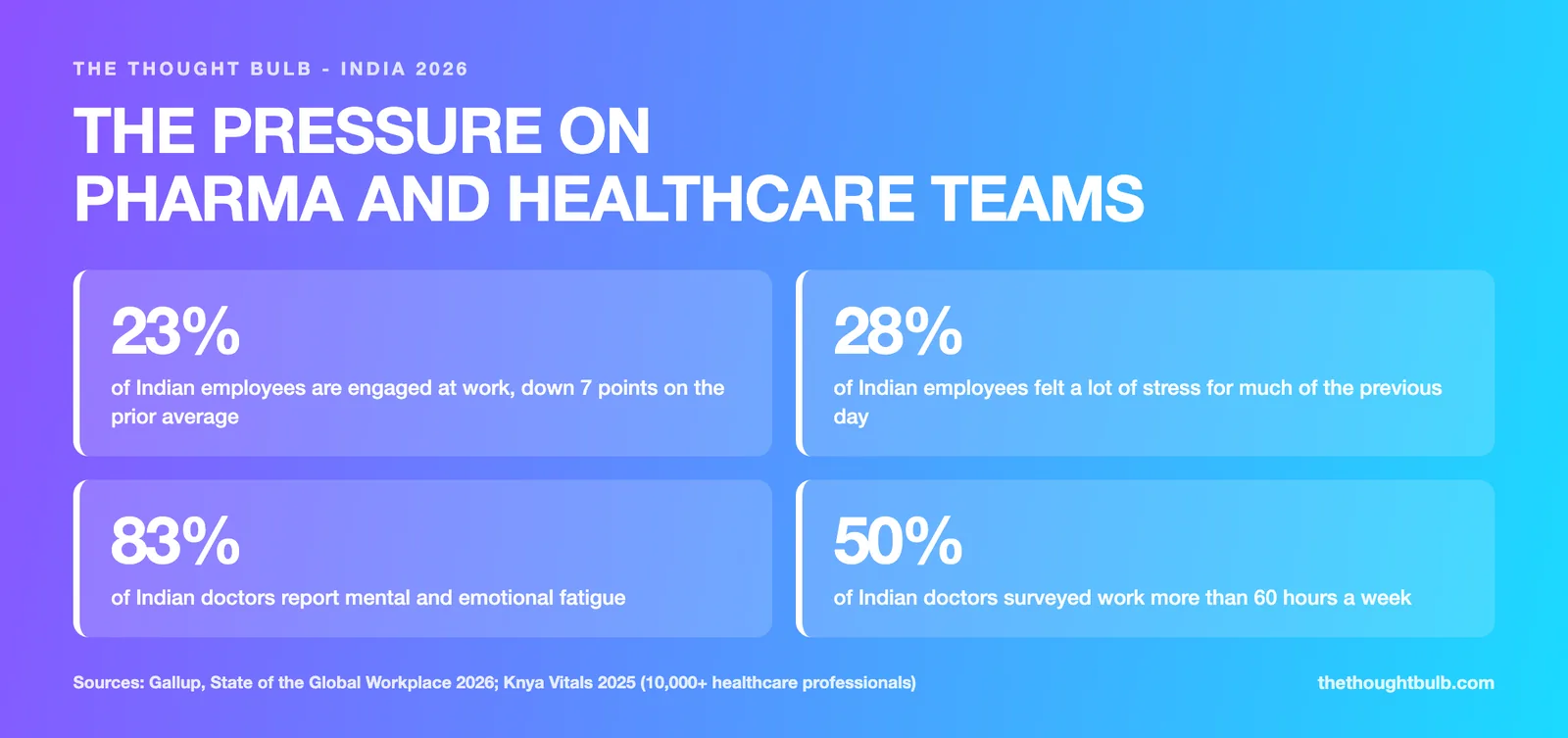
23% of Indian employees are engaged at work, a 7-point fall on the prior three-year average, according to Gallup's State of the Global Workplace 2026 report.
28% of Indian employees said they experienced a lot of stress during the previous day, in the same Gallup report.
83% of Indian doctors report mental and emotional fatigue, according to the Knya Vitals 2025 survey of more than 10,000 healthcare professionals.
50% of the doctors in that survey work more than 60 hours a week, and 7 in 10 said they do not feel safe at work.
Read together, these numbers tell a clear story. Engagement is falling, stress is high, and frontline clinical staff are stretched far beyond a normal working week. For pharma and healthcare employers, that shows up as field force attrition, burnout on the wards and plant floor, and new managers who never quite bond with their teams. Team building will not fix workloads on its own, but it is one of the few levers that rebuilds connection, trust and a sense of shared purpose quickly.
Five Principles For Team Building In Pharma And Healthcare
1. Fit the experience around the shift, not the other way round
Plan sessions at shift overlaps, repeat them across shifts, or move some of them online. A 45-minute experience that everyone can attend beats a full-day event that half the team misses.
2. Keep it hands-on, not classroom
These teams already sit through hours of compliance and product training. What they need is play, laughter and real collaboration, with a short debrief at the end rather than another lecture.
3. Use cycle meets and offsites wisely
Pharma companies already bring field teams together for cycle meetings and annual conferences. Adding one strong team experience to those gatherings costs far less than organising a separate event.
4. Mix functions deliberately
Sales, medical affairs, supply chain and quality teams often see each other only when something goes wrong. Mixed teams in an activity build the relationships that make the next escalation smoother.
5. Give something back
Healthcare people chose their careers to help others, so purpose-driven formats land well. Our CSR team building activities let teams build something that goes to a community, which connects the activity to the reason many of them joined the sector.
Experiences That Work For Pharma And Healthcare Teams
Based on programmes we have run for pharma, life sciences and healthcare clients, two formats stand out: one in-person anchor experience and one virtual format that reaches people wherever they are.
In person: Build A Bicycle
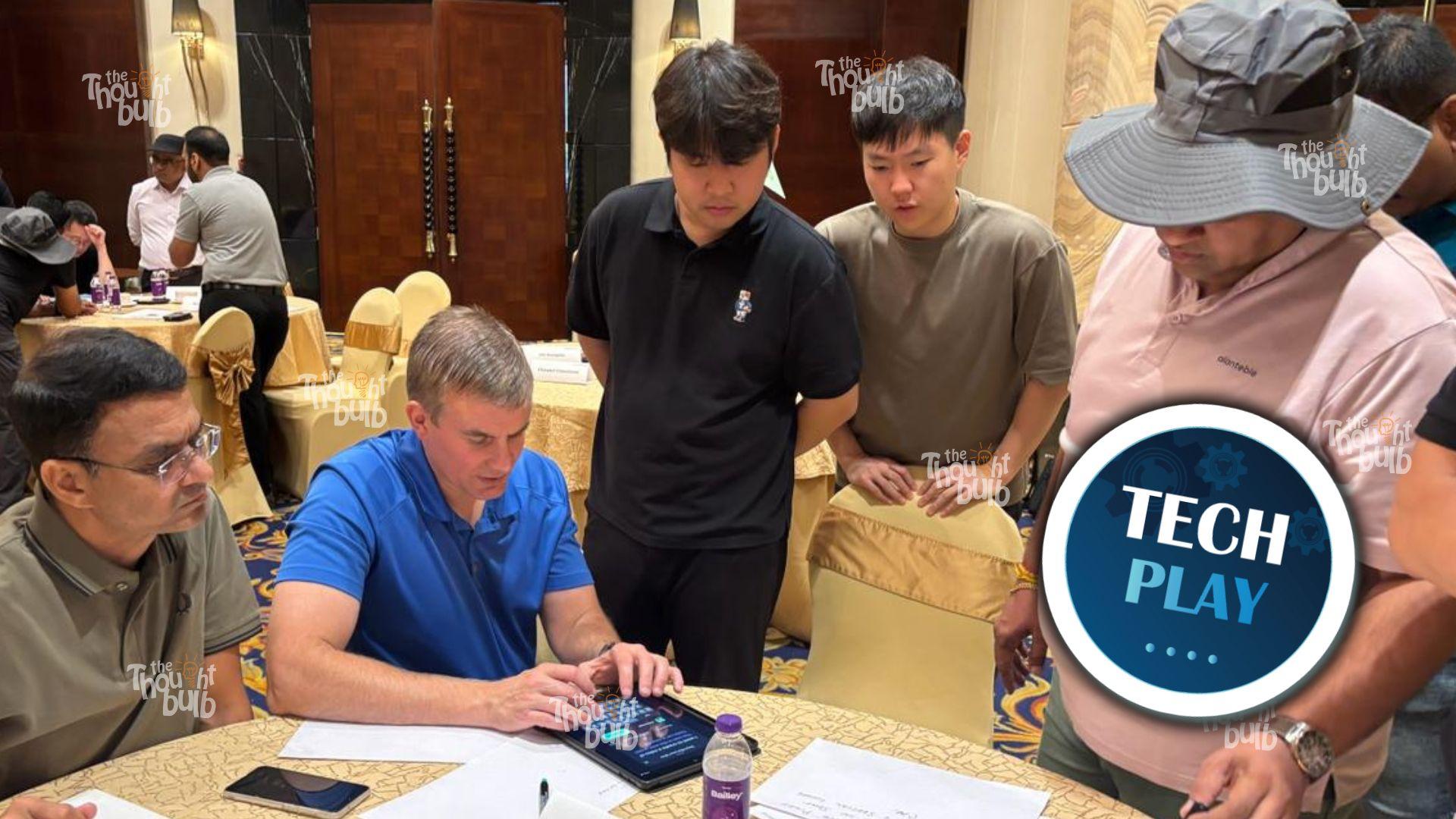
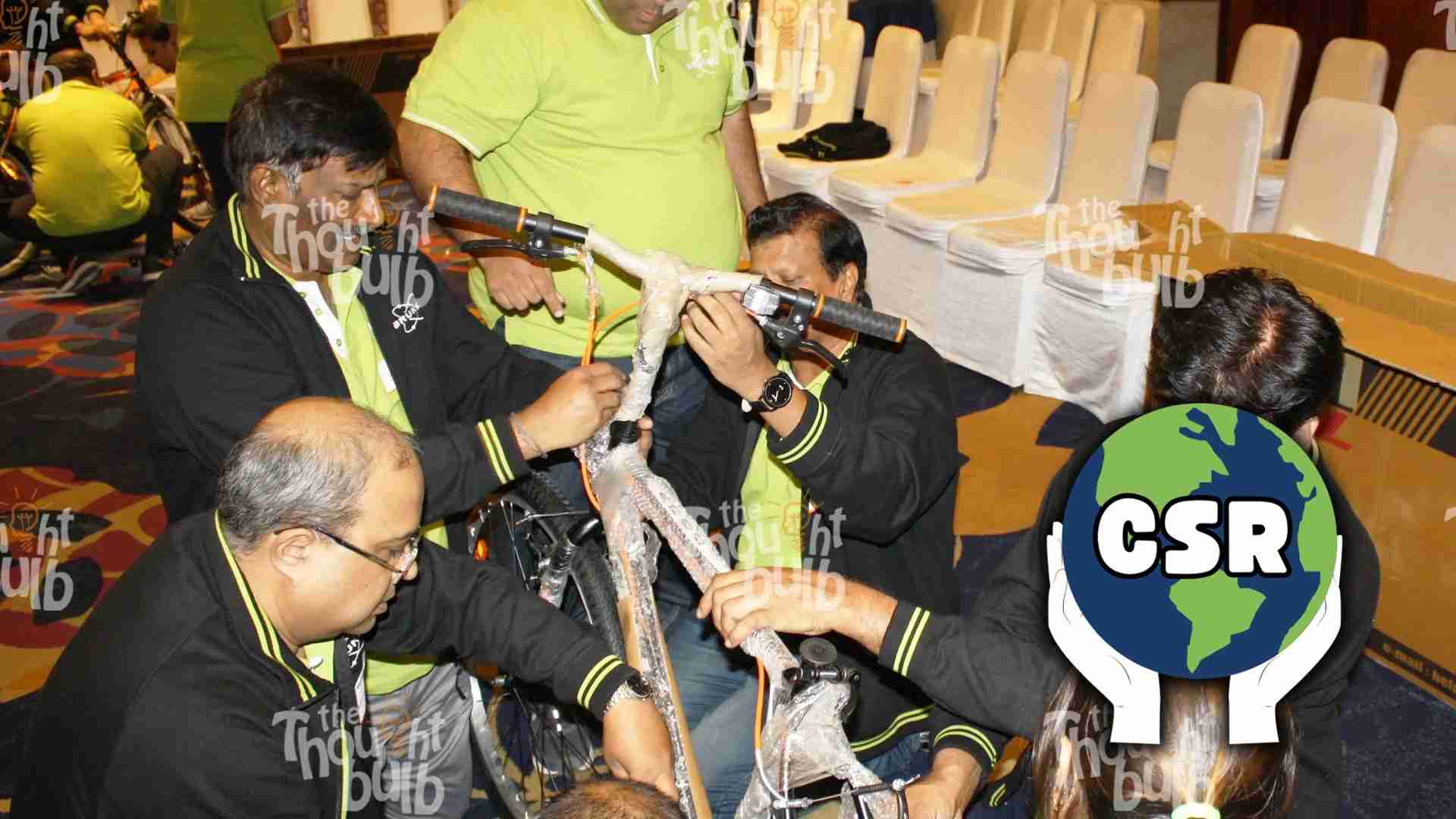
Build A Bicycle puts mixed teams to work assembling fully working bicycles from parts. Teams earn components and technical support through mini-challenges, make quick decisions about resources and priorities, and finish with a race. It mirrors the way pharma teams work: precise steps, shared accountability and a result that has to function. The bicycles can then be donated to children, which adds a meaningful CSR layer that healthcare teams especially value.
Virtual: Health & Wellness Challenge
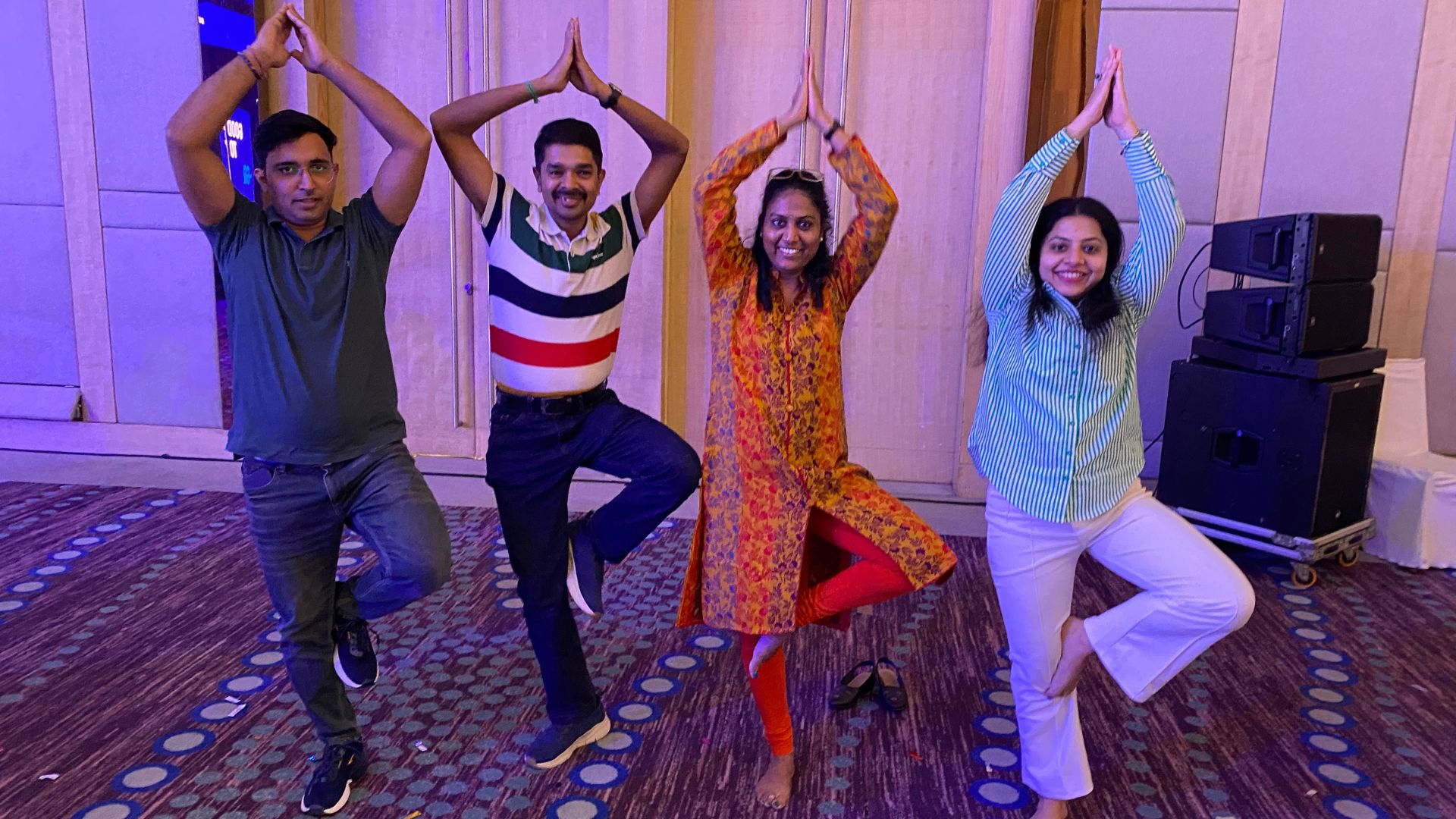
For field forces and shift teams who can rarely gather, the Health & Wellness Challenge runs virtually over a set period. Teams compete on healthy habits such as steps, hydration, mindfulness and sleep, with leaderboards that keep momentum going across cities. It suits people who spend their working lives caring for others and rarely prioritise their own wellbeing, and it lets a rep in Lucknow and a plant supervisor in Sikkim be on the same team.
If most of your people are spread across territories, explore our full range of virtual team building experiences built for distributed teams.
Case Study: Helping A Pharma Leadership Team Stabilise
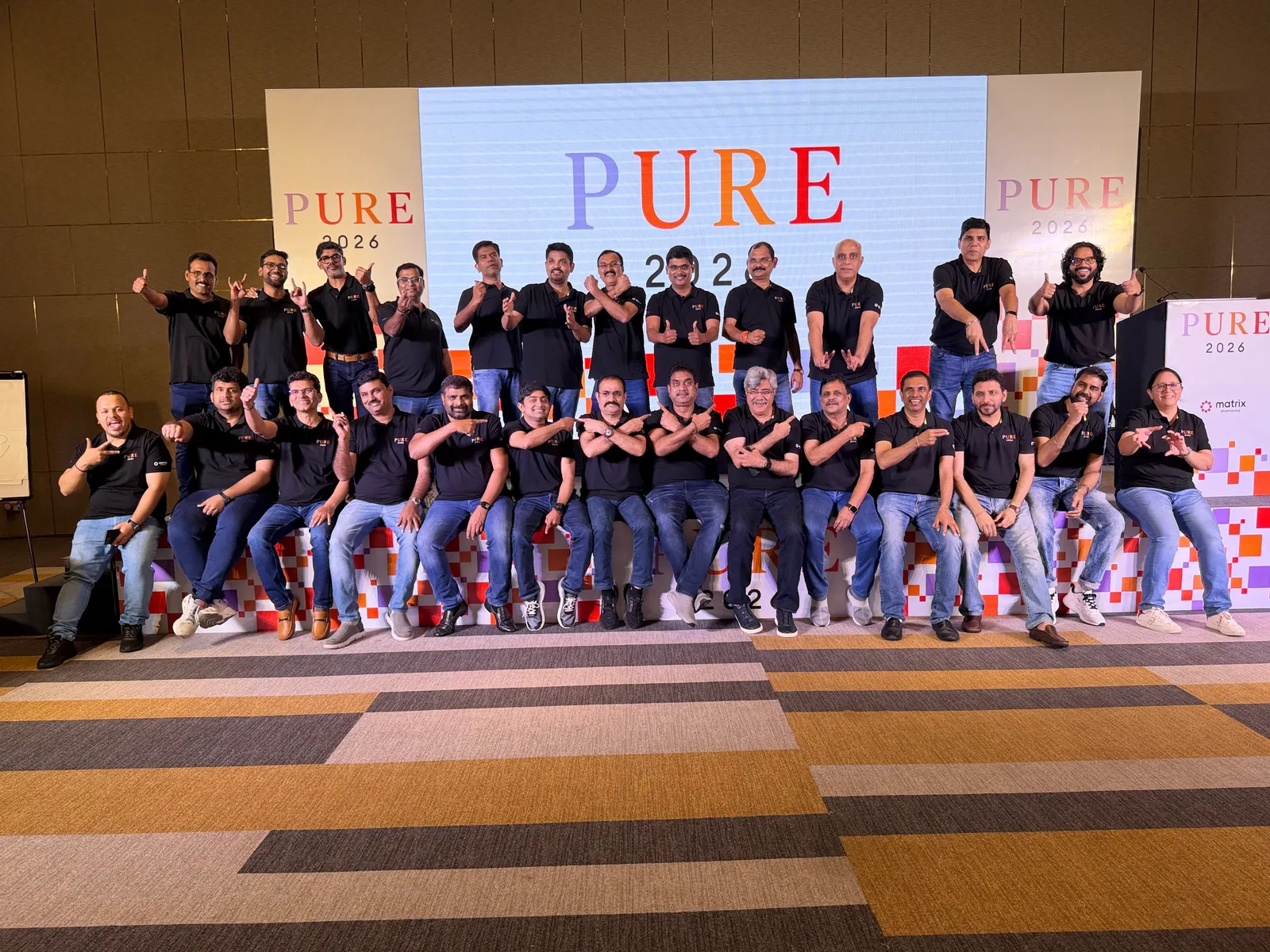
Matrix Pharmacorp, an API manufacturer supplying pharmaceutical companies in more than 80 countries, brought its leadership team to Hyderabad for an offsite. The 35-member team had been through two to three years of organisational and leadership change, and many of its members were new to each other. The offsite theme was Stabilise, and the client wanted one high-impact activity rather than several rushed ones, with no heavy classroom-style debrief.
The Thought Bulb ran Build A Bike as the single centrepiece: about two hours in four mixed teams, ending with a slow bike race. Leaders worked outside their usual groups and had to adapt as plans and instructions changed. A short facilitator-led conversation of around 10 to 15 minutes then explored what helped teams succeed, where communication broke down or improved, and one behaviour each leader would carry back to help the organisation stabilise.
You can read this and other pharma and life sciences stories on our case studies page.
A 90-Day Plan For Pharma And Healthcare HR Leaders
Use the first quarter of 2027 to build a rhythm rather than a one-off event. Here is a simple sequence:
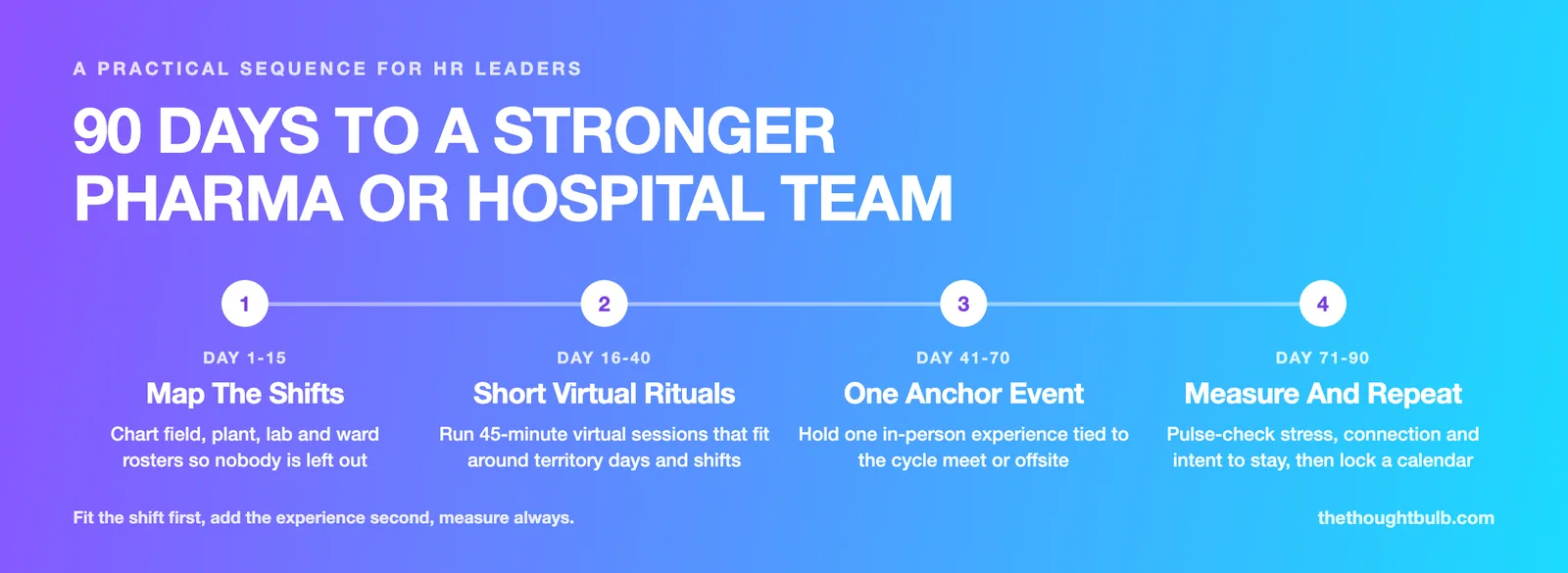
Day 1 to 15, Map the shifts: chart field, plant, lab and ward rosters so you know who can join when, and nobody is left out by default.
Day 16 to 40, Short virtual rituals: run 45-minute virtual sessions that fit around territory days and shift changes, and keep them light and social.
Day 41 to 70, One anchor event: hold one in-person experience tied to an existing cycle meet, sales conference or leadership offsite.
Day 71 to 90, Measure and repeat: pulse-check stress, connection and intent to stay, then lock a quarterly engagement calendar for the year.
To plan the rest of the year around festivals, awareness days and team moments, use our employee engagement calendar as a starting point.
Common Mistakes To Avoid
Scheduling one event at a time that only the day shift or head office can attend.
Turning every gathering into another training session, which teams quietly resent.
Ignoring the field force because they are hard to reach, which is exactly why they feel disconnected.
Running an activity with no follow-up, so the energy fades within a week.
Bringing It Together
Pharma and healthcare teams carry heavy responsibility, long hours and constant pressure, and the data shows that pressure is rising. The good news is that they respond strongly to experiences that are short, hands-on and purposeful. Fit the format to the shift, use the gatherings you already have, mix functions on purpose and measure what changes. If you are planning a cycle meet, leadership offsite or January kick-off for a pharma or healthcare team, The Thought Bulb can help you design an experience that works around your people, not against them.