Every August, a familiar scene plays out across Indian offices. Someone from HR sends a mail about a tricolour dress code, a few flags go up near reception, a patriotic playlist runs on loop, and by 11 AM everyone is back at their desks. Independence Day gets marked, but it rarely gets used. That is a missed opportunity, and in 2026 it is an expensive one.
Indian workplaces are in the middle of a genuine engagement problem. Employees are showing up but switching off, managers are stretched thin, and the usual perks are not moving the needle. Independence Day is one of the very few days in the corporate calendar when a shared identity is already in the room. You do not have to manufacture common ground. Handled well, 15 August becomes a low-cost, high-signal moment to rebuild connection across hybrid, multi-city, and multilingual teams.
This guide covers what the data says about engagement in India right now, and 12 Independence Day celebration ideas that work for offices, remote teams, and everything in between.
Why Independence Day Matters More in 2026
The engagement picture in India has deteriorated sharply, and the numbers are worth sitting with before you plan anything.
Only 23 percent of Indian employees report being engaged at work, down from 30 percent a year earlier, according to Gallup's State of the Global Workplace 2026 report. That is India's lowest reading in four years.
Workplace disengagement is estimated to cost India roughly 351 billion dollars a year in lost productivity, equal to about 9 percent of GDP.
In South Asia, driven largely by India, manager engagement fell by eight points in a single year, the steepest regional decline Gallup recorded.
Globally, engagement sits at 20 percent, its lowest level since 2020, with an estimated 10 trillion dollars in lost productivity.
Attrition in India cooled to 17.1 percent in 2025 and is projected to settle near 13.6 percent in 2026, per Aon's survey of over 1,060 companies. Retention is stabilising, but engagement is not.
Read those together and a pattern emerges. People are staying, but they are not invested. That gap is exactly what a well-designed celebration can close, because engagement in India is strongly tied to belonging and collective identity rather than individual perks. A day built around shared national pride is one of the rare occasions when belonging is the natural theme rather than a forced one.
The difference between a ritual and an experience
A ritual is something that happens to your team. An experience is something your team does together. Flag hoisting followed by sweets is a ritual. A cross-functional challenge where people from four departments have to collaborate to build something is an experience. Both have a place, but only one produces the conversations, photographs, and inside jokes that people still reference in November.
Independence Day Celebration Ideas for In-Office Teams
If your team is coming to the office on or around 15 August, use the physical space. These ideas work in a cafeteria, an atrium, a parking area, or any open floor you can clear for two hours.
1. Tricolour art wall
Set up a large blank canvas or paper wall in the reception area. Each team gets a section and a colour palette, and by end of day the panels combine into one composition. It is visual, it is asynchronous, and people who hate performing in front of others can still take part.
2. Regional food potluck with a twist
Instead of a generic potluck, ask each person to bring or order one dish from the state their family is from, along with a two-line story about it. India's diversity is the point of the day. This turns lunch into an actual conversation instead of a queue.
3. Freedom fighter mystery quiz
Run a short quiz where clues about a freedom fighter, a movement, or a landmark unlock the next round. Keep it under 30 minutes, keep the questions winnable, and mix history with pop culture so it does not become an exam.
4. Office olympics, tricolour edition
Short, silly, physical rounds with saffron, white and green team colours. Sack races, ring tosses, and relay games work because they need no skill and produce instant laughter. This is the single easiest format to run with a large group and a small budget.
5. Handmade flags for a local school
Combine celebration with contribution. Teams assemble kits, craft materials, or care packages that get delivered to a nearby government school or NGO. It gives the day a purpose beyond the office and consistently rates highest in post-event feedback.
If you want the celebration to carry a genuine social impact component rather than just a photo opportunity, our CSR team building activities are built around exactly this kind of give-back structure.
Ideas That Work for Remote and Hybrid Teams
Most Indian companies now run some version of hybrid, which means half your workforce experiences 15 August as a calendar invite. These formats are designed for a screen and still land.
6. Virtual India treasure hunt
Teams race through clues spanning Indian geography, history, cinema, and food, solving puzzles in breakout rooms against a clock. It scales from 20 people to several hundred and needs nothing more than a laptop.
7. Desk decor contest
Everyone decorates their home workspace, submits one photo, and the team votes. Low effort, high participation, and it produces a gallery you can reuse in internal comms all year.
8. Talent showcase
A 45-minute open mic for patriotic songs, poetry, instruments, or dance. In distributed teams this is often the first time colleagues see each other as full people rather than tiles in a grid.
9. Storytelling circle
Ask five volunteers to share a two-minute story about what home or independence means to them. It is quiet, it is unglamorous, and it builds more psychological safety than any icebreaker.
For teams spread across cities and time zones, our virtual team building formats are designed to hold attention on video rather than fight it.
Two Formats We Run Most Often Around 15 August
Across hundreds of programmes, two experiences consistently do the heavy lifting for Independence Day and national-identity themed events. One is in-person, one is virtual, and most clients run a version of both so nobody is left out.
Colors of India Challenge
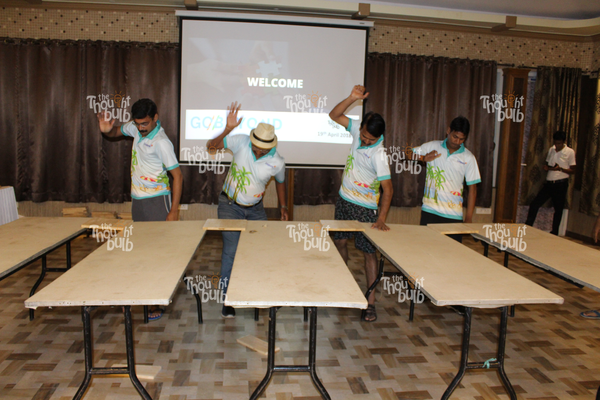
Teams work through a series of creative and collaborative rounds inspired by India's regional art, colour, and craft traditions, building toward one combined final piece. It is hands-on, it needs no prior skill, and it produces a physical artefact the office keeps on the wall long after the day ends. For groups of 50 to 500 in a hall or open space, it is the most reliable choice we have.
Incredible India Treasure Hunt
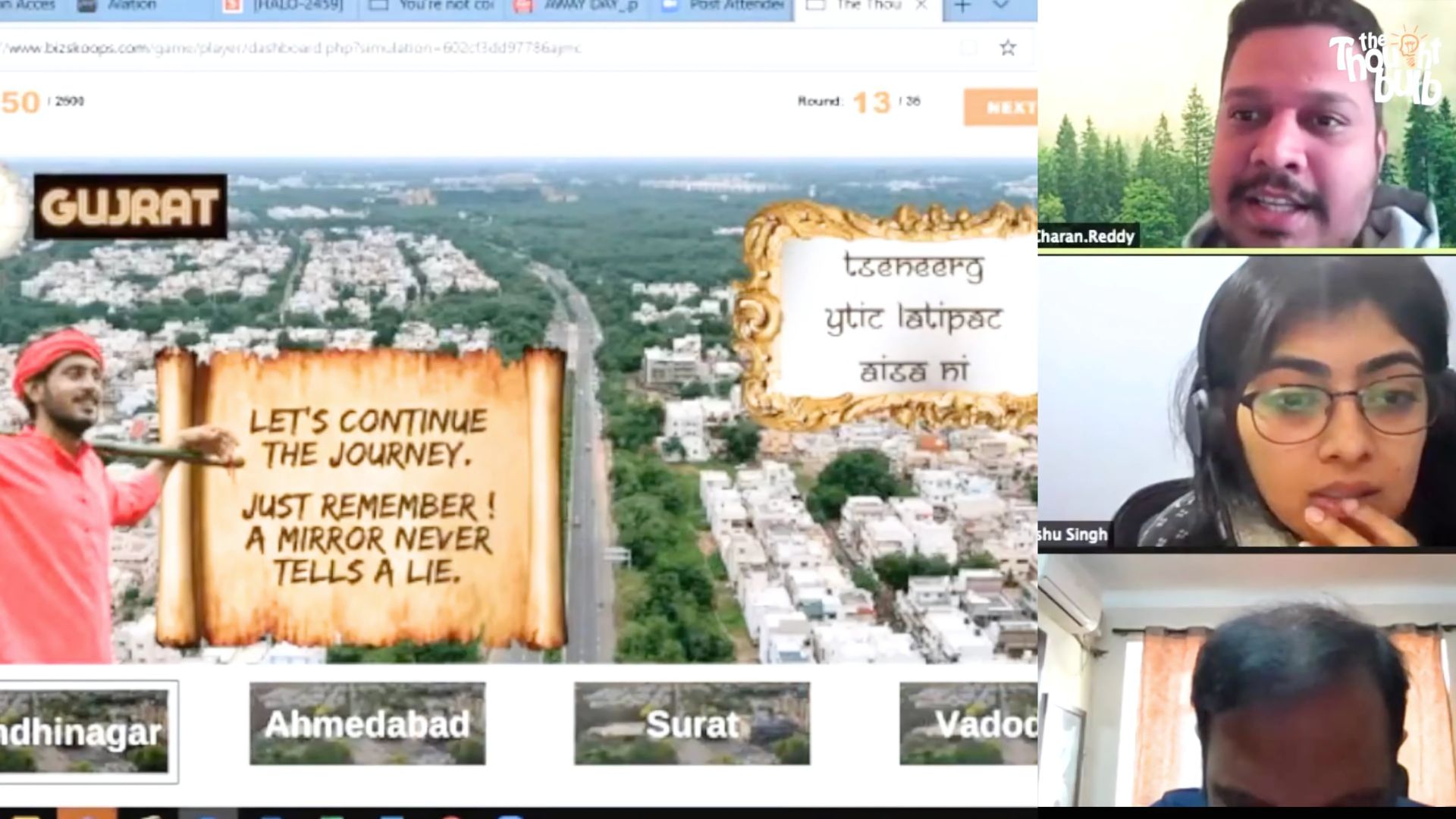
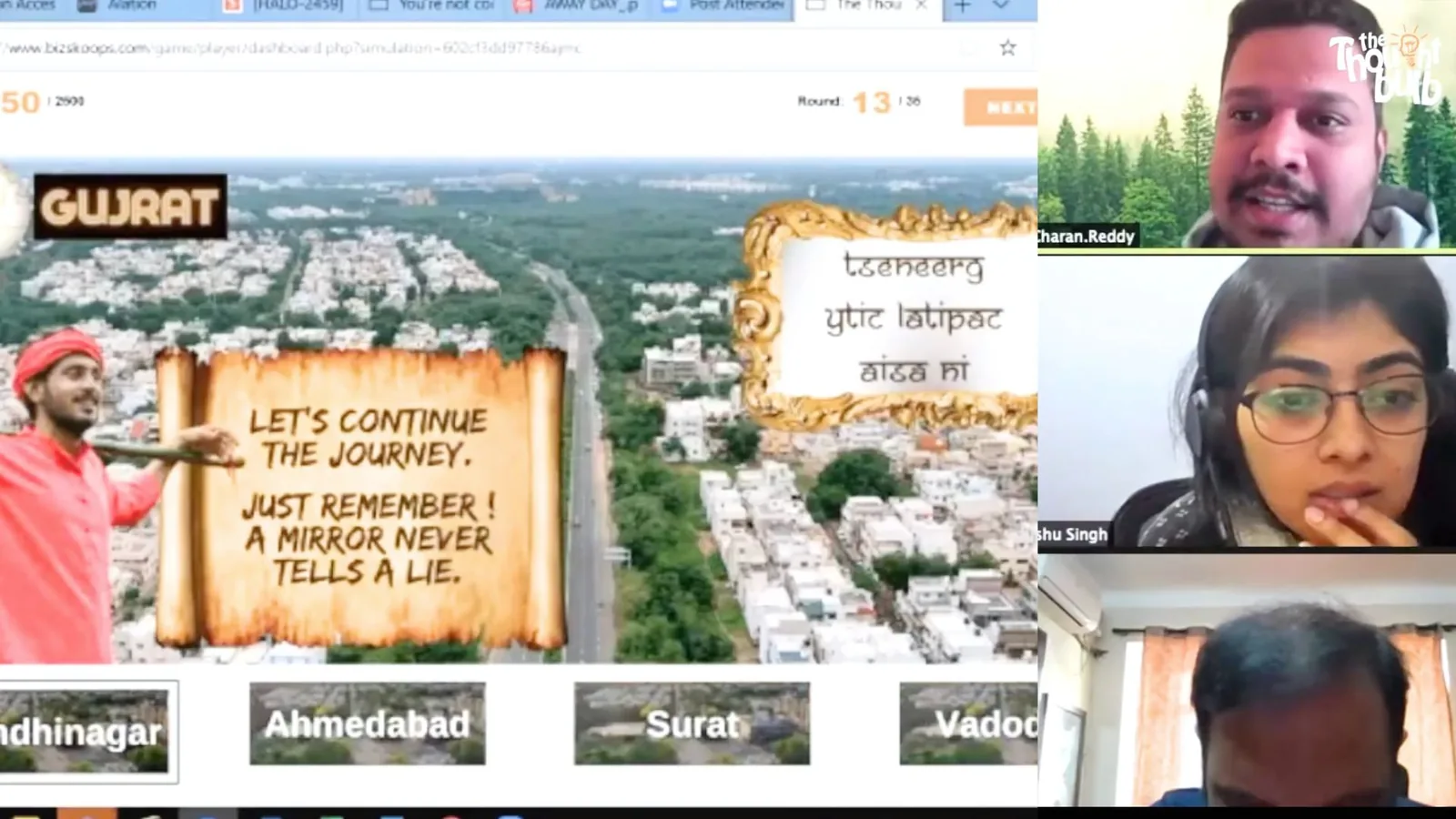
The virtual counterpart. Teams compete through clue trails covering Indian landmarks, languages, festivals, and history, with a facilitator keeping the pace tight and the scoreboard live. It runs in 90 minutes, works across time zones, and gives remote colleagues the same shared story as the people in the office.
You can browse the full range of experiences, filtered by format and group size, on our activities page.
What This Looks Like in Practice: Siemens
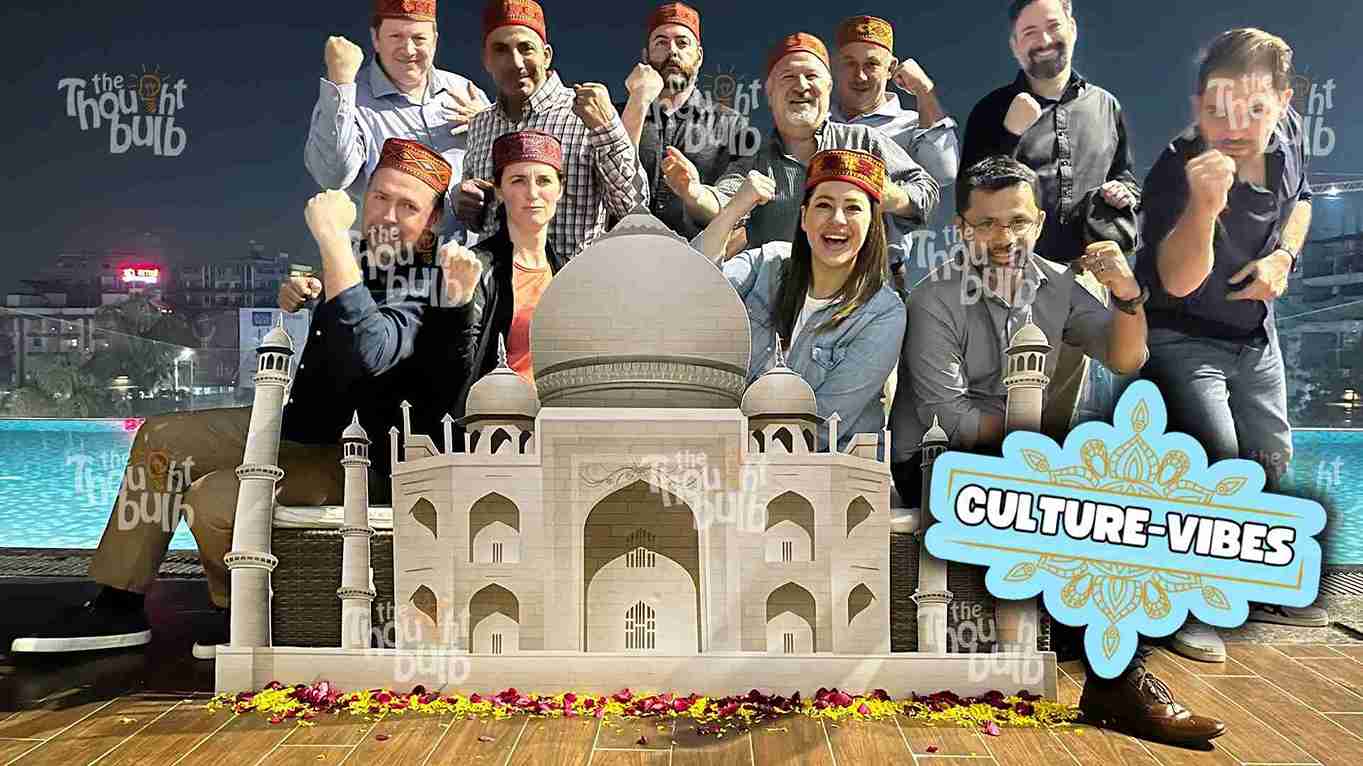
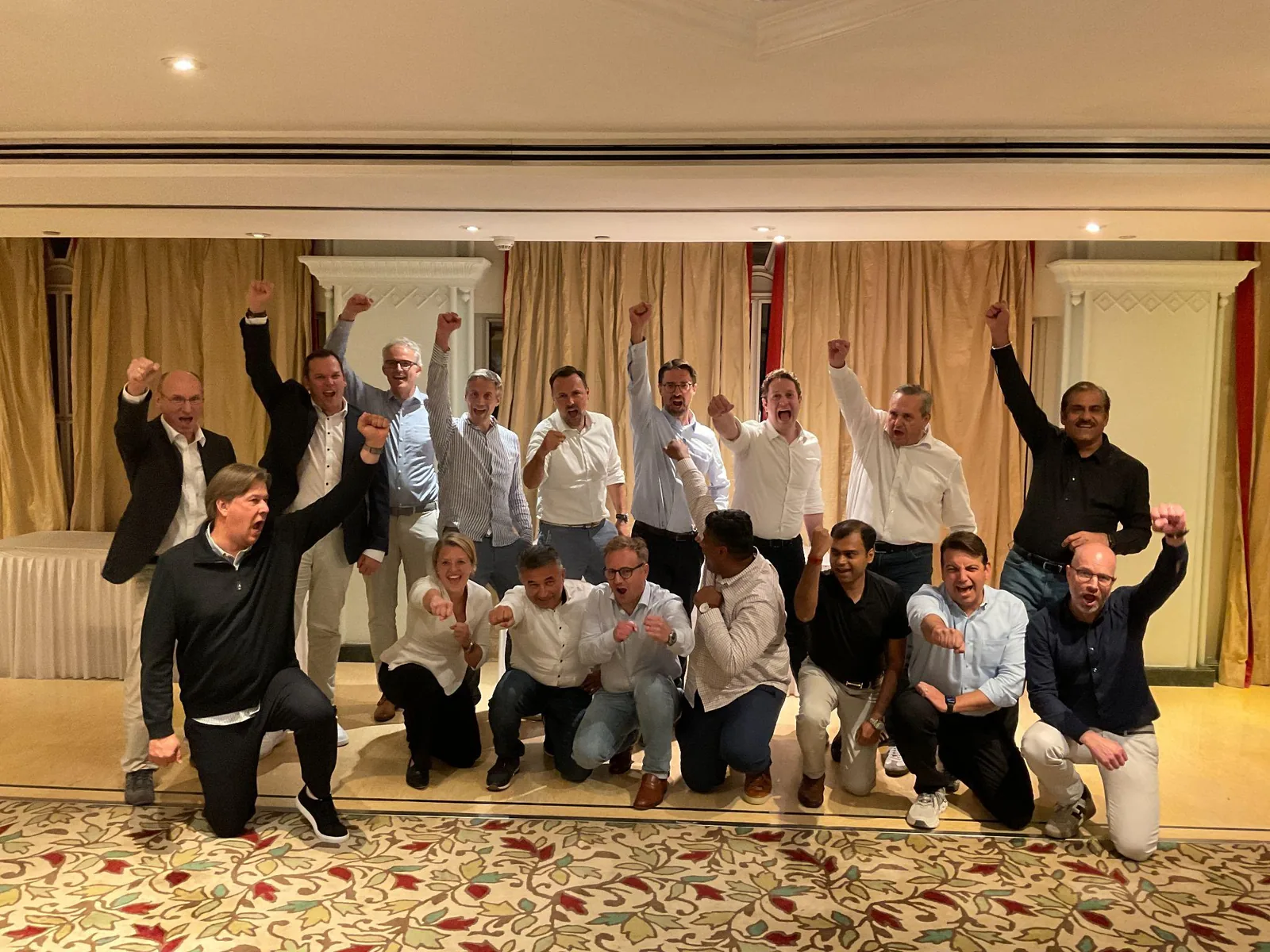
Siemens brought together a global leadership group in Mumbai for a session built around the Colours of India Challenge. The participants came from multiple countries and had limited exposure to India beyond business travel, so the brief was twofold: get a senior, geographically scattered group collaborating quickly, and give them a genuine point of cultural connection rather than a scripted tour.
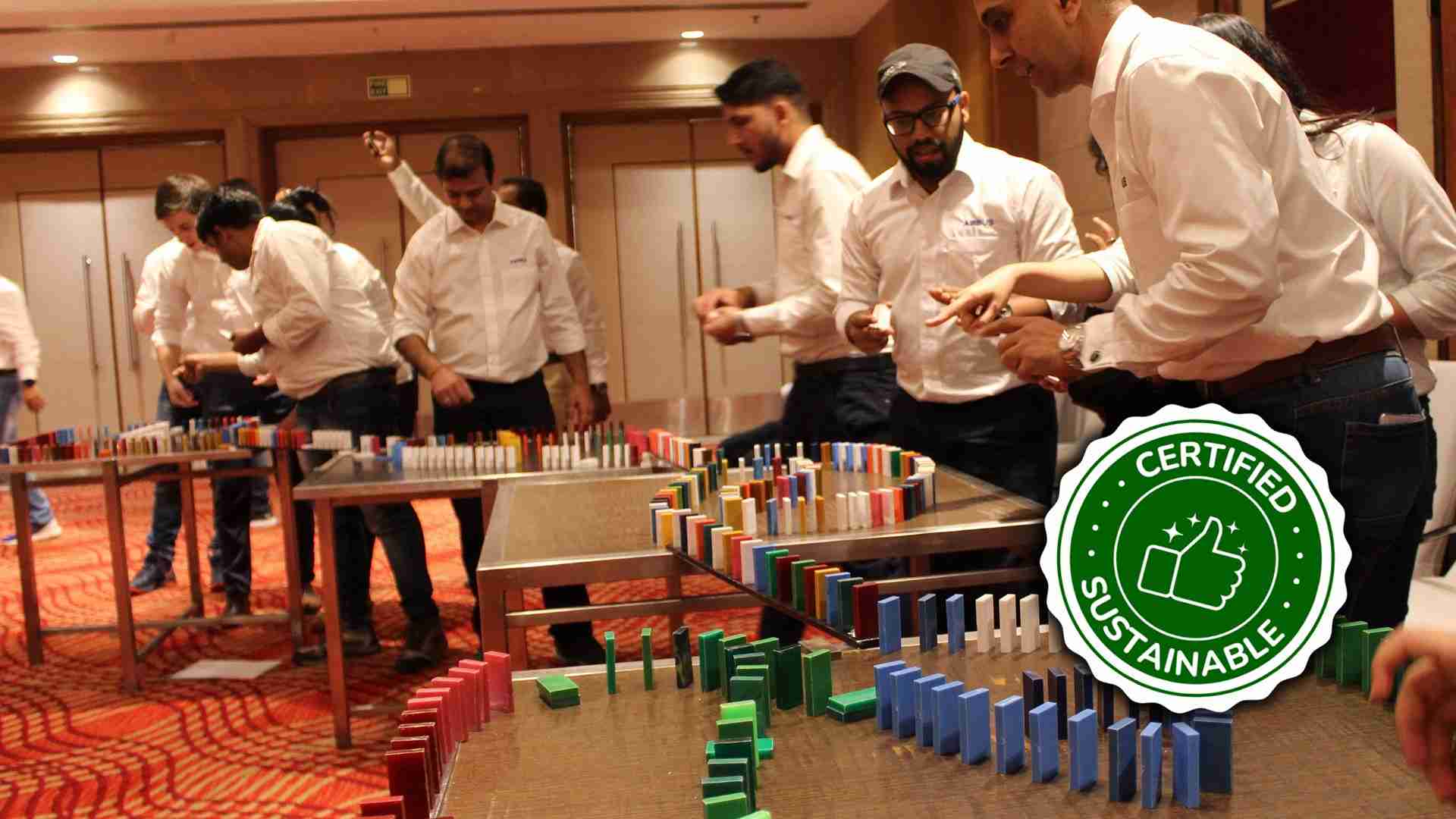
The format did the work. Leaders who had only met on calls were sorting materials, negotiating design decisions, and finishing each other's sections within the first 20 minutes. The finished collaborative artwork became the visual anchor for the rest of the offsite. What made it stick was not the craft, it was that the activity gave senior people a low-stakes reason to talk to each other before the high-stakes agenda began.
More examples of how organisations have used these formats are documented in our case studies.
How to Plan It Without Overloading Your HR Team
Independence Day planning usually lands on one or two people who already have a full plate. A few practical constraints make it manageable.
Pick one anchor activity, not five. A single well-run 90-minute experience beats a scattered day of half-finished things.
Decide the format by group size first. Under 40 people gives you flexibility. Over 150 and you need a format built to scale, or you will lose the back half of the room.
Block the calendar two weeks out. Late invites get declined, and low turnout is what makes these days feel flat.
Give managers a role. Given the eight-point drop in manager engagement in the region, handing managers a visible part to play helps them as much as their teams.
Budget for one memorable thing rather than many forgettable ones. Teams remember the experience, not the goodie bag.
Plan the debrief. Ten minutes at the end connecting the activity back to how the team actually works is what turns an event into a takeaway.
A note on inclusion
Independence Day is a national occasion, and your team almost certainly includes people from different states, languages, faiths, and in many cases different countries. Frame the day around shared identity and curiosity rather than competition over who is more patriotic. The teams that get this right end up with people teaching each other about their home regions, which is a far better outcome than a dress code.
Measuring Whether It Actually Worked
Most Independence Day activities are never measured, which is why budgets for them get questioned. You do not need a formal survey. Three simple checks tell you most of what you need.
Participation rate: what share of invited employees actually showed up and stayed to the end.
Cross-team mixing: did people talk to colleagues outside their immediate function, or did they sit with their usual group.
Two-week recall: ask a handful of people a fortnight later what they remember. If nothing comes to mind, the format was wrong, not the people.
If you want to go further and build a repeatable measurement approach across the year, we have written separately on how to measure the ROI of team building.
The Bigger Point
With engagement in India at a four-year low and disengagement costing the economy close to 9 percent of GDP, a single day in August is not going to fix your culture. But it is a genuinely useful lever, because it is one of the few occasions where the reason to come together is already understood by everyone in the room. You are not selling people on why they should care.
Use it as a starting point rather than an annual box to tick. The offices where 15 August works are the ones where it connects to something ongoing, whether that is a recognition programme, a CSR commitment, or a simple habit of getting teams into the same room more often.
If you are planning something for this Independence Day and want a format that fits your group size, location, and budget, we are happy to talk through the options. Most of our August programmes get locked in during the last week of July, so earlier conversations give you more room to choose.