The lights are down, the sweet boxes are empty and the Diwali bonus has landed. For many Indian HR leaders, the weeks that follow bring a quieter worry: resignation letters. People who spent the year weighing their options suddenly have a financial cushion and a fresh start in the calendar. Retention in this window is rarely won by a last-minute counter-offer. It is won by whether people feel seen, connected and growing at work long before the notice period begins. This guide explains why post-Diwali attrition happens, what the data says, and a practical 90-day plan to keep your best people.
Why Attrition Rises After Diwali
The bonus removes the financial pressure to stay
A festive bonus, a year-end payout or a completed vesting cycle gives employees breathing room. Someone who felt unable to leave in August can now afford a gap between jobs or a notice period. The money itself is not the cause of resignation, but it removes the last practical reason to hold on when engagement is already low.
The calendar invites reflection
Diwali is a natural pause. People spend time with family, compare notes with friends in other companies and return to work asking whether this is where they want to spend next year. If their answer is uncertain, recruiters calling in November find a very receptive audience.
Appraisal season is around the corner
Many Indian companies run appraisals between January and April. Employees who expect a disappointing hike or a stalled promotion often decide to move before the conversation happens. Hiring plans also reopen in the new financial quarter, which makes October to December an active window for offers.
What the Data Says About Indian Workplaces
The numbers explain why retention deserves attention even when headline attrition looks calmer than it did a few years ago. Here is what recent research shows:
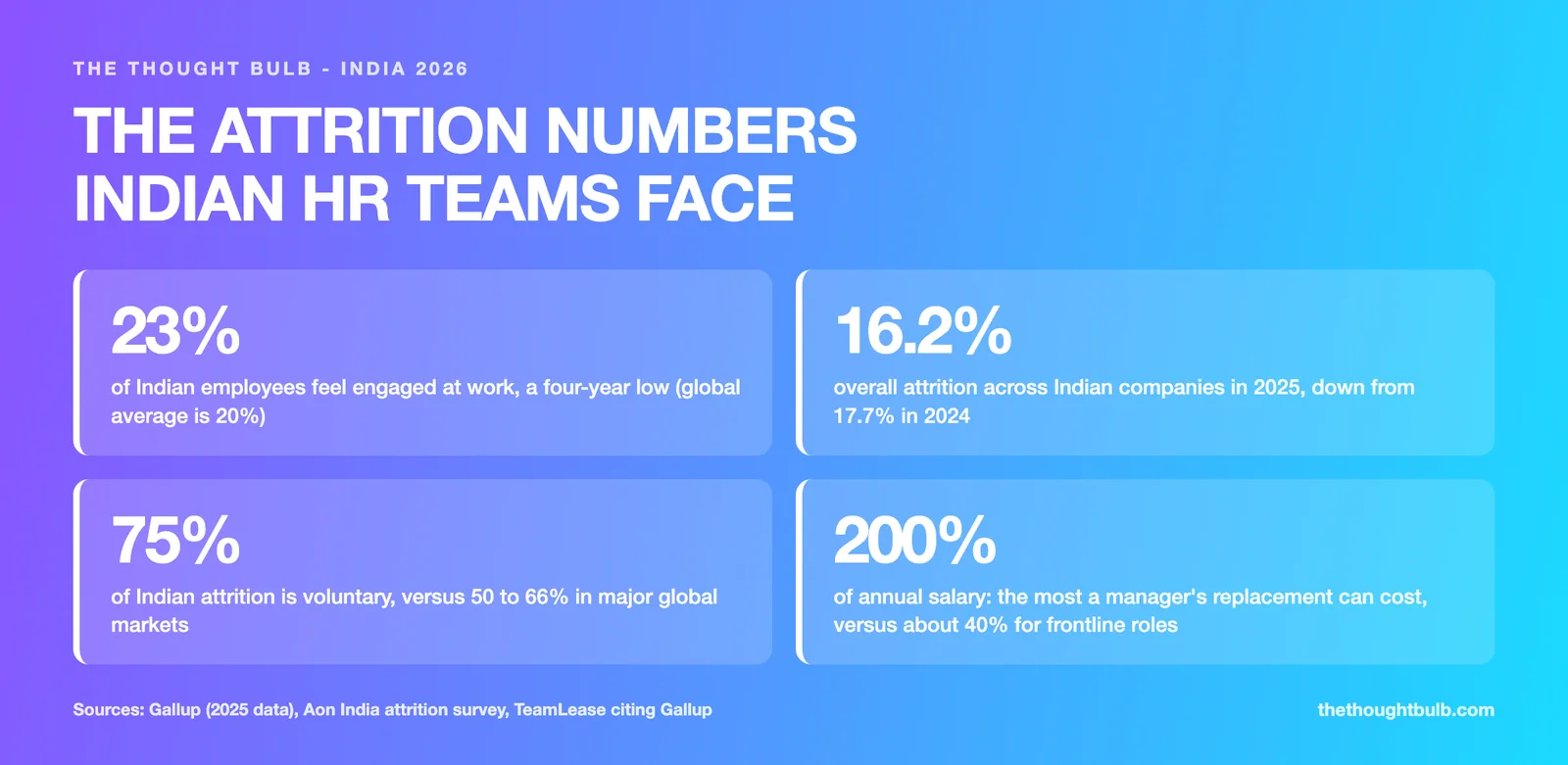
Gallup reported that 23 percent of Indian employees felt engaged at work in 2025, the lowest level in four years, although still above the global average of 20 percent.
Aon's India survey put overall attrition at 16.2 percent in 2025, down from 17.7 percent in 2024 and 18.7 percent in 2023.
Around 75 percent of attrition in India is voluntary, compared with 50 to 66 percent in major global markets, according to Aon consultants quoted in Business Today.
Salary increments have historically averaged about 9 percent a year, which leaves little room to win retention on pay alone.
TeamLease, citing Gallup, notes that replacing a manager can cost up to 200 percent of annual salary, while replacing a frontline employee costs around 40 percent.
Read together, these figures tell a clear story. Attrition has eased, but three quarters of it is still a choice people make, and only about one in four employees feels engaged. That gap between choosing to stay and feeling connected is exactly where culture and team experiences do their work.
The Real Cost of Losing a Good Person
Attrition is easy to measure as a percentage and hard to feel as a cost. The invoice arrives in pieces: recruiter fees, interview hours, a vacant seat, a slower team and a new joiner who takes months to reach full speed. When a manager leaves, the damage spreads further because their team often loses direction and a few colleagues start updating their own profiles.
The hidden costs HR rarely tracks
Lost knowledge about clients, systems and unwritten rules of how work gets done.
Extra load on remaining team members, which feeds burnout and the next resignation.
Slower decisions while roles sit vacant or are covered informally.
Employer brand damage when exits are rushed or handled badly.
If you want to quantify the return on retention work before presenting it to leadership, our guide on measuring the ROI of team building shows a simple way to link engagement activity to business outcomes.
Four Levers That Keep People Beyond Diwali
1. Listen before anyone resigns
Stay interviews are short, structured conversations with current employees about why they stay, what frustrates them and what would make them leave. They work because they happen while there is still time to act. Ask your top performers three questions: what do you look forward to at work, what would you change tomorrow, and what would tempt you to leave?
2. Rebuild peer connection
People rarely leave a team they love. They leave managers they distrust, projects that feel pointless and colleagues they barely know. Shared experiences create the trust that makes a difficult quarter bearable, which is why a regular employee engagement calendar matters more than a single big celebration.
3. Make growth visible
Employees who cannot see their next step assume it does not exist. Pair each flagged person with a sponsor, agree one stretch assignment and share a clear view of the skills needed for promotion. You can explore how we build the next layer of managers through our leadership team building programmes.
4. Recognise effort in the moment
A bonus once a year does not replace a thank-you that arrives on the day the work was done. Simple, specific and public recognition from managers costs almost nothing and tells people their effort is visible.
Experiences That Rebuild Bonds After the Festive Break
The first weeks after Diwali are an ideal moment for a shared experience. Energy is high, teams are back together and there is a natural reason to celebrate the year. Two formats work especially well for retention.
In person: Bridge The Gap
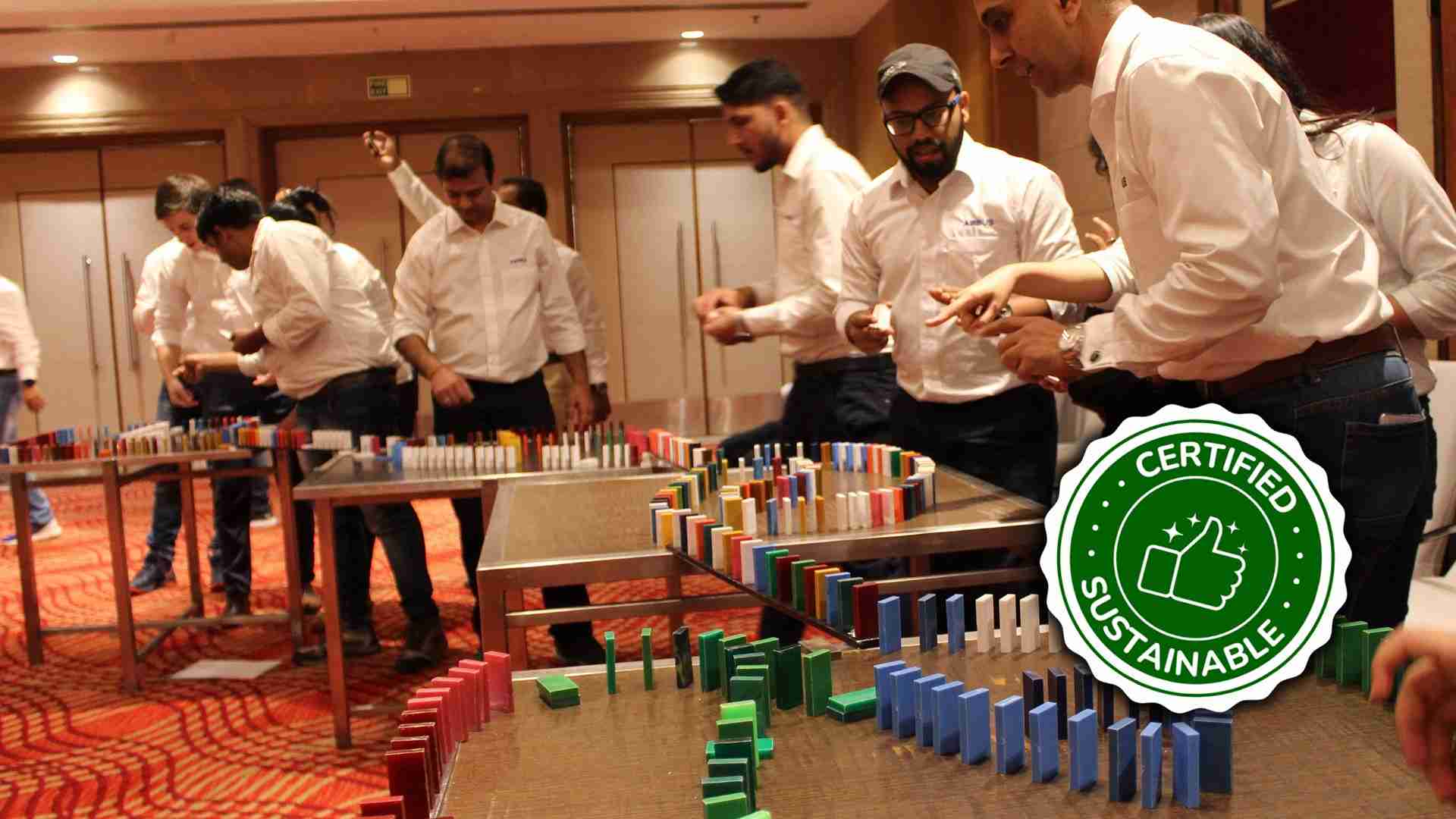
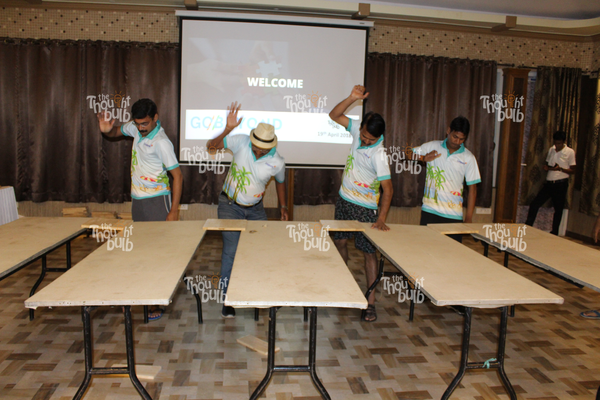
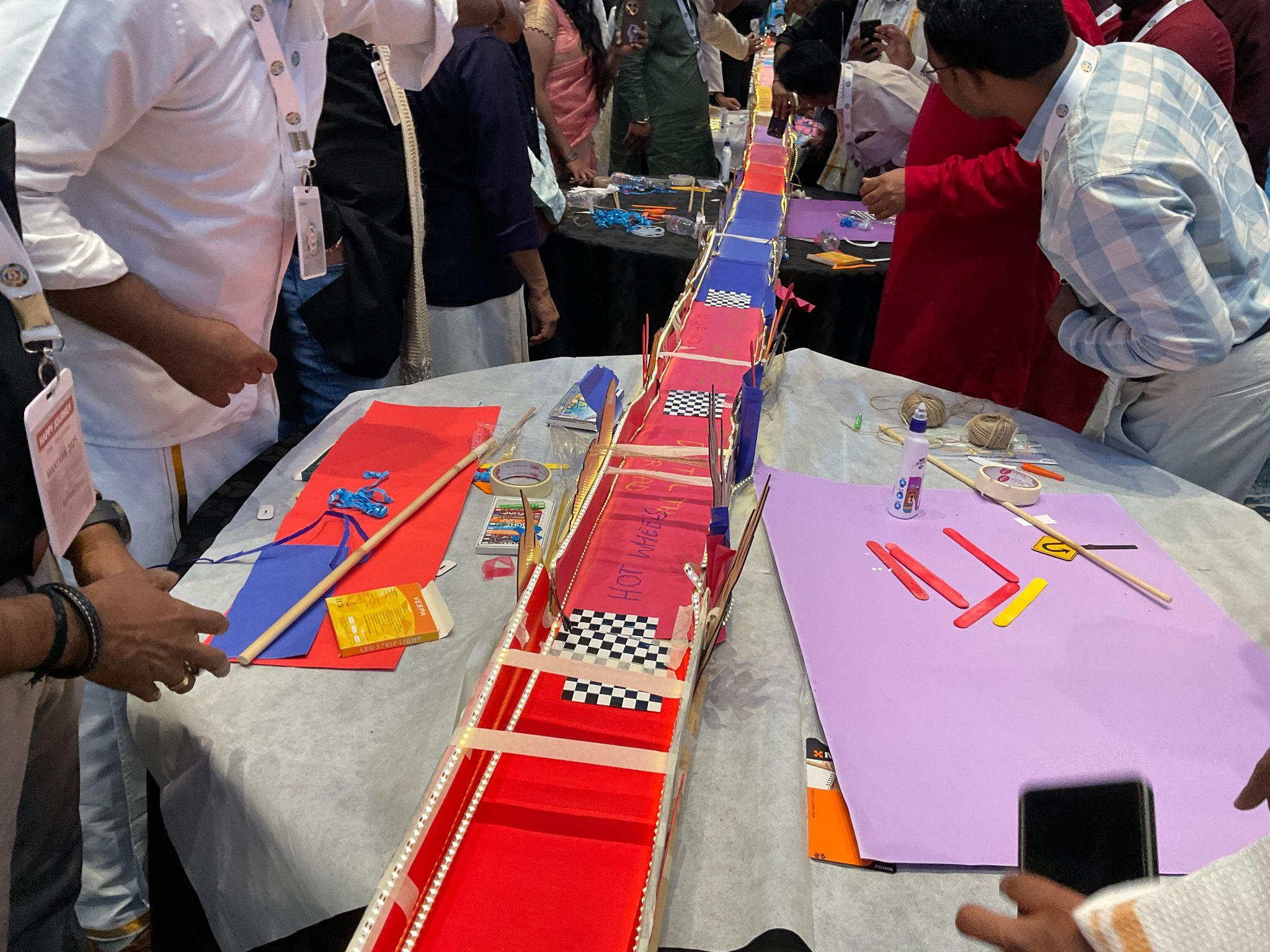
Bridge The Gap is a collaborative challenge where teams must coordinate under constraints, solve problems creatively and communicate clearly when the stakes feel real. It is well suited to groups that have grown apart across functions or locations, because the task cannot be completed without everyone contributing.

Virtual: Team Happiness Challenge
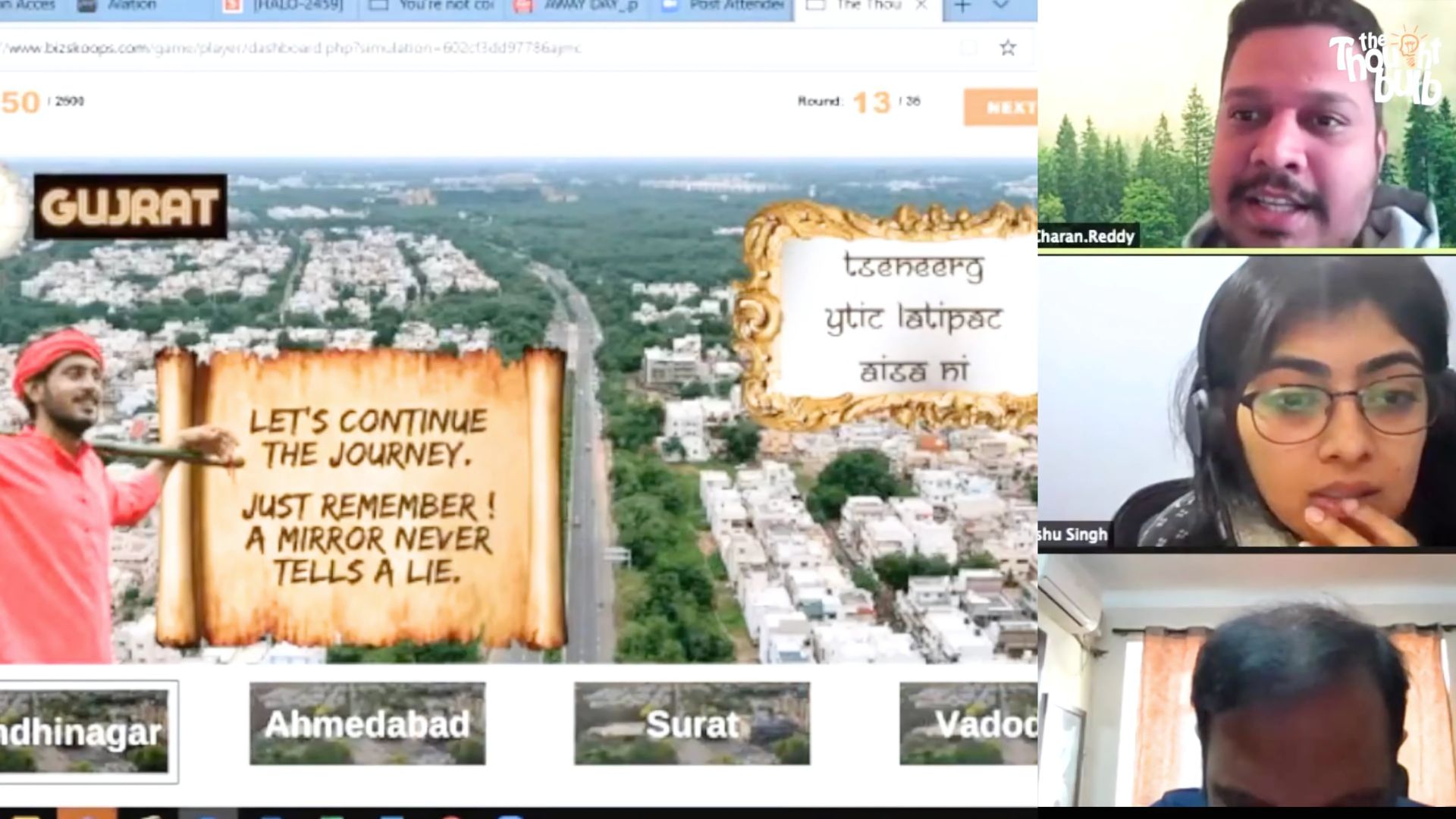
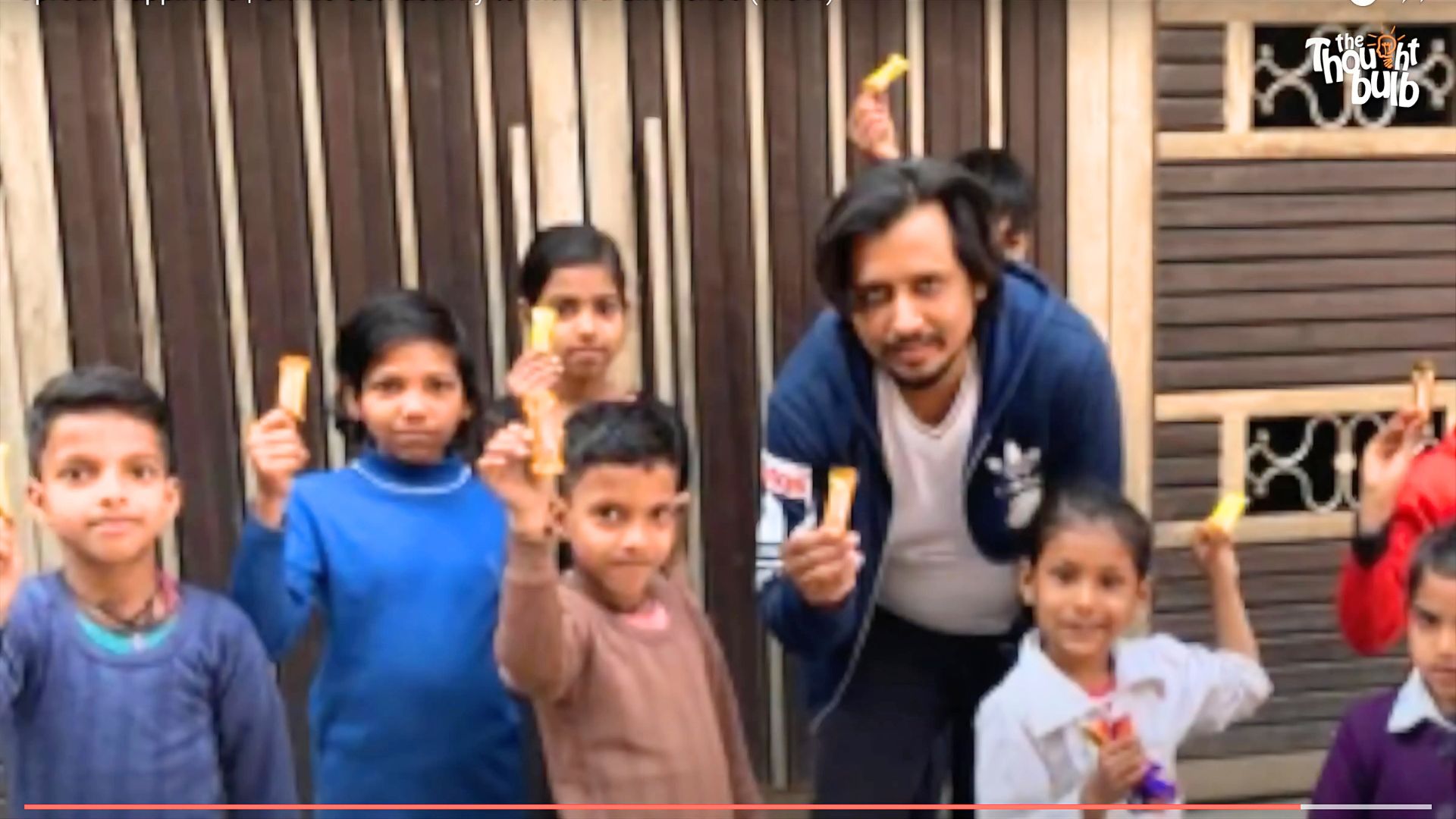
Hybrid and distributed teams need connection too. The Team Happiness Challenge is a virtual experience with a wellness focus, designed to help colleagues share moments, appreciate each other and reset after a demanding period, without anyone needing to travel.
Browse the full library on our activities page. If your people are spread across cities, start with our virtual formats.
For distributed teams, our virtual team building options give everyone the same experience wherever they log in from.
Retention Mistakes to Avoid
Waiting for the resignation letter. By the time a resignation arrives, the decision has usually been made, and a counter-offer treats the symptom rather than the reason.
Treating pay as the only lever. With increments averaging around 9 percent, other companies can match your number, but they cannot easily copy a team people trust.
Running one big event and calling it a strategy. Belonging is built through regular, small shared experiences, not a single party.
Ignoring managers. People often leave managers rather than companies, so coach your middle layer before you invest in perks.
Avoiding these four traps puts you ahead of most organisations, because it shifts retention from a reaction into a habit.
Case Study: Bridge The Gap With Siemens in Mumbai
Siemens, a long-standing client, returned to The Thought Bulb for a Bridge The Gap programme in Mumbai. The session brought together 400 participants in 40 teams. Energisers opened the day, then each team tackled the challenge, which demanded coordination across constraints and clear communication. The mixed demographics of the group produced unexpected solutions, and a team of four to five facilitators looked after the full room.
The outcome was the one HR leaders care about most: a repeat engagement, which reflects how participants and sponsors valued the experience. Read more in our case studies library.
A 90-Day Retention Plan You Can Start This Week
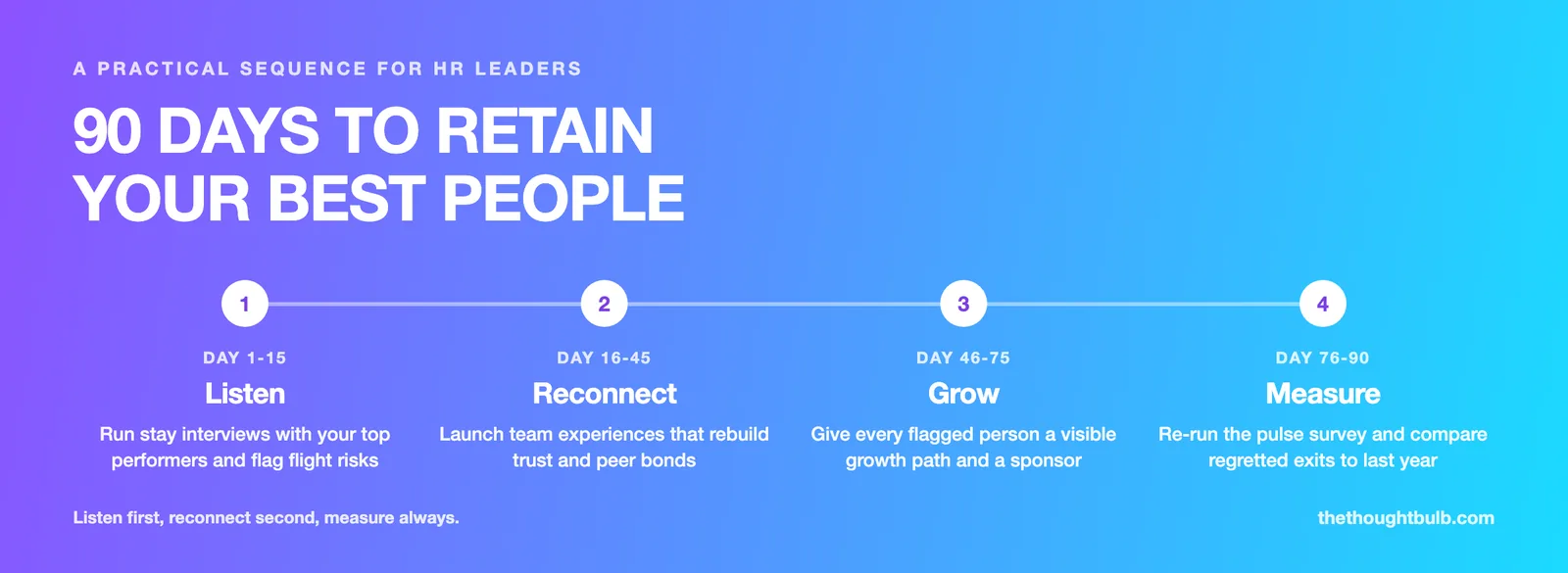
Retention work fails when it is a one-off event. Use this sequence to turn the post-Diwali window into a steady programme:
Days 1 to 15, Listen: run stay interviews with your top performers and flag anyone who looks like a flight risk.
Days 16 to 45, Reconnect: launch team experiences, in person or virtual, that rebuild trust and peer bonds.
Days 46 to 75, Grow: give every flagged person a visible growth path, a stretch assignment and a sponsor.
Days 76 to 90, Measure: re-run a pulse survey and compare regretted exits with the same period last year.
Metrics worth tracking
Regretted attrition, meaning exits of people you wanted to keep, rather than overall attrition.
Pulse survey scores on belonging, manager trust and career clarity.
Participation and feedback scores from team experiences.
Internal moves and promotions among flagged employees.
Final Thoughts
Post-Diwali attrition is not inevitable. It is the visible end of months of small signals: unheard concerns, thin relationships and unclear growth. Companies that listen early, rebuild connection through shared experiences and make growth visible give people a reason to stay that no job offer can easily match. If you would like help designing a retention-focused experience for your teams, our team is happy to talk it through.