From the last week of August to the second week of November, the Indian workplace runs on a second calendar. Onam falls on 26 August 2026, Ganesh Chaturthi on 14 September, Navratri from 9 to 17 October, and Diwali on 8 November. For roughly eleven weeks, your people are booking flights home, hunting for gifts, negotiating leave, and mentally splitting their attention between quarterly targets and family obligations. Most HR teams treat this stretch as a productivity problem to be managed. The teams that get engagement right treat it as the single best window they get all year to build belonging, because for once, everybody actually wants to show up.
The catch is that most festive engagement in Indian offices is thin. A decorated lobby, a group photo, a WhatsApp forward, a box of sweets on every desk. It is pleasant and it is forgotten by Monday. What follows is a practical guide to using the 2026 festive run to move the numbers that actually matter, without turning your calendar into a costume parade.
Why the festive window matters more in 2026 than it did last year
The context has shifted, and not in a comfortable direction. Employee engagement in India has fallen sharply, which makes the goodwill that festivals generate for free considerably more valuable than it used to be.
Only 23 percent of Indian employees report feeling engaged at work in Gallup's State of the Global Workplace 2026 report, down from 30 percent a year earlier and the lowest level India has recorded in four years.
South Asia, driven largely by India, saw an eight point decline in manager engagement in 2025 - the steepest fall of any region globally.
Ninety one percent of Indian employees say they want work to feel like a community rather than a purely transactional arrangement.
Gallup puts the cost of the global engagement slump at roughly 438 billion US dollars in lost productivity.
Read those together and the case makes itself. Engagement is falling, managers are the weakest link, and what people say they want is community. Festivals are the one moment in the Indian calendar when community forms without anybody having to engineer it. Your job is not to manufacture enthusiasm. It is to give the enthusiasm that already exists somewhere useful to go.
Start with a plan, not a party
Map the eleven weeks before you book anything
The single most common mistake is treating each festival as a separate fire drill. Three weeks before Diwali, someone asks HR what we are doing this year, and the answer becomes whatever a vendor can deliver in fourteen days. Instead, lay the full window out in one view: Onam in late August, Ganesh Chaturthi in mid September, Navratri and Dussehra through October, Diwali in the first week of November, with Bhai Dooj closing it out on 10 November.
Then decide, per festival, what the moment is for. Onam and Ganesh Chaturthi work well as regional celebrations owned by the teams for whom they matter most. Navratri suits high energy, high participation formats. Diwali is the one moment where a company wide investment makes sense, because it is the only festival in the set that almost everybody marks in some form.
If you want a starting structure rather than a blank page, our employee engagement calendar maps the corporate occasions worth building around across the full year, including the regional festivals that most national plans quietly skip.
Budget in thirds
A useful rule for the festive window: allocate roughly a third of your budget to the small regional moments, a third to one properly designed company wide experience, and hold a third back for the recognition and gifting layer. Teams that spend eighty percent on a single Diwali evening usually end up with a good party and nothing else to show for the quarter.
Make regional festivals genuinely regional
India does not have one festive season. It has several running in parallel, and the difference between inclusion and tokenism is usually who is holding the microphone. A Bengaluru office marking Onam with a Kerala team leading the Sadya planning feels completely different from a central HR team ordering a banana leaf lunch and calling it done.
Ask the employees who celebrate a given festival to design the celebration, with HR handling logistics and budget rather than content.
Keep regional celebrations short and mid week - ninety minutes at lunch beats a three hour evening nobody can attend.
Build a rotating calendar so that over the year, Onam, Pongal, Bihu, Durga Puja, Eid, Christmas and Baisakhi all get a turn.
Record and share a two minute recap internally, so the Gurgaon office actually sees what Kochi did.
The output you are looking for is not attendance. It is the quieter signal that people from smaller regional groups stop feeling like guests in their own company.
Two festive formats that hold up under scrutiny
Colours of India Challenge - for in person teams
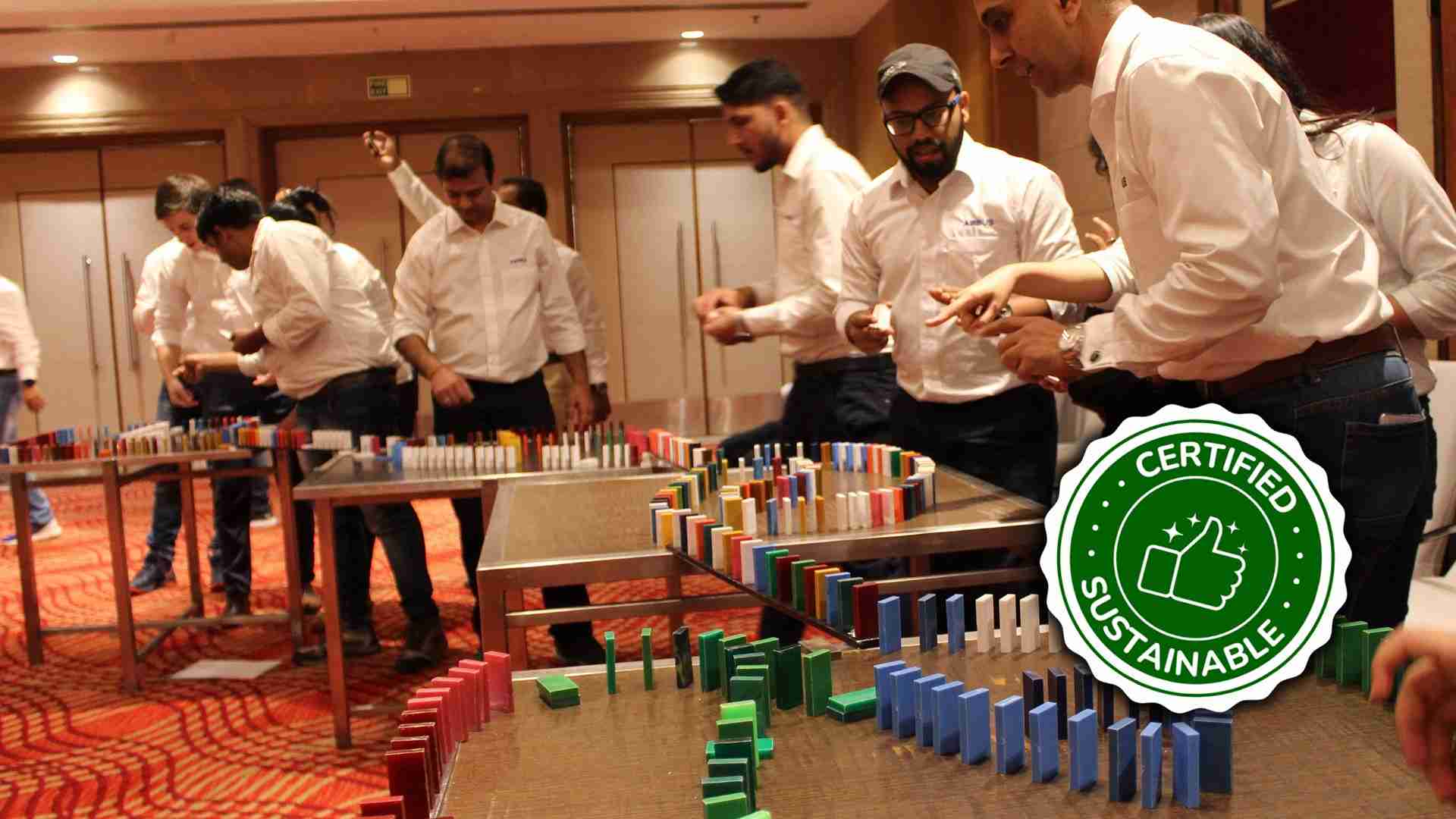
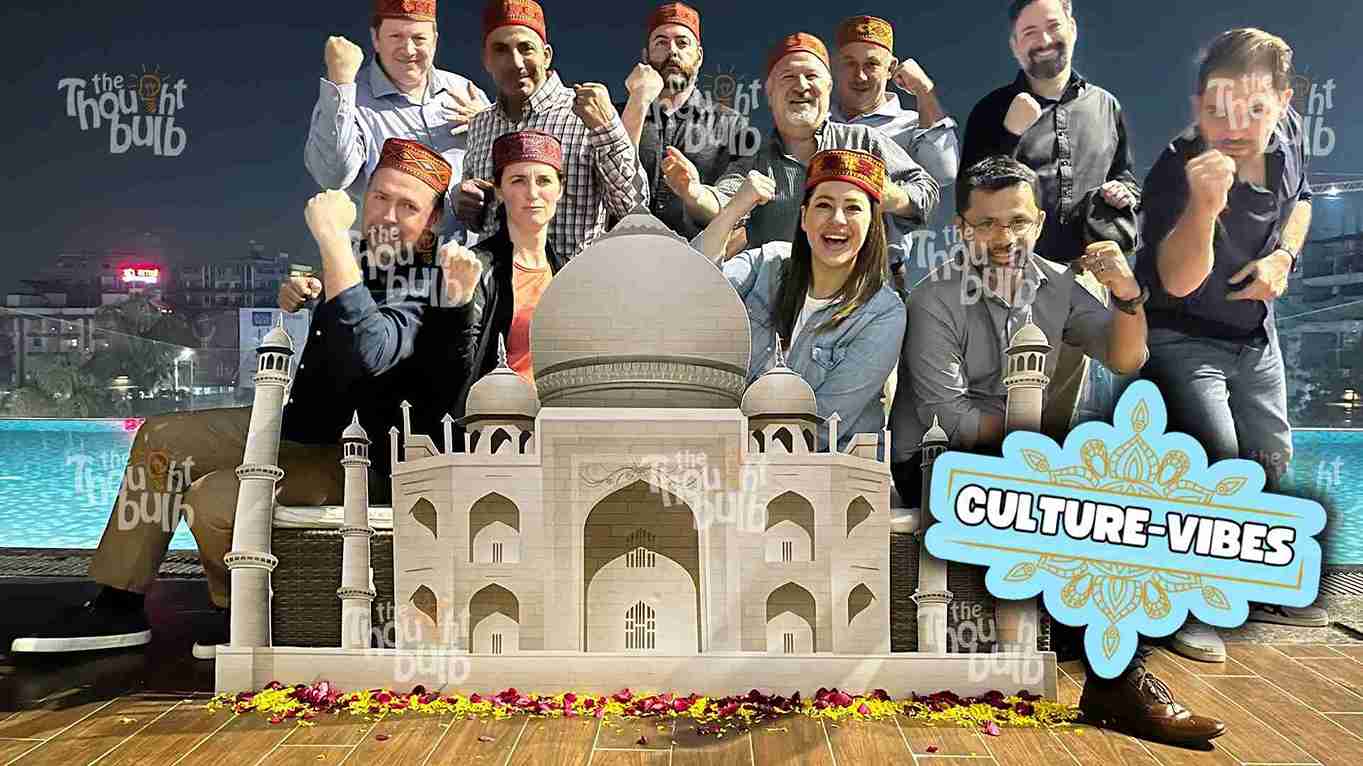
This is the format we run most often during the festive window for offices bringing people back together physically. Teams work through a series of hands on challenges built around India's regional craft, colour and celebration traditions, ending with a collaborative visual piece that stays in the office long after the day. It works because it is participatory rather than performative - nobody is watching a stage, everybody is making something, and cross functional teams end up negotiating with people they would never normally sit with.
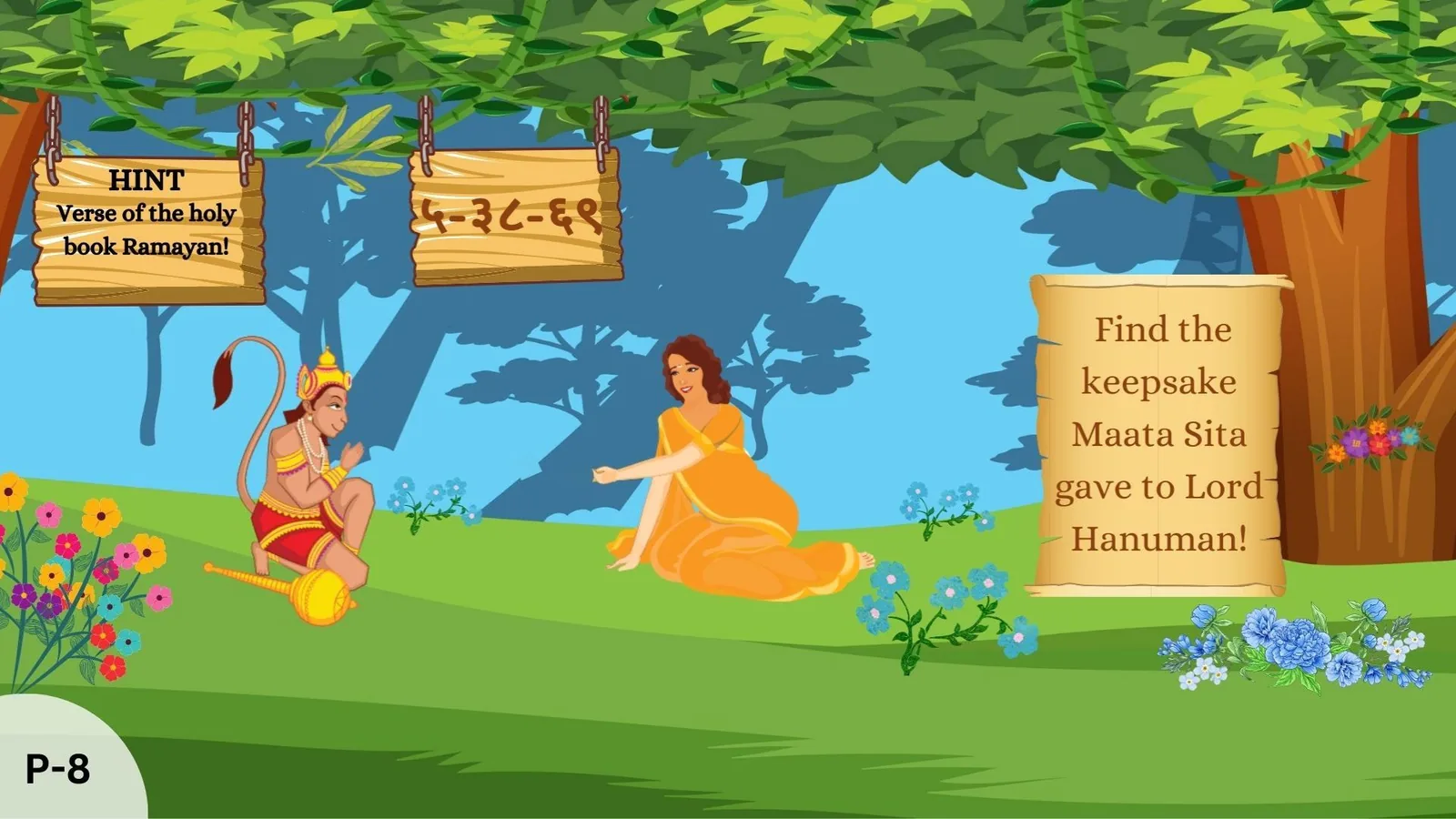
Diwali India Treasure Hunt - for distributed and hybrid teams
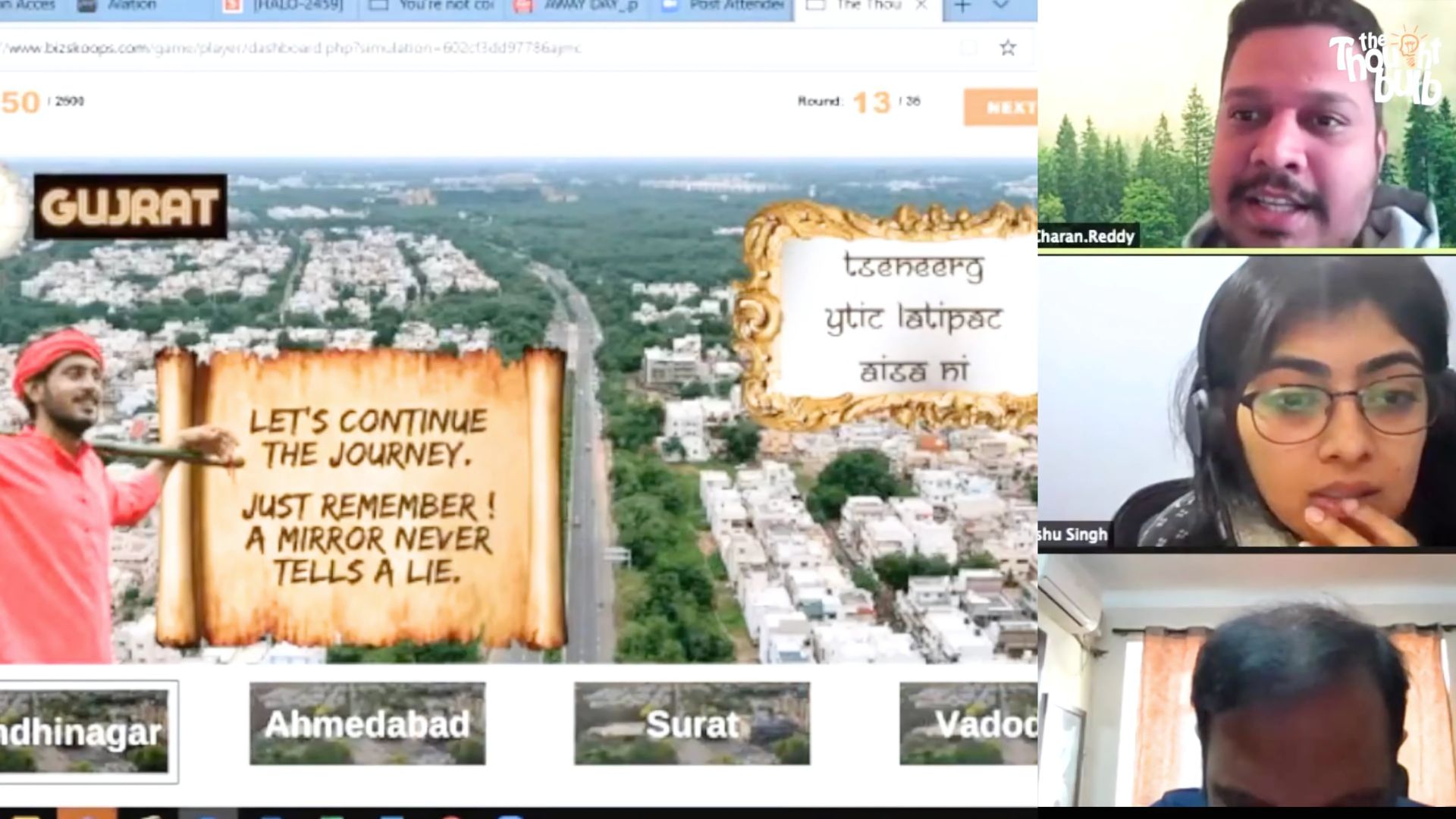
For the large chunk of Indian teams that are still hybrid or fully distributed, the festive season is exactly when remote employees feel most peripheral. A virtual Diwali treasure hunt puts everybody on the same footing: teams race through India themed clues, regional trivia and festive challenges from wherever they are sitting. Ninety minutes, no travel budget, and it reaches the people your office decorations never will.
Both sit within our wider team building activities library, and the virtual formats are grouped separately if remote reach is your main constraint.
What good looks like in practice: Siemens in Mumbai
Siemens ran the Colours of India Challenge as part of a global leadership experience in Mumbai, bringing together senior leaders from multiple countries. The brief was cultural immersion for an international leadership group, not a festive party - but the mechanics are exactly what makes the format work during the festive window. Leaders were split into cross border teams and worked through India's regional colour and craft traditions collaboratively, producing a shared final piece.
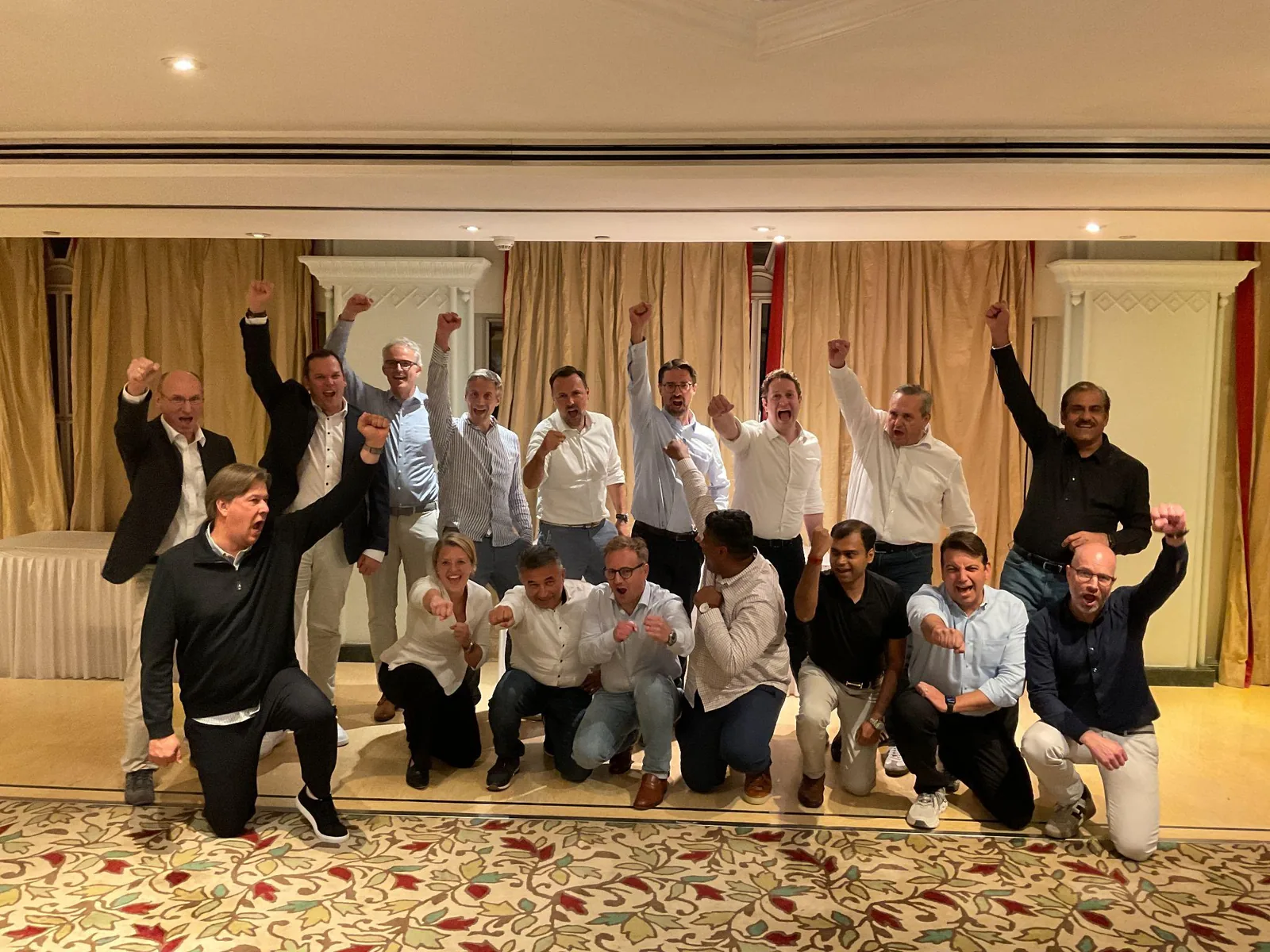
Two things stood out. First, senior leaders participated rather than observed, which changes the tone of every subsequent interaction in a way that a keynote never does. Second, the cultural content did real work - international leaders left with a concrete feel for the market their India teams operate in, which is a harder outcome to buy than an evening of entertainment.
You can browse the full write up along with similar programmes in our case studies section.
Do not let recognition get lost in the decorations
Festive gifting is not recognition
Almost every Indian company sends something at Diwali. Almost none of it lands as recognition, because a gift that everybody receives regardless of contribution reads as a benefit, not as acknowledgement. If your festive budget includes gifting, split it deliberately: a modest universal token that says you belong here, and a separate, visible recognition moment that says here is specifically what you did.
Make managers the ones who say it
Given that manager engagement in South Asia fell further than anywhere else in the world last year, the festive window is a low risk place to rebuild that muscle. Ask every people manager to write three specific notes before Diwali - not a template, three sentences each, naming an actual thing the person did. It costs nothing, it takes twenty minutes, and it is the highest return intervention available to you this quarter.
Recognise contribution publicly and gift universally - never confuse the two.
Give managers a deadline and a format, not just an encouragement.
Include remote and contract staff in every recognition list, since they are the most commonly missed.
Avoid alcohol centred and food centred rewards as the default, which quietly exclude a meaningful share of Indian teams.
The mistakes that turn festive engagement into a cost line
Compulsory dress up days. Enthusiastic for some, mildly humiliating for others, and attendance is a poor proxy for engagement.
Scheduling everything after 7 pm. This systematically excludes parents, long distance commuters and anybody with caring responsibilities.
Treating Diwali as the only festival worth budget. It signals to everybody else which traditions the company considers default.
Loading celebrations into the same fortnight as quarter close. The stress cancels out the goodwill.
Running the same format four years running. Familiarity is comfortable for organisers and boring for everybody else.
Measure it, even loosely
Festive activity is the easiest engagement spend to justify and the hardest to defend, precisely because nobody measures it. You do not need a research programme. Three data points collected consistently will do more than an annual survey.
Participation rate by location and by work mode, so you can see whether remote employees are actually included or just invited.
A single pulse question in the week after each celebration: I feel like I belong at this company, on a five point scale.
Voluntary attrition in November to January, compared against the same window in previous years.
If you want to build a fuller measurement approach around your programmes, our writing on measuring the ROI of team building walks through what to track and what to ignore.
The window closes on 10 November
Between Onam in late August and Bhai Dooj on 10 November, you get roughly eleven weeks in which your people arrive at work already inclined towards each other. That is a genuinely rare condition, and with Indian engagement at a four year low, it is not one to spend on a decorated lobby and a group photograph.
Plan the full window now rather than three weeks before Diwali. Give regional festivals to the people who celebrate them. Pick one properly designed experience that everybody, including your remote teams, can be part of. And make sure managers say something specific to somebody before the season ends.
If you are mapping out your festive calendar and want a second opinion on what will actually land with your teams, we are happy to talk it through - we run these programmes across India every year and have a fairly clear view of what works and what quietly does not.