Most Indian companies do not have an employee engagement problem so much as a planning problem. The Diwali party is booked three weeks out, the year-end dinner is arranged in a rush, and everything in between depends on whoever has energy that month. With 2027 only two months away, now is the right time to replace that scramble with a proper calendar. A good engagement calendar tells your teams what to expect, tells your finance team what to budget, and tells your managers when to show up.
This guide walks through how to build a 2027 plan that fits Indian festivals, business cycles and hybrid schedules. If you want a ready starting point, our employee engagement calendar lists the key dates month by month, and you can pair it with the ideas below.
Why plan engagement a year ahead
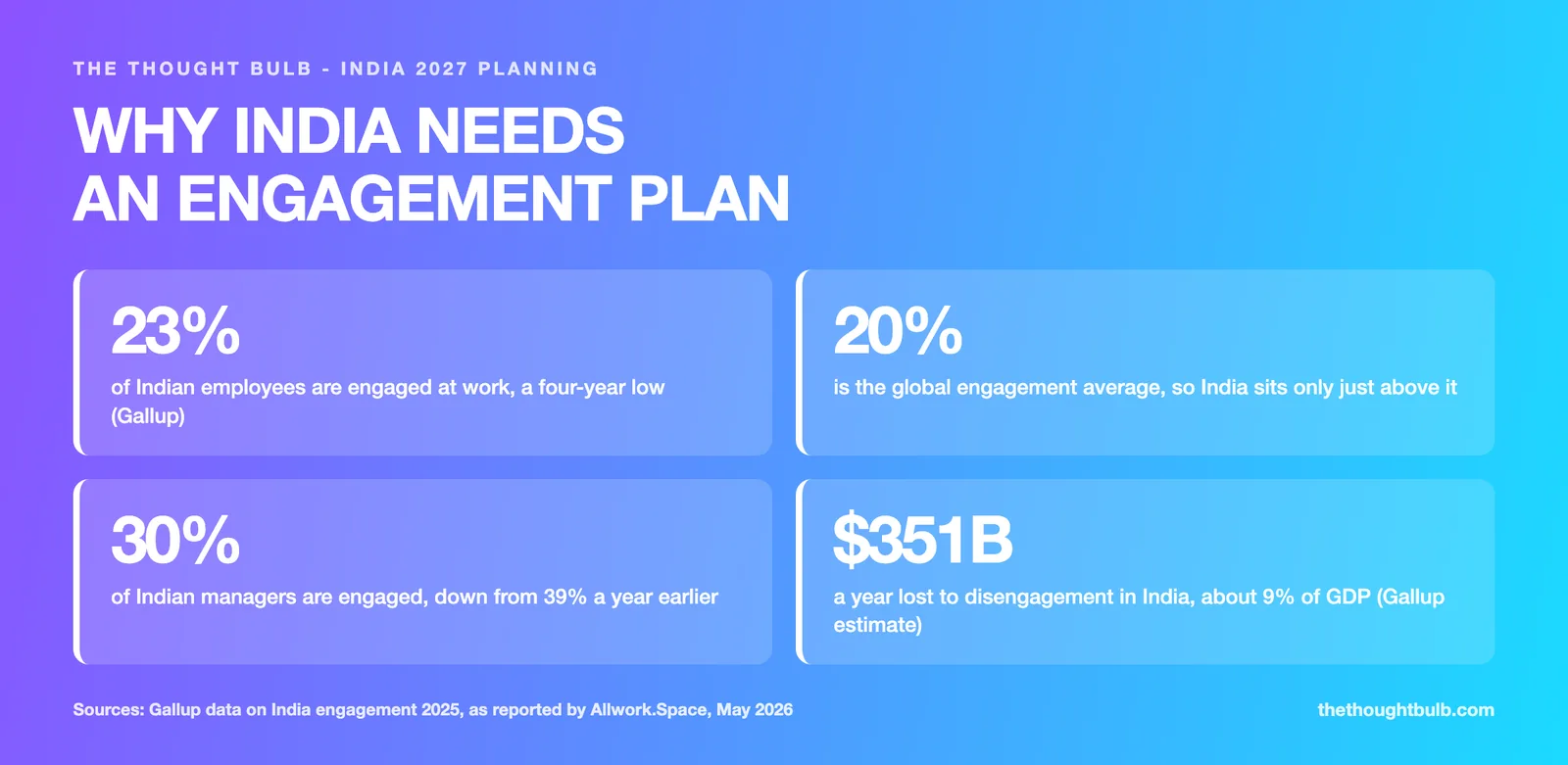
Engagement in India is under real pressure. Recent Gallup data, reported by Allwork.Space in May 2026, put the share of engaged Indian employees at 23 percent for 2025, the lowest in four years. The global average sits at 20 percent, so India is only a few points ahead of the world, and well below where it was a year earlier.
The numbers behind the urgency
23 percent of Indian employees are engaged at work, a four-year low according to Gallup.
Manager engagement fell from 39 percent to 30 percent in a single year, which matters because managers set the daily tone for their teams.
Gallup estimates disengagement costs India roughly 351 billion dollars a year, about 9 percent of GDP.
In Gallup's 2025 workplace report, nearly one in two Indian employees said they were looking for a new job or wanted to quit.
Numbers like these are not fixed by one big offsite. They improve when people feel a steady rhythm of recognition, connection and learning across the year. That rhythm is exactly what a calendar creates. It also protects engagement from the usual enemies: budget cuts in Q3, delivery crunches in March, and the post-festival slump in November.
Start with anchor dates, not activities
The most common mistake is choosing activities first and hunting for dates later. Flip it. Mark the fixed points in your year, then decide what kind of moment each one deserves.
National and festive anchors
Republic Day, Holi, Independence Day, Ganesh Chaturthi, Diwali and Christmas already pull people toward the office or toward leave. Two details matter for 2027. Independence Day falls on a Sunday, so plan the celebration for the Friday before. Diwali lands in late October, which gives you a clean run from the festive season into year-end recognition.
Business rhythm anchors
Appraisal and increment cycles, when recognition and morale are most fragile.
Quarter-end sales and delivery crunches, when teams need relief rather than another mandatory event.
New joiner batches and campus hires, which deserve their own onboarding moments.
Leadership offsite and annual planning windows, which are the natural place for deeper team-building.
Once these are on one page, gaps become obvious. Most teams discover a long quiet stretch between Independence Day and Diwali, and that is where attrition quietly rises.
A quarter-by-quarter plan for 2027
Q1: set the tone
January is the one month when people genuinely want a fresh start, so use it. Run a kickoff session where each team agrees its goals for the year and the behaviours that will help it get there. The Vision Board experience is built for this moment: teams turn goals and values into a shared visual, which then lives on a wall or a shared drive all year as a reference point.

Add Republic Day and Women's Day on 8 March as light, meaningful moments, and use Holi for a relaxed celebration rather than a formal event.
Q2: protect energy through the crunch
April to June is when appraisals land and summer slows everyone down. Keep this quarter simple. Short monthly rituals work better than big events: a team lunch, a learning hour, a recognition round-up. If your teams are spread across cities, shift some of these online.
Q3: connect the distributed team
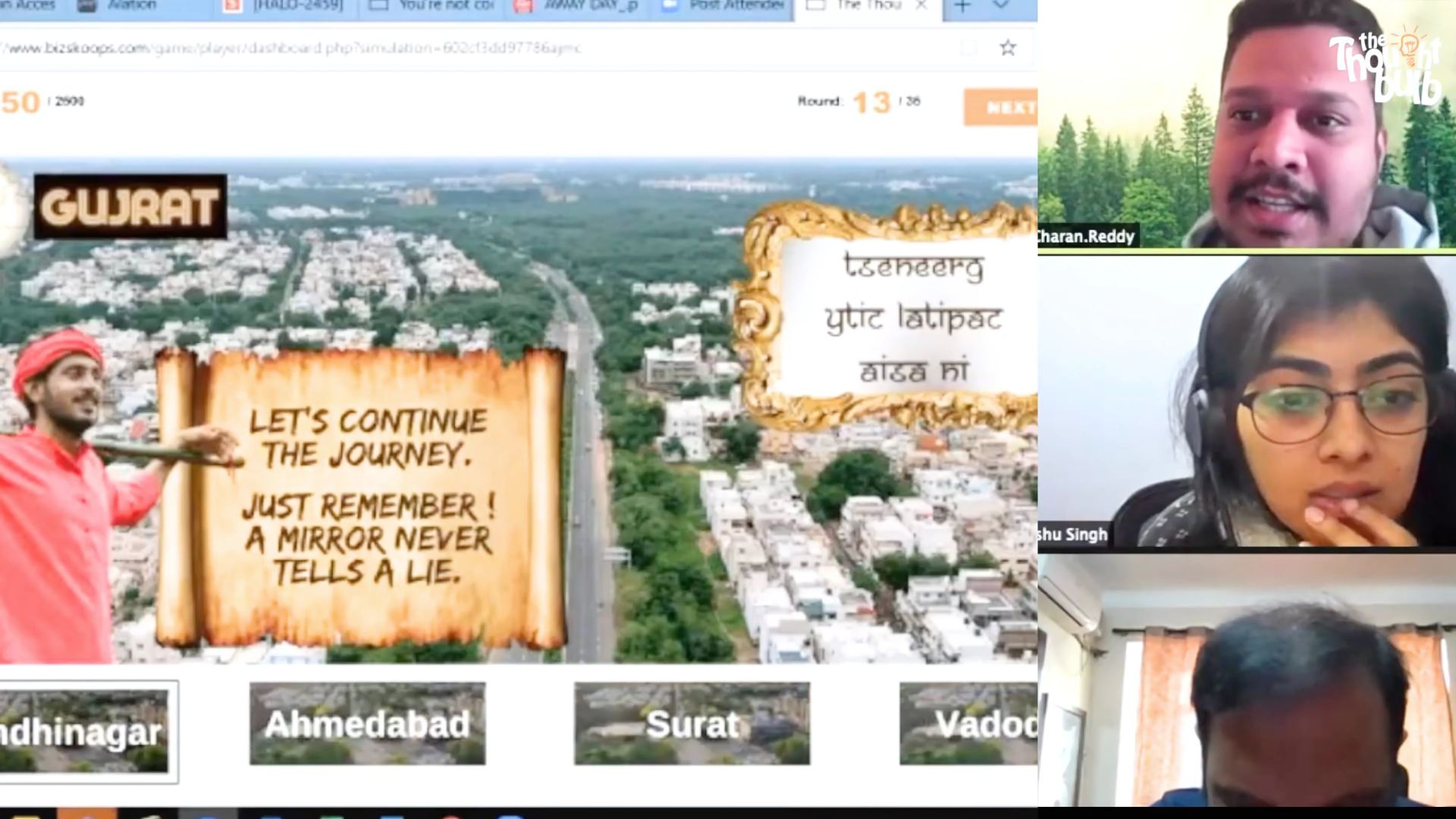
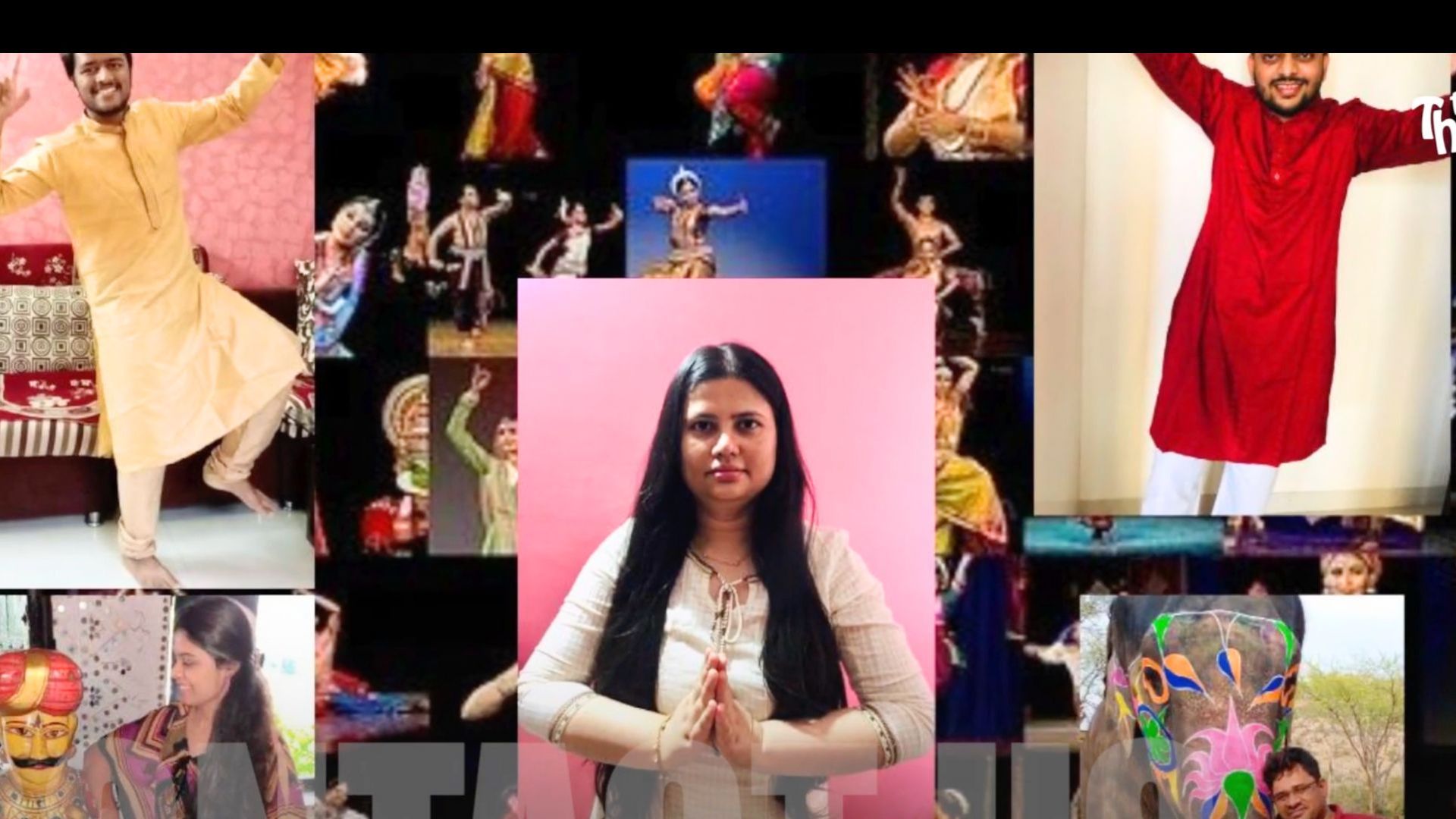
Monsoon and the long stretch before the festive season are ideal for virtual and indoor formats. A virtual team building session keeps Bengaluru, Pune, Gurugram and remote colleagues in the same room without travel costs. The Virtual Talent Show is a good example. People share skills nobody knew about, from music to mimicry to magic, and the informal energy carries into regular work afterwards.
Add a mid-year check-in here as well. Ask each team three questions: what is working, what is draining us, and what should we stop doing. Then actually act on the answers before Diwali.
Q4: celebrate and review
Diwali, Christmas and year-end are the high point of the calendar, but they should not be the only point. Use this quarter to recognise people publicly, close the loop on the feedback gathered earlier in the year, and review what the calendar delivered so you can improve it for 2028.
What a high-energy anchor event looks like
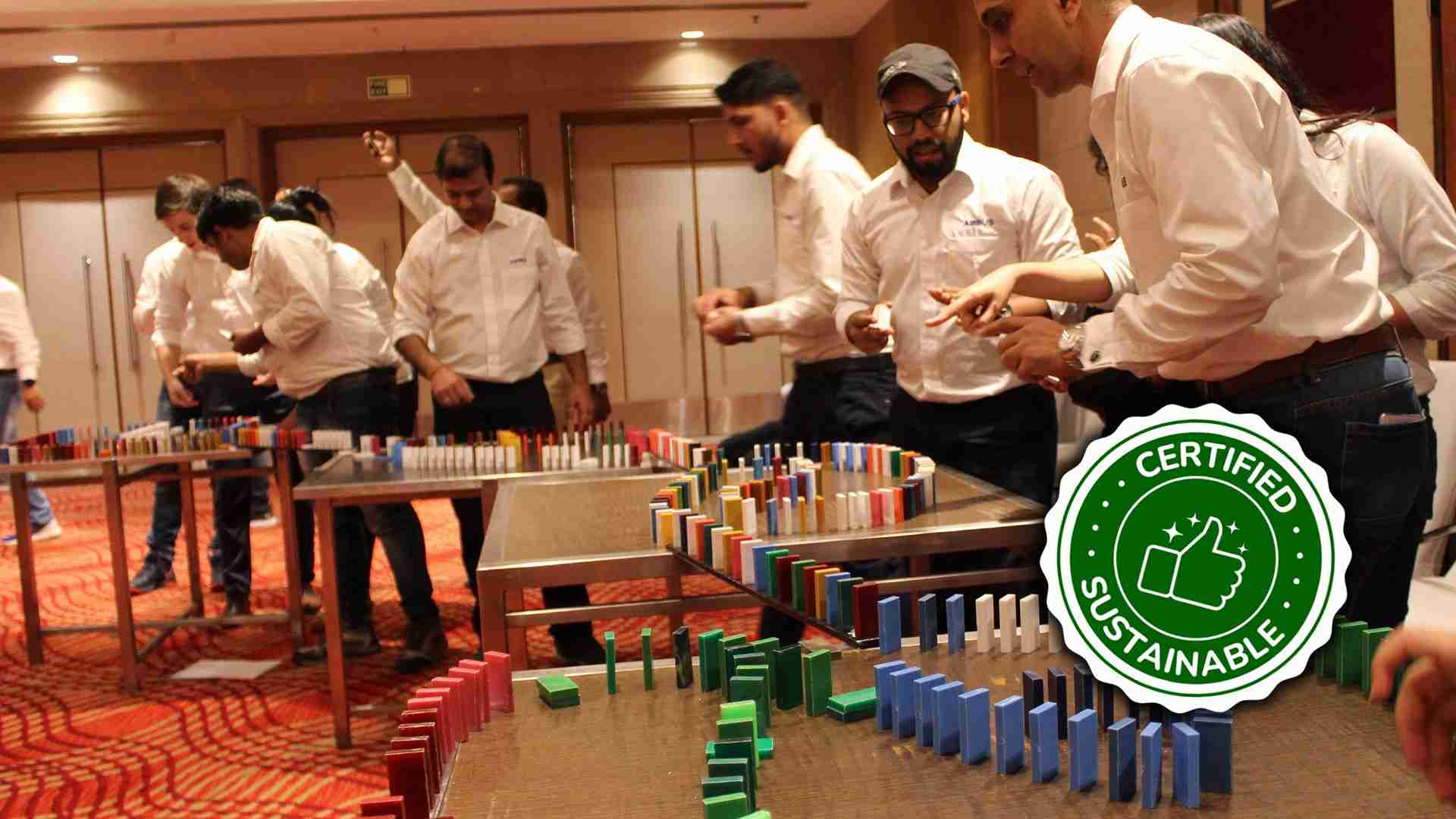
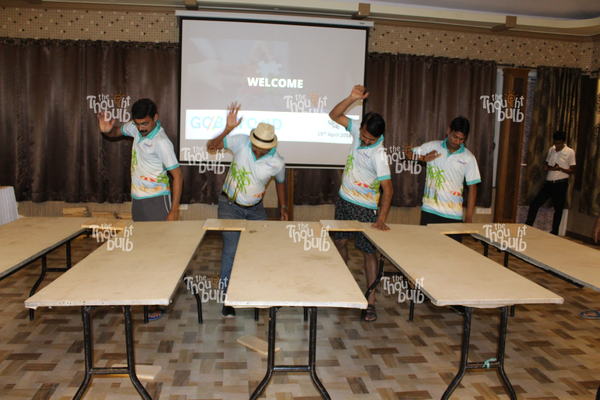
Each calendar needs one or two big in-person days. A useful example from our case studies is the ITC Olympics in Noida, an Olympics-style games day where colleagues were mixed into teams and competed across a range of challenges. The format works because it removes hierarchy for a few hours and gives people who rarely work together a shared story to talk about afterwards.
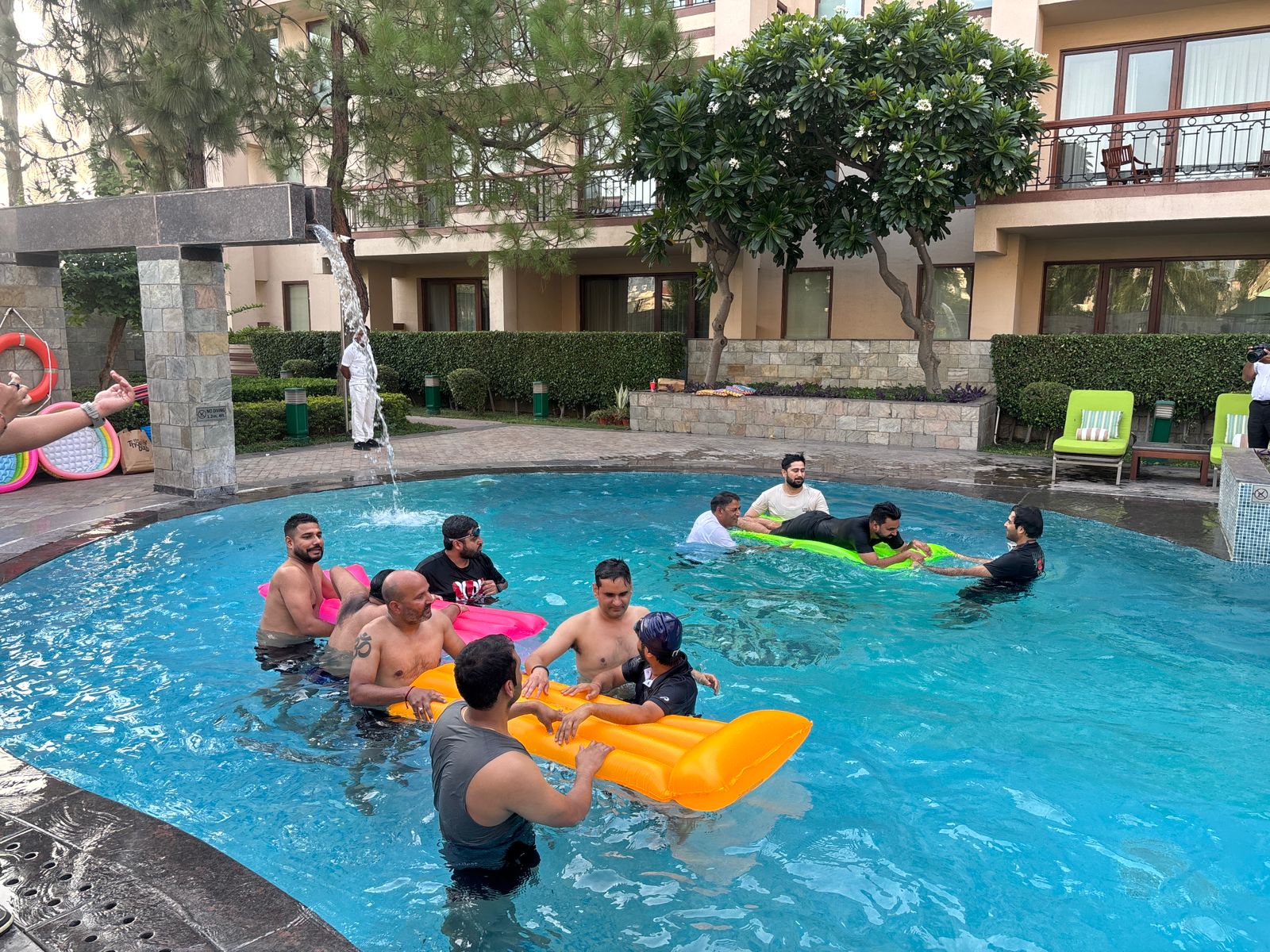
The lesson for calendar planners is simple: let one memorable day anchor each half of the year, then surround it with smaller follow-ups. The big day builds the connection, and the small rituals keep it alive. Games-led experiences such as Indoor Olympics and Minute to Win It are easy to adapt for different group sizes and office spaces.
Budget and ownership
A calendar without a budget is a wish list. Set a per-head figure for the year, split it across quarters, and hold back around 15 percent for unplanned moments such as a team win or a difficult period. Assign a named owner for every event, usually an HR business partner with a manager sponsor, so that nothing depends on one person remembering.
Book vendors and venues for Q4 events by July, when festive-season availability starts to tighten.
Keep at least one event per quarter that costs very little, so engagement does not vanish when budgets are cut.
Include a purpose-led moment each year, such as a CSR activity where teams build something that benefits the community.
Purpose-led days give teams a reason to come together beyond the office, and our CSR activities are designed to slot neatly into a yearly plan.
From plan to launch: a staged approach
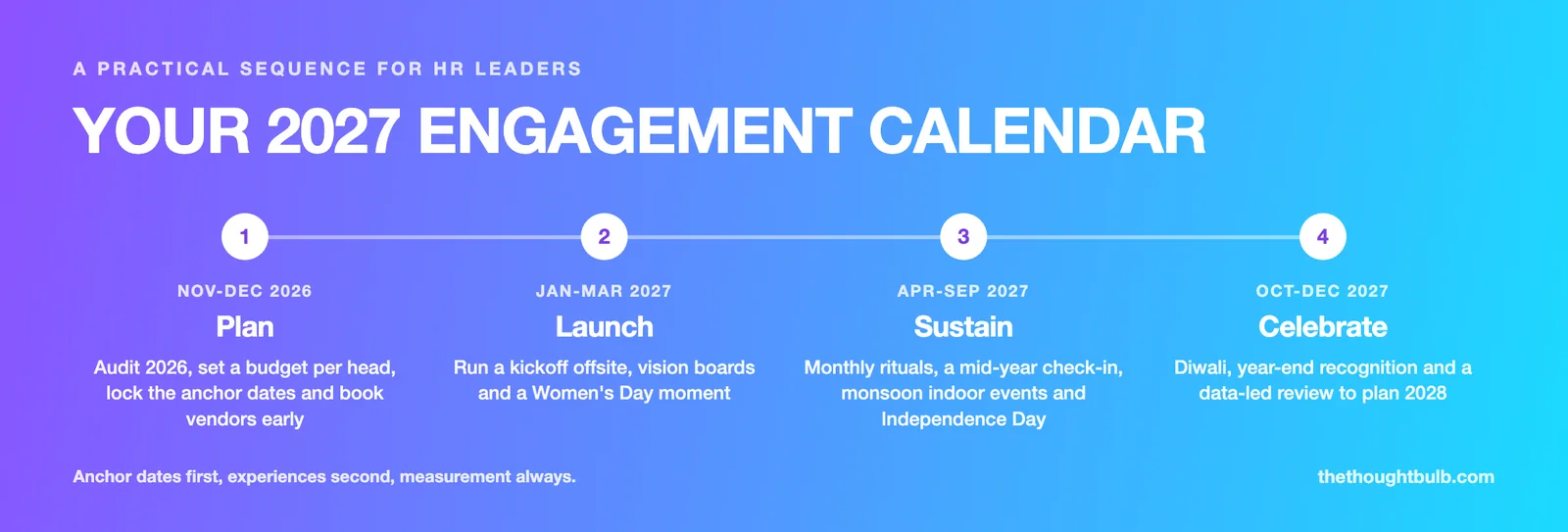
You do not have to build everything at once. Work through the plan in four stages, and use the visual below as a checklist.
Stage 1, November to December 2026: audit what you ran in 2026, set the budget per head, mark the anchor dates and book vendors early.
Stage 2, January to March 2027: launch with a kickoff offsite, team vision boards and a Women's Day moment.
Stage 3, April to September 2027: run monthly rituals, a mid-year check-in, monsoon indoor events and an Independence Day celebration on the Friday before.
Stage 4, October to December 2027: celebrate Diwali, run year-end recognition and review the data to plan 2028.
Mistakes to avoid
Treating every event as mandatory fun. Mix voluntary and scheduled moments, and respect people's time and commuting reality.
Planning only for the head office. Include satellite offices, remote staff and shift teams, or they will feel left out.
Skipping measurement. Track attendance, a one-question pulse after each event, and quarterly retention, then change the calendar based on what you see.
Leaving managers out. Engagement lives in the daily team conversation, so give managers simple prompts and training, not just an event schedule.
If you want to go deeper on manager capability, our leadership team building programmes help managers practise the behaviours that keep engagement high between events.
Bringing it together
A strong 2027 plan does not need to be complicated. It needs a handful of anchor dates, a mix of in-person and virtual experiences, a clear budget and a person accountable for each moment. Browse our full range of team building activities to match experiences to each quarter, and talk to us if you would like help turning your calendar into a booked, budgeted plan before the new year begins.