Walk into almost any Indian office in September and you will find the same person quietly running on empty. Not the fresher. Not the CXO. The manager sitting between them, holding a team of twelve together while absorbing an AI transformation mandate, a hiring freeze, and a festive-season leave calendar all in the same week. Middle managers have become the shock absorbers of Indian organisations, and in 2026 the shock is finally louder than the absorber.
This matters right now because the second half of the financial year is when Indian companies load up: appraisal cycles, festive campaigns, Q3 targets, and annual planning all land between September and December. Every one of those pressures gets routed through people managers. If they are already depleted, the cost does not show up in a wellness survey. It shows up in attrition, in missed delivery, and in teams that stop telling their manager the truth.
The Squeeze Is Structural, Not Personal
The instinct in most Indian HR teams is to treat manager burnout as an individual resilience problem. Offer a mindfulness app. Add a counselling helpline. Run a stress-management webinar. These are decent things, but they treat a design problem as a coping problem, and they quietly tell the manager the fault is theirs.
What actually changed is the shape of the org chart. Companies flattened. Layers came out. The work those layers did did not come out with them. It landed on whoever was left.
What Flattening Actually Did To The Manager Role
Span of control widened, so managers now run bigger teams with the same number of hours in a week
Approval layers above them stayed intact even as layers below disappeared, so authority shrank while accountability grew
AI adoption became a manager deliverable, adding change management to a role that was already full
Peer networks thinned out, so the colleagues a manager used to think out loud with are no longer in the building
Put those four together and you get a role that is structurally harder than it was three years ago, held by people who were promoted for being good at a version of the job that no longer exists.
The Numbers Behind India's Manager Crunch
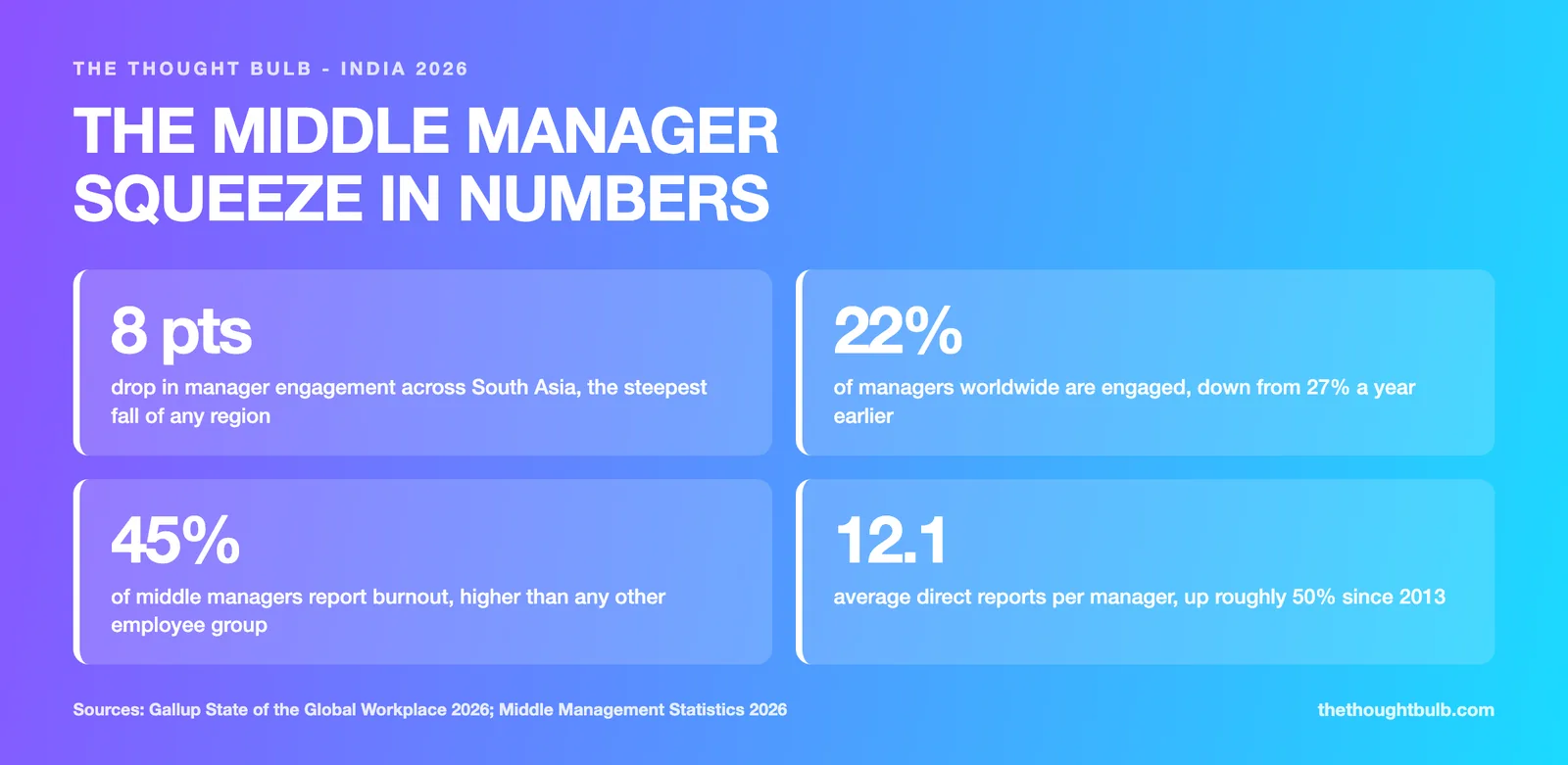
The data on this stopped being ambiguous some time ago. Gallup's State of the Global Workplace 2026 found that manager engagement fell from 27 percent to 22 percent worldwide in a single year, and that South Asia, which is driven largely by India, dropped eight points, the steepest fall of any region on the planet. That is not a soft signal. That is the layer responsible for translating strategy into work losing its own grip on the work.
Alongside that, roughly 45 percent of middle managers report burnout, which is higher than any other employee group, and the average span of control has grown to about 12.1 direct reports, up roughly 50 percent since 2013. The compounding effect is the story: more people to look after, less authority to look after them with, and less energy to do it. When a manager disengages, the effect does not stay contained. Gallup's own analysis attributes much of the recent slide in overall employee engagement to what is happening one level up.
Why Manager Burnout Spreads Downward So Fast
A depleted manager does not usually announce it. What happens instead is a slow narrowing of behaviour that the team reads immediately and correctly.
One-on-ones get cancelled first, because they are the only meeting with no external attendee to disappoint
Feedback becomes transactional, focused on task correction rather than growth, because growth conversations take energy
Decisions get escalated upward that the manager would previously have made, which slows everyone down
Recognition dries up, because noticing good work requires spare attention and there is none
Within a quarter the team concludes that nobody is really steering. That is when the quiet disengagement starts, and it is far more expensive to reverse than it would have been to prevent.
What Indian Companies Usually Get Wrong When They Try To Fix It
Mistake One: Training A Structural Problem
Sending an overloaded manager on a two-day leadership programme and returning them to the same span, the same approvals and the same calendar produces frustration, not capability. The learning is real; the conditions to apply it are not there.
Mistake Two: Treating Managers As Delivery Channels For Engagement
Many engagement calendars are built to be run by managers, for their teams. Nobody is running anything for the managers. They are permanently the host, never the guest, and hosting is work.
Mistake Three: Solving It One Manager At A Time
Manager burnout in a flattened organisation is largely a loneliness problem. The fix is not more individual coaching. It is rebuilding the horizontal layer, the set of peers across functions who can compare notes, share load and normalise the difficulty. That is a collective intervention, not a personal one.
Two Experiences That Rebuild The Manager Peer Circle
The most effective interventions we run for manager cohorts are not classroom sessions. They are experiences that put managers into a shared problem where the pressures they live with every day become visible and discussable, without anyone having to say the word burnout.
Lost Dutchman Goldmine For In-Person Manager Cohorts
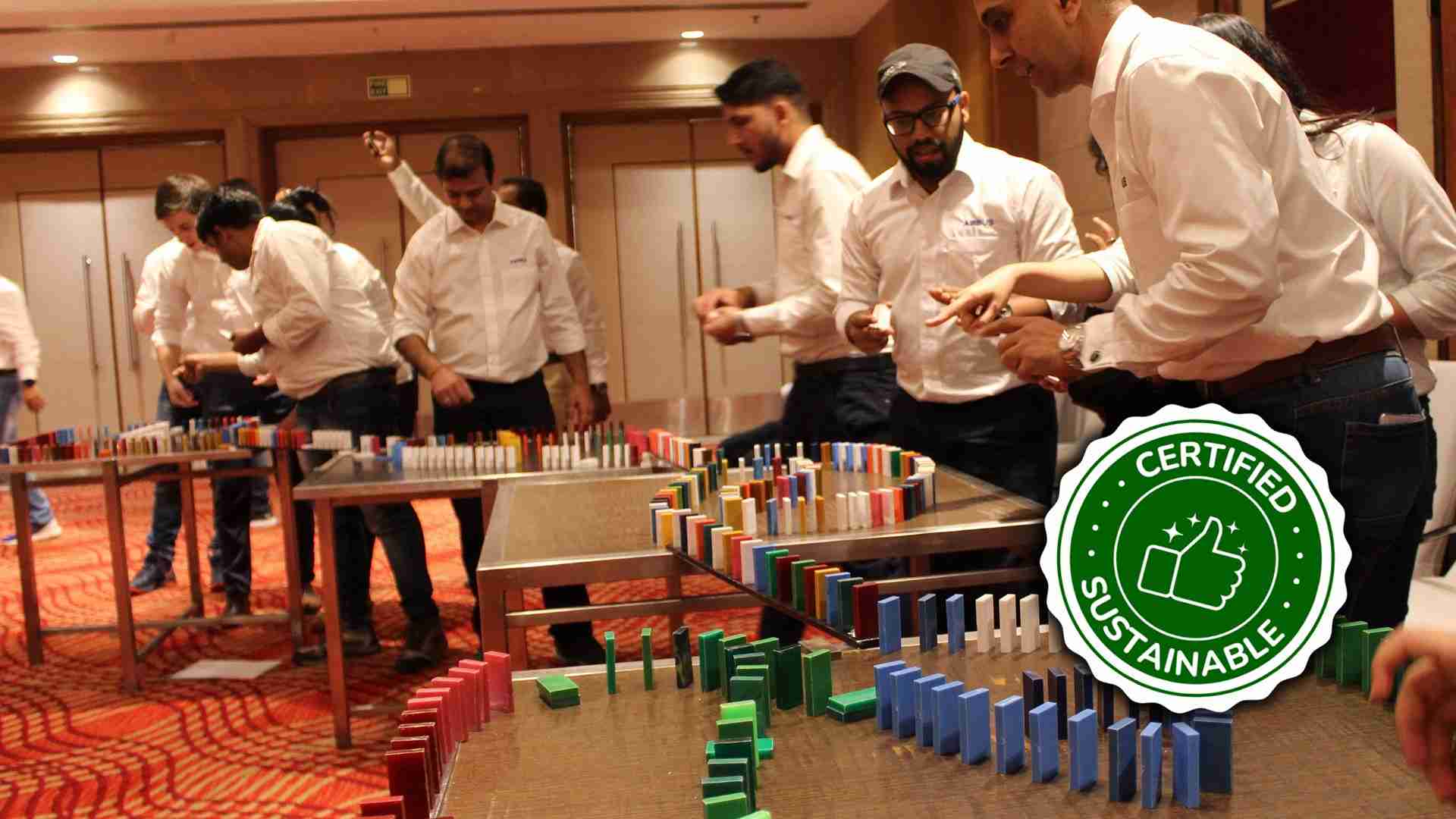
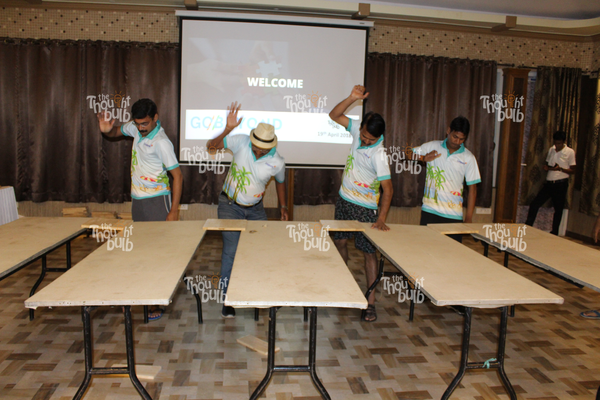
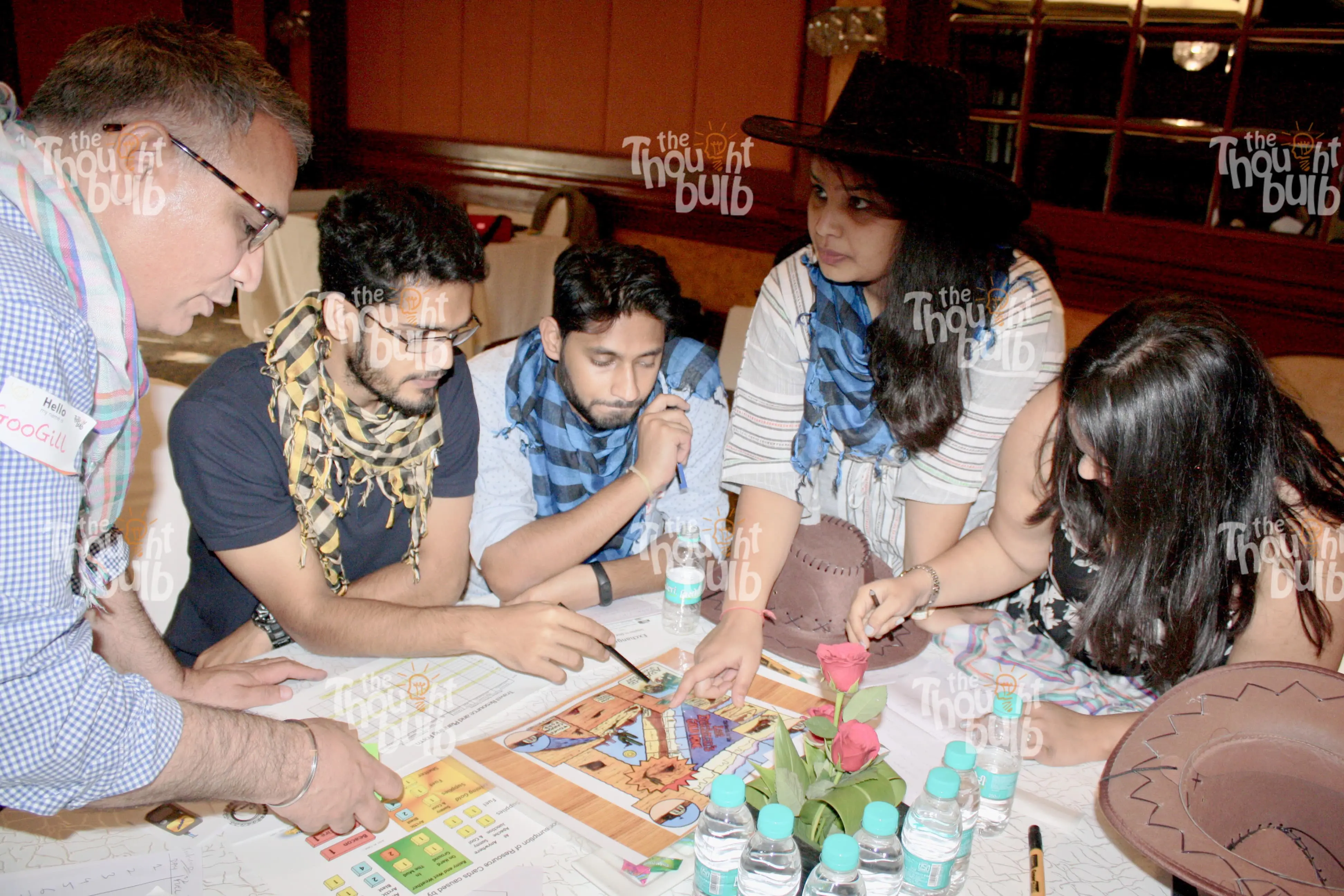
Lost Dutchman Goldmine is a business simulation where teams work a limited resource under time pressure and quickly discover that local optimisation destroys collective return. For a room of managers, it is uncomfortably familiar. Each team protects its own numbers, the system underperforms, and the debrief turns into the honest cross-function conversation the organisation has been avoiding. It works particularly well for cohorts drawn from different departments who rarely sit together.
Mission Moon Lander For Distributed And Virtual Manager Groups
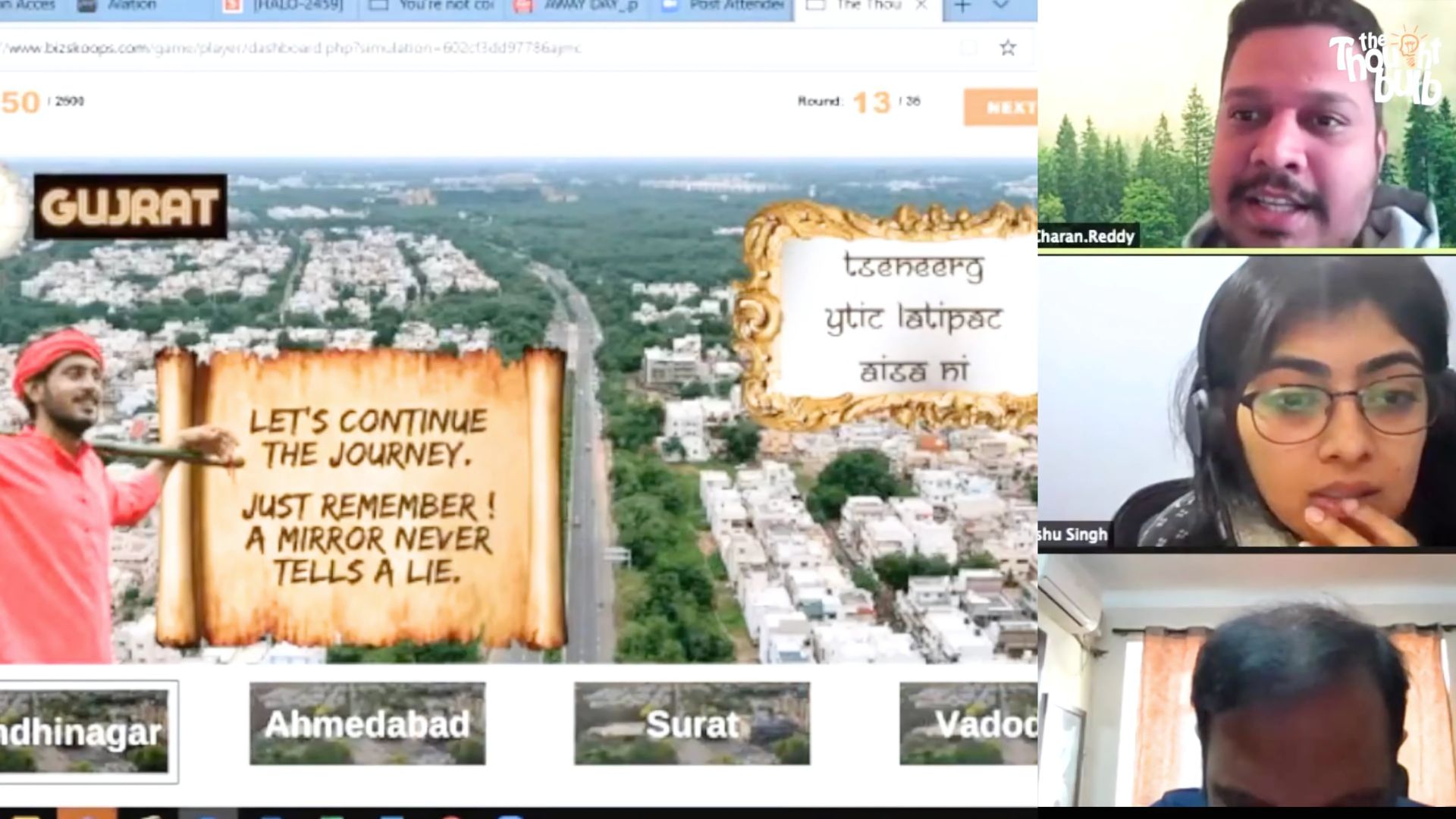
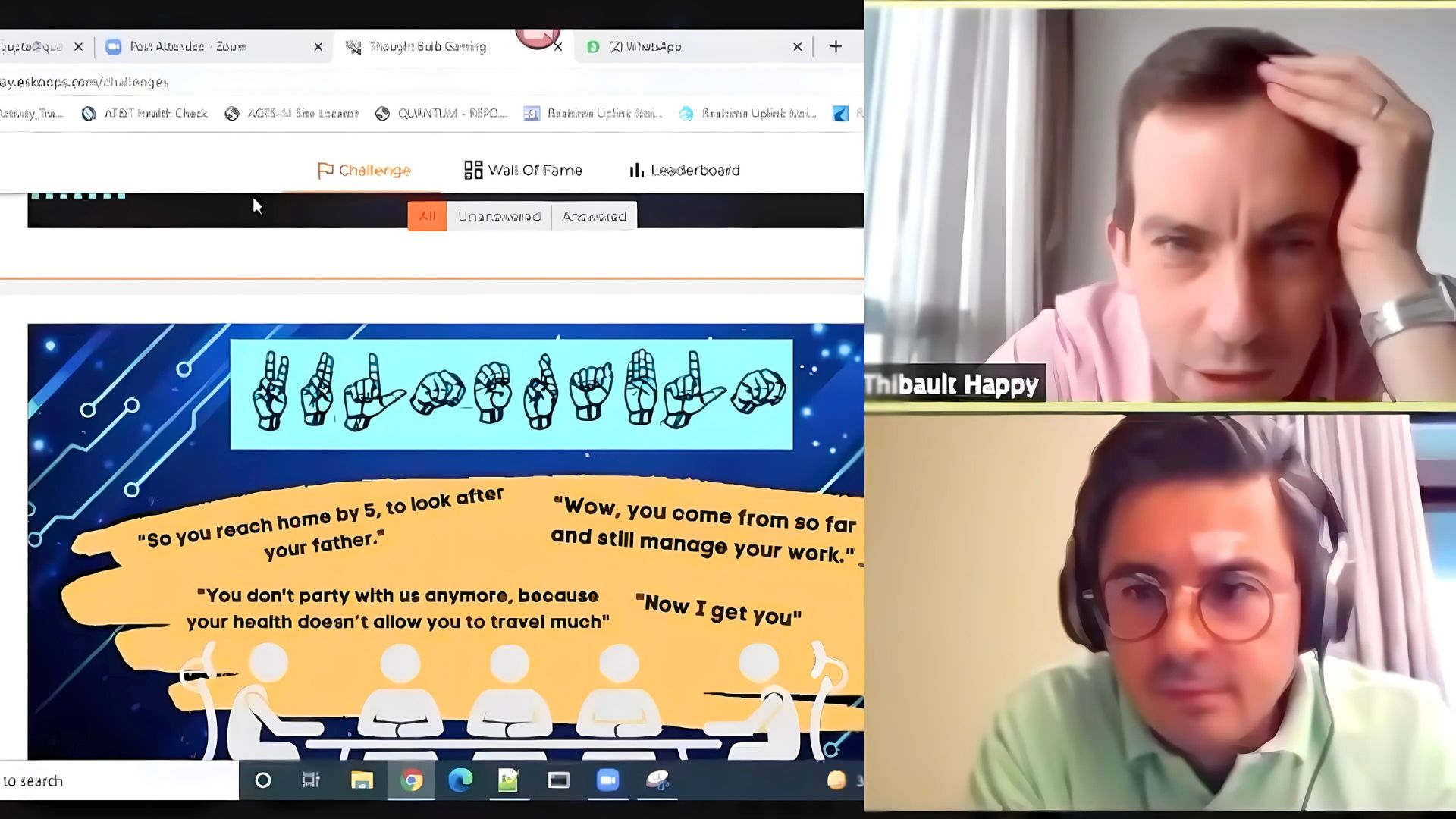
For manager groups spread across cities, Mission Moon Lander runs entirely virtually and puts a leadership cohort into a high-stakes decision with incomplete information. It surfaces how the group handles ambiguity, who defaults to consensus, and who quietly stops contributing under pressure. Ninety minutes on a video call produces more usable insight about a manager group than most annual surveys.
Both sit inside a wider set of formats we design specifically for people leaders. If you want to see the range, the full catalogue of team building activities covers in-person, virtual and hybrid options, and our leadership-specific work is grouped separately.
For cohorts where the goal is capability and not only connection, our leadership team building programmes combine an experience with a structured debrief so managers leave with something they can apply on Monday.
What It Looks Like When It Works
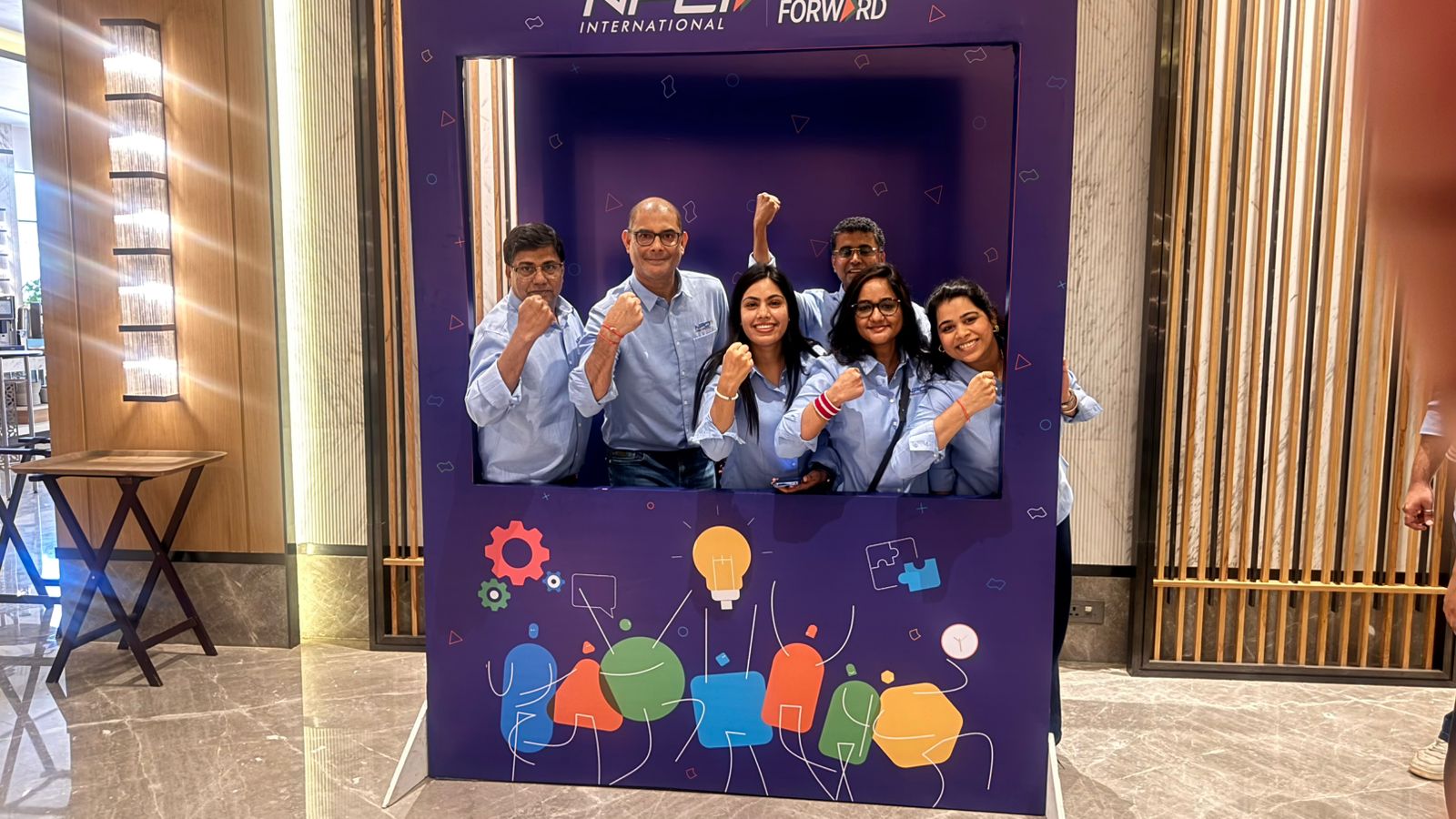
NPCI came to us with a familiar situation: a leadership and management group that had grown fast, was spread across functions, and had very little unstructured time together. We ran a Leadership Connect and Collaboration workshop in Mumbai built around shared challenges rather than presentations, with a debrief focused on how the group makes decisions and where communication was breaking between functions.
The outcome that mattered was not the day itself. It was that managers who had previously only met over escalation emails left with working relationships and a shared vocabulary for the problems they were all facing. That is the horizontal layer being rebuilt, and it is the single most protective factor against manager burnout in a flattened organisation.
More examples of how this plays out across sectors are collected in our case studies, including leadership offsites, virtual cohorts and large multi-city programmes.
A 90-Day Plan To Un-Squeeze Your Middle Managers
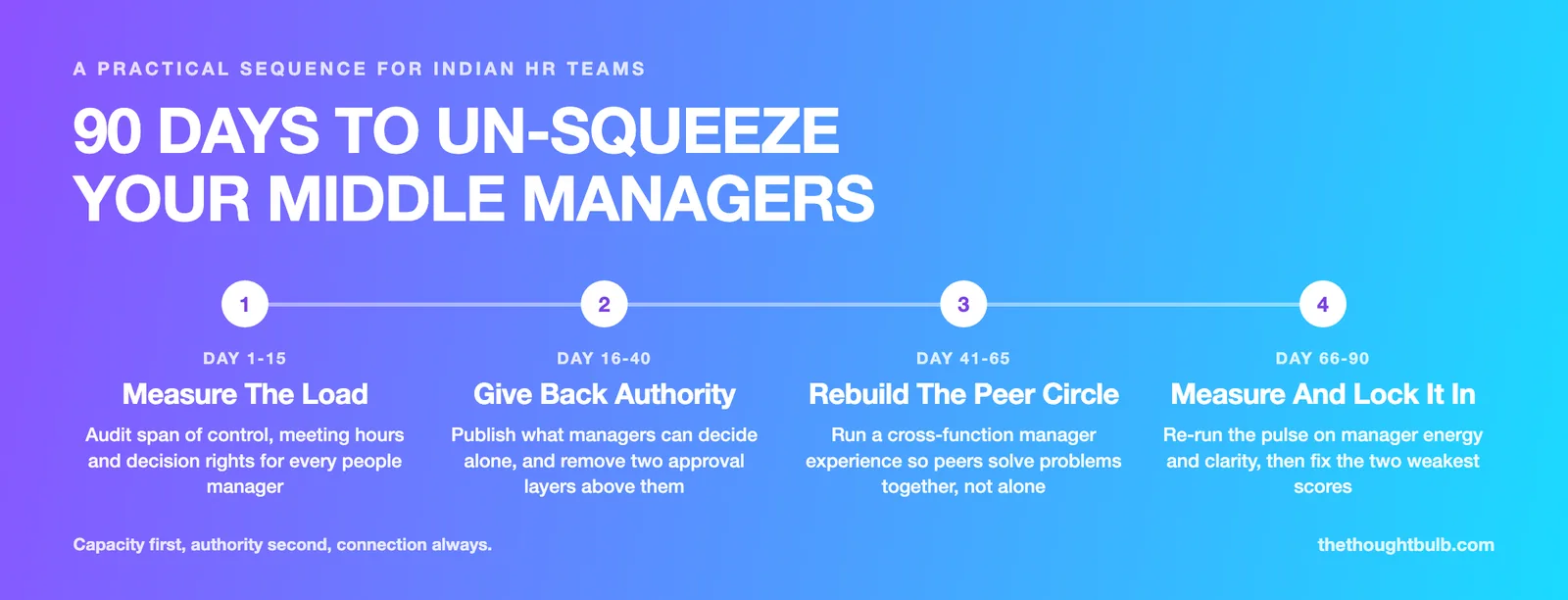
If you want to move on this before the year-end crunch, the sequence below is deliberately ordered. Capacity comes first, because no amount of connection helps a manager who genuinely does not have the hours. Authority comes second. Connection runs through all of it and gets measured at the end.
Day 1 to 15, measure the load. Audit span of control, weekly meeting hours and actual decision rights for every people manager. Most organisations find at least one manager carrying double the average
Day 16 to 40, give back authority. Publish an explicit list of what managers can decide without escalation, and remove two approval layers sitting above them
Day 41 to 65, rebuild the peer circle. Run a cross-function manager experience so peers solve a problem together rather than alone, and follow it with a structured debrief
Day 66 to 90, measure and lock it in. Re-run a short pulse on manager energy and role clarity, then fix the two lowest-scoring items before the next planning cycle begins
The One Metric Worth Adding
Most engagement dashboards report on managers only as a demographic cut. Add a dedicated manager index: energy, role clarity, decision authority and peer connection, tracked separately and reviewed by the leadership team. If it is not looked at on its own, it will stay invisible until someone resigns.
Where To Start
Middle managers are not fragile. They are load-bearing, and load-bearing structures fail quietly right up until they do not. The organisations that will come out of 2026 with their management layer intact are the ones treating this as a design question about capacity, authority and connection, rather than a wellbeing campaign aimed at individuals.
If your manager cohort has not had a proper day together in the last year, that is the cheapest place to start. We are happy to help you design one that does real work rather than just filling a calendar slot.