Every Indian company says it wants stronger leaders. Budgets for leadership development are climbing, calendars are full of workshops, and yet many HR heads quietly admit the same thing: the programmes are not moving the needle. Managers still struggle, first-time team leads still flounder, and capable people still leave because of the person they report to. The problem is rarely a lack of effort or spend. It is that a handful of predictable mistakes keep undermining otherwise well-intentioned programmes. As we move through the second half of 2026, with engagement under pressure and boards asking harder questions about the return on every training rupee, those mistakes have become expensive.
Why Leadership Development Is Under the Microscope in India
Leadership quality is not a soft topic. It is one of the biggest levers a company has over engagement, retention, and performance. Gallup's long-running research has repeatedly found that managers account for roughly 70 percent of the variance in team engagement, meaning the person leading a team matters more to how that team feels and performs than almost any other single factor. When leadership development fails, that failure shows up directly in attrition numbers and productivity dashboards.
The pressure is sharper in India right now. In Gallup's most recent State of the Global Workplace research, South Asia, which is dominated by India, recorded one of the largest regional declines in manager engagement, even as companies trim management layers. At the same time, spend is rising: India's corporate training market was estimated at around INR 60 billion in 2024 and is projected to cross INR 100 billion by the end of the decade. More money is going in, but the outcomes are not automatically improving, which is exactly why the mistakes below deserve attention.
There is also a hard truth buried in the data. Gallup reports that only about 44 percent of managers globally have received any formal management training, and separately, close to 90 percent of learning and development leaders say proving the return on that training is their single biggest challenge. In other words, most managers are learning on the job, and most companies cannot yet prove their programmes work. That is the backdrop against which these seven mistakes play out.
The Seven Mistakes That Quietly Undermine Leadership Programmes
1. Promoting your best individual contributor and calling it development
The most common mistake happens before any training even starts. A brilliant engineer, seller, or analyst is promoted into management as a reward for individual excellence, and everyone assumes leadership will follow naturally. It rarely does. The skills that make someone a star performer, such as deep individual focus and personal output, are not the skills that make someone a good manager, which are coaching, delegation, and holding difficult conversations. Promotion is an event; leadership capability is a practice that has to be built deliberately.
2. Treating development as a one-off event
A single two-day workshop, however inspiring, does not change behaviour. Leaders return to inboxes and targets, and within weeks the new frameworks fade. Real development is spaced over time, reinforced by practice, feedback, and manager support. When leadership development is treated as an annual tick-box rather than an ongoing habit, the investment leaks away almost as fast as it is made.
3. Pouring everything into the C-suite
Senior leaders get the offsites, the executive coaches, and the international programmes, while the frontline and middle managers, who touch the largest number of employees every day, get almost nothing. This is backwards. If managers drive most of the variance in engagement, the highest-leverage investment is often one or two levels below the top, not at the very top.
4. Choosing classroom theory over experiential practice
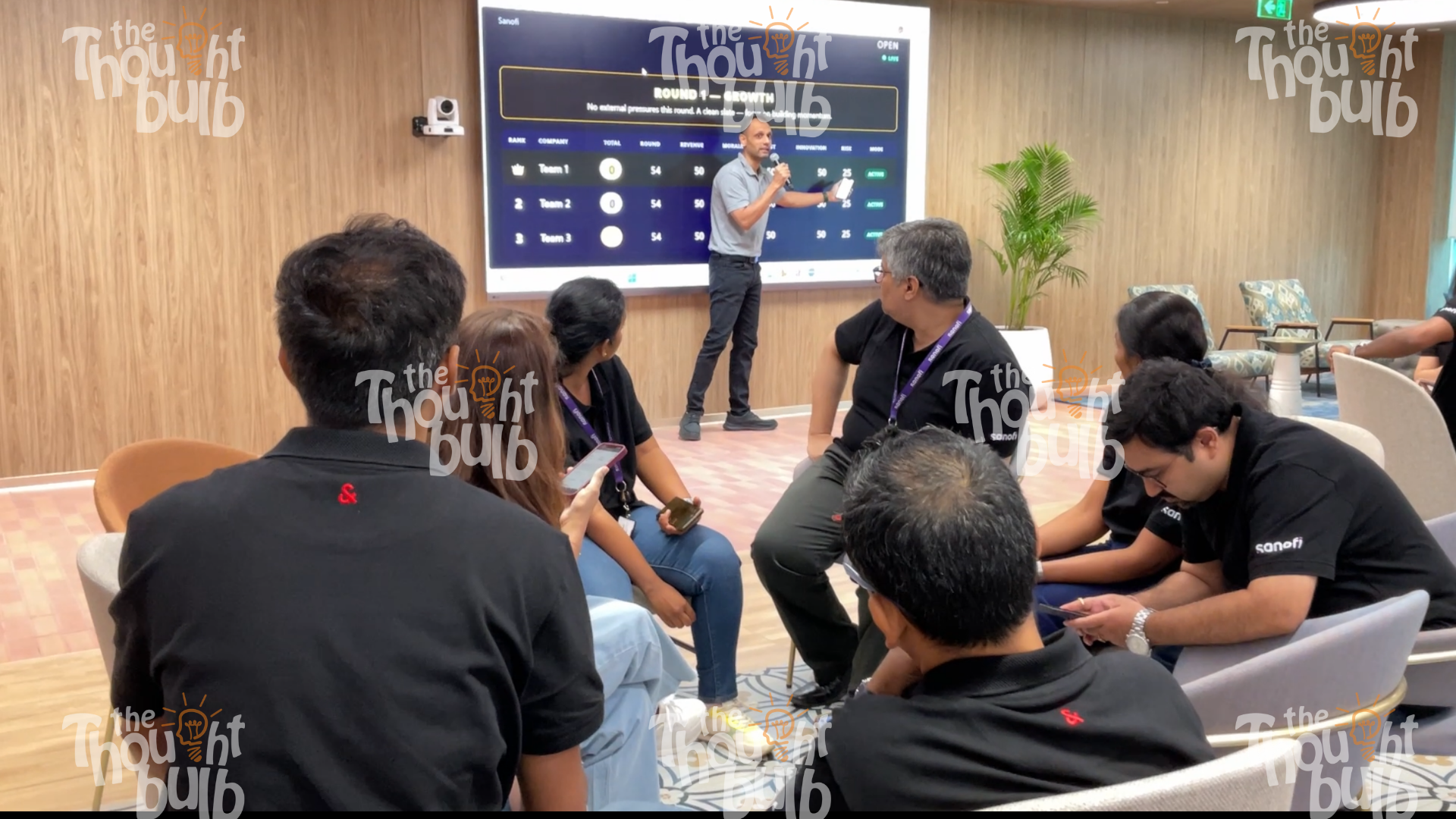
Slides about situational leadership are easy to nod along to and easy to forget. People learn to lead by making decisions, seeing the consequences, and reflecting on what they would do differently. Programmes built entirely on lectures and models struggle because they never put participants in a position where their choices actually matter. Experiential formats close that gap, which is why we treat them as the core of serious leadership work rather than an add-on.
5. Forgetting the middle-manager squeeze
Middle managers absorb pressure from above and below, and in 2026 many are also absorbing the shock of restructured teams and wider spans of control. Development programmes that ignore this reality, and simply ask stretched managers to attend more sessions, add to the burden instead of relieving it. Good programmes build resilience and prioritisation skills, not just competency checklists.
6. Running programmes you never measure
If you cannot say what changed after a leadership programme, you cannot defend the budget or improve the design. Too many programmes measure attendance and satisfaction scores rather than behaviour change or business outcomes such as retention within a manager's team, internal promotion rates, or engagement scores over time. Measurement is not a finance formality; it is how you learn which parts of your programme actually work.
7. Importing Western frameworks without local context
Many leadership models used in India were designed for very different cultural settings around hierarchy, feedback, and directness. Lifting them wholesale can leave managers with advice that feels alien on the ground. The fix is not to abandon global frameworks but to adapt them, using scenarios, language, and examples that reflect how Indian teams actually communicate and make decisions.
Experiences That Build Leaders, Not Just Attendees
The fourth mistake, choosing theory over practice, is the one most within your control to fix quickly, and it is where well-designed experiences earn their keep. Two of the formats we run most often for leadership groups sit at opposite ends of the in-person and virtual spectrum, and both put decision-making under real pressure.
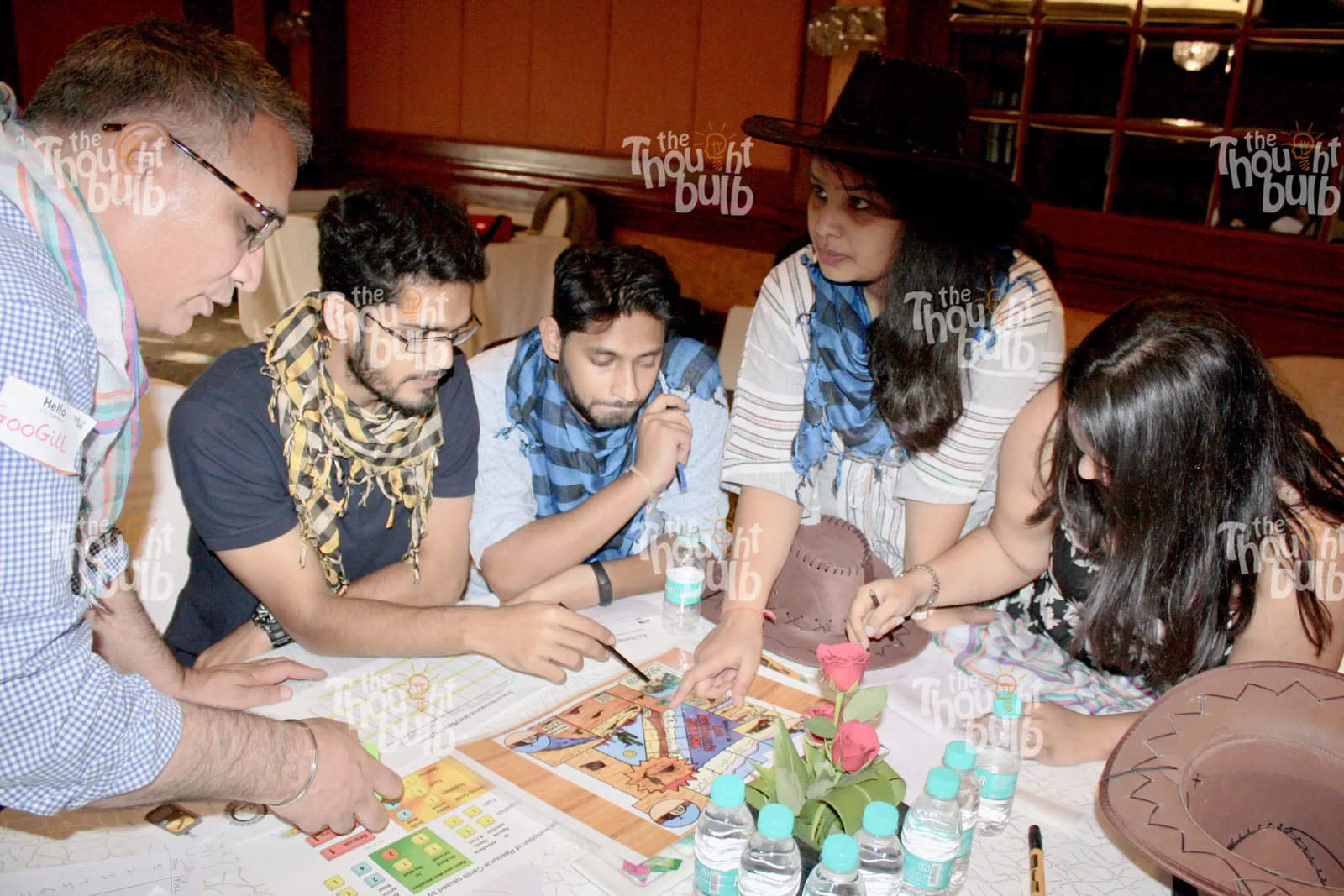
Lost Dutchman's Gold Mine is an in-person business simulation where several teams must maximise a shared outcome, but can only do so if they cooperate across group lines rather than compete. It exposes, in a couple of hours, exactly how siloed thinking and weak information sharing destroy value, and it forces emerging leaders to practise the negotiation and trust-building that no slide can teach. Managers walk away having felt the cost of poor collaboration rather than just having heard about it.
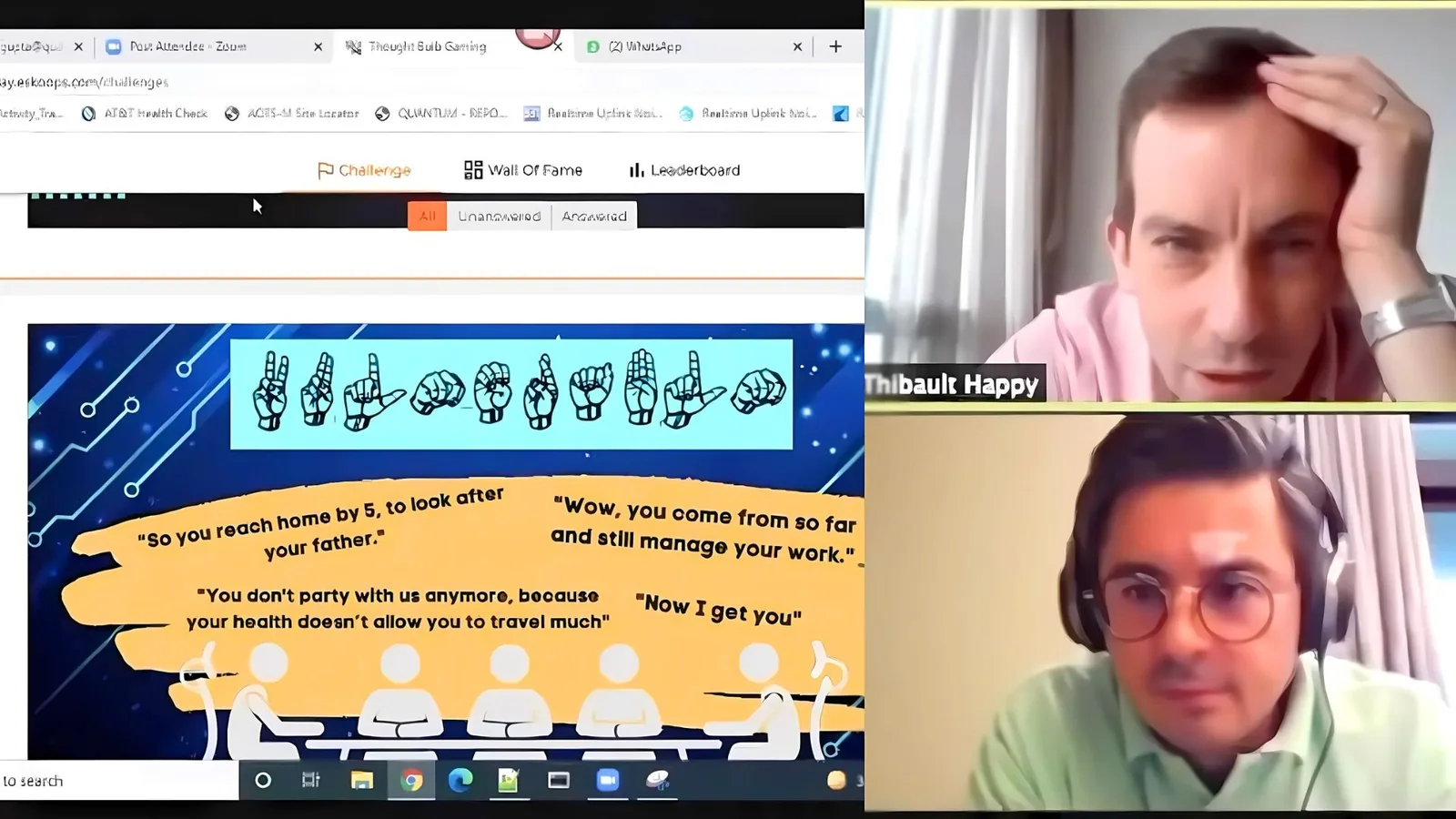
For distributed and hybrid teams that cannot always gather in one room, Mission Moon Lander is a virtual leadership simulation where a team must make a sequence of high-stakes decisions with incomplete information and a ticking clock. It surfaces how a group assigns roles, listens to quieter voices, and commits to a call under uncertainty, which are the exact behaviours first-time and remote managers most need to rehearse.
Both experiences work because they are designed to be debriefed, turning a memorable few hours into concrete leadership lessons participants can apply on Monday. You can see the full range of experiential and leadership formats we run for teams of every size and setup.
What It Looks Like When It Works
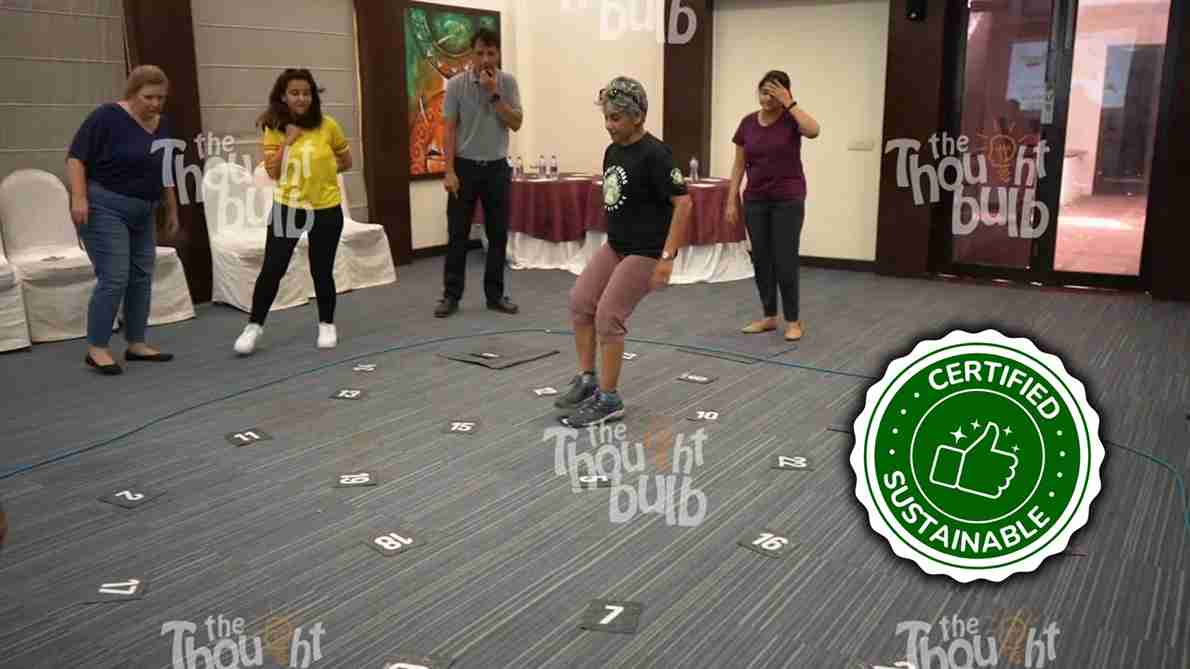
Theory is easy to argue with, so consider a real example. When OLX brought a leadership group to Mussoorie, we combined the Everest Challenge with Lost Dutchman's Gold Mine over an immersive offsite. The Everest Challenge stretched the group physically and mentally, while the Gold Mine simulation held up a mirror to how their leaders shared information and made decisions across teams. The value was not the adrenaline; it was the debrief, where patterns of over-competition and under-communication that had been invisible in the office suddenly became obvious and discussable.
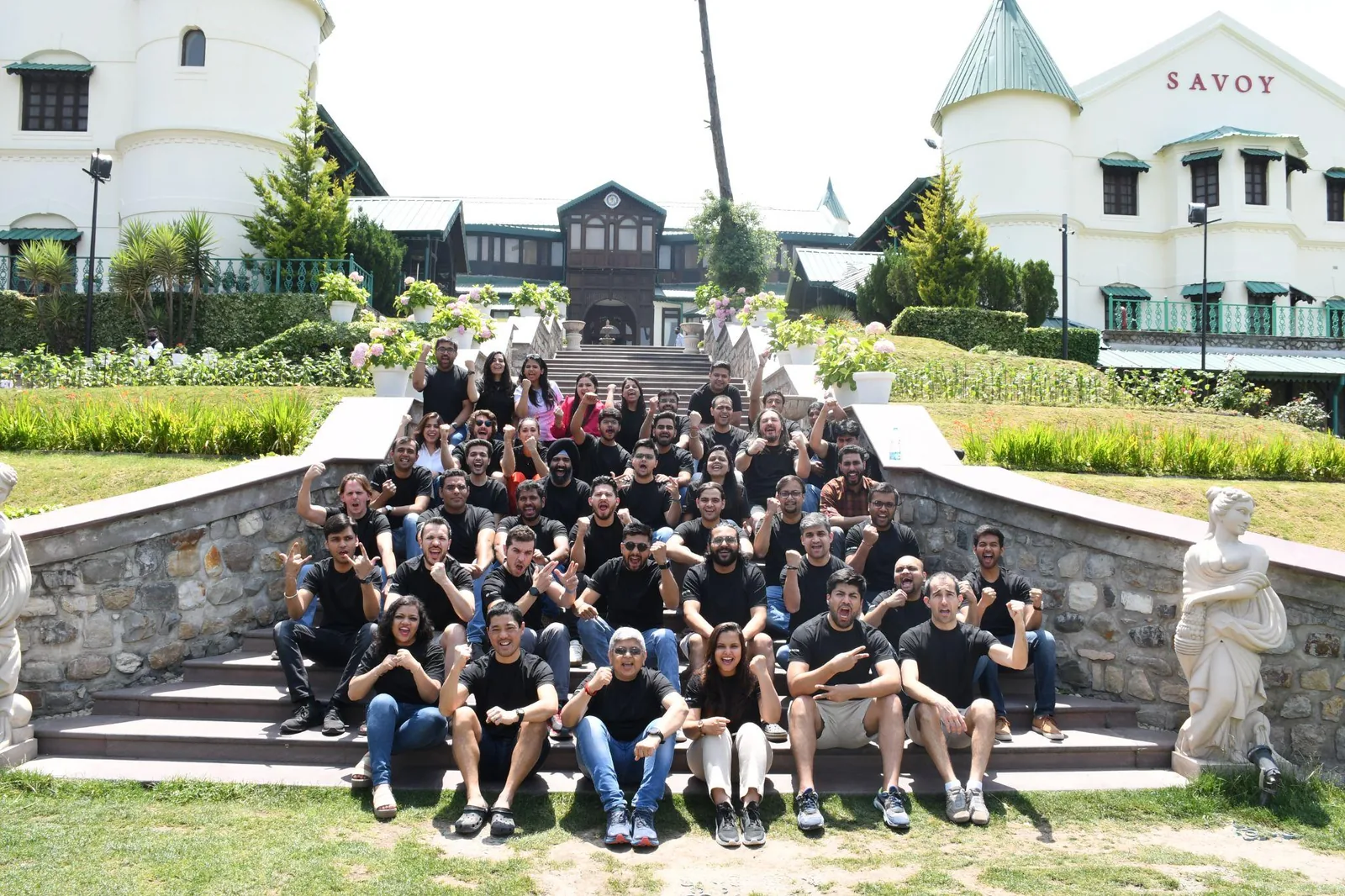
Offsites like this only pay off when the experience is tied back to real leadership behaviour, which is the thread running through our leadership team building programmes. The activity is the hook; the reflection is where the development actually happens.
Fixing Your Leadership Development in 2026
You do not need to overhaul everything at once. The companies getting this right in 2026 tend to make a few disciplined choices:
Invest in first-time and middle managers, not just senior leaders, because that is where engagement is won or lost.
Treat development as a journey spread over months, with practice and manager reinforcement between sessions, not a single workshop.
Put experiential simulations at the centre so leaders learn by deciding and reflecting, not just listening.
Adapt global frameworks to Indian team dynamics rather than importing them wholesale.
Define, up front, the behaviours and business metrics you will measure so you can prove and improve the programme.
For hybrid and distributed organisations, the same principles apply through virtual team building formats that keep remote managers practising real decisions rather than passively attending another call.
The Bottom Line
Leadership development in India is not failing because companies are not trying. It is failing in the specific, fixable ways described above: rewarding individual performance with an untrained title, running one-off events, over-indexing on the top, favouring theory over practice, ignoring the middle-manager squeeze, skipping measurement, and importing context-free frameworks. Fix even two or three of these and the return on your existing budget improves without spending more. If you are rethinking how your leaders are built this year, we are always happy to help you design a programme that develops capability rather than just filling a calendar.