Why Experiential Workshops Spark Team Magic (With a Dash of Science)
Picture this: your team, blindfolded, building marshmallow towers—or coding side-by-side in a weekend hackathon. Fun? Absolutely. But it's also supercharged learning: boosting creativity, trust, leadership, mental flexibility—all through play.
Let’s unpack why experiential learning works like magic, how to apply it, and what your team will actually gain—no theory-heavy overdrive, just clear ideas and real value.
Why It Matters (Without the Academic Jargon)
Hybrid havoc: Zoom’s great—but real team cohesion? That often comes from doing things together, not just talking.
Beyond hard skills: Today, employers crave adaptability, empathy, and collaboration—all best built through experience.
Budget accountability: Experiential workshops show real, measurable results—unlike passive slide decks.
The Big Idea (aka Thesis)
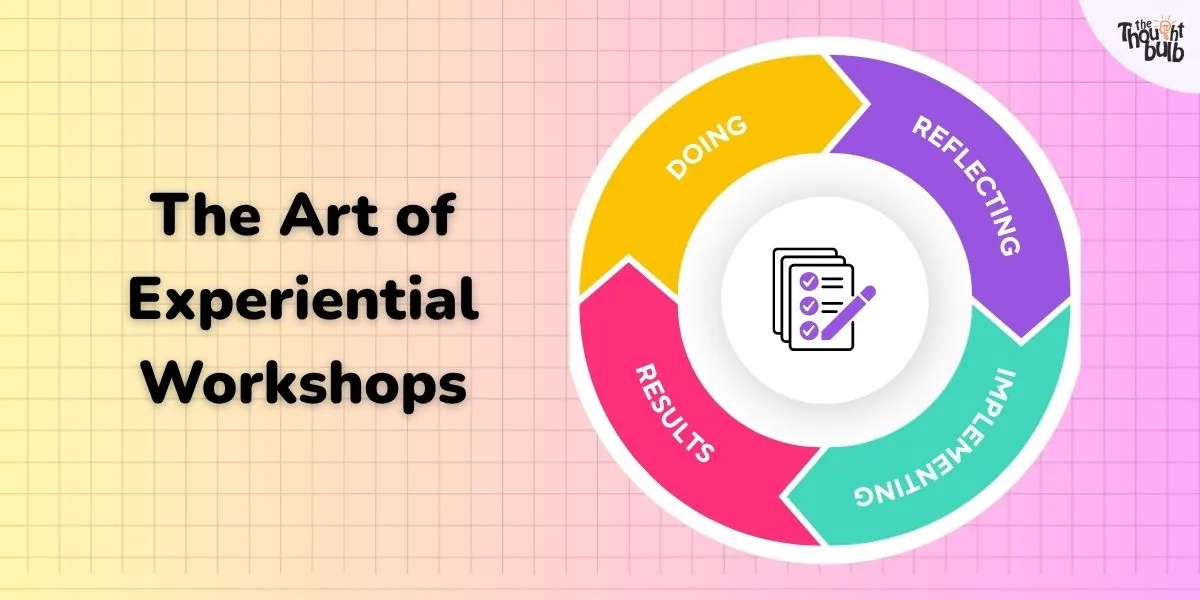
Storytelling version: Traditional workshops = passive notes. Experiential workshops = doing, reflecting, applying in real time. Result? Teams remember more, think faster, trust deeper, and carry it all back to work.
That’s the magic formula.
What's Really Happening? (But Lightly)
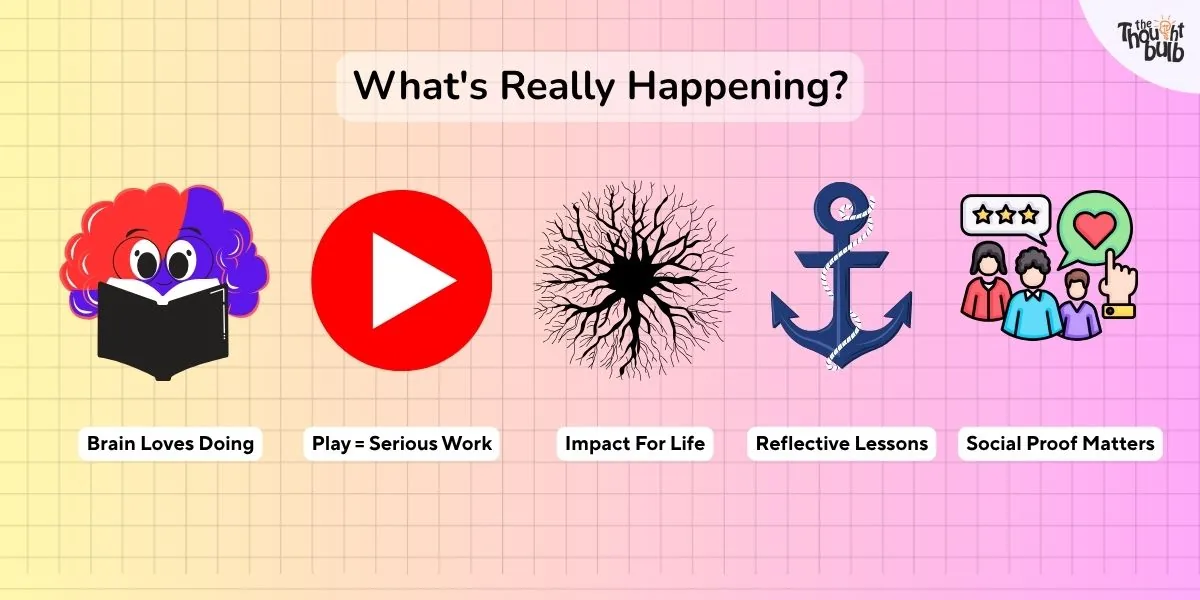
1. The Brain Loves Doing Hands-on challenges light up the prefrontal cortex, hippocampus—even emotional hotspots like the amygdala and dopamine loops. In short? Doing engages the brain—deeply and lastingly.
2. Play = Serious Work Playful problems—like marshmallow builds or escape rooms—release dopamine and oxytocin. Your team bonds, focuses, creates, and thinks differently.
3. Brain Wiring Is for Life Learning through experience physically grows brain connections—this is called neuroplasticity. Your next big idea? Might just come from those shared flash-bang moments.
4. Reflection Anchors the Lesson Pause after each activity. What worked? What crashed? A 25% performance boost comes from just adding a 5-minute debrief.
5. Social Proof Matters We copy teammates. We model behavior. Shared highs and lows create shared cultures. Team norms form around activity, not slides.
Examples: Real Workshops, Real Wins
1. Smart City Mania
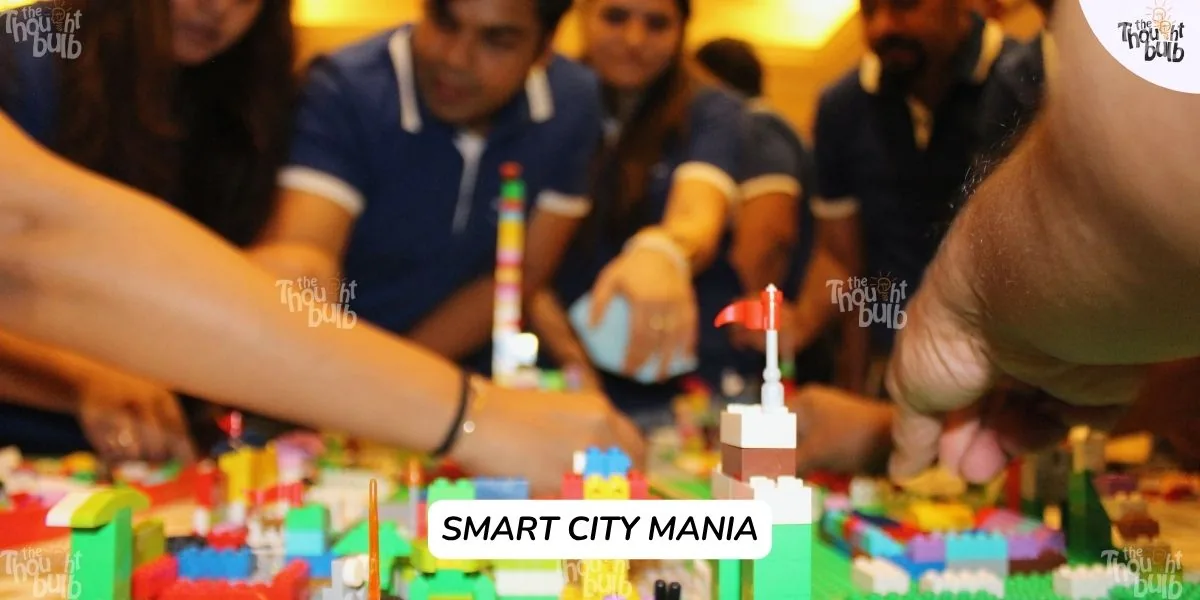
Build a smart city, manage change, collaborate to bring the mega city to life. Brain science? Holistic learning = more insight + real life impact.
2. Outdoor Challenges
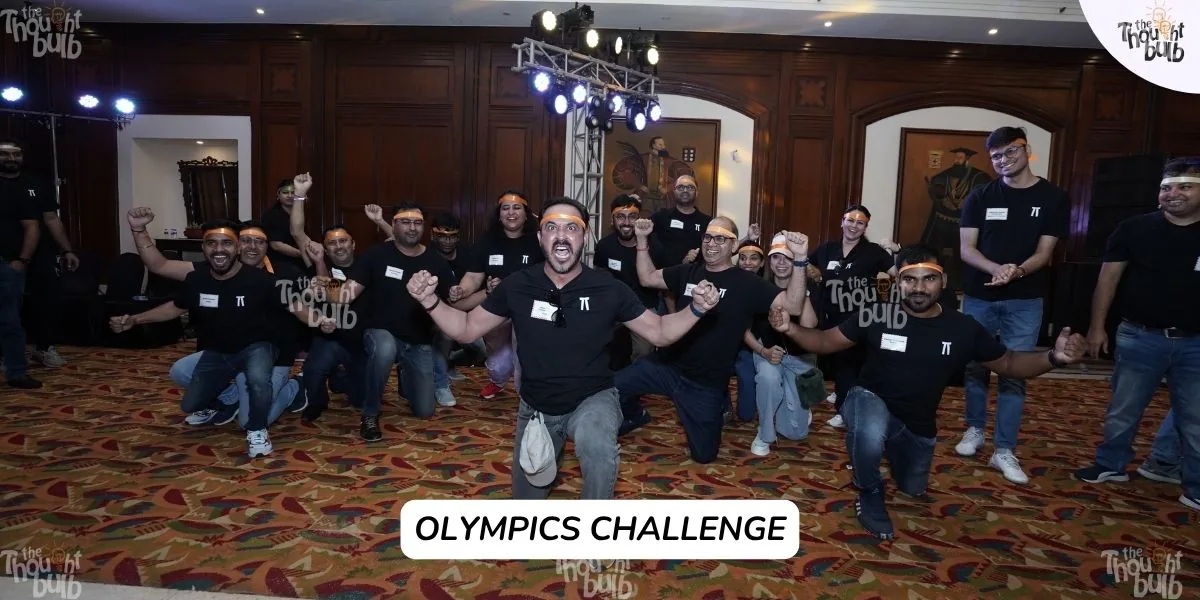
Blindfolded obstacle course? Check. Simulated change drills? Check. It’s not just fun—every misstep, every win, is a lesson in communication, leadership, and emotional regulation.
3. Horse Race Challenge
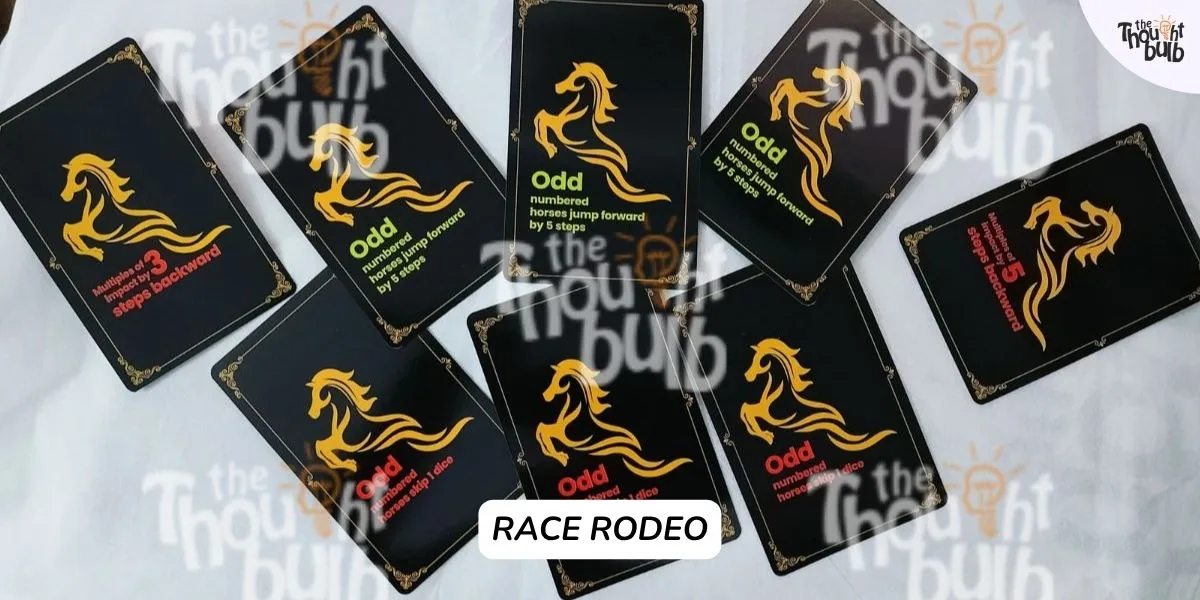
A race game based on cards! Well cards are just behaviors which will be revealed towards the end. A simulation whose objective is not to win but complete the race.
4. Big 5 Technologies
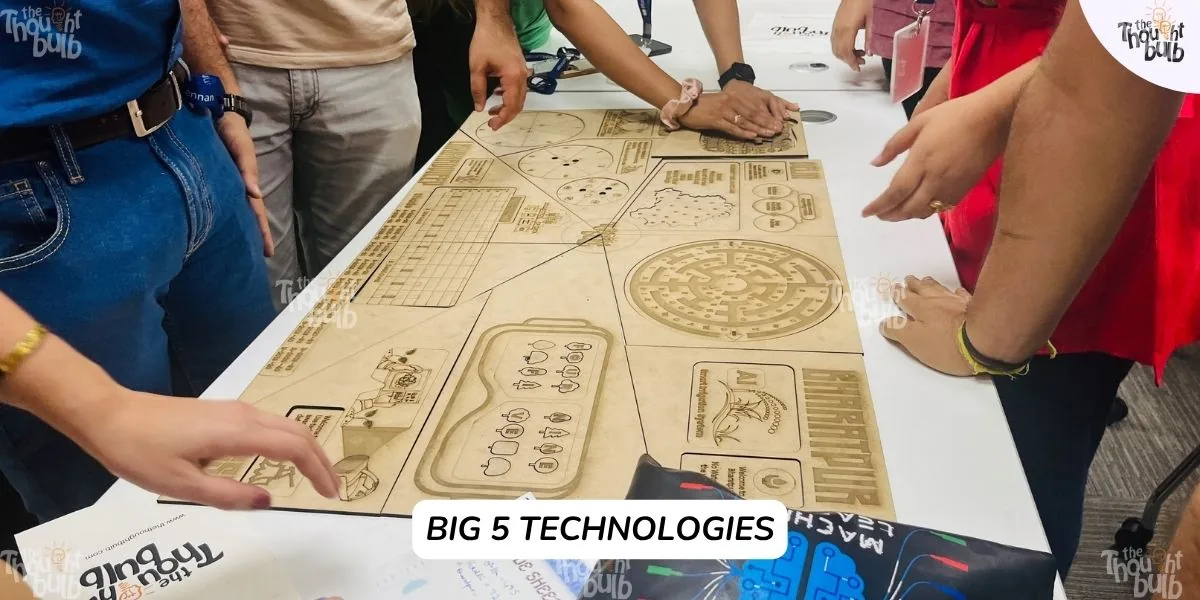
Experiencing top 5 technologies in a gamified setup helps teams navigate through a course of challenges—which enables quick thinking, problem-solving mindset, and agility.
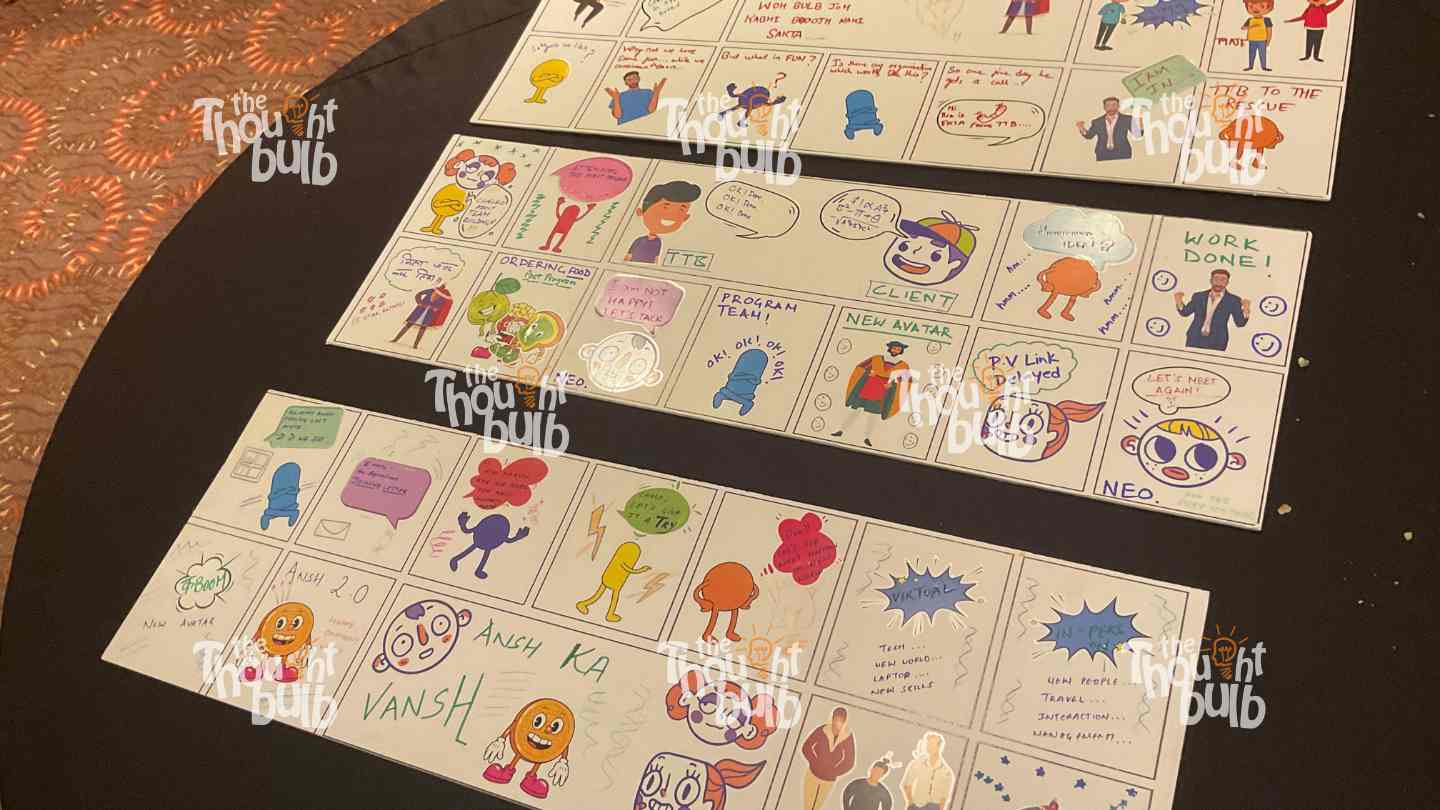
5. Comic Strip Challenge
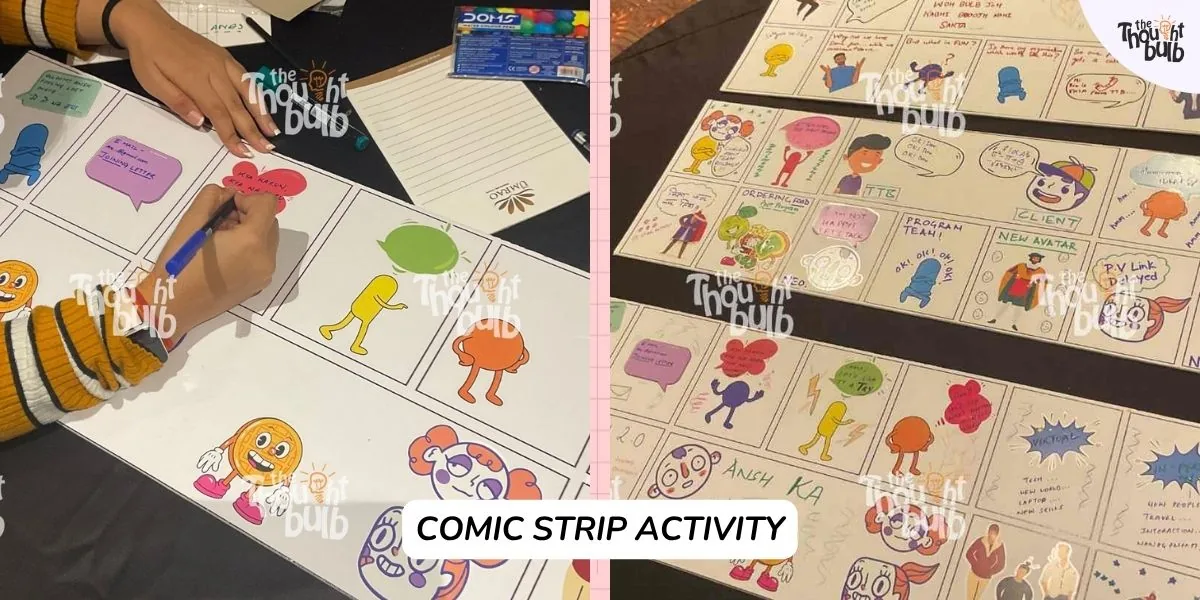
When customer centricity takes the centre stage, which is the best way to learn and adapt than the comic story challenge where teams dive into everyday challenges of customer management and client centricity.
Anatomy of an Experiential Session
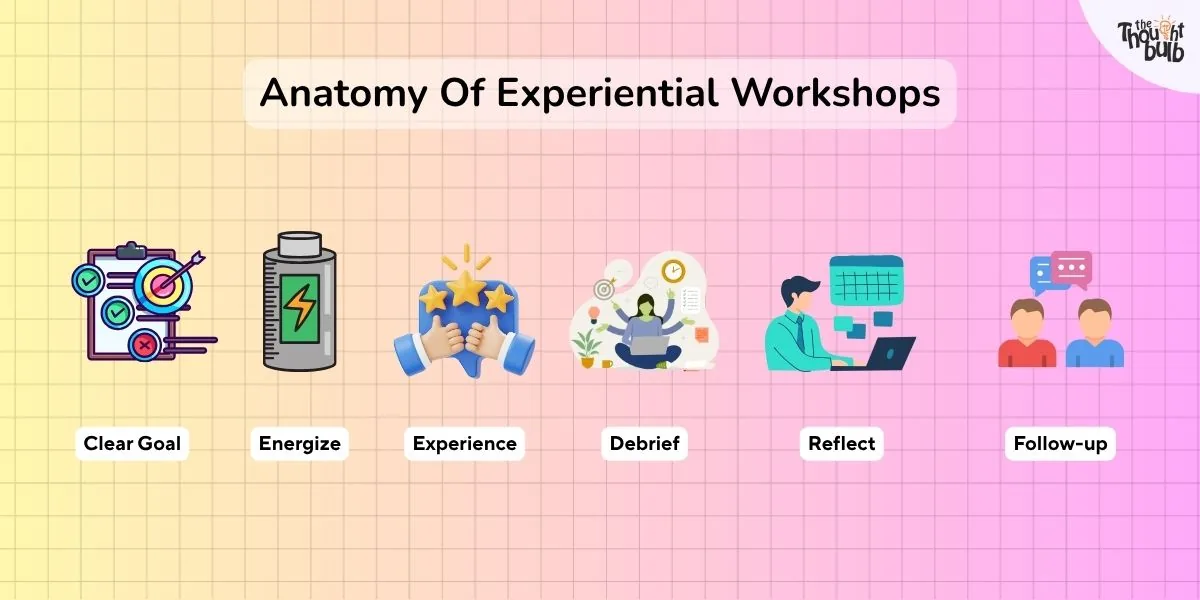
Start With a Clear Aim Want creative thinking? Build recognition? Crisis leadership? Choose activities around the outcome.
Warm-up + Icebreaker Less awkward, more energy. Like fun questions or quick team puzzles.
Main Experience Choose your adventure: build, simulate, code, role-play. Enough challenge to stretch—but not snap.
Debrief: Reflect & Learn "Saw" vs "felt" vs "next time"—structured questions that spark insight.
Tie It Back to Work “What in this mirrors today's meetings?” “How would this help us next sprint?”
Quick Follow-up Email notes, ask for real examples in one week—keep the momentum.
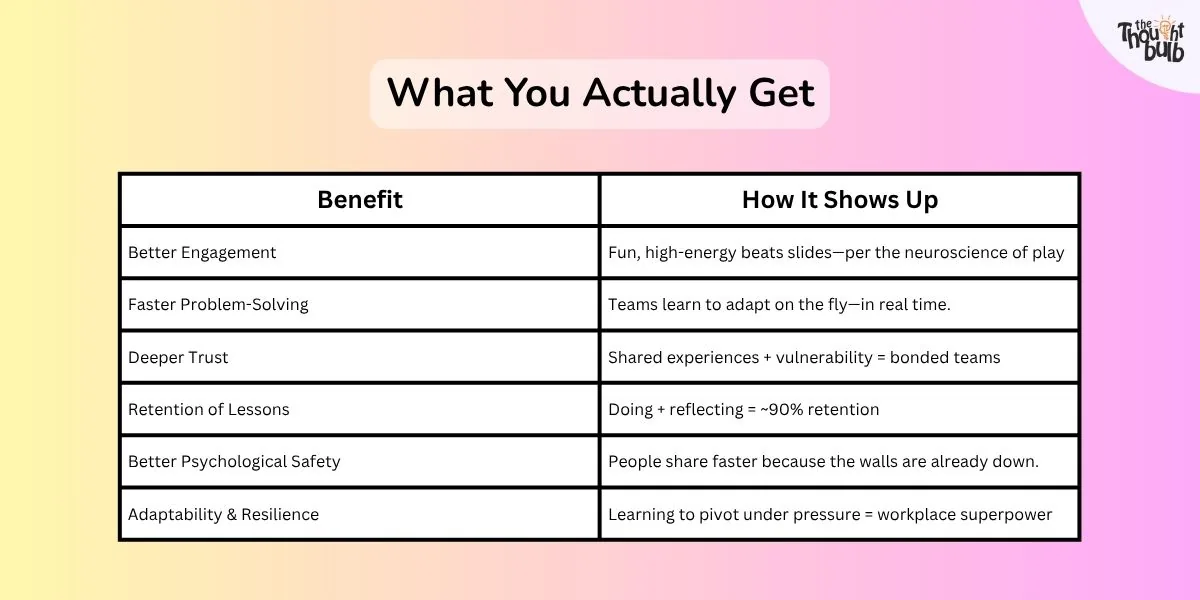
What You Actually Get?
Want to Build One? Here’s How
Pick Your Theme & Goals Trust? Leadership? Crisis response?
Match Activities to Goals Short tasks for trust. Hackathons for innovation. Obstacle courses for adaptability.
Prepare Softly & Smartly Just enough briefing—not too much. Set the safety and tone.
Design Varied Sensory Inputs Combine movement, visuals, puzzles, discussion.
Debrief Is Non-Negotiable Start emotional, then move practical—then future-focused.
Bridge to Work "Use this in our next stand-up"—make it real.
Follow-Up & Measure Surveys, anecdotal check-ins, performance data. Compare before vs after.
Common Misfires (and How to Not Do Them)
“Add fun, skip structure.” Fun without reflection = memorable stories, zero change.
“One-and-done.” Build small regular experiences into team rhythm.
“Remote? No go.” Virtual worlds, escape rooms, shared challenges + breakout rooms = shared experience.
“Too costly.” ROI often returns 2–3x, thanks to faster decisions, less churn, more ideas.
Final Take: Ready to Ignite?
Experiential workshops are learning turbo boosters. They stick because they're fun, social, emotional, and scientific—plus anchored in reality.
Your next steps:
Sketch a pilot: 90-minute exercise + 30-minute debrief.
Frame the outcome: trust, innovation, adaptability?
Survey before + after: capture impact in real language.
Iterate smartly: adjust the next session based on feedback.
Scale via internal sessions after 1–2 wins.
Experiential team-building is serious science, wrapped in play. By tapping into emotional, social, and cognitive grooves, it builds trust, creativity, and resilience—faster, deeper, and more fluidly than passive training.
If your team deserves more than another slide deck, it’s time to get hands-on.
Want help picking your first activity, mapping debrief prompts, or building a mini-experiential playbook? I’ve got you—just say the word.