Walk into almost any Indian office in 2026 and the demographic shift is impossible to miss. The average age on the floor has dropped, the dress code has loosened, and the questions being asked in one-on-ones have changed entirely. Gen Z is no longer the intern cohort you plan for later. They are a quarter of your workforce right now, and by most projections they will be the single largest generational block in Indian workplaces before the decade closes. The problem is that most engagement playbooks in circulation were designed for a different generation with different expectations, and the data suggests they are not landing.
This is not a story about entitled young people. It is a story about a mismatch. Gen Z employees in India are ambitious, digitally fluent, and unusually clear about what they want from work. When organisations meet them where they are, retention and output both improve. When they do not, these employees leave quietly and quickly. Here is what the numbers actually say, and what works on the ground.
The Gen Z Numbers Indian HR Teams Should Know
Before designing anything, it helps to look at the scale and the severity of the engagement gap. Three data points frame the picture clearly.
Gen Z is projected to make up roughly 27 percent of India's workforce in 2026, which works out to around 64 million professionals.
About 34 percent of Gen Z employees in India report being disengaged at work, the highest share of any age group in the workforce.
Gallup's State of the Global Workplace 2026 report put overall employee engagement in India at 23 percent, its lowest level in four years.
A Naukri survey published in 2026 found that one in two Gen Z professionals now treats work-life balance as the single deciding factor when evaluating a job offer.
India's overall attrition is projected to settle near 13.6 percent in 2026, down from 17.1 percent the previous year, but sector variance is extreme, running from 8.6 percent in metals and mining to 28.7 percent in e-commerce.
Read together, these numbers say something specific. The engagement problem in India is not evenly distributed. It is concentrated in the youngest cohort, and it is happening in the sectors that hire the most young people. If your organisation is in technology, e-commerce, consulting, or a global capability centre, the disengagement figure for your under-27 population is very likely worse than the national average.
Why the standard engagement toolkit underperforms here
Most engagement calendars in Indian companies still lean on a familiar set of levers: an annual offsite, festival celebrations, a rewards portal, and a quarterly town hall. None of these are bad. The issue is that they are broadcast activities. They deliver the same experience to everyone and ask very little of the participant. Gen Z employees, who have grown up creating rather than consuming, tend to read passive events as filler. Engagement for this group is closer to participation than to entertainment.
What Gen Z Employees in India Are Actually Optimising For
Autonomy over instruction
This cohort responds poorly to being told exactly how to do something and unusually well to being given a problem and a constraint. In practice this means shifting from prescriptive briefs to outcome briefs. Instead of a five-step process document, give the outcome, the deadline, the guardrails, and let them route to it. Managers who make this shift consistently report faster ramp-up on new hires.
Visible progress, not annual review cycles
A twelve-month feedback loop feels geological to someone who has spent their entire life in environments with instant feedback. Fortnightly check-ins with a specific, named piece of feedback outperform elaborate annual review systems for this group. The frequency matters more than the formality.
Purpose that survives scrutiny
Gen Z employees will fact-check your mission statement against your actual behaviour. Vague social responsibility language does not move them. Concrete, participatory contribution does. This is one reason hands-on community and sustainability work has become one of the more reliable engagement levers for younger teams.
If purpose is the gap you are trying to close, it is worth looking at how structured, hands-on contribution programmes are built. Our CSR team building activities page covers formats that produce a tangible output rather than a photo opportunity.
Flexibility as a baseline, not a benefit
Framing hybrid work as a perk reads as out of touch to a group that considers it a default condition of knowledge work. The more useful conversation is about what in-person time is actually for. Teams that reserve office days for collaboration, problem-solving, and social connection, rather than for solo work that could happen anywhere, see far less resistance.
Designing Engagement That Gen Z Will Actually Show Up For
The common thread across formats that work with younger Indian teams is that they require creative input, produce something the team can point at afterwards, and involve a degree of friendly competition. Two experiences in our catalogue illustrate the pattern well.
AI Movie Making Challenge
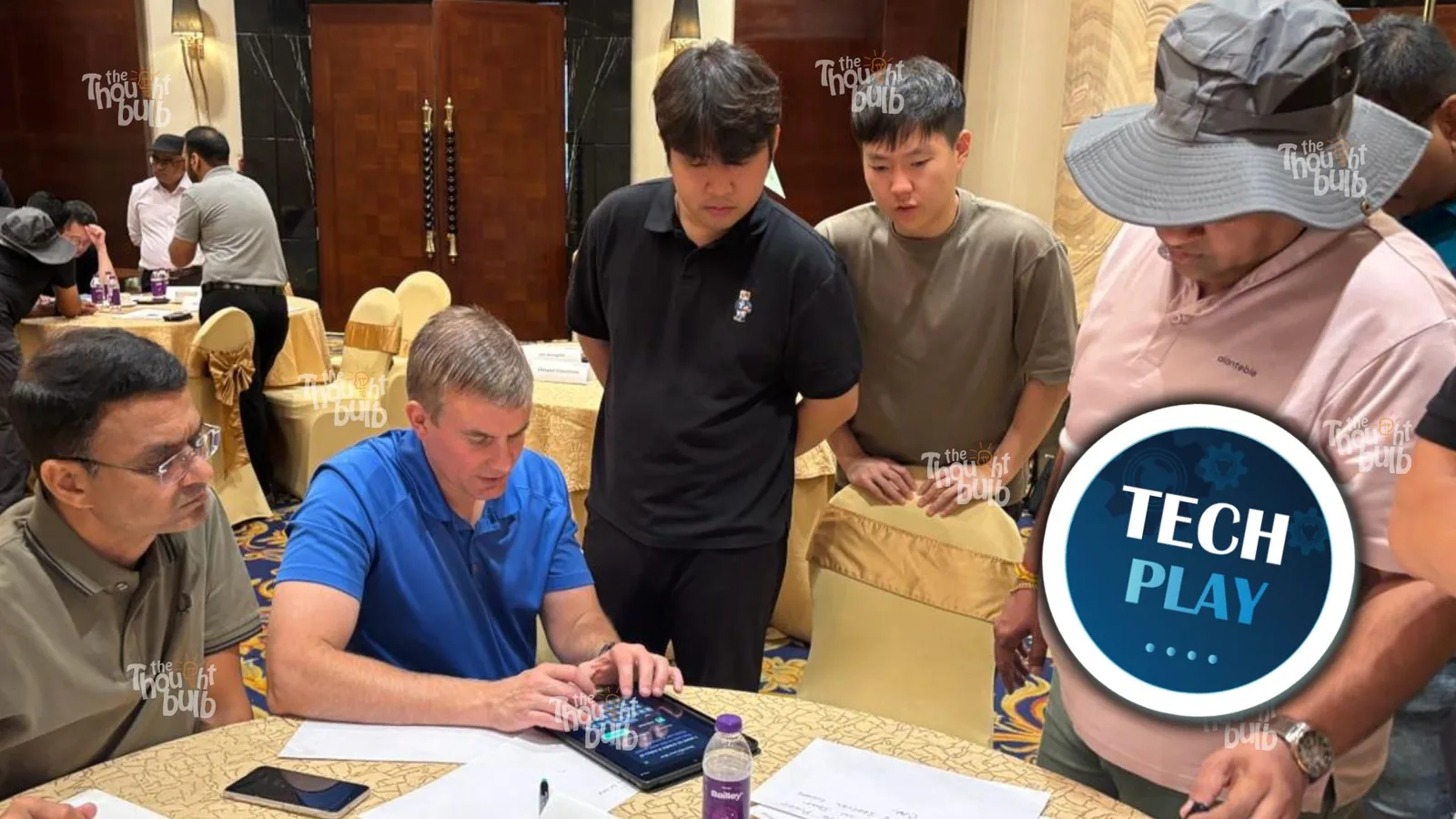
Teams are given a brief and a set of AI tools, and they write, direct, and produce a short film within a fixed window. It works with Gen Z for three reasons: it hands them technology they are already curious about, it demands genuine creative decisions rather than following instructions, and it ends with a screening where every team's output is visible to the room. The collaboration happens naturally because a film cannot be made alone. It also quietly builds AI fluency across the team, which most organisations are trying to accelerate anyway.
Comic Strip Virtual Challenge
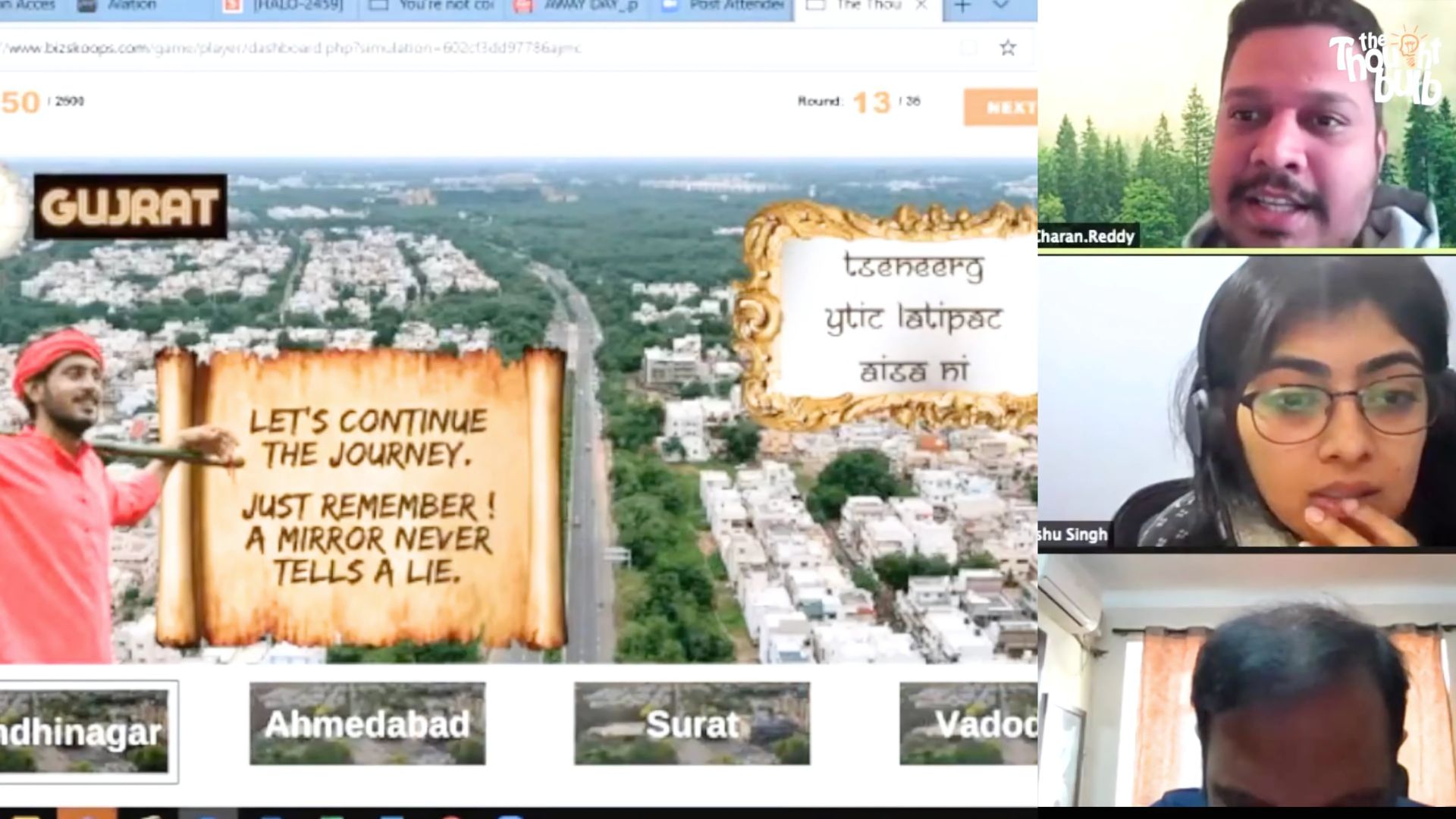
For distributed teams, the equivalent format is the Comic Strip Virtual Challenge, where remote groups build a visual narrative panel by panel. Virtual engagement usually fails because it replicates a meeting. This one does not, because it requires each participant to contribute a distinct piece to a shared artefact. Nobody can quietly leave their camera off and coast. For hybrid teams with Gen Z members spread across cities, this format travels well.
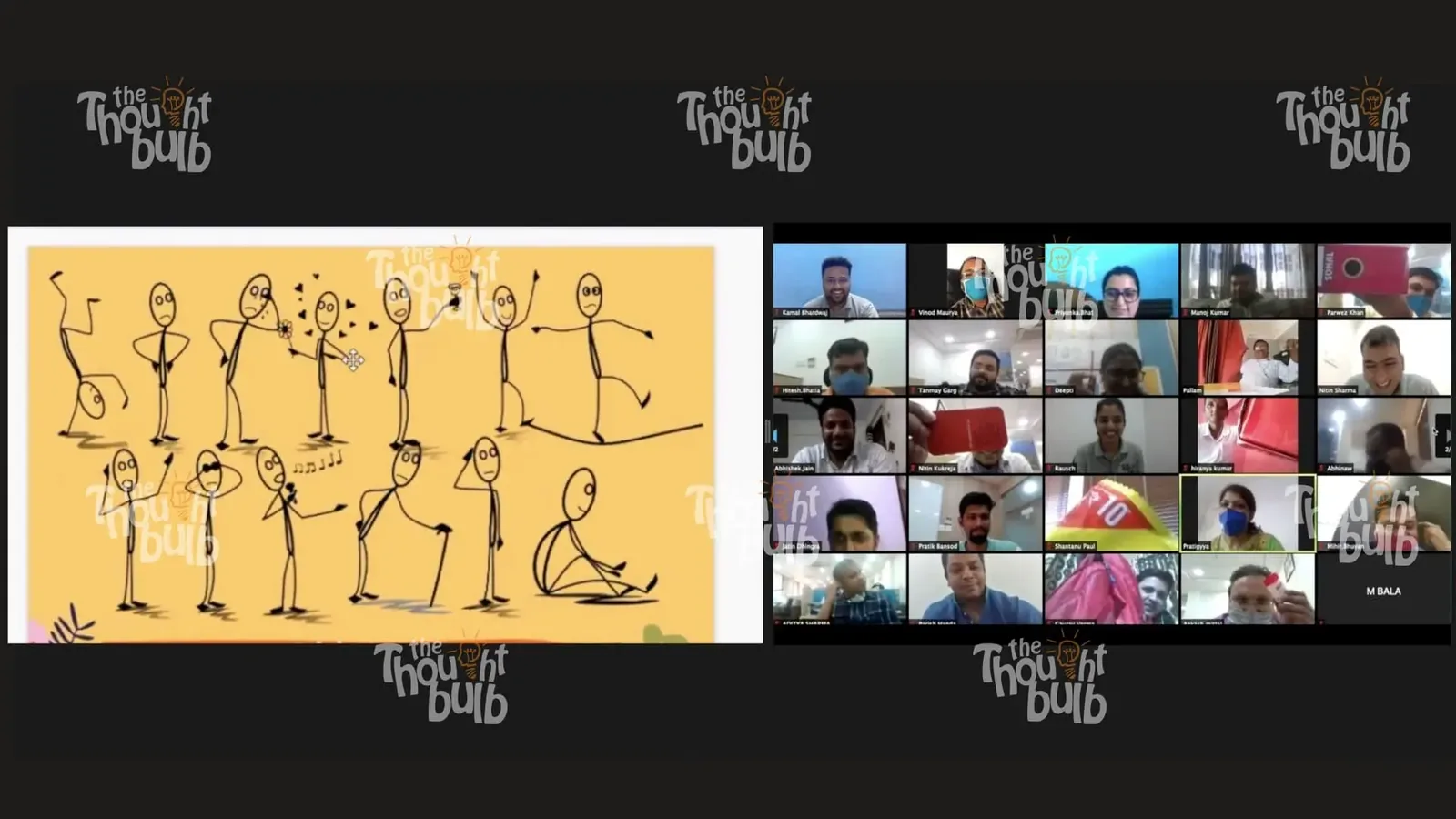
Both formats sit within a wider catalogue of in-person and remote experiences. You can browse the full range on our activities page and filter by team size, location, and outcome.
A Real Example: Mercer in Gurgaon
Mercer ran the AI Movie Making Challenge with their Gurgaon team. The group was split into teams, each given a creative brief, and asked to produce a complete short film using AI tools within the session. The output was screened for the whole group at the end. What made it effective was not the novelty of the technology but the structure around it: a real deadline, a real audience, and a requirement that every team member contribute to a decision. Cross-functional participants who had not worked together directly ended up negotiating story, casting, and edit choices in a low-stakes setting, which is precisely the muscle you want built before a high-stakes project.
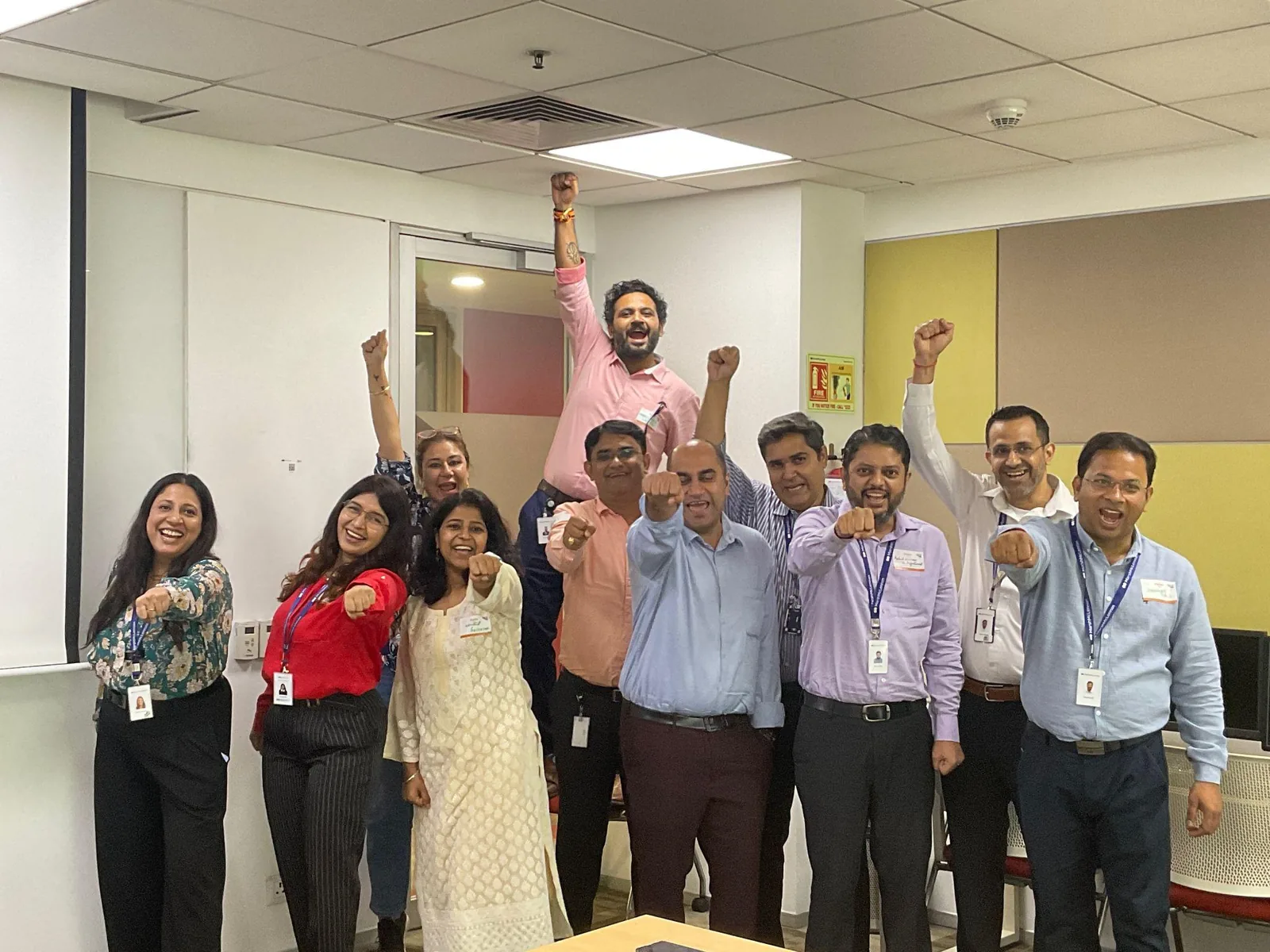
More examples of how Indian and global teams have used experiential formats are documented in our case studies section.
Five Practical Shifts to Make This Quarter
None of these require budget approval at board level. All of them are things an HR or people team can start within a quarter.
Replace one broadcast event with one participatory one. If you run four town halls a year, convert one into a working session where teams build something.
Move feedback to a fortnightly rhythm. Short, specific, and named. Frequency beats formality.
Let Gen Z employees design one engagement activity per quarter, with a budget and a deadline. Ownership changes attendance rates more than any communication campaign.
Audit what your office days are for. If people are commuting to sit on video calls, the flexibility conversation is already lost.
Give purpose a physical form. One hands-on contribution activity per year outperforms twelve months of mission-statement messaging.
What to measure
Attendance at voluntary events is the honest metric here, because Gen Z employees vote with their calendars. Track the ratio of voluntary to mandatory participation over two quarters. Pair it with regretted attrition in the under-27 band specifically, rather than looking at a single blended attrition number that hides the problem you are trying to solve.
The Cost of Getting This Wrong
There is a hard commercial edge to this. Indian IT firms and global capability centres have reportedly been allocating a substantial share of recent hiring simply to backfill young employees leaving faster than workforce plans anticipated. Every one of those exits carries recruitment cost, ramp-up time, and lost institutional knowledge. Meanwhile, research consistently finds that organisations perceived as leading with genuine empathy report materially higher engagement and lower attrition than sector peers. The gap between those two outcomes is largely a design question, not a budget question.
Gen Z employees are not harder to engage than previous generations. They are harder to fool. Activities that exist to be photographed will be recognised as such. Activities that ask something real of them, and give them something real to show for it, tend to work the first time.
Where to Start
Pick one team, one quarter, and one format. Run something participatory, ask the group afterwards what they would change, and let them run the next one. The organisations that have shifted their Gen Z engagement numbers meaningfully did not overhaul their culture in a single programme. They built a habit of handing over ownership, one session at a time.
If you are planning your engagement calendar for the rest of 2026 and want help designing something your younger teams will actually turn up for, we are happy to talk through what has worked for teams of your size and structure.