Ask almost any HR leader in India what keeps their best people, and salary comes up first. But salary is rarely why people leave. They leave because months of effort go unseen, because a hard quarter ends with silence instead of a thank you, because the only feedback they get is when something breaks. Recognition is the cheapest, fastest lever most Indian companies have for retention and morale, and it is also the one most often left switched off. As hiring slows and teams are asked to do more with less in 2026, getting recognition right is no longer a nice-to-have.
This guide lays out what good recognition actually looks like, why it matters more than ever in India right now, and a practical set of ideas you can start using this week, from no-cost daily habits to experiences your team will remember.
Why Recognition Matters More Than Ever in 2026
The data on recognition is striking, and it points the same way every time: people who feel seen stay, and people who do not, leave. With global engagement at multi-year lows and Indian managers under particular pressure, recognition is one of the few interventions that moves both morale and retention at once.
About 71 percent of employees say frequent recognition would make them less likely to leave their job.
Employees who are recognised are roughly 45 percent less likely to leave within two years.
Organisations with strong recognition programmes see around 31 percent lower voluntary turnover.
87 percent of employees say meaningful recognition affects their job satisfaction, and regular recognition is linked to about a 14 percent lift in engagement and productivity.
This lands hard in India specifically. Gallup's latest data shows only about 21 percent of employees worldwide are engaged, and South Asia, led by India, recorded the steepest fall in manager engagement of any region last year. When managers are stretched and disengaged, recognition is usually the first thing to disappear, exactly when teams need it most.
What Good Recognition Actually Looks Like
Recognition fails when it is generic, delayed, or purely top-down. A yearly award night does little for the person who carried the team through March. The principles below separate recognition that changes behaviour from recognition that feels like a formality.
Timely: acknowledge effort within days, not at the next appraisal cycle.
Specific: name the exact behaviour and its impact, not a vague 'great job'.
Mix of peer and manager: people value recognition from colleagues as much as from bosses.
Mix of public and private: a public shout-out motivates, a private note of thanks builds trust.
Consistent: a steady rhythm beats one grand annual gesture.
12 Employee Recognition Ideas for Indian Teams
You do not need a big budget to recognise people well. Here is a mix of low-cost habits and higher-impact moments that work across in-office, hybrid, and fully remote Indian teams.
Start meetings with a 60-second 'wins and thanks' round where anyone can call out a colleague.
Send a short, specific thank-you message the same day someone goes above and beyond.
Create a peer-nominated 'star of the week' on your team channel, with the reason attached.
Recognise effort and learning, not just outcomes, so people stay motivated through setbacks.
Celebrate work anniversaries and personal milestones, not only project wins.
Give managers a small monthly budget for spot rewards: a meal, a book, a gift card.
Write a note to a high performer's manager or skip-level so recognition travels upward.
Offer time, not just trophies: an early Friday or a flexible day is deeply valued.
Run a quarterly team celebration that ties recognition to a shared experience.
Make recognition visible to leadership in town halls so good work is seen company-wide.
Recognise the 'glue work' (mentoring, documentation, helping others) that often goes unnoticed.
Ask people how they like to be recognised; some love the stage, others prefer a quiet word.
If you want a structured way to space these moments across the year rather than leaving them to chance, our employee engagement calendar is a simple framework to build a recognition rhythm into every quarter.
Make Recognition an Experience, Not Just a Certificate
The recognition people remember is rarely a printed certificate. It is the moment the whole team stopped to celebrate together. Turning appreciation into a shared experience multiplies its impact, because people feel valued and connected at the same time.
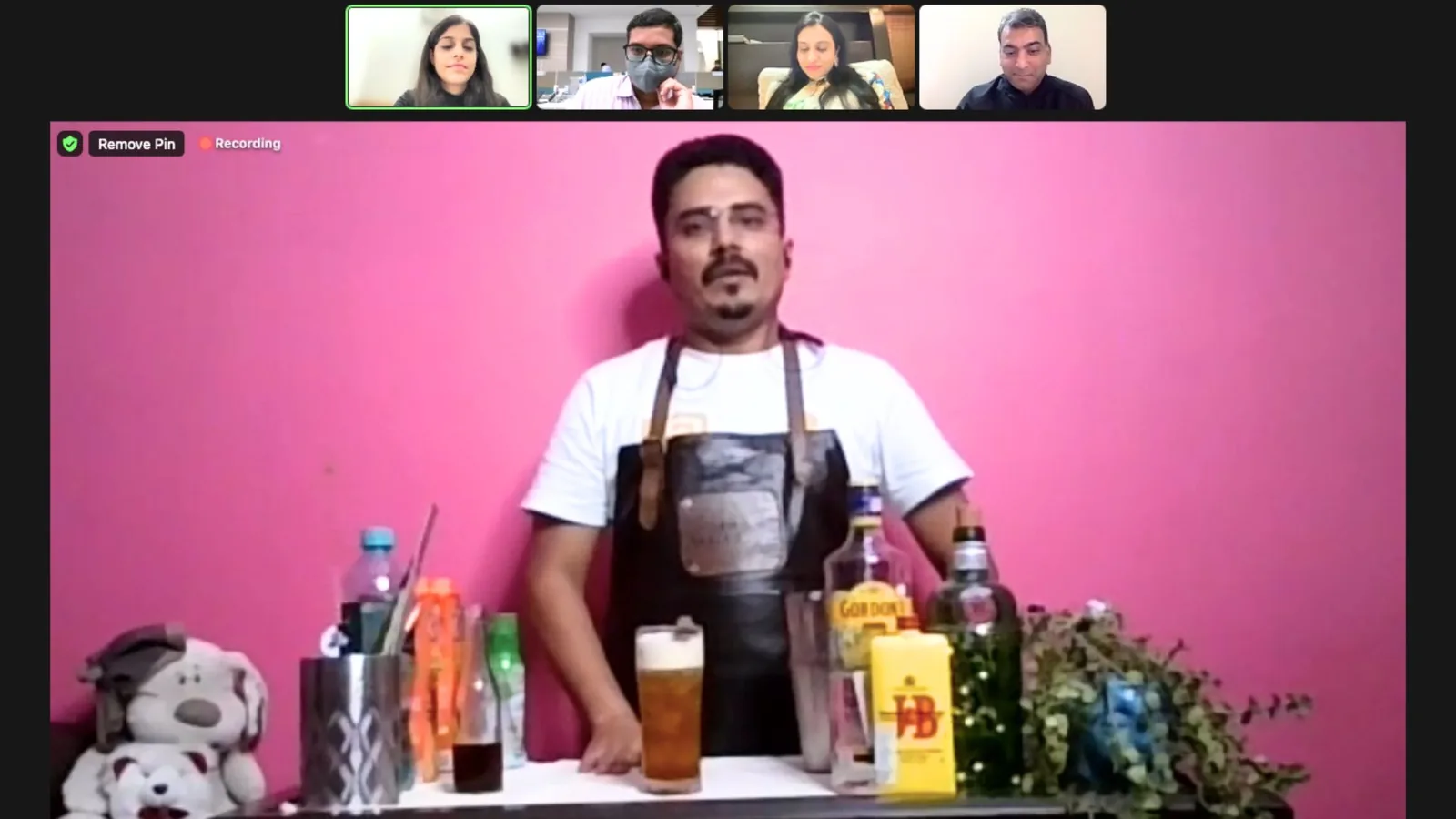
Raise A Virtual Toast is built exactly for this. It is a hosted virtual celebration where distributed teams come together to acknowledge wins, raise a toast to colleagues, and mark milestones in a way a Slack message never could. For remote and hybrid Indian teams spread across cities, it turns recognition into a genuine event rather than a line in a thread.
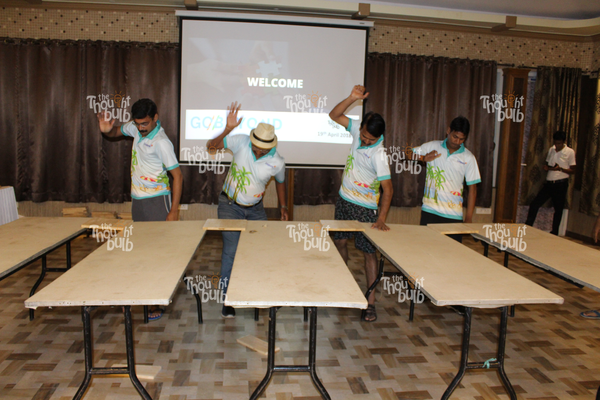
For in-person teams, the Bloom Booth Challenge pairs creativity with appreciation: teams build and personalise something together, with recognition and storytelling woven into the activity. It is a warm, hands-on way to celebrate people and strengthen bonds at the same time, ideal for a quarterly team day or an appreciation event.
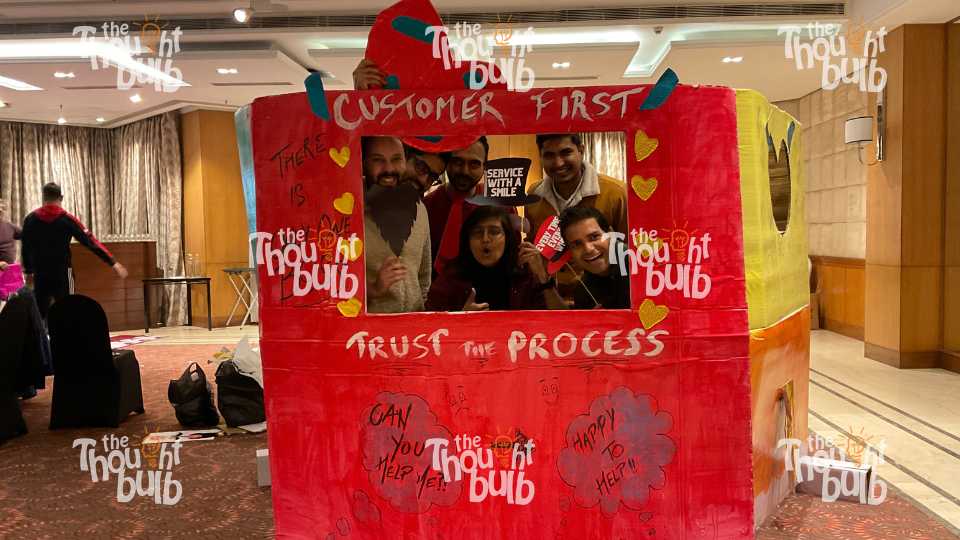
Both of these, along with other celebration-ready formats, sit in our wider range of virtual team building and in-person experiences you can build a recognition moment around.
What This Looks Like in Practice
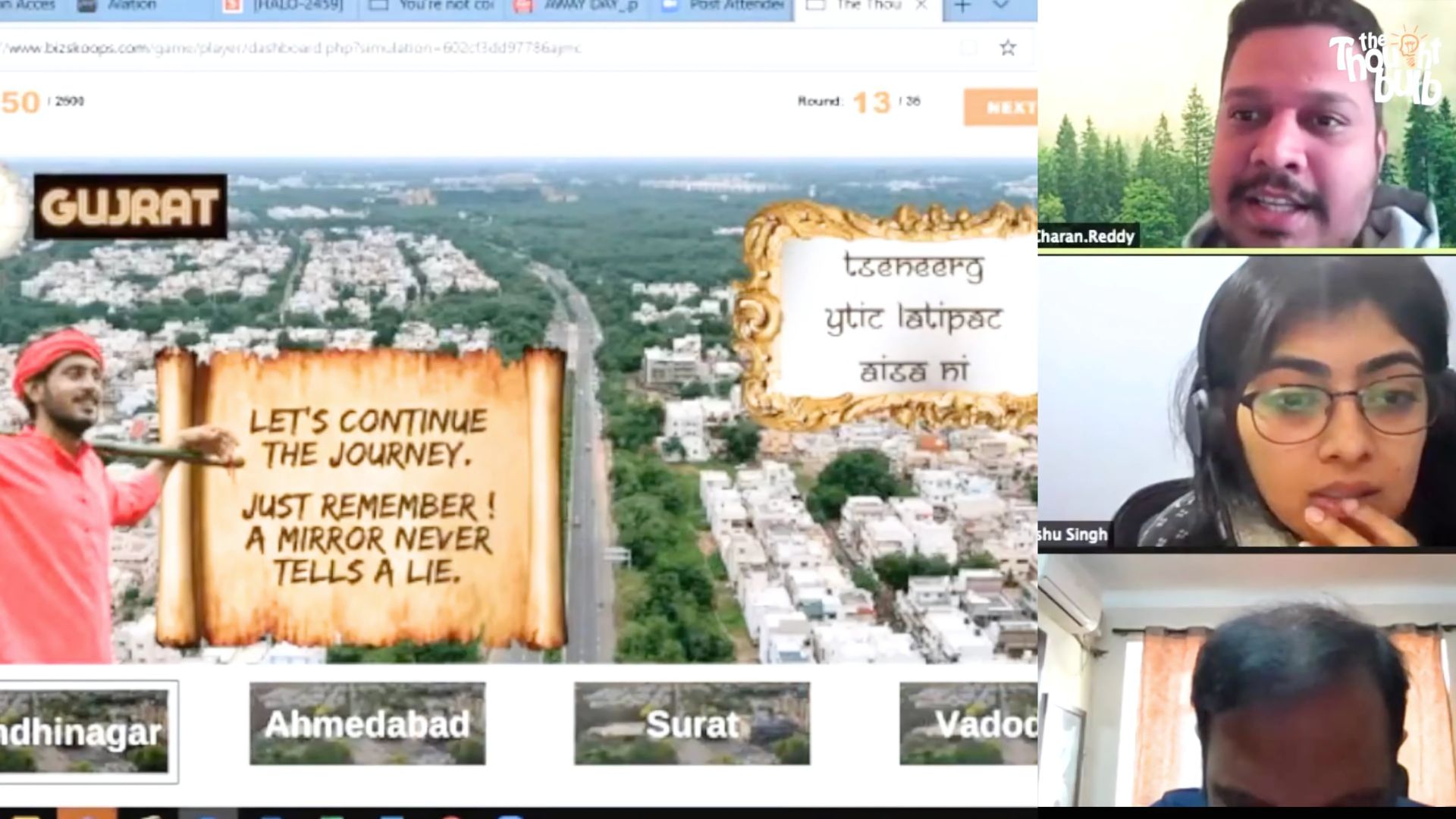
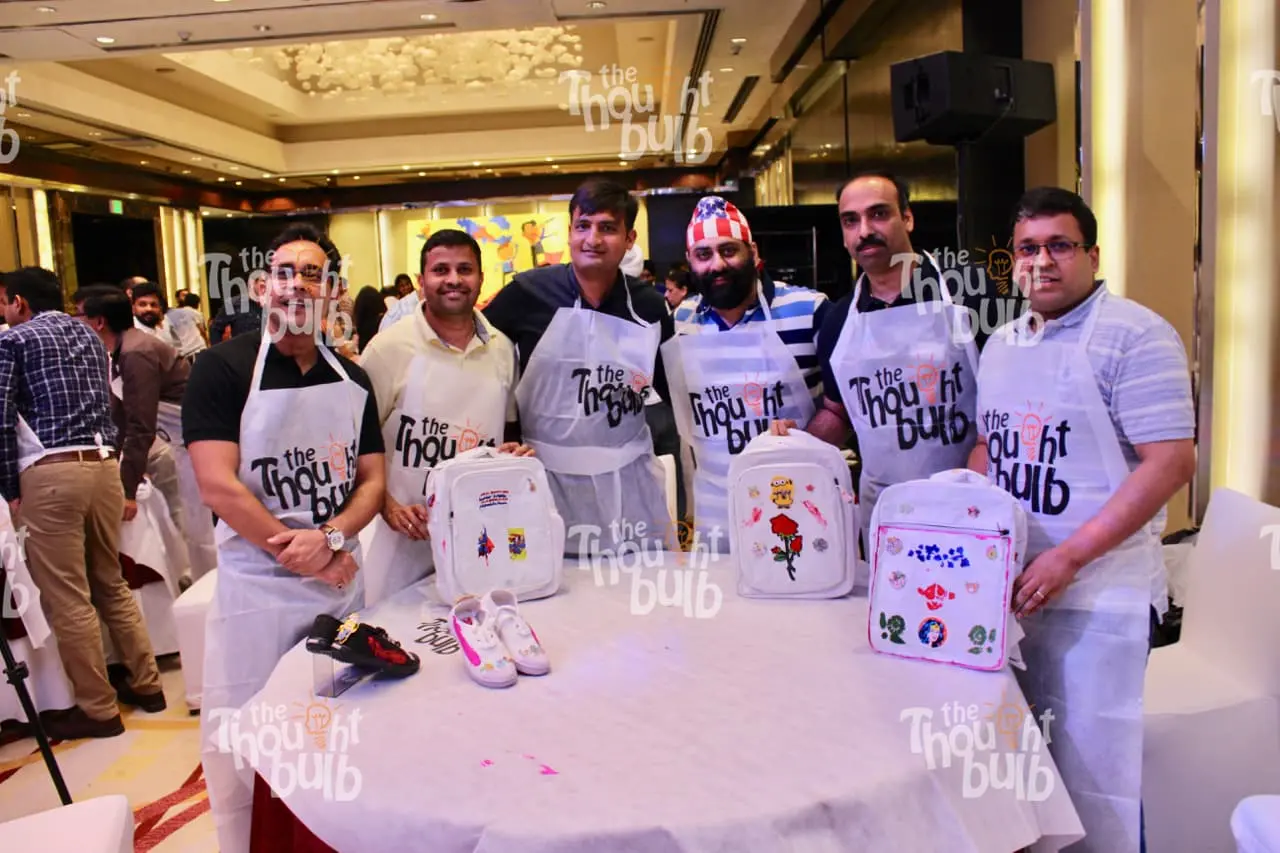
Recognition works best when it is designed into an experience rather than bolted on. For one client, we ran an Experiential Program on Happiness, built around positive psychology and structured around appreciation, gratitude, and celebrating one another's strengths. Rather than lecturing people on morale, the session had teams actively recognising and valuing their colleagues through guided activities. Participants left more connected and more aware of each other's contributions, and the organisation walked away with simple recognition habits they could keep using long after the session ended.
Building a Recognition Rhythm That Sticks
The companies that recognise well do not rely on goodwill or memory. They build small systems so appreciation happens even when everyone is busy. A few practical moves keep recognition consistent rather than sporadic.
Make 'wins and thanks' a fixed agenda item in weekly meetings.
Give every manager a simple monthly nudge to recognise at least two people specifically.
Keep one quarterly celebration on the calendar, booked in advance.
Track participation, not just spend, so you can see whether recognition is actually happening.
Measuring Whether Recognition Is Working
You do not need a complex dashboard. A short pulse question such as 'I feel my work is valued here' asked each quarter will tell you a great deal, especially when read alongside retention of your strongest performers. Watch the qualitative signals too: are people thanking each other unprompted, are managers calling out good work in town halls, are exit conversations mentioning feeling unseen. Given how tightly recognition is linked to retention, even small improvements here protect the people you most want to keep.
Start Small, Start This Week
Recognition is not a programme you need months to launch. It is a habit you can begin in your next team meeting with a single specific thank you. Layer in a peer shout-out channel, a quarterly celebration, and the occasional shared experience, and within a quarter appreciation becomes part of how your team works rather than an afterthought. In a year when engagement is under pressure and talent is hard to replace, that is one of the highest-return habits an Indian company can build.
If you would like to turn appreciation into an experience your team remembers, explore our case studies or talk to the team about a recognition-focused session designed around your people.