Diwali is the single biggest employee engagement moment on the Indian corporate calendar, and by mid-September the companies that get it right have already started planning. If your HR calendar still has a blank square where Diwali should be, this is the week to fill it in - team building partners, venues and gifting vendors book out completely by the first week of October. This is not just a nice-to-have either: Diwali celebrations land squarely inside appraisal season, exactly when attrition risk, festive-season deadlines and end-of-year fatigue all peak together inside Indian offices.
Why Diwali Is the Biggest Employee Engagement Moment in Indian Offices
A Festival Every Team Can Rally Around
Unlike most corporate engagement initiatives, Diwali does not need to be explained or sold internally. Employees across regions, functions and seniority levels already know what it means, which makes it one of the only moments in the year when a celebration can pull an entire company together without a change-management deck. For HR and people teams, that is rare leverage. A well-run Diwali celebration does double duty: it delivers the kind of shared, positive experience that builds real camaraderie, and it gives leadership a natural, low-friction reason to recognise a difficult year of work before everyone scatters for the festive break.
The Data Behind the Diwali Effect
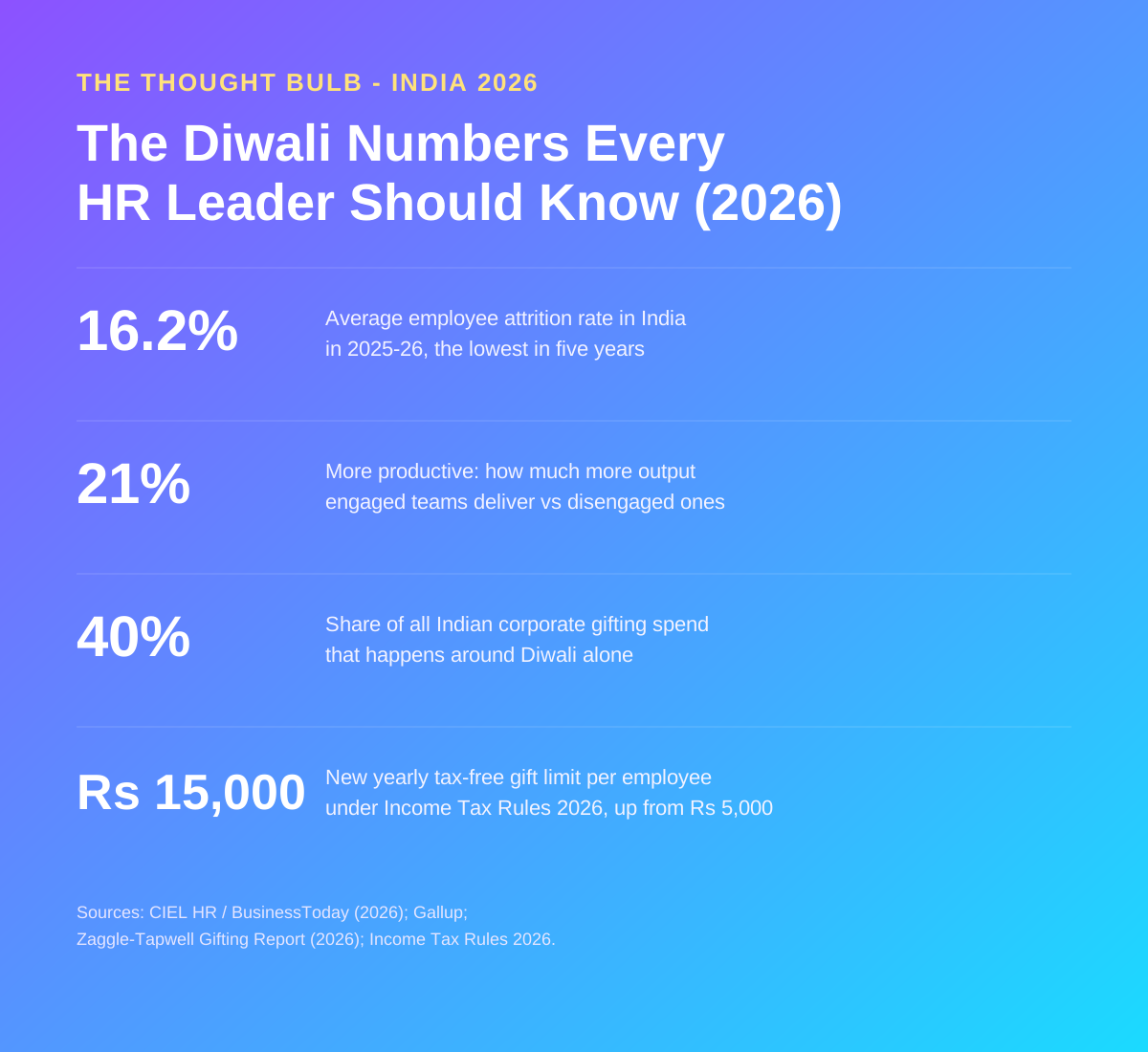
None of this is just goodwill. The numbers back up why festive celebrations belong on the HR budget line, not just the admin one:
The average employee attrition rate in India sits at 16.2% for 2025-26, the lowest in five years, and retention-focused culture moments like Diwali are part of why that number is finally moving in the right direction.
Gallup research shows engaged teams are 21% more productive than disengaged ones, and shared festive experiences are one of the fastest ways to move a team from disengaged to engaged, even briefly.
40% of all corporate gifting spend in India happens around Diwali alone, so the festival is already where most of the engagement budget goes. The only question is whether it is spent well.
Under the Income Tax Rules 2026, employee gifts up to Rs 15,000 per financial year are now tax-free, up from Rs 5,000. That is real headroom to make a Diwali gift or experience actually count.
Put together, the data points to one conclusion: Diwali is already the moment when Indian companies spend the most on their people. A team building experience or a well-designed celebration, not just a gift box, is what turns that spend into engagement instead of a line item.
Three Mistakes Companies Make With Diwali Celebrations
Decorations Without a Design
The most common mistake is treating Diwali as a decor budget rather than an experience to design. Diyas, rangoli and a sweets table make an office look festive for a day, but they do not build connection between people who do not already talk to each other. If the celebration has no structured activity, no icebreaker and no reason for cross-team mixing, most employees will spend it at their own desks with their own team, which is exactly the outcome a Diwali celebration is supposed to fix.
Forgetting Remote and Multi-City Teams
The second mistake is planning only for headquarters. Companies with distributed or hybrid teams often run a single in-person party at the largest office and send everyone else a message on chat. Employees in smaller cities or working from home notice the gap immediately, and it undoes a lot of the inclusion work HR has done all year. A parallel virtual celebration costs a fraction of the in-person budget and closes that gap in a single afternoon.
No Feedback Loop for Next Year
The third mistake is running the celebration and moving straight to the next task without capturing what worked. Without a quick pulse check or a few photos and quotes for internal comms, HR has no evidence of impact for the next budget conversation, and the celebration itself is forgotten within a week instead of becoming a culture story people repeat.
Building a Diwali Celebration Every Team Can Join
For Teams in the Office
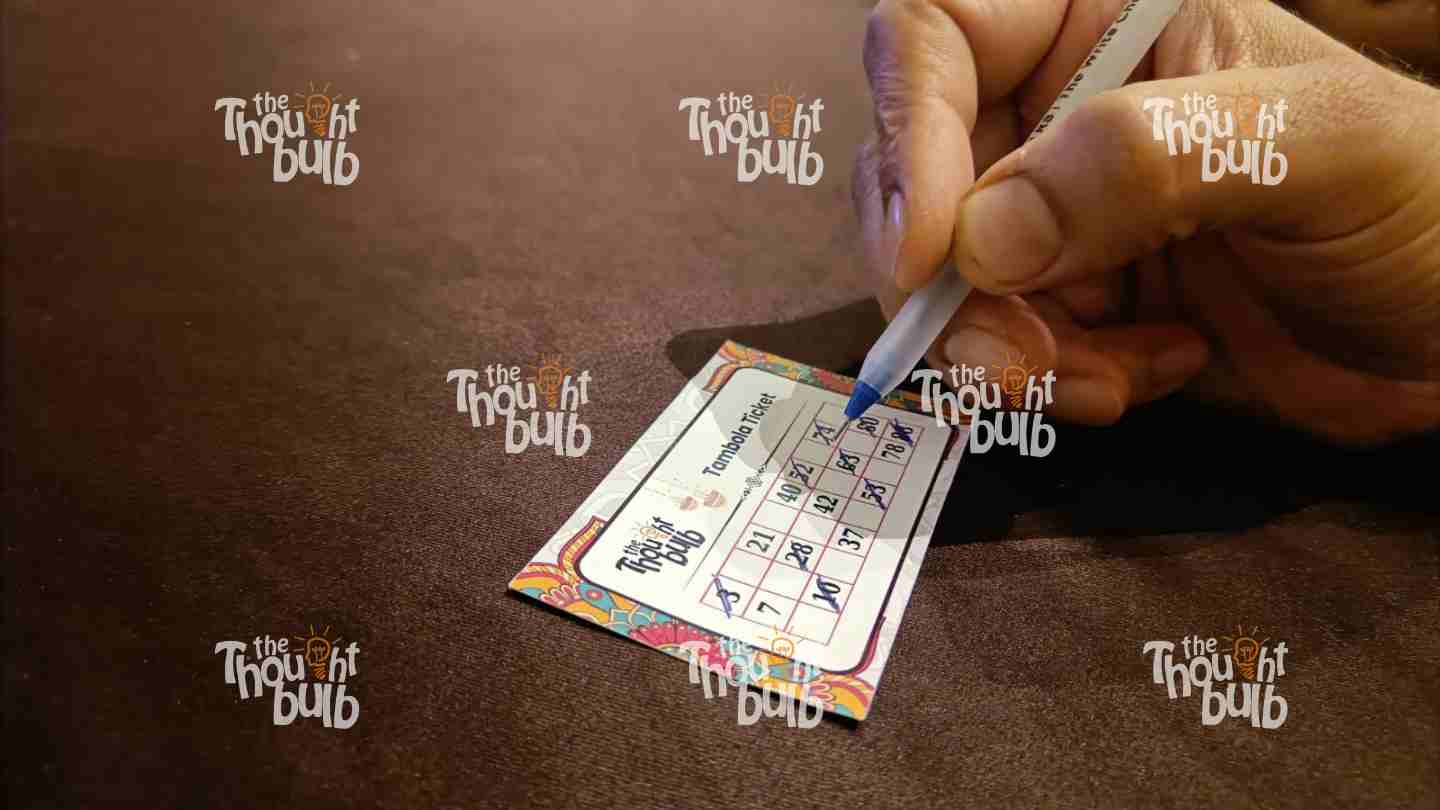
For in-office teams, the goal is structured mixing, not just decoration. A hosted tambola session works well because it needs almost no explanation, scales from 20 to 2,000 people, and naturally puts people from different teams at the same table. Add a round of prizes tied to company values or recent wins, and it doubles as a recognition moment without feeling like a formal awards ceremony. Diya or lamp-painting stations are a good lower-energy add-on for teams that want a quieter, more reflective activity alongside the games.
For Remote and Hybrid Teams
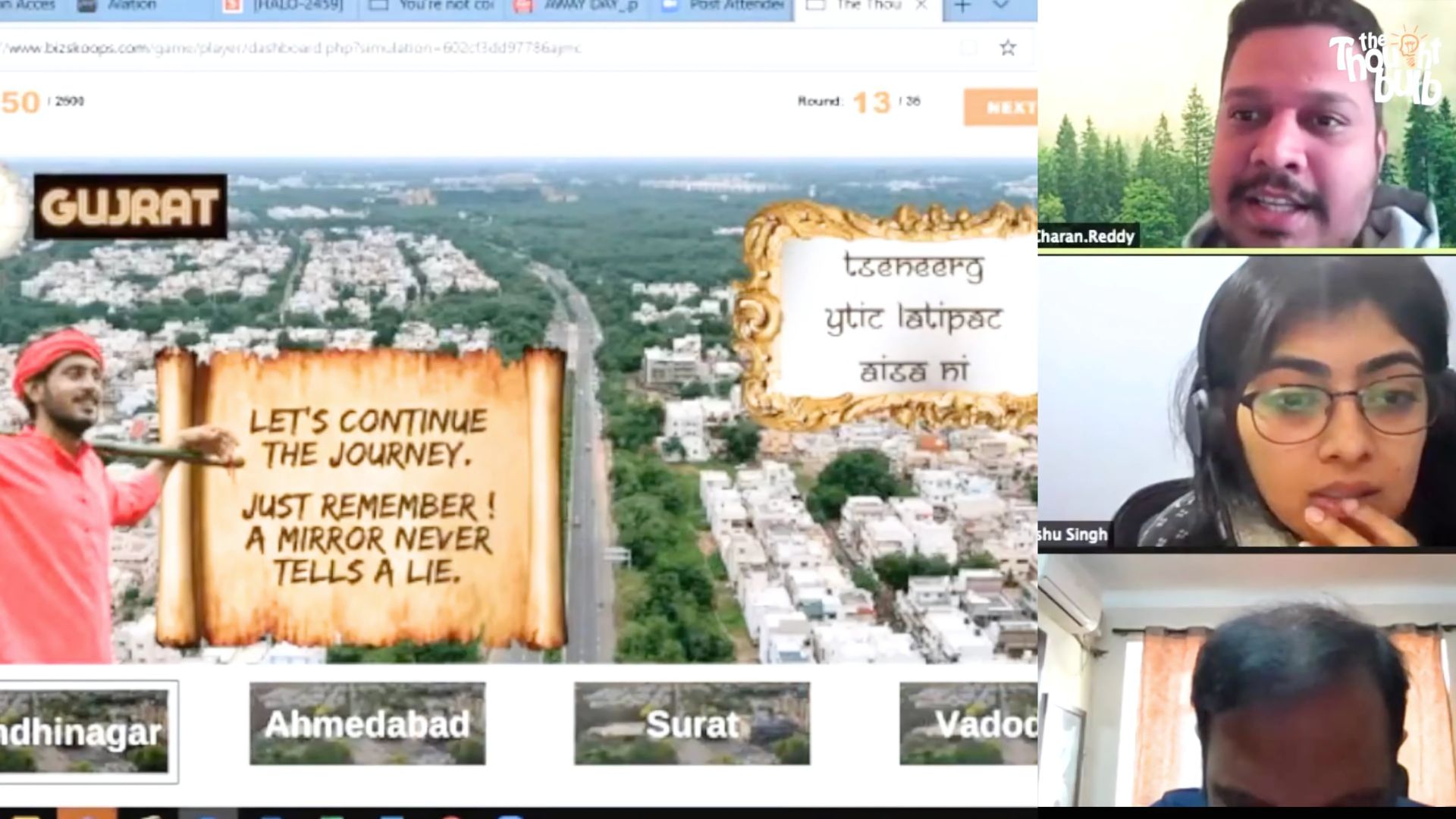
Remote and multi-city teams need their own version of the same energy, not a scaled-down copy. A virtual Bollywood-themed celebration with music, quick games and a costume or decor contest judged live gives distributed employees the same shared, screen-off-for-an-hour experience that in-office teams get by default. Browsing the full library of in-person and virtual activities is the fastest way to shortlist two or three options that fit your headcount and budget before slots fill up.

A Real Example: Celebrating India, Not Just Diwali
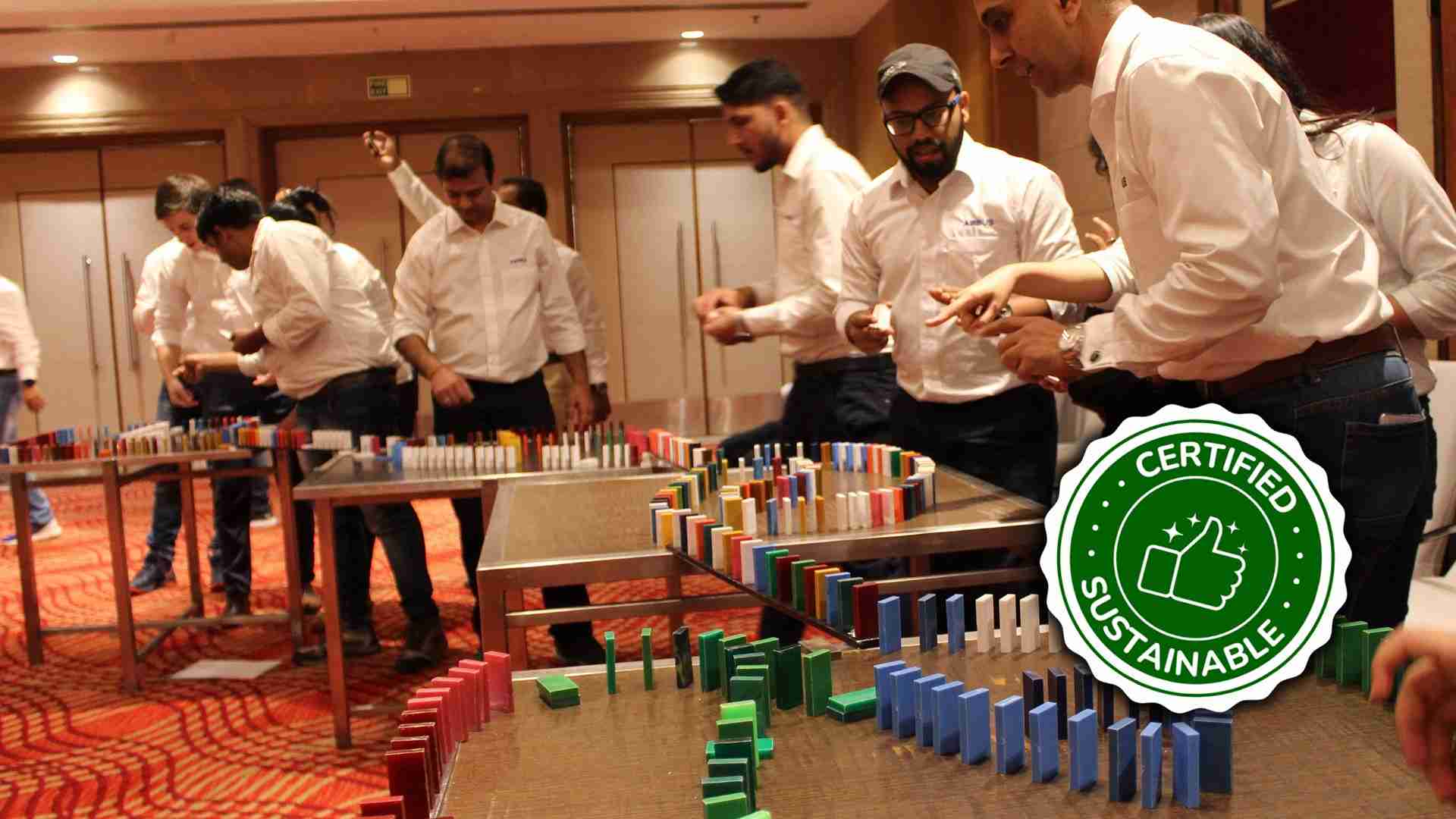
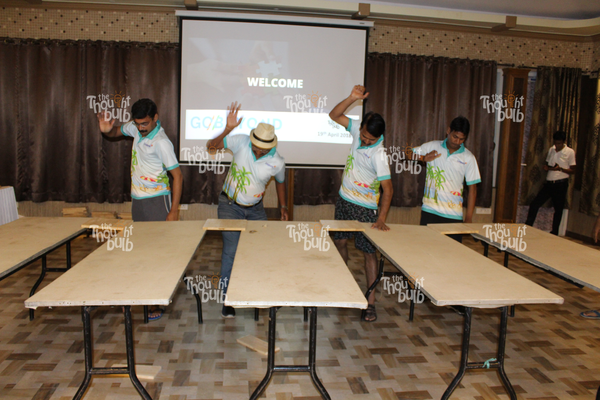
The Siemens Global Leadership Experience in Mumbai is a good example of what this looks like at scale. Rather than a generic party, the team ran a Colours of India Challenge that turned a large, senior leadership group into competing teams built around Indian culture and geography, giving people who rarely work together a reason to collaborate under a bit of friendly pressure. The format works just as well adapted for Diwali because the underlying mechanic, culturally rooted teams competing on a shared task, is identical.
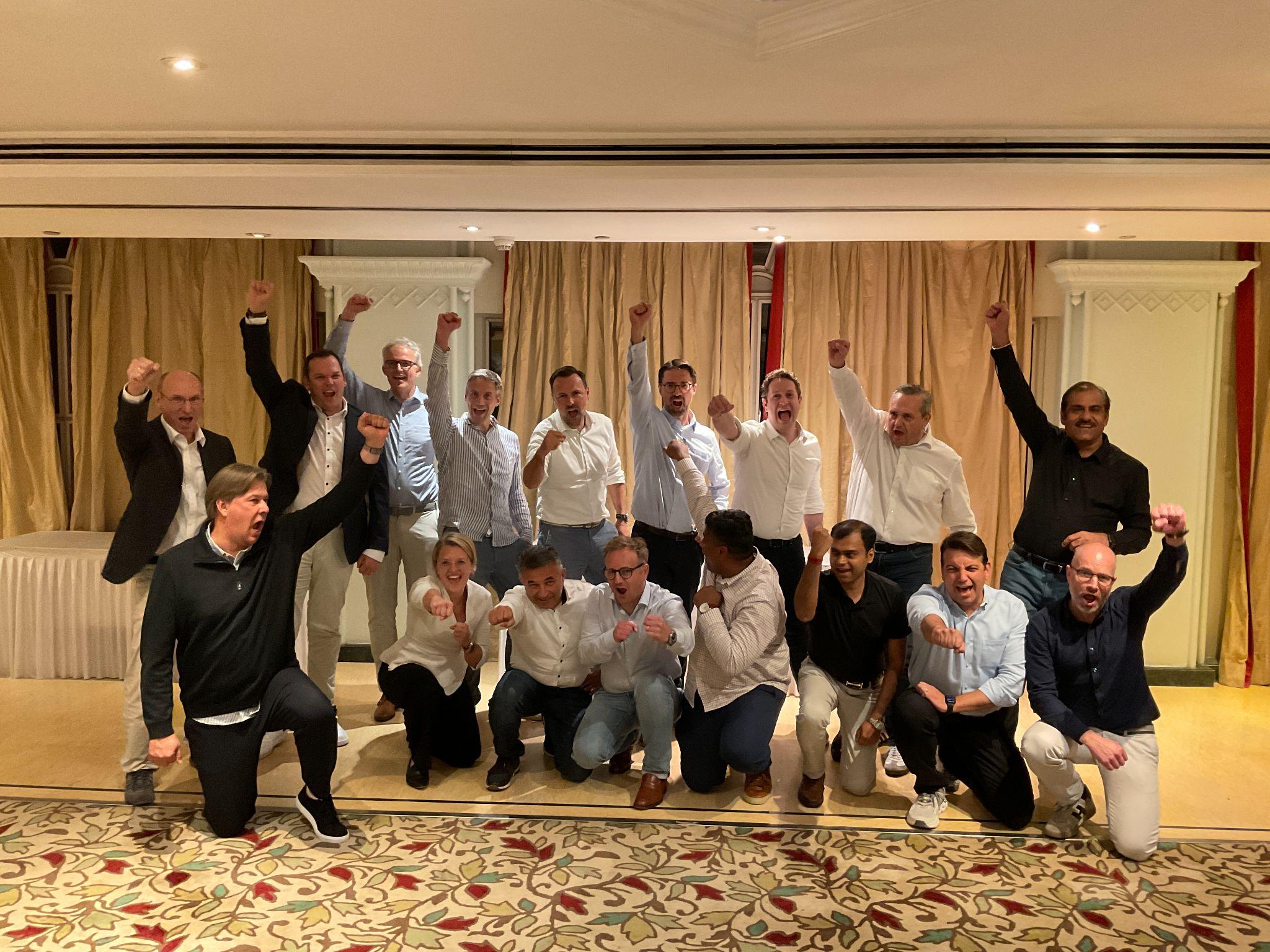
Sun Pharma faced the more common Indian-company problem: employees spread across multiple cities with no shared moment to anchor a celebration to. Running the same activity format simultaneously across locations, rather than one flagship event at headquarters, is what closed that gap. Details on how programmes like these are scoped and run are on the case studies page.
Your 6-Week Diwali Team Building Countdown
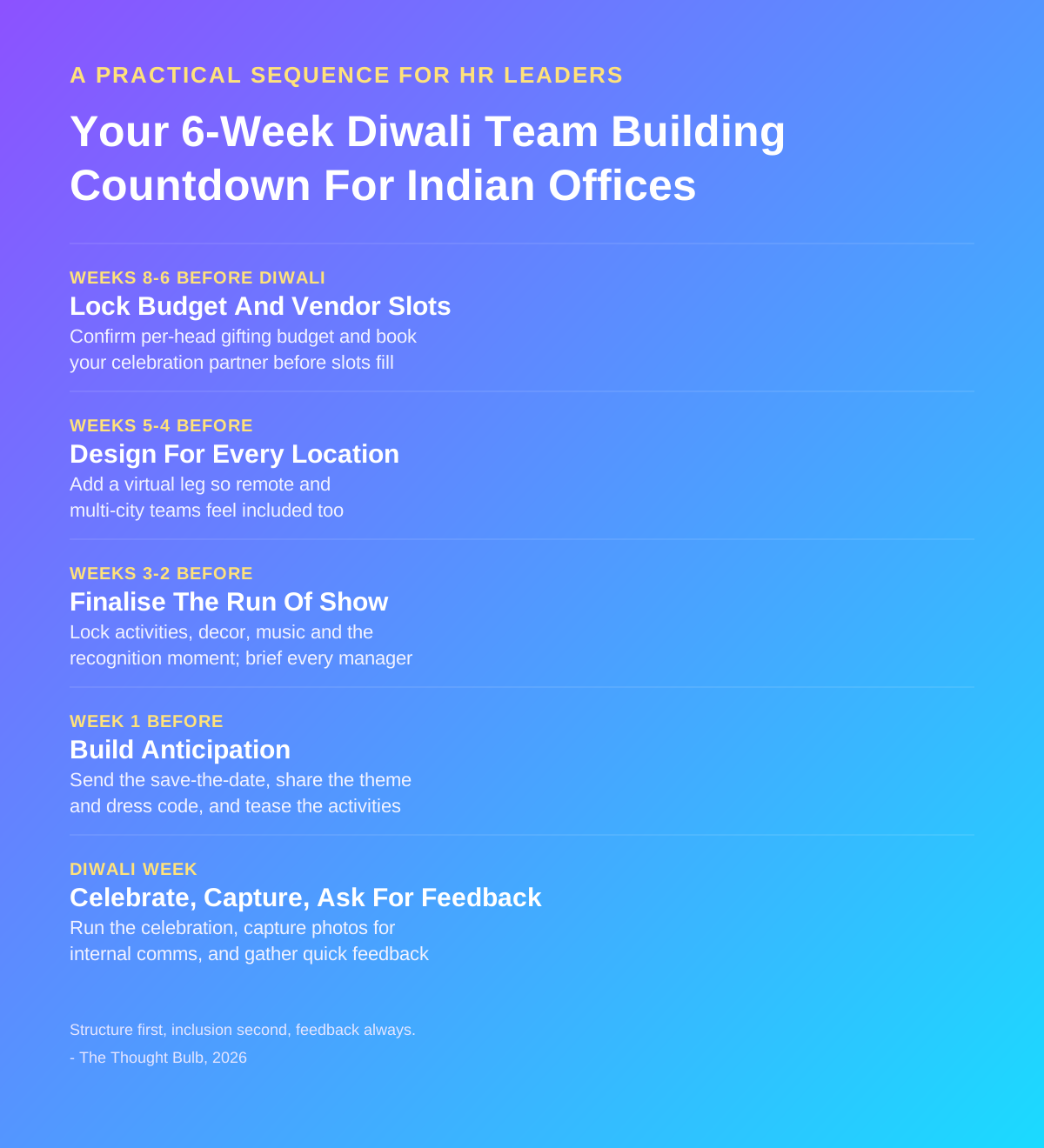
Everything above only works if it is planned on a timeline, not decided the week before. Here is the sequence we recommend to HR teams running a Diwali celebration for anywhere from 50 to 5,000 employees:
Weeks 8-6 before Diwali - Lock budget and vendor slots: Confirm your per-head gifting budget and book your celebration partner and venue before slots fill up; corporate Diwali bookings are typically full by the first week of September.
Weeks 5-4 before - Design for every location: Add a virtual leg for remote and multi-city teams so the celebration does not become an HQ-only event.
Weeks 3-2 before - Finalise the run of show: Lock activities, decor, music and the recognition moment, and brief every manager so the celebration does not collide with festive-season deadlines.
Week 1 before - Build anticipation: Send the save-the-date, share the dress code or theme, and tease the activities planned for the day in your internal comms channel.
Diwali week - Celebrate, capture, ask for feedback: Run the celebration, capture photos and quotes for internal comms, and send a two-question feedback form while the day is still fresh.
Budgeting and Gifting Without Losing the Plot
What Companies Are Actually Spending
Roughly 40% of all corporate gifting spend in India happens around Diwali, which means most HR teams are already allocating serious budget to this one festival, whether or not there is a formal plan behind it. The sweet spot for mass employee gifting sits between Rs 500 and Rs 1,499 per person depending on team size, but a gift box alone does not create the connection that a shared activity does. Teams that want the celebration to double as a giving-back moment can combine it with a CSR activity instead of, or alongside, gifting.
The Tax Rule Every HR Leader Should Know
One practical update for 2026: employee gifts up to Rs 15,000 per financial year are now exempt from tax in the hands of the employee, up from the previous Rs 5,000 limit. That headroom makes it easier to combine a modest gift with a paid-for team experience without pushing anyone into a tax complication, and it is worth flagging to finance before budgets are finalised.
Diwali will happen in every Indian office this year regardless of whether HR plans for it. The difference between a celebration people forget by December and one that shows up in engagement survey results next year is almost entirely in the six weeks of planning before the actual day. Start with the budget and the booking, build in a virtual leg from day one, and treat the debrief as part of the event rather than an afterthought.