Every quarter does not end the way HR leaders hope it will. Targets get missed, headcount plans get frozen, restructuring rumours spread faster than the actual announcement, and by the time the new quarter starts, the team is technically present but nowhere near engaged. In India this year that gap is wider than usual. Engagement has fallen to a four year low nationally, and the teams walking into this quarter are more tired than the ones before them. Rebuilding morale after a rough patch is not about a single event or a motivational email. It is a deliberate, week by week reset, and this guide covers exactly how to run one.
Why This Quarterly Slump Is Hitting Indian Teams Harder
Post quarter dips in energy are normal. What is different in 2026 is the starting point most Indian teams are dipping from. Engagement was already low before the quarter went badly, which means there is very little cushion left to absorb a bad review cycle, a paused promotion round, or a client loss.
The Numbers Behind the Dip
Employee engagement in India fell to a four year low in 2025, with only 23 percent of workers reporting they feel engaged at work, according to Gallup research on the state of the global workplace.
72 percent of Indian employees report feeling burned out at some point in their current role, up from 58 percent in 2022, based on Indeed India survey data, the steepest three year rise recorded in any major economy over that period.
India shows 75 percent burnout prevalence among IT and BPO professionals specifically, driven largely by extended work weeks and shift misalignment with global time zones.
91 percent of Indian employees working a hybrid schedule show stronger engagement than fully remote or fully office based peers, which matters when deciding how to run a morale reset.
What Makes This Slump Different
The frustration many managers braced for has quietly turned into detachment instead. Employees are not loudly complaining. They are logging in, doing the minimum required, and mentally checking out of anything beyond their job description. That is harder to spot and harder to fix than open dissatisfaction, because there is no single complaint to respond to. It shows up as slower Slack replies, fewer people speaking up in stand ups, and a noticeable drop in people volunteering for anything extra.
Spot the Warning Signs Before Morale Cracks Fully
By the time an exit interview mentions burnout or lack of recognition, the morale problem has usually been building for months. Watch for these signals at both the individual and team level.
Individual Signals
A previously vocal team member goes quiet in meetings and stops offering opinions.
Someone who used to finish work early starts logging long hours with little visible output, a classic sign of disengaged busywork.
Sudden, unexplained increases in sick leave or last minute leave requests.
Team Level Signals
Meetings that used to run over now end early because nobody has anything to add.
A visible drop in peer recognition or shoutouts, if your company tracks that.
Manager 1:1s becoming purely transactional, focused only on task status rather than how someone is actually doing.
Quick Wins Leaders Can Run This Week
A morale reset does not need a big budget to start. These are moves any manager can make within days, not months.
Hold a no agenda team check in where the only rule is that nobody discusses targets or deadlines.
Send specific, individual recognition instead of a generic team wide thank you email.
Publicly acknowledge that the quarter was hard, rather than skipping straight to next quarter targets. People need to feel the difficulty was seen before they can move past it.
Protect at least one no meeting afternoon per week for the next month.
Ask each team member one direct question: what would make the next four weeks easier for you? Then actually act on at least one answer.
Structural Fixes for the Next 90 Days
Quick wins buy goodwill, but they do not fix a burnout problem on their own. Pair them with changes that address why the quarter felt hard in the first place.
Rebalance Workload Honestly
Unmanageable workload is consistently cited as the leading cause of burnout in Indian workplace research. If a bad quarter led to headcount freezes, the existing team is likely absorbing work that used to be spread across more people. Map out who picked up extra scope during the difficult period and redistribute or deprioritise before it becomes permanent.
Fix the Communication Gap
Poor workplace communication is cited by the large majority of employees experiencing burnout as a contributing factor. A short, honest note from leadership about what went wrong, what is being done about it, and what stays the same for employees does more for morale than most engagement surveys.
For managers building this into a longer term plan rather than a one off gesture, an employee engagement calendar makes it easier to space out recognition, check ins, and team experiences across the rest of the year instead of cramming everything into one recovery month.
Experiences That Rebuild Energy Fast
Structural fixes take weeks to show results. A well chosen team experience can shift the mood of a group within a single afternoon, which is exactly why it works well as a bridge while the bigger fixes take hold. The activity matters more than most people assume: something too close to work, like another training workshop, tends to reinforce the fatigue rather than relieve it.
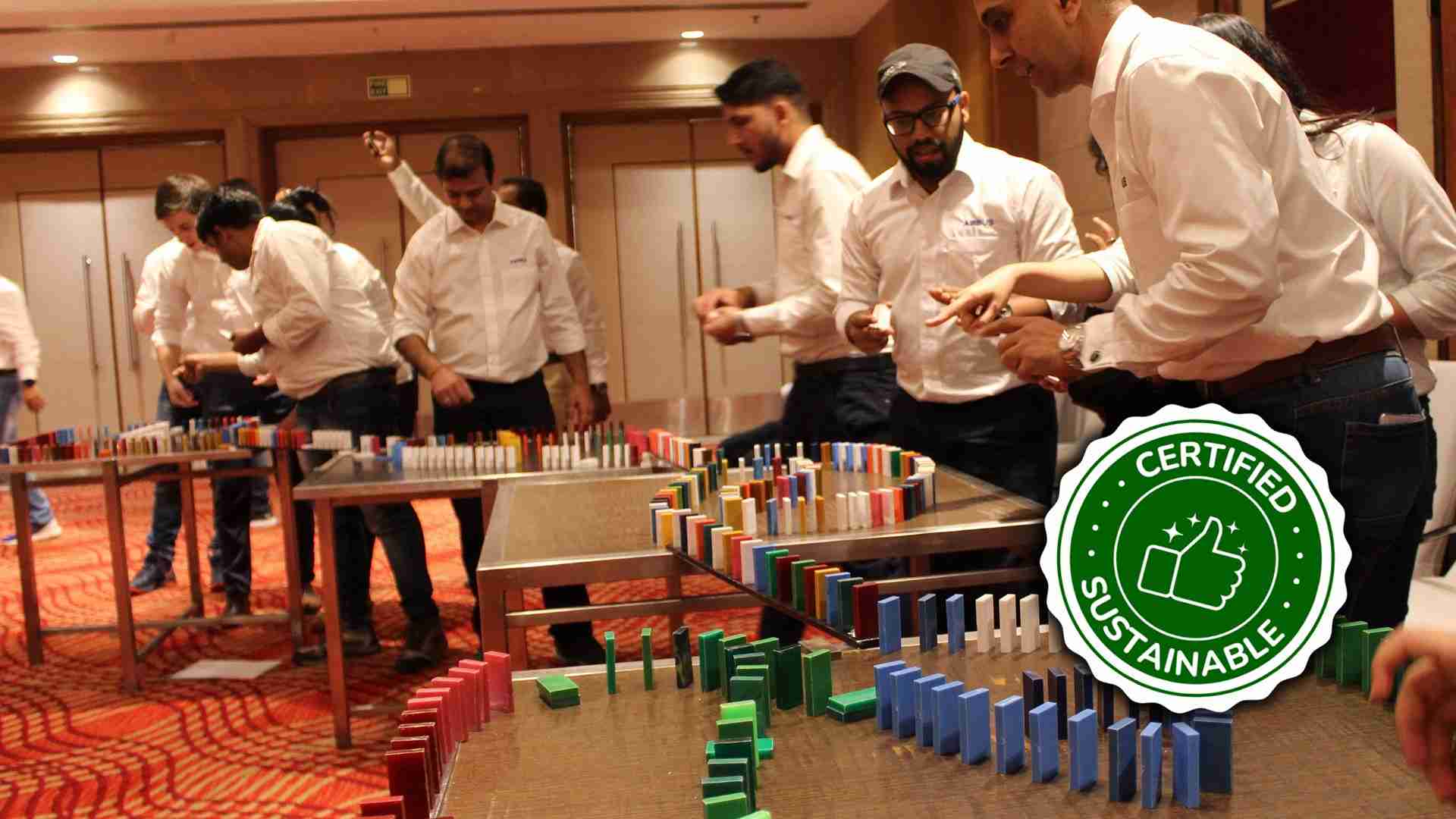
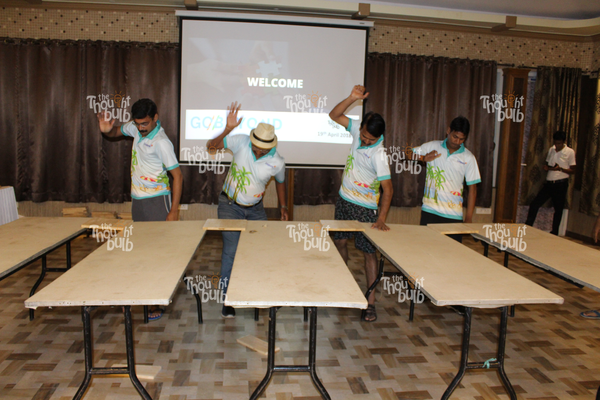
For teams that can get together in person, something physical and genuinely fun works better than another discussion based session. Our Outdoor Olympics format is built around exactly this: light competition, team based games, and zero connection to targets or deadlines, which is precisely the break a burned out team needs.

For distributed or hybrid teams where getting everyone in one room is not realistic, a virtual team building session can do similar work. Our Team Happiness Challenge is designed specifically around this recovery moment, using short guided activities that get people talking about something other than work without feeling forced.

A Real Example: Resetting Energy at AXA
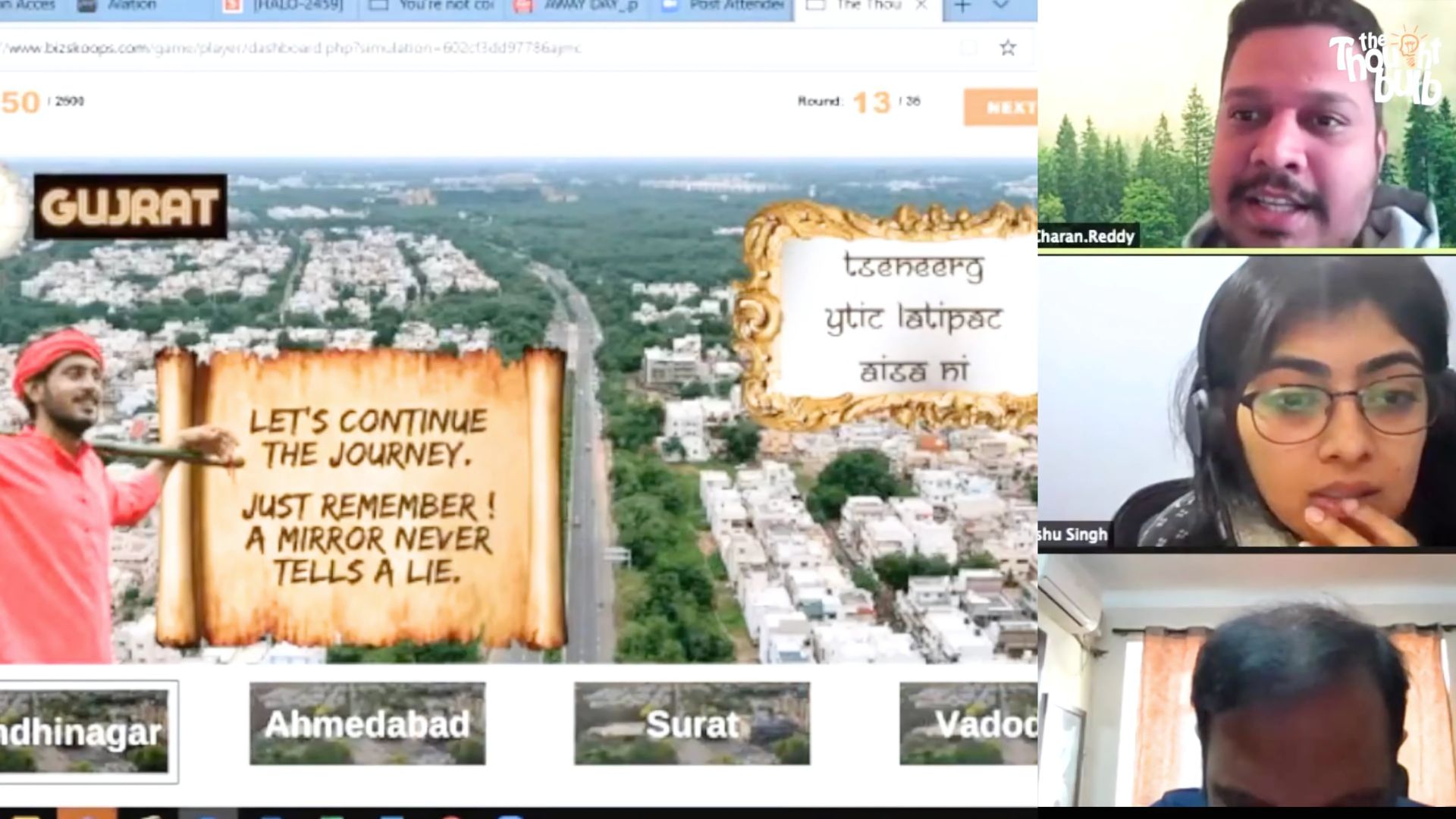
AXA ran an experiential program built specifically around workplace happiness after a stretch of high pressure delivery cycles. Rather than a standard offsite agenda, the session was structured around small group activities designed to surface what was actually draining energy, followed by lighter, deliberately playful exercises to rebuild it. Employees reported feeling more comfortable speaking openly with their managers afterward, and the leadership team used the session as the starting point for ongoing check ins rather than a one time fix.

The full breakdown of how this was structured, including timing and group size, is in our case studies library alongside similar programs run for other companies.
Measuring Whether Morale Actually Recovered
Do not rely on how the office feels to a manager walking through it. Track a small set of leading indicators over the following month.
Voluntary participation rate in optional team activities or recognition programs, a sharper signal than a generic annual engagement survey score.
Change in unplanned leave and short notice absences compared to the difficult quarter.
Manager reported qualitative notes from 1:1s, specifically whether conversations have moved back toward proactive ideas rather than only status updates.
Whether the same employees who went quiet in meetings have started speaking up again.
Given that engagement nationally sits near a four year low and burnout has climbed sharply since 2022, a single good quarter will not undo the trend on its own. But teams that treat a difficult quarter as a signal to act, rather than something to quietly wait out, consistently recover faster and retain more people through the next one.
Bringing the Team Back Together
A rough quarter does not have to define the one that follows it. The combination of honest communication, workload rebalancing, and a genuinely well chosen team experience, whether that is an in person activity, a virtual session, or a structured program like the one AXA ran, gives teams a real reset rather than a temporary distraction. If you are planning a recovery month for your team, we can help you put together the right mix of activities based on your team size, location, and how the quarter actually went.