Quiet quitting is not a Gen Z fad or a passing headline. It is what happens when capable, once-committed employees quietly withdraw the extra effort that separates a good team from a great one. They still show up, still hit the minimum, but the discretionary energy is gone. For HR leaders in India, this matters more in 2026 than ever, because the data now shows engagement slipping to its lowest point in years while the cost of that disengagement climbs into the hundreds of billions of dollars. The good news is that quiet quitting is a signal, not a sentence, and the right response can turn a coasting team back into a committed one.
What Quiet Quitting Actually Means
The term is misleading. Nobody is quitting. Quiet quitting describes employees who have mentally checked out but stayed on the payroll, doing exactly what their job description demands and nothing more. In engagement research this group is usually labelled 'not engaged' rather than 'actively disengaged'. They are not sabotaging anything. They have simply stopped investing themselves.
Why it is different from burnout or attrition
Burnout is exhaustion from overwork. Attrition is a visible exit. Quiet quitting sits in the uncomfortable middle: the person is present, functional, and invisible to most dashboards. That is exactly why it is dangerous. A resignation triggers a backfill plan. A quietly disengaged senior contributor can drift for months, dragging down team output and morale while every attendance report says everything is fine.
The Numbers Behind India's Engagement Slump
The scale of the problem in India is now hard to ignore. Recent workplace research paints a clear picture of a workforce pulling back its effort:
Only 23 percent of India's employees were engaged at work in 2025, the lowest figure in four years, according to Gallup's State of the Global Workplace 2026 report.
Roughly 59 percent of Indian employees fall into the 'not engaged' category, the exact profile of a quiet quitter.
Workplace disengagement is estimated to cost India around 351 billion dollars a year in lost productivity, equal to about 9 percent of the country's GDP.
Manager engagement fell from 39 percent in 2024 to 30 percent in 2025, a sharper drop than among individual contributors, which is worrying because managers set the tone for everyone below them.
Two things stand out. First, disengagement is not a fringe issue affecting a handful of people, it is close to a majority experience. Second, the slide among managers is a red flag, because a disengaged manager rarely re-engages the people they lead.
How to Spot Quiet Quitting on Your Team
Quiet quitting hides in plain sight. It rarely announces itself, so leaders have to read the softer signals. Watch for patterns rather than one-off moments:
A shift from proactive to purely reactive work. The person waits to be told rather than raising ideas or flagging risks early.
Withdrawal from anything optional. They skip brainstorms, decline to mentor juniors, and stop volunteering for stretch projects.
Camera off, mic off, and near silence in meetings that they used to shape.
Consistently 'fine' status updates with no ambition, questions, or pushback.
A gradual drop in quality on work they clearly know how to do well.
None of these on their own means someone has checked out. A sustained cluster of them, especially from a previously energetic employee, usually does.
Why Employees Check Out
Quiet quitting is almost always a response to something, not a personality trait. In Indian workplaces the most common drivers are a sense of being unseen, unclear growth paths, weak manager relationships, and the erosion of connection that came with hybrid and remote work. Recognition sits at the centre of most of these.
The recognition gap
The evidence here is striking. Employees who feel underappreciated have roughly five times the odds of being disengaged, while employees who receive high quality, regular recognition are far more likely to stay and to give their best. Organisations with strong recognition programmes see meaningfully lower voluntary turnover. Recognition is not a soft nicety, it is one of the highest-leverage tools a manager has.
Experiences That Re-Engage a Coasting Team
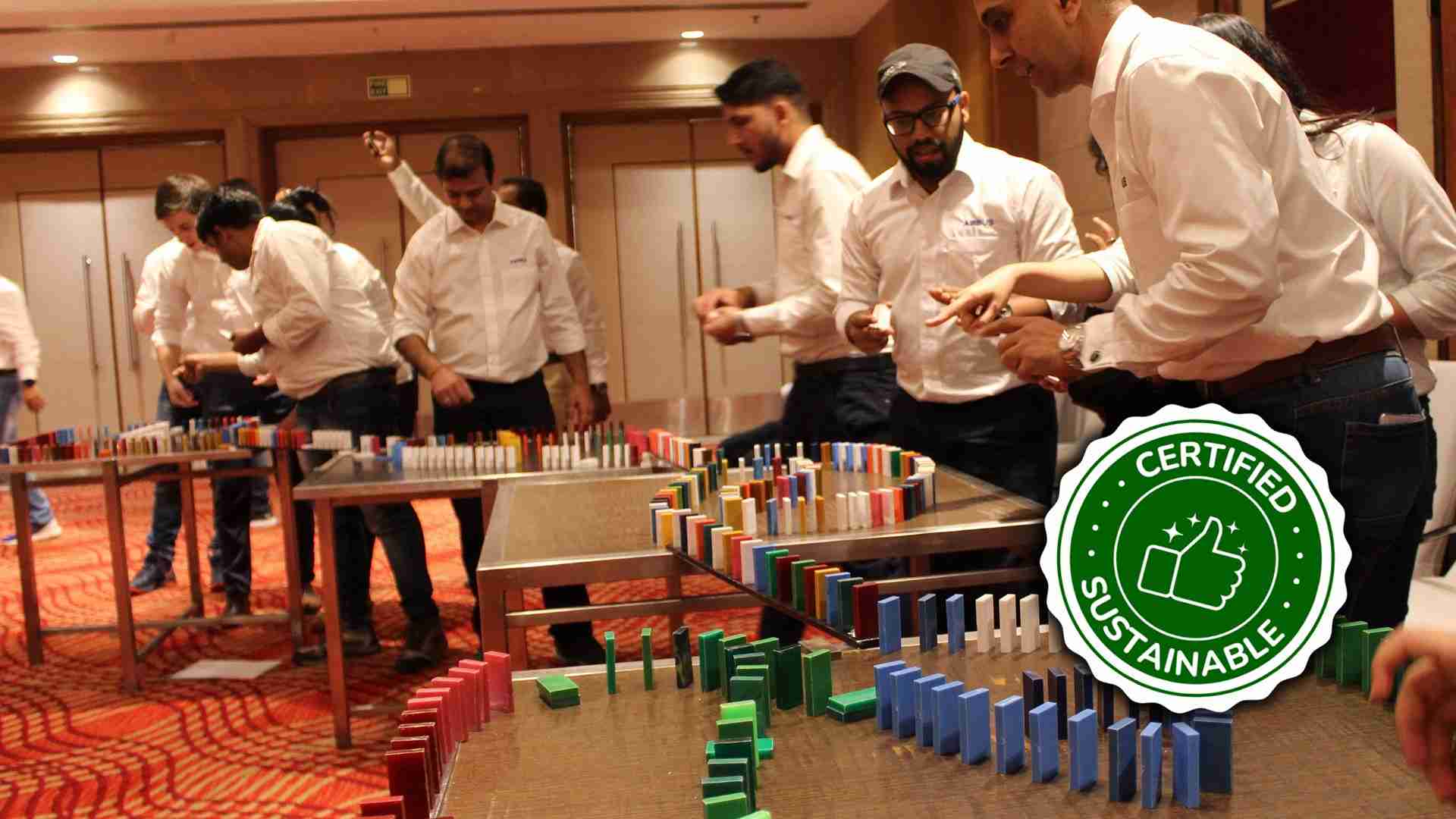
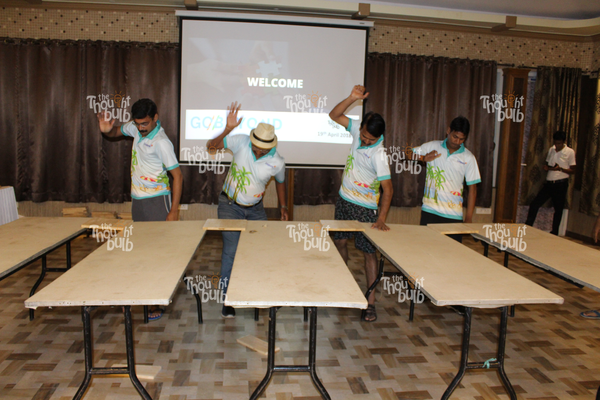
You cannot lecture a team out of quiet quitting. Engagement returns when people rediscover why their work and their colleagues matter, and that happens through shared experience, not memos. This is where well-designed team experiences earn their keep. Two that consistently work for re-engagement pull in opposite but complementary directions: one deeply in-person, one built for hybrid and remote teams.
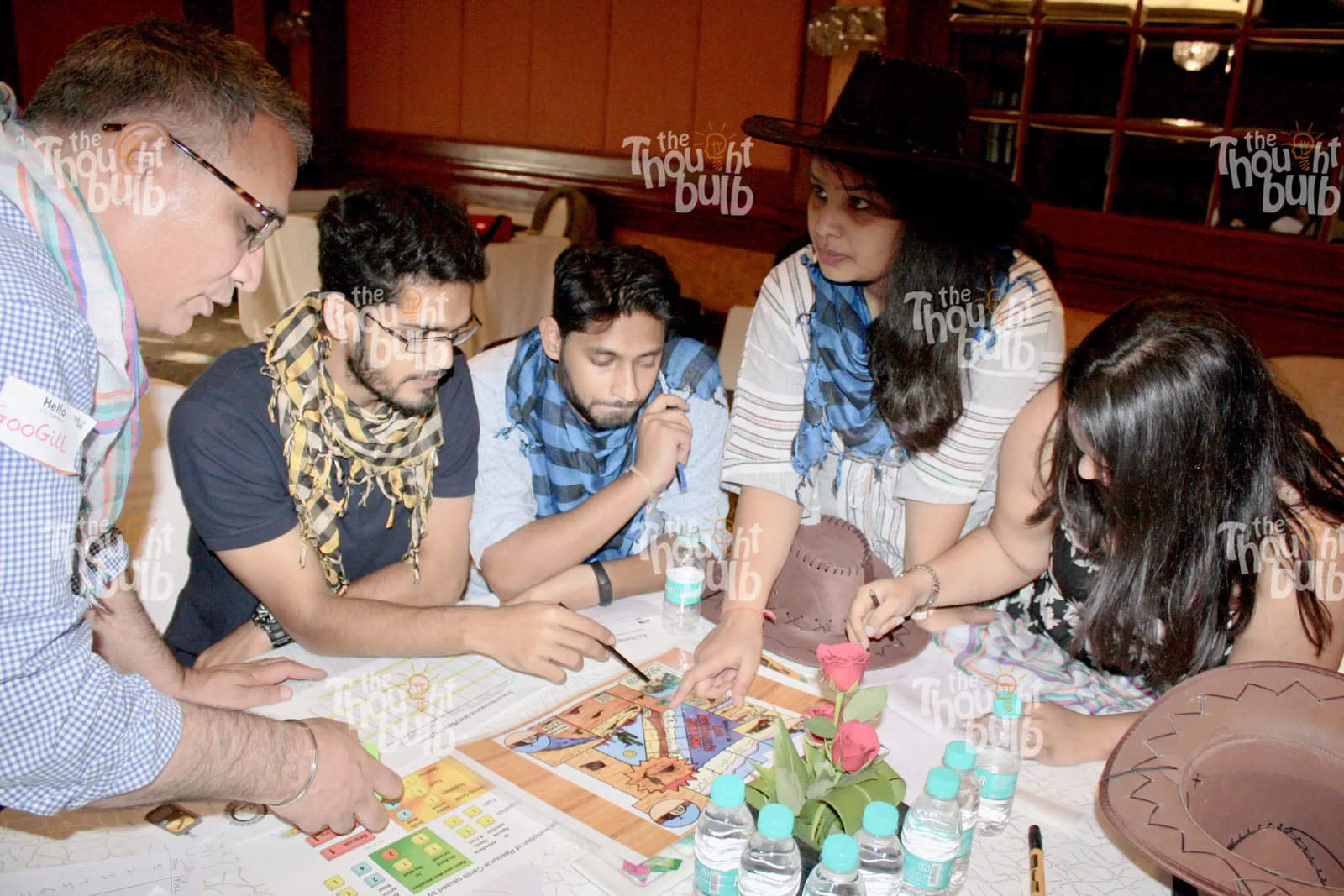
Lost Dutchman's Gold Mine is an in-person business simulation where several teams must coordinate to maximise collective results rather than compete. It surfaces, in a safe and often funny way, exactly the behaviours that quiet quitting breeds: information hoarding, siloed effort, and a lack of shared purpose. Because the lesson is experienced rather than told, people carry it back to real work. It is a strong reset for teams that have drifted into heads-down, minimum-effort mode.
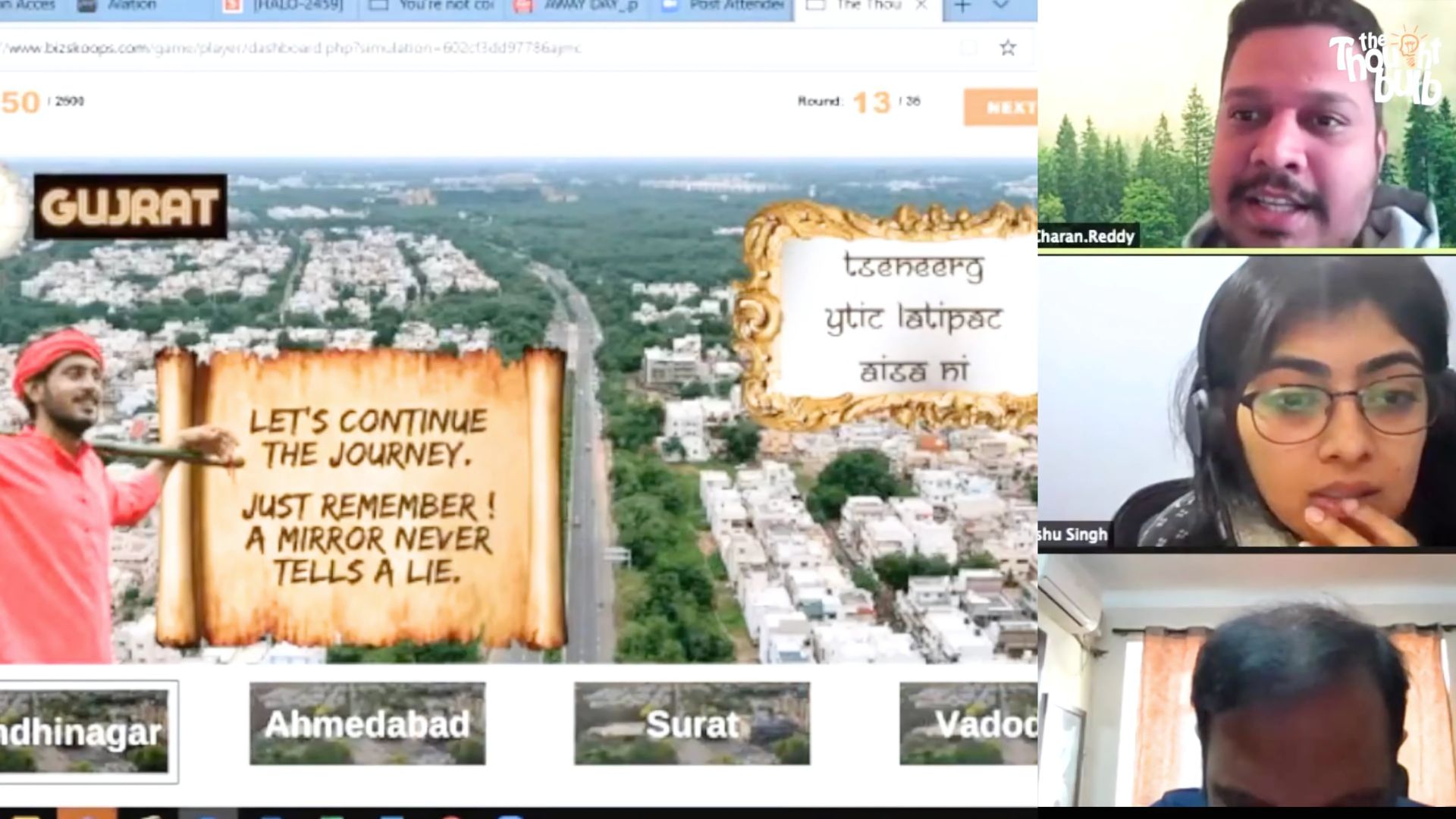
For distributed teams where disengagement often hides behind switched-off cameras, the Team Happiness Challenge is designed to rebuild connection and morale virtually. It blends light competition, wellbeing, and genuine conversation so that remote colleagues reconnect as people, not just Slack handles. For managers worried about the quiet members of a hybrid team, it is a low-pressure way to bring energy and belonging back into the group.

You can browse the full range of in-person and virtual formats on our team building activities page and match one to where your team is right now.
What Re-Engagement Looks Like in Practice
The pattern repeats across the organisations we work with. A global insurance firm came to us concerned that its teams, after a stretch of heavy change, had gone quiet and flat, with people doing the work but visibly missing the spark. We ran an experiential programme built around happiness and connection rather than another round of process training. The point was not to entertain for a day, it was to give people permission to reconnect with colleagues and with what they enjoyed about the work. Teams left more vocal, more collaborative, and noticeably more willing to engage, which is exactly the shift a disengaged group needs.
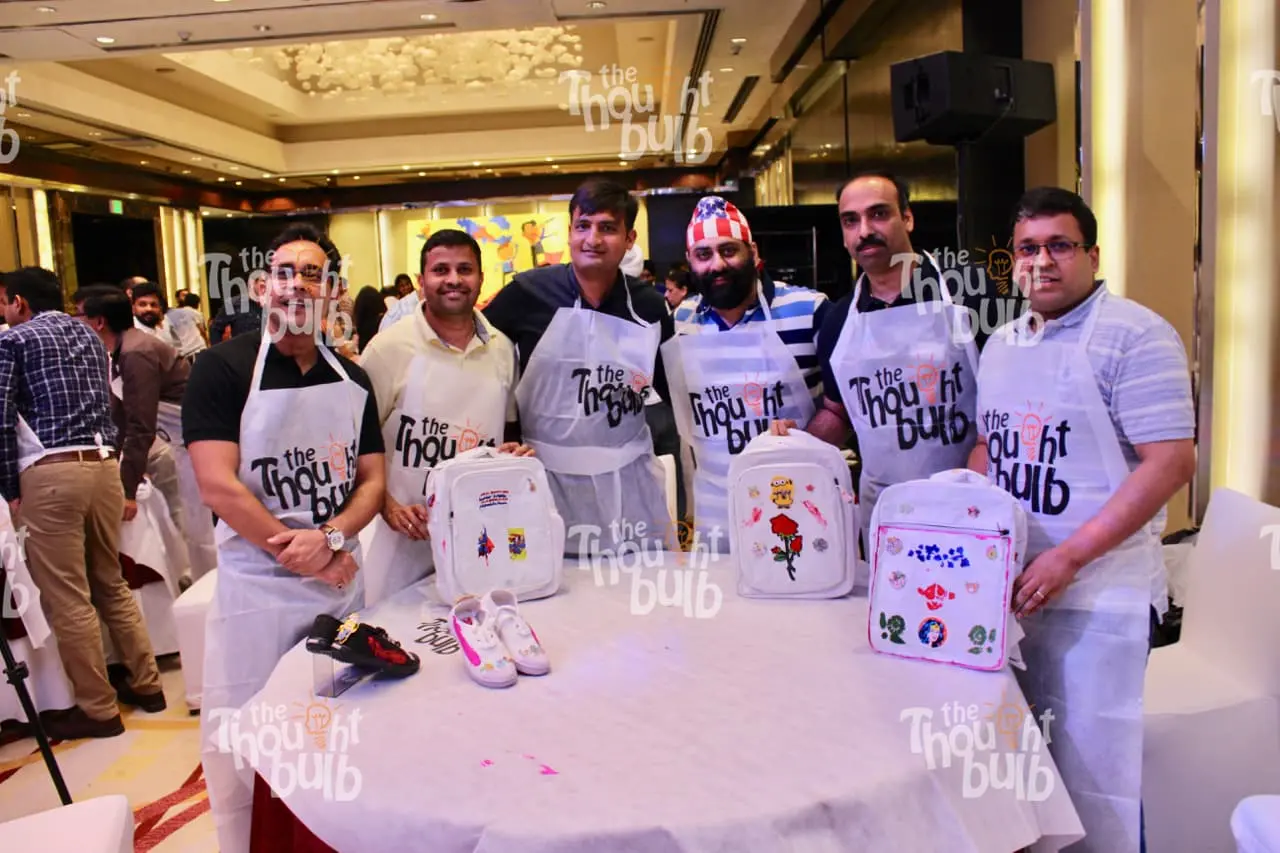
The lesson is simple. Re-engagement is rarely about grand gestures or expensive perks. It is about deliberately creating moments where people feel seen, connected, and reminded that their contribution counts.
A Practical Re-Engagement Playbook
If you are seeing the signs on your own team, a structured response works better than a one-off event. A few moves consistently move the needle:
Make recognition frequent and specific. Weekly, genuine acknowledgement from a direct manager beats an annual award every time.
Re-establish clarity. Reconnect each person's daily work to a goal they can see and care about.
Invest in managers first. Disengaged managers create disengaged teams, so give them support, coaching, and recognition too.
Build in shared experiences. Schedule regular in-person and virtual moments that are about connection, not just deliverables.
Ask and act. Run short pulse check-ins and, crucially, close the loop on what you hear.
It also helps to plan these touchpoints across the year rather than reacting in a crisis. Our employee engagement calendar is a useful starting point for mapping out consistent moments of connection.
And if most of your team is remote or hybrid, it is worth designing engagement specifically for that context. Explore formats built for distributed teams on our virtual team building page.
The Bottom Line
Quiet quitting is your workforce telling you something before they say it out loud. In India, with engagement at a multi-year low and the cost of disengagement running into hundreds of billions, ignoring the signals is expensive. But the response is well within reach: notice the withdrawal early, close the recognition gap, support your managers, and create real moments of connection. Do that consistently, and the quiet team in the corner starts speaking up again.
If you would like help designing an experience that re-energises a disengaged team, our team at The Thought Bulb would be glad to help you build something that fits your people and your goals.