Three years after Indian offices reopened, the hybrid debate is over. The model won. What has not been settled is far harder: how do you keep a team that meets in person only two or three days a week feeling like one team at all? Attendance policies are easy to write. Belonging is not. And in 2026, belonging is exactly where Indian companies are quietly losing ground, even as productivity numbers look healthy on the surface.
This playbook is for HR and people leaders who have accepted that hybrid is here to stay and now need to make it actually work for cohesion, culture and retention. It draws on the latest workforce data from India and on what we see every week running experiences for hybrid and distributed teams across the country.
Why Hybrid Cohesion Is India's Defining HR Challenge in 2026
Hybrid work solved a real problem. It gave people back their commute, widened talent pools beyond a single city, and became a genuine retention lever. Nearly nine in ten Indian employers now say flexible or remote work is important for holding on to their people. But the same flexibility that keeps employees from leaving can quietly erode the thing that makes them want to stay: the feeling of being part of a team that has your back.
The uncomfortable truth is that cohesion does not survive on its own in a hybrid setup. In a fully in-office world, connection happened by accident, in corridors, at the tea point, over an unplanned lunch. Strip those moments out and replace them with back-to-back video calls, and connection has to be designed on purpose or it simply does not happen. That shift, from accidental to intentional cohesion, is the central HR challenge of the year.
The Data: What Hybrid Is Doing to Belonging
The numbers tell a story of a productivity win sitting uncomfortably next to a connection problem. A few figures worth putting in front of your leadership team:
Employee engagement in India dropped to around 19 percent in 2025, down from 24 percent the year before, one of the steepest declines of any major workforce globally.
About 74 percent of Indian employees say they prefer a hybrid arrangement over fully remote or fully in-office work, so the answer is not forcing everyone back to their desks.
Roughly 46 percent of hybrid workers worry they are missing out on building real relationships with colleagues, and only about a third of Indian workers say they are currently part of the best team they have ever worked on.
Disengagement is expensive: lost productivity linked to disengaged employees is estimated to cost the Indian economy hundreds of billions of dollars a year, close to 9 percent of GDP.
Read together, these numbers make the point clearly. People want hybrid, hybrid can lift output, but left unmanaged it thins out the relationships and sense of belonging that hold teams together over the long run. The job is not to reverse hybrid. It is to add back the connective tissue on purpose.
Where Cohesion Actually Breaks in Hybrid Teams
Before you fix cohesion, it helps to know where it fails. In our experience with distributed Indian teams, the cracks show up in a handful of predictable places.
Proximity bias quietly splits the team
Managers naturally give more airtime, better projects and more visibility to the people they physically see. Over months this creates a two-tier team: an in-office inner circle and a remote outer ring who feel less trusted and less connected, even when their work is just as strong.
Onboarding loses its human layer
New joiners in a hybrid model can go weeks without an informal, non-transactional conversation with a colleague. They learn the tools but never absorb the culture, and they are the most likely to leave within the first year.
Every interaction becomes transactional
When the only reason to get on a call is to move a task forward, teams lose the low-stakes, non-work moments where trust is built. Psychological safety erodes, people stop asking for help, and small misunderstandings harden into silos.
Designing Rituals That Rebuild Connection
The good news is that cohesion responds well to deliberate design. You do not need everyone in the office five days a week. You need a small set of consistent rituals that create shared experience and shared memory.
Anchor days: pick one or two days a week when a whole team is in together, and protect them for collaboration and connection rather than heads-down solo work that could happen anywhere.
Structured check-ins: open team meetings with a two-minute personal round, not just status updates, so remote members are seen as people, not just voices.
Quarterly shared experiences: build a predictable rhythm of team experiences, mixing in-person offsites with virtual sessions so distributed members are never left out.
Recognition that travels: make appreciation visible to the whole team, not whispered in a corridor only the in-office crowd hears.
Many of our clients formalise this into a repeatable calendar of moments rather than one-off events. If you want a structured starting point, our employee engagement calendar maps connection touchpoints across the year so nothing is left to chance.
Experiences That Actually Move Cohesion
Rituals set the rhythm, but shared challenge is what forges real trust. This is where designed experiences do the heavy lifting, because they put people into a common goal that has nothing to do with the org chart. Two formats work especially well for hybrid teams because they build the exact muscles that hybrid tends to weaken.
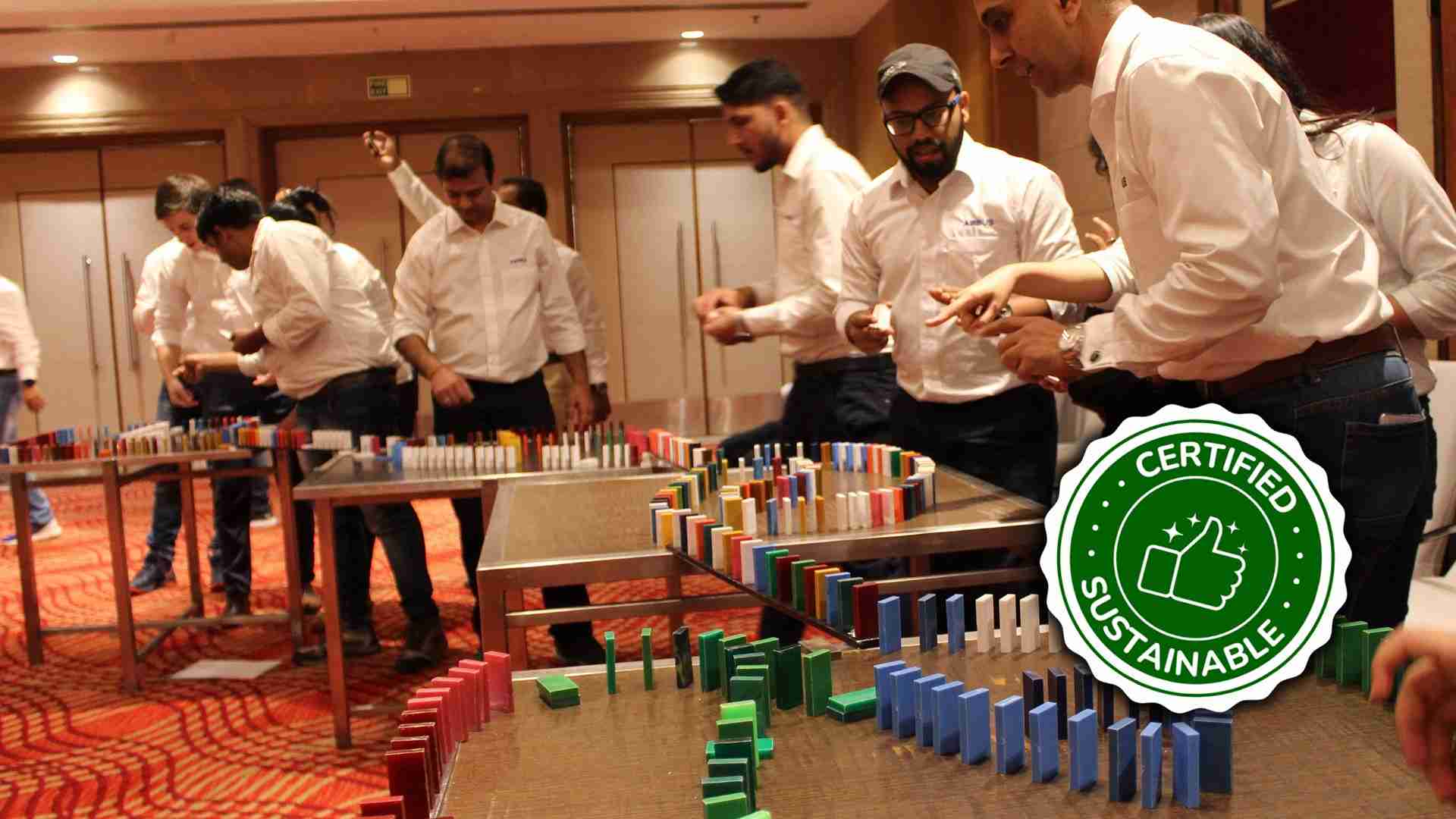
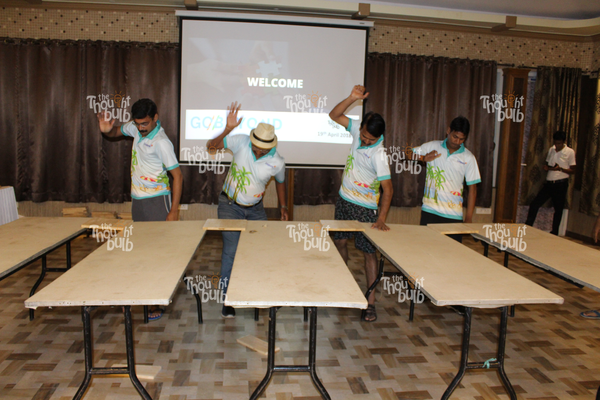
The first is Lost Dutchman Goldmine, an in-person business simulation where several sub-teams have to collaborate to maximise a shared outcome, not just their own. It is deceptively simple, and it exposes something powerful: teams that hoard information and optimise only for themselves lose, while teams that share and coordinate win. For hybrid groups prone to silos and proximity bias, that lesson lands hard and sticks, making it a perfect anchor-day activity.
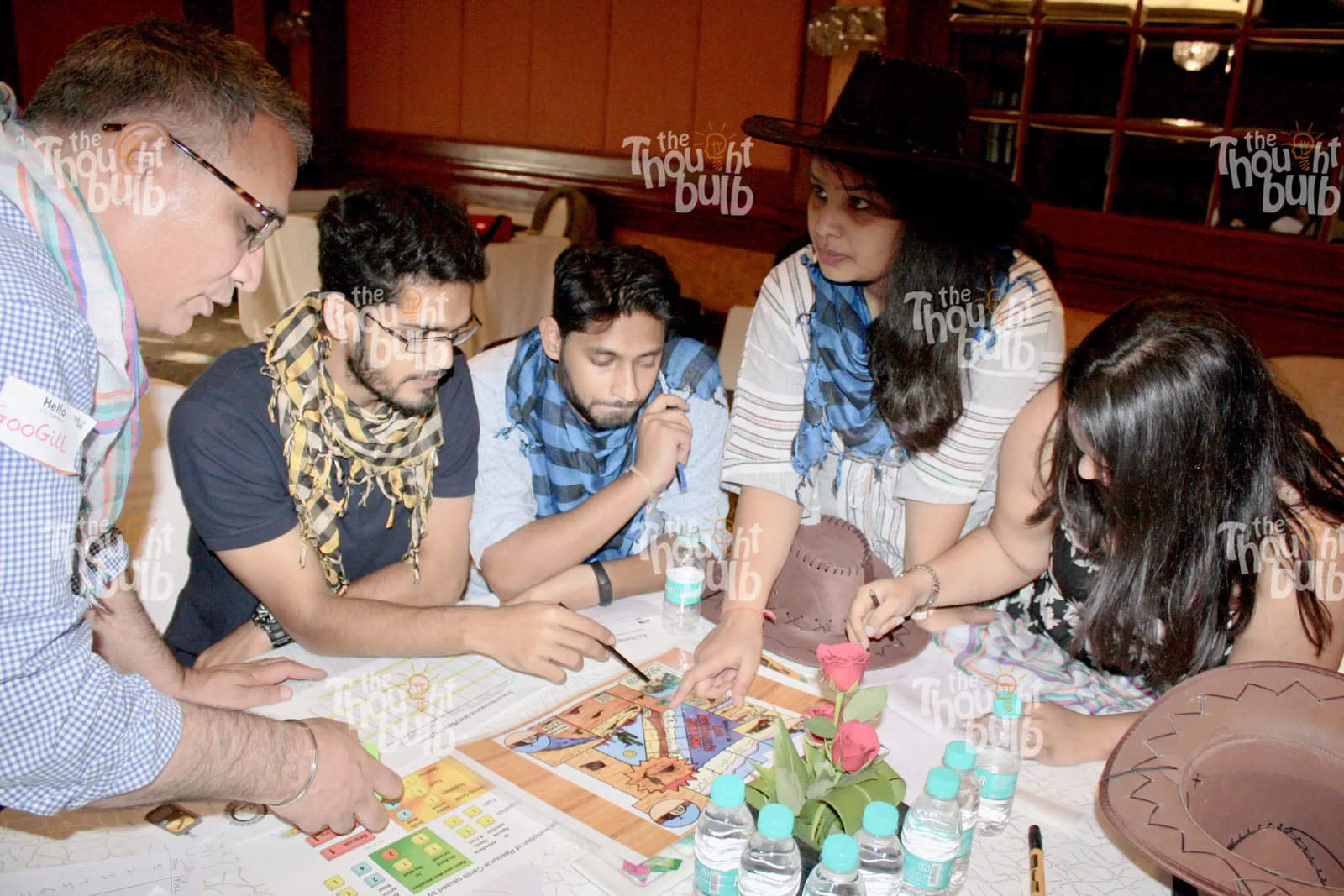
The second is the Team Happiness Challenge, a virtual experience built for the members who are not in the room. It blends wellbeing, light competition and genuine conversation into a session distributed teammates can join from anywhere, so the remote outer ring gets the same sense of belonging as the in-office core. Run regularly, it keeps connection alive between the in-person anchor moments rather than letting it fade.

The trick is to mix in-person and virtual deliberately so no one is a second-class participant. You can browse the full range of formats on our activities page and build a blend that fits how your teams actually work.
What Results Look Like in Practice
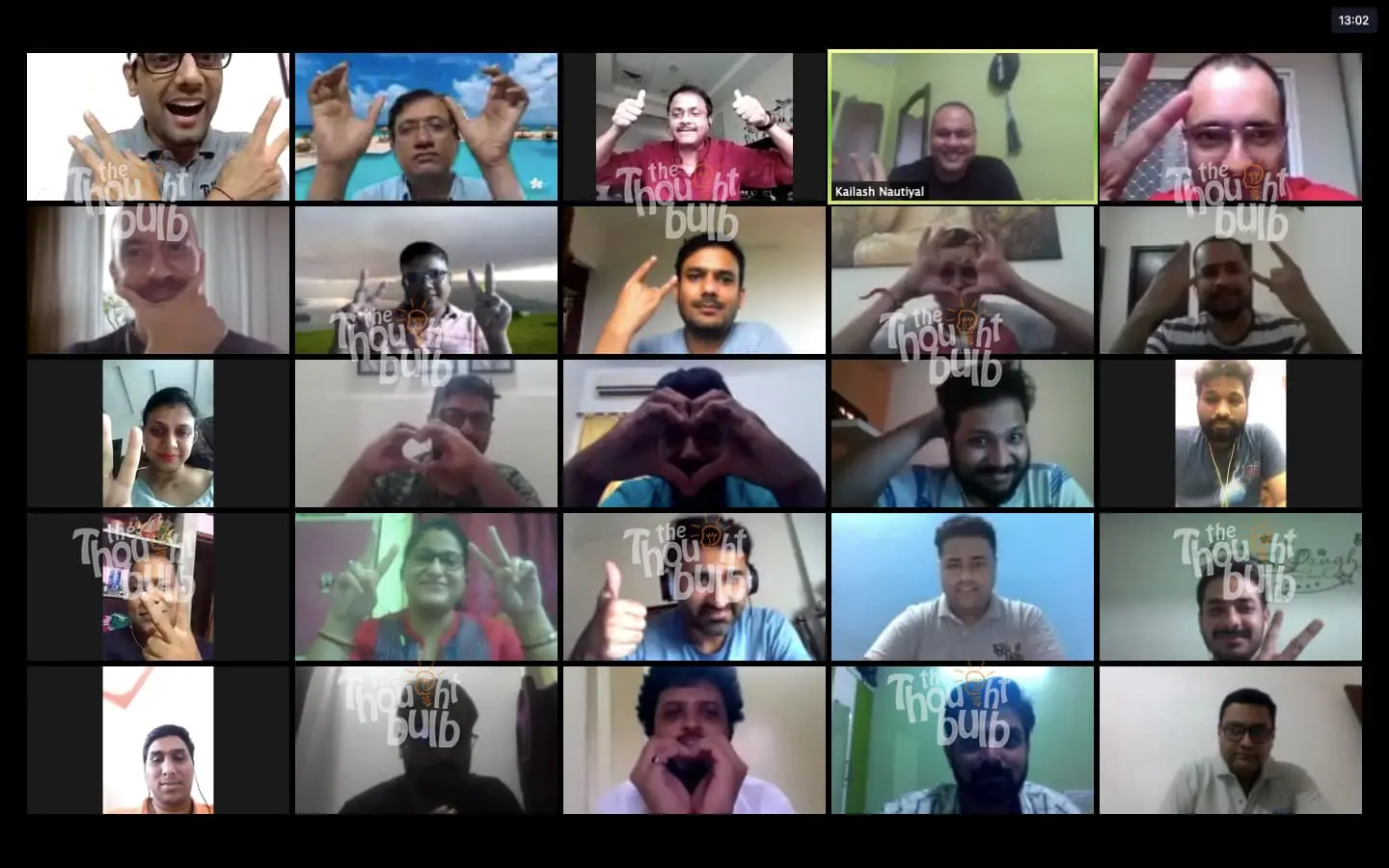
The theory holds up when you watch it play out. We ran a Virtual Offsite for a fully distributed team whose members were spread across cities and rarely, if ever, met face to face. The brief was familiar: people were productive but felt like a collection of individuals rather than a team, and leadership was worried about quiet disengagement and attrition.
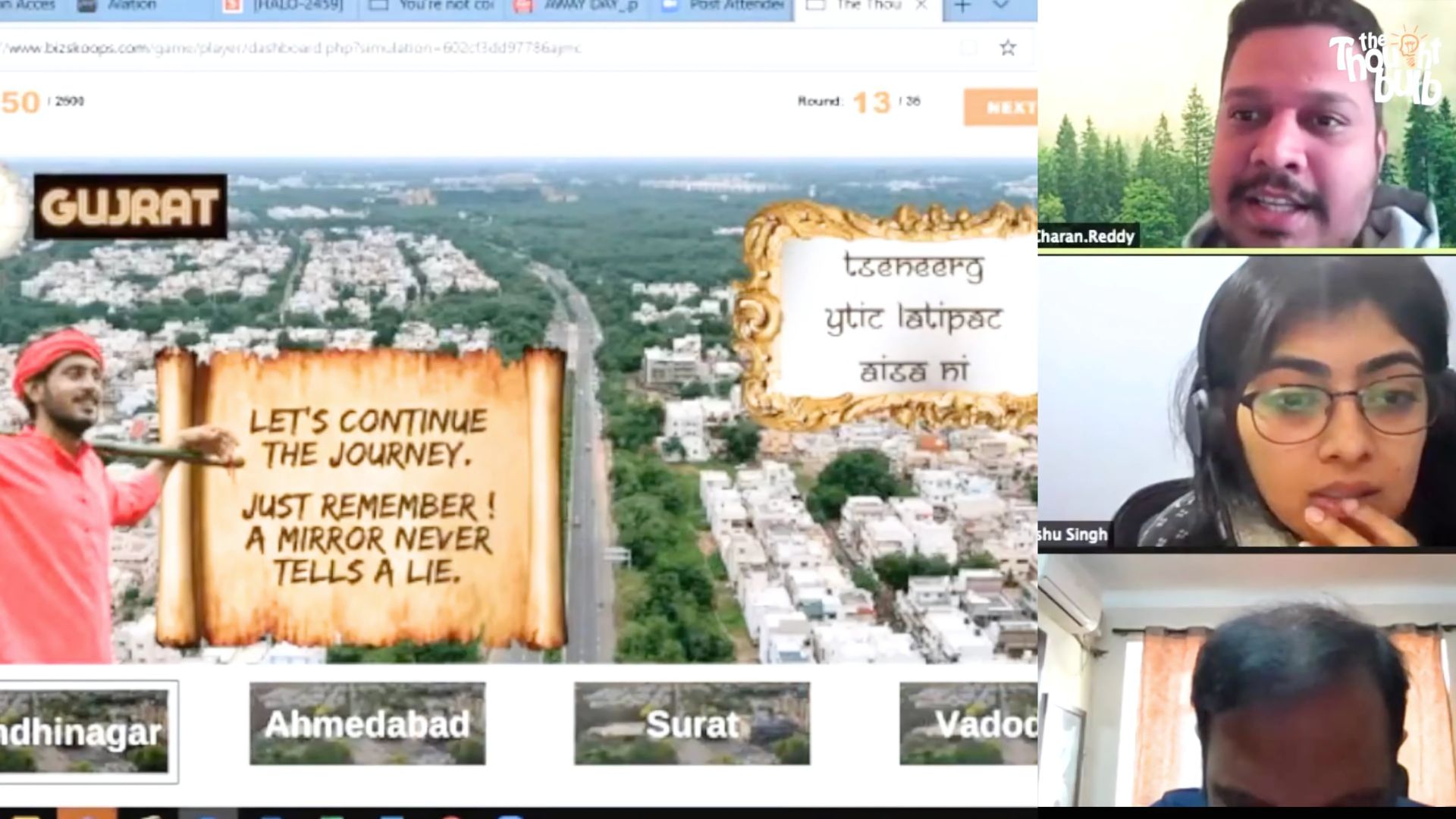
Instead of a day of talking-head presentations, we designed a virtual offsite around shared challenges, small-group collaboration and structured conversation, so remote colleagues who had only ever seen each other in meeting grids actually worked and laughed together. The outcome was a noticeably warmer, more connected team that reported feeling like one unit rather than scattered contributors, exactly the belonging gap the data warns about.
A Practical Cadence for the Rest of 2026
You do not need a huge budget to rebuild cohesion. You need consistency. A simple, realistic cadence for a hybrid team through the rest of the year might look like this:
Weekly: protected anchor day plus a two-minute personal check-in at the start of team meetings.
Monthly: one light virtual experience so distributed members stay connected between bigger moments.
Quarterly: one in-person team experience or offsite that gives everyone a shared memory to carry forward.
Always on: recognition and appreciation made visible to the whole team, in-office and remote alike.
If most of your team is distributed, the virtual half of this cadence matters even more. Our virtual team building formats are designed to create the same shared experience as an in-person offsite, wherever people happen to be sitting.
The Bottom Line
Hybrid work is not the problem. Unmanaged hybrid work is. The companies that will hold on to their best people through 2026 are not the ones with the strictest attendance rules, but the ones that treat cohesion as something to be designed rather than assumed. Build the rituals, run the shared experiences, mix in-person and virtual so no one is left out, and belonging stops being a casualty of flexibility.
If you are planning how to keep your hybrid teams connected this year, we would love to help you design a cadence that fits your people. Start a conversation with our team and we will help you turn a scattered set of individuals back into a team that wants to stick together.