Organizations are always exploring ways to inspire and energize their teams. Two popular approaches often come up in these discussions: bringing in a motivational speaker or investing in team engagement activities. Both have unique benefits and serve different purposes—but which approach aligns best with your goals?
The Power of a Motivational Speaker
A great motivational speaker can ignite enthusiasm and offer fresh perspectives. They bring powerful stories, personal experiences, and compelling messages that resonate with an audience. Their words can uplift, inspire, and challenge employees to think differently.
However, motivation is deeply personal. While some may feel an instant spark, others may require consistent reinforcement to translate inspiration into action. A motivational session can act as a catalyst, but how long that impact lasts often depends on the organization's ability to integrate those insights into daily work culture.
Pros and Cons of Motivational Speakers
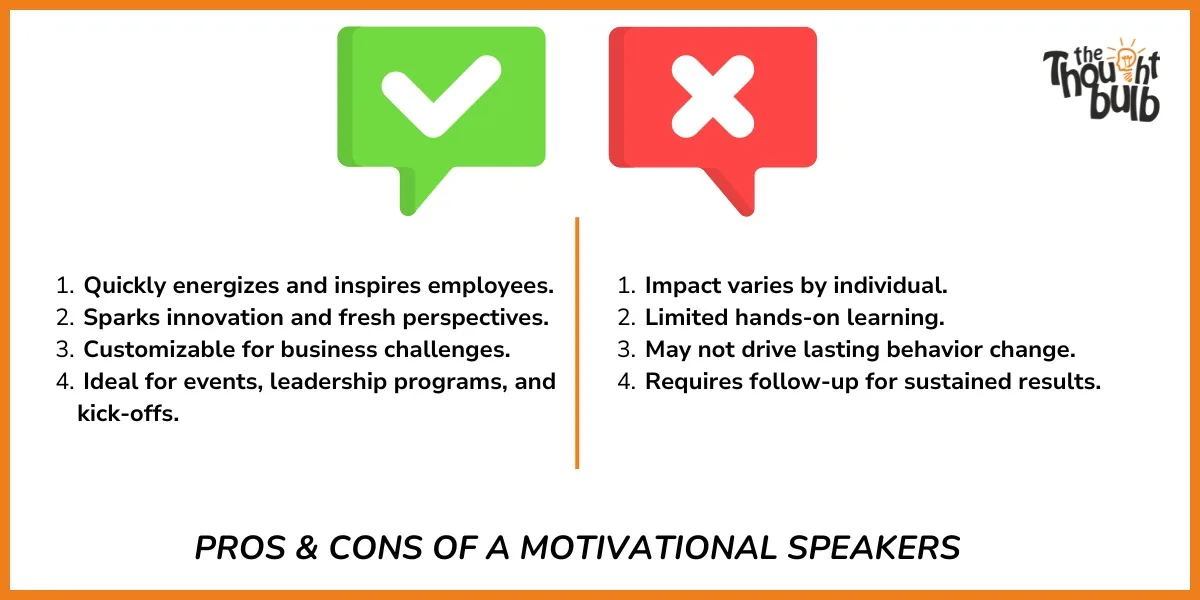
Pros:
Inspires and energizes employees quickly.
Provides new perspectives and innovative ways of thinking.
Can be customized to address specific business challenges.
Works well for company events, leadership programs, and annual kick-offs.
Cons:
Effectiveness may vary based on individual receptivity.
Limited interactivity and hands-on learning.
May not address long-term behavioral changes.
Impact depends on follow-up actions within the organization.
Leading Motivational Speakers in India
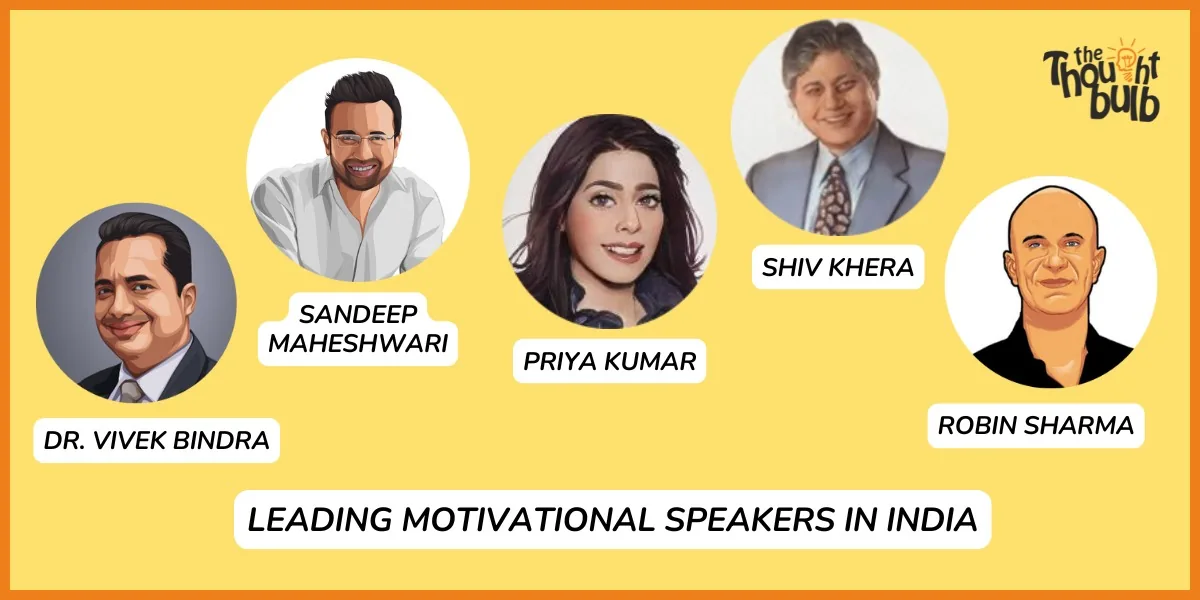
If you're considering a motivational speaker, here are some of the most renowned names in India:
Dr. Vivek Bindra – A renowned leadership coach and business trainer.
Sandeep Maheshwari – Famous for his inspirational talks on success and personal growth.
Priya Kumar – An award-winning author and corporate trainer.
Shiv Khera – Known for his book You Can Win and motivational seminars.
Gaur Gopal Das – A monk and life coach who shares wisdom on personal and professional growth.
Robin Sharma – Though globally known, he has a strong following in India for leadership training.
The Impact of Team Engagement
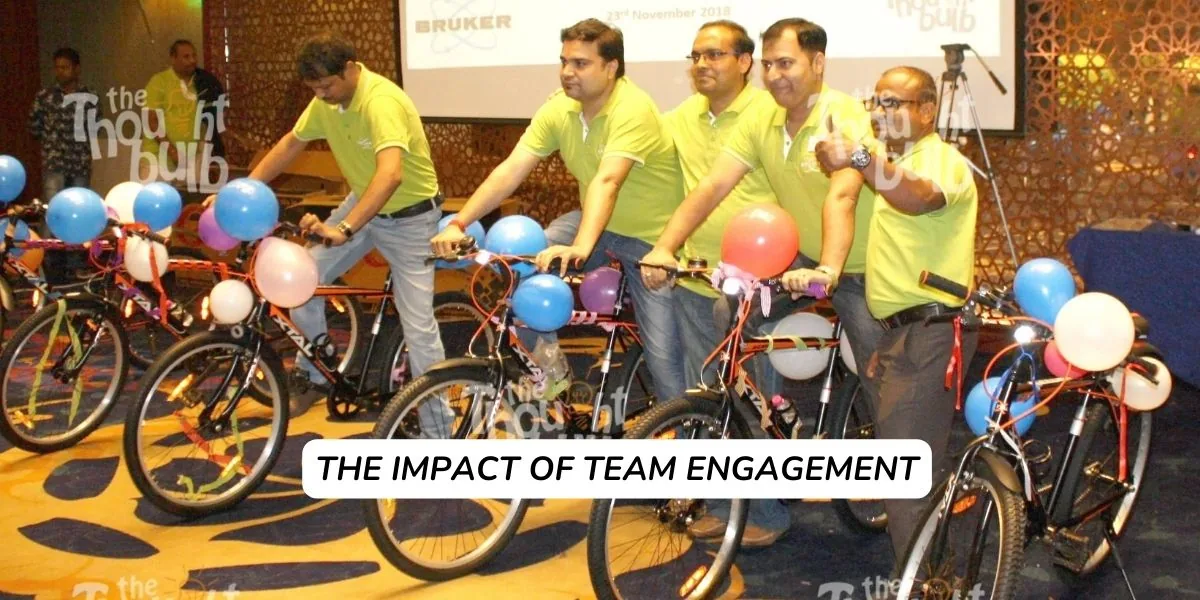
Team engagement takes a more experiential approach, focusing on active participation, collaboration, and problem-solving. Rather than just hearing an inspiring message, employees engage in activities that strengthen teamwork, trust, and communication.
Whether it's a high-energy challenge, a problem-solving activity, or a deeply immersive experience like giving back to the community, these engagements help reinforce key learnings in a practical and interactive way.
Pros and Cons of Team Engagement
Pros:
Encourages collaboration and trust-building.
Creates lasting experiences that reinforce learning.
Aligns with business objectives like leadership development.
Enhances employee engagement and workplace relationships.
Cons:
Requires time and resources for execution.
Effectiveness depends on proper facilitation and debriefing.
Results take time to manifest in workplace performance.
The Science Behind Team Building Programs
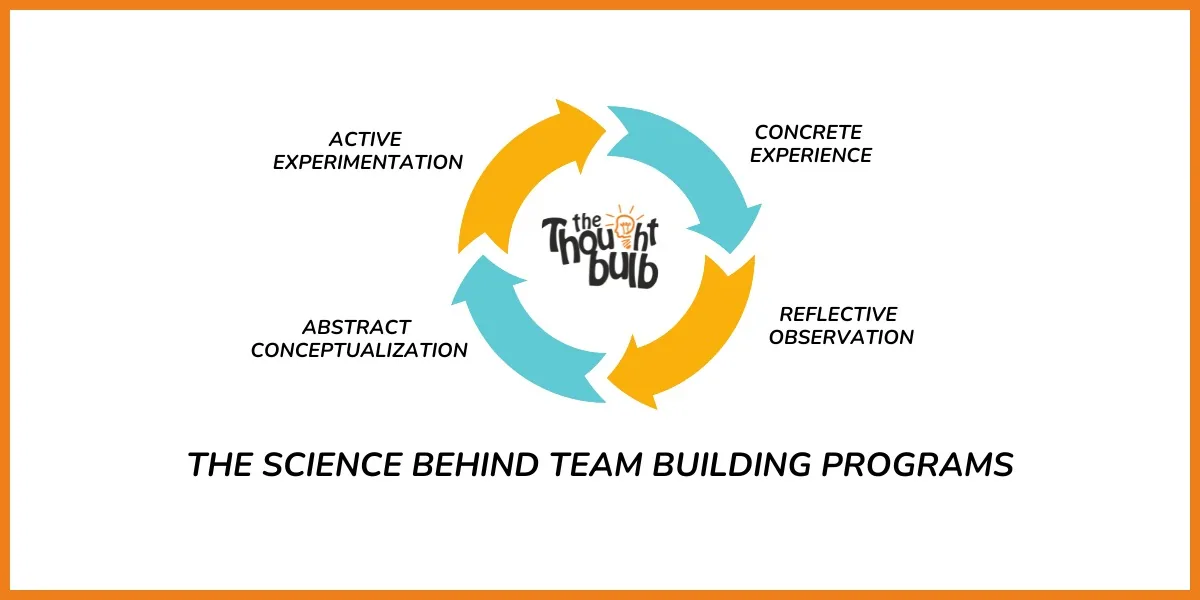
Studies show that learning and behavior change are most effective when individuals go through a four-stage cycle of experiential learning, also known as Kolb’s Learning Model:
Concrete Experience – Actively participating in a challenge (e.g., a team-building activity).
Reflective Observation – Discussing key takeaways and different perspectives.
Abstract Conceptualization – Connecting insights to workplace challenges.
Active Experimentation – Applying learnings in real-world scenarios.
This hands-on learning model explains why interactive experiences lead to stronger, long-term retention compared to passive listening alone.
How Fortune Companies are doing Team Engagement?
Google Cloud: Merging Heritage with Innovation
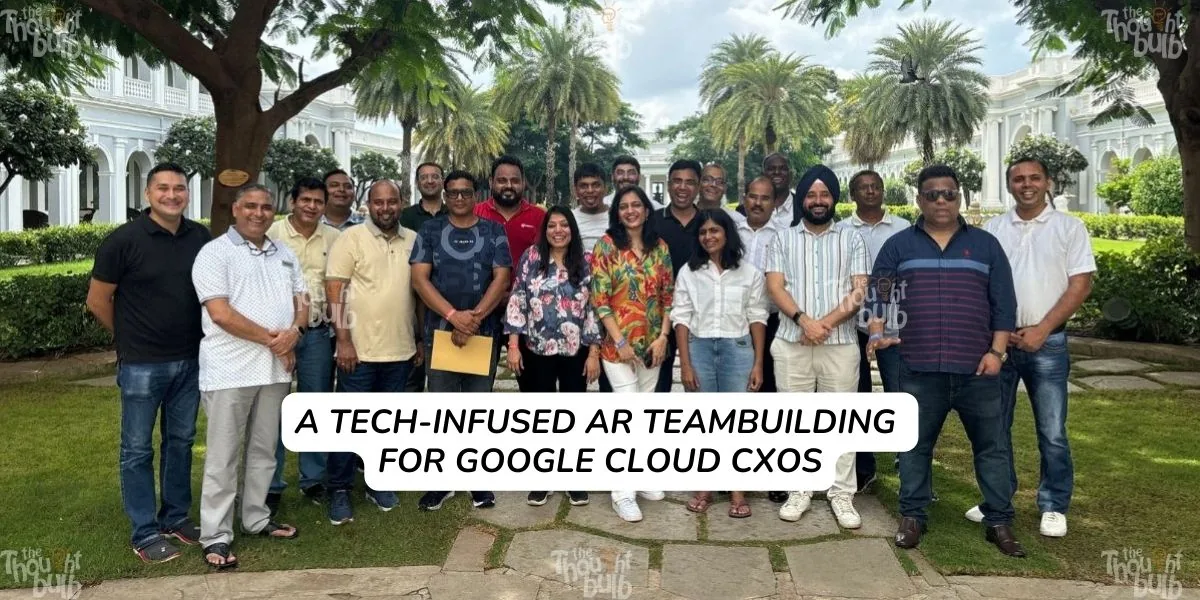
At the historic Taj Falaknuma Palace in Hyderabad, 20 CXOs from Google Cloud participated in a heritage-themed team experience blending tradition with technology.
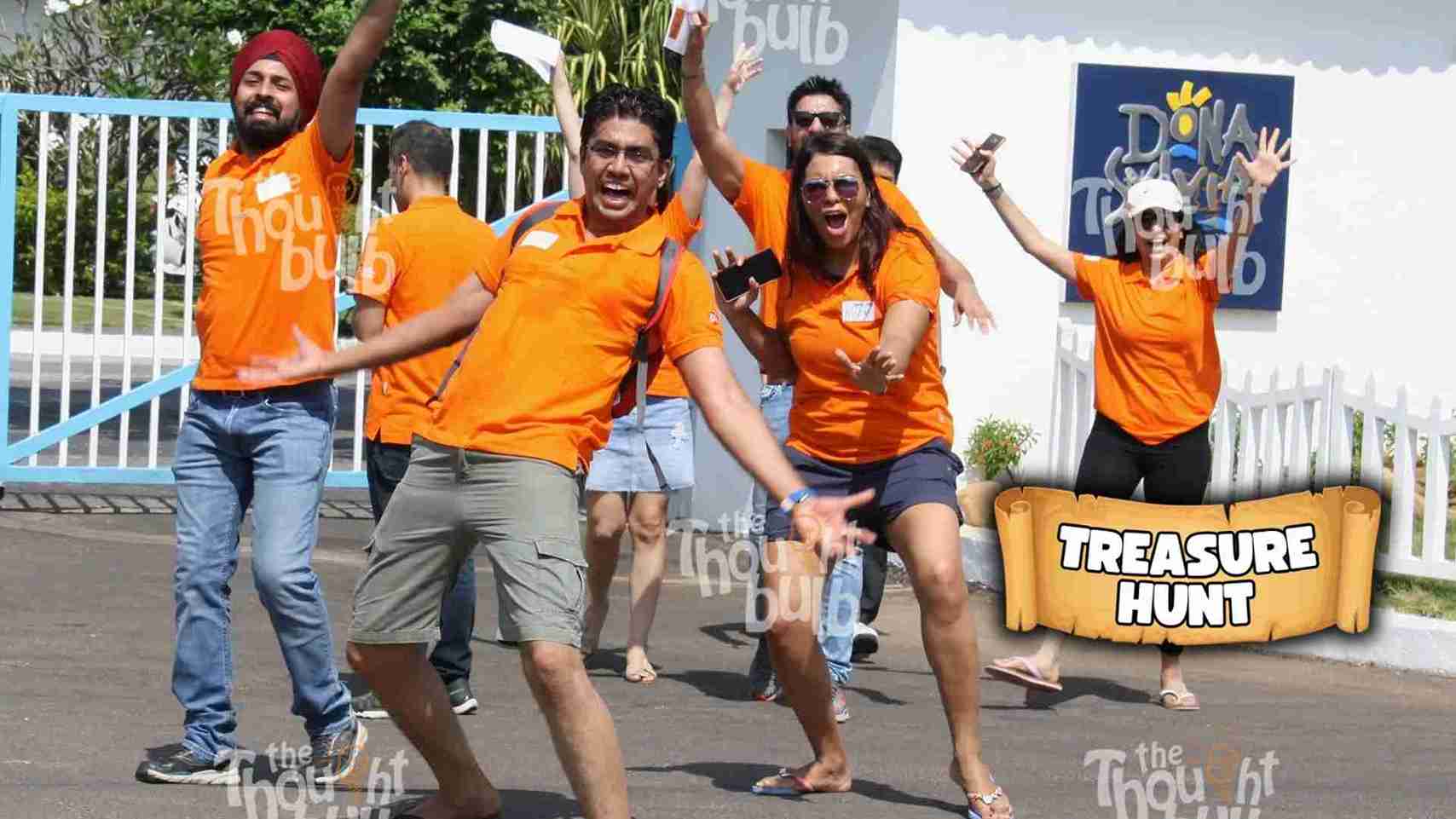
Solution: Thought Bulb designed a custom AR Treasure Hunt, integrating augmented reality with heritage elements to foster collaboration, creativity, and strategic thinking.
Key Takeaways:
Encouraged out-of-the-box thinking.
Strengthened problem-solving skills.
Created a memorable experience in a unique setting.
Facebook: A Virtual Bollywood-Themed Celebration
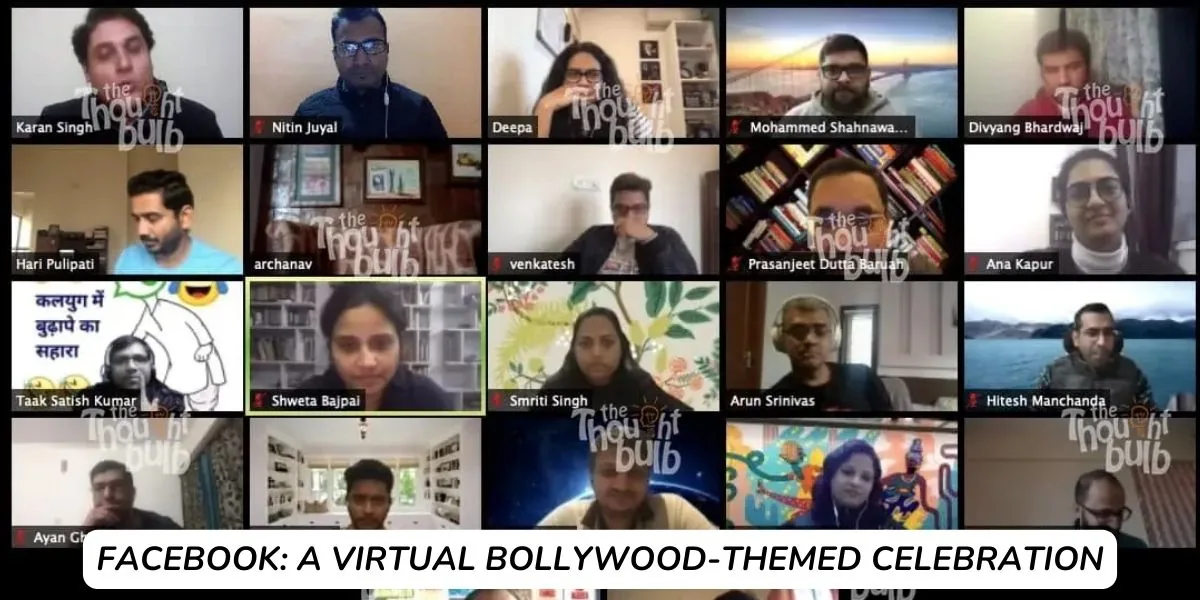
A team of 40-50 Facebook employees wanted a high-energy virtual experience to close the year on a fun and engaging note.
Solution: A Bollywood-themed engagement session with team-based challenges, including music, dance, and film reenactments.
Key Takeaways:
Encouraged adaptability and creativity.
Strengthened team bonding in a remote work setting.
Boosted morale with a lighthearted, high-energy experience.
EY: A Global Learning & Engagement Initiative
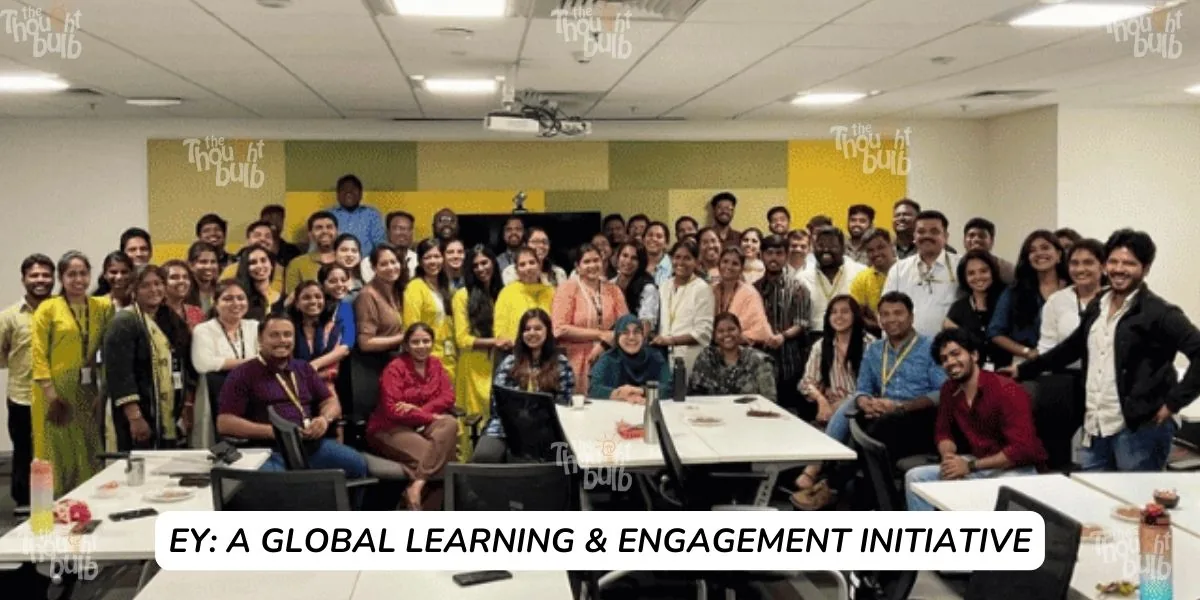
With teams spread across multiple global locations, EY aimed to enhance collaboration, break silos, and foster innovation.
Solution: A hybrid engagement series featuring:
Speed Networking – Strengthening relationships and cross-team communication.
Airport Makeover – A design thinking challenge fostering creativity.
Drone Around the World – A hands-on challenge where teams built and raced drones, later donated to an NGO.
Key Takeaways:
Strengthened global connectivity.
Reinforced an innovation-driven mindset.
Created social impact through CSR-driven engagement.
Types of Team-Building Activities
Indoor Activities
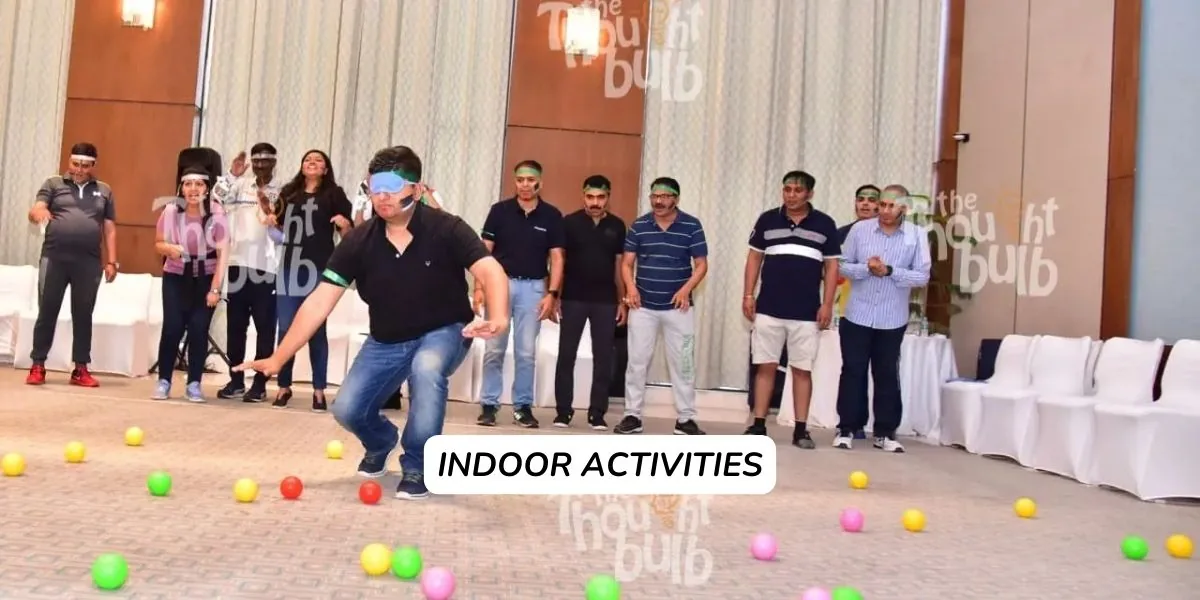
AR Treasure Hunt – A tech-driven interactive challenge.
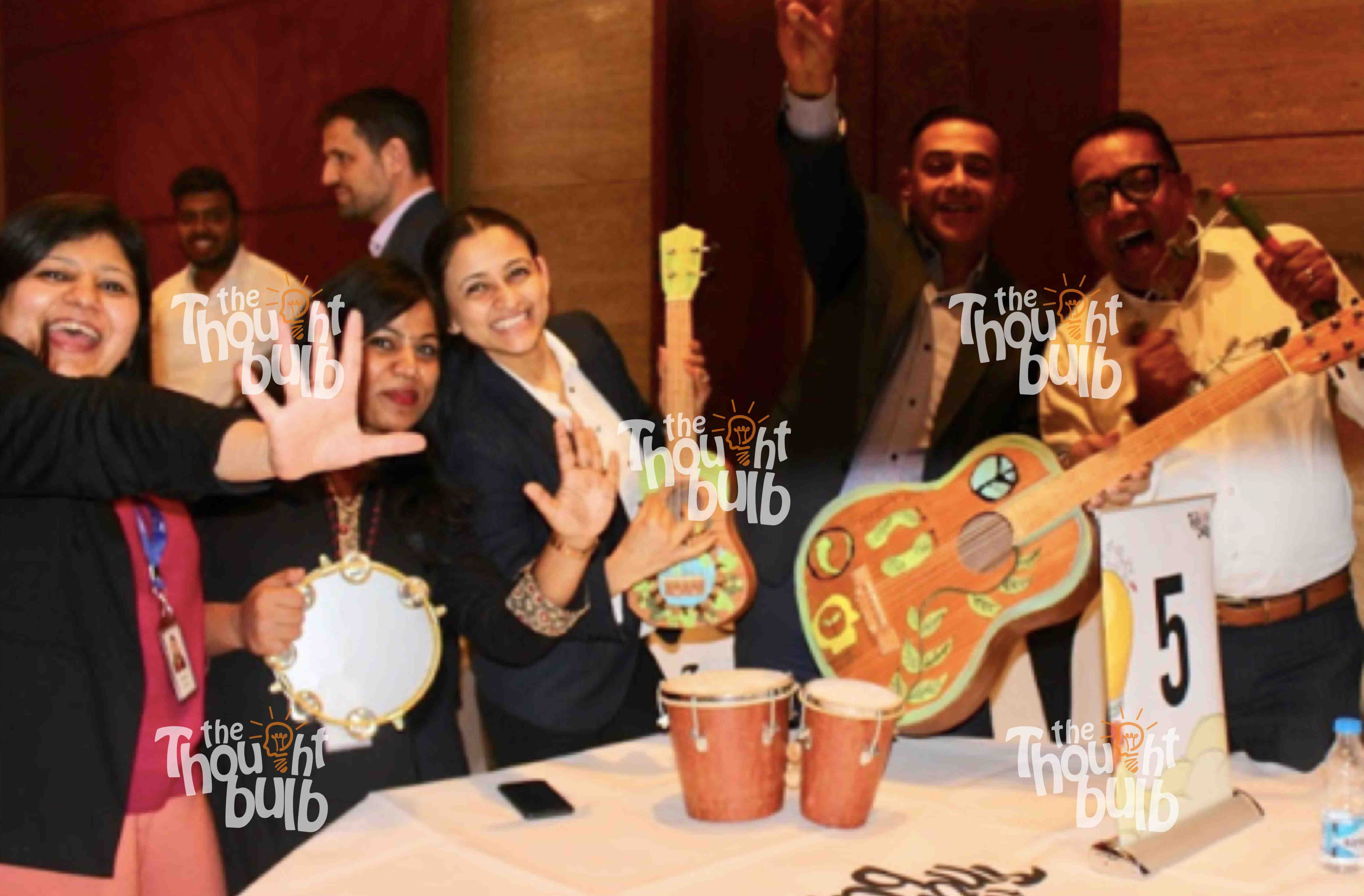
Melody Maniac – A music-based team engagement activity.
The Big 5 Challenge – A strategy-based team competition.
Lost in Space – A futuristic space-themed collaboration challenge.
Outdoor Activities
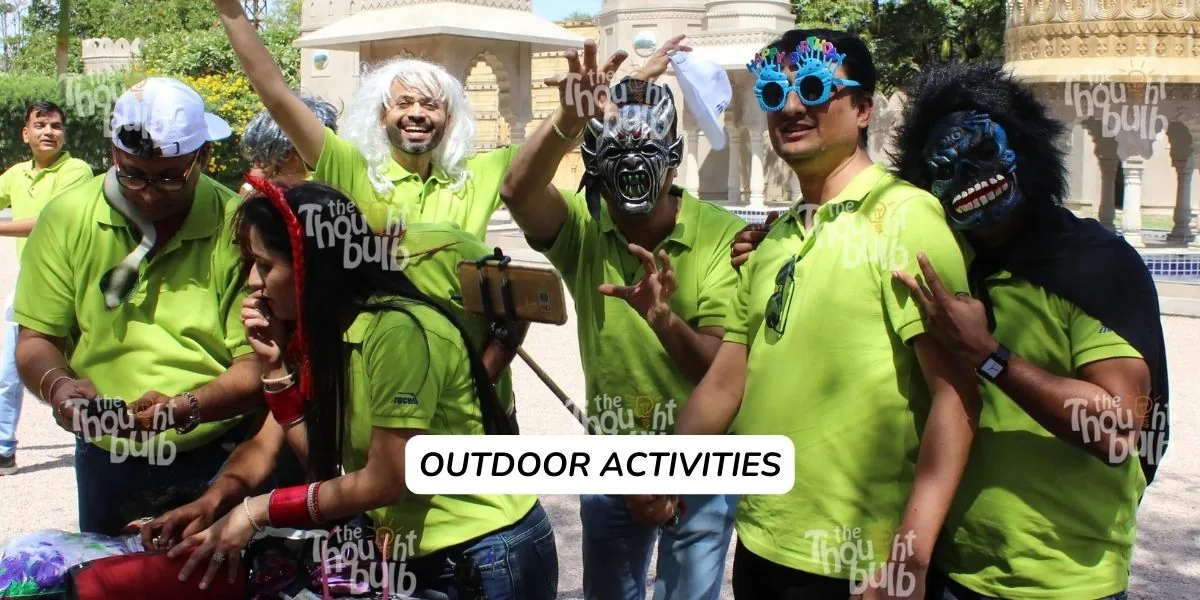
Outdoor AR Treasure Hunt – A location-based adventure experience.
Squid Games Challenge – A thrilling, strategic team-based activity.
Tech Terrain Challenge – A high-tech outdoor engagement experience.
Local Flavours Challenge – A culture-driven, food-inspired challenge.
Which one is better - Motivational Speaking or Team Engagement?
Finding the right approach isn’t about choosing one over the other—it’s about aligning your objectives with the method that best delivers results.
For a quick morale boost or a fresh perspective, a motivational speaker can be an excellent choice. However, if your goal is to enhance collaboration, problem-solving, or long-term engagement, team-building programs provide a more immersive experience.
In fact, combining both approaches—a compelling talk followed by an interactive engagement session—can create a holistic, transformative experience.
Final Thoughts
At the end of the day, the choice isn’t about which method is better—it’s about what aligns best with your goals.
Words can inspire, but experiences shape behaviors.
A motivational talk can set the stage, but a team engagement experience ensures those insights translate into action. The key is to choose an approach that not only resonates with your employees but also drives lasting impact in your workplace culture.