Picture the first ten minutes of a 300-person town hall in a Gurugram office. The lights are up, the agenda is packed, and most people are quietly scrolling on their phones, waiting for something to happen. That silence is expensive. For large Indian companies running quarterly connects, sales kick-offs, induction weeks, and cross-city offsites, the opening icebreaker is not a warm-up act. It is the moment that decides whether the next few hours feel like a shared experience or a broadcast that people sit through.
Icebreaker games for large corporate groups are having a real moment in India in 2026, and for good reason. Teams are bigger, more distributed, and more multi-generational than ever. A well-run icebreaker cuts through hierarchy, gets hundreds of people talking to colleagues they have never met, and sets the emotional tone for everything that follows. Done badly, it becomes the cringe segment everyone dreads. This guide covers what actually works when the group is not 12 people in a room but 200 or more across cities and screens.
Why Icebreakers Matter More Than Ever for Indian Teams
The engagement picture in India has softened, and leaders are feeling it. According to Gallup's State of the Global Workplace research, manager engagement in India fell from 39 percent in 2024 to 30 percent in 2025, while engagement among individual contributors slipped from 24 percent to 19 percent. When the people who set the tone for a team are themselves checked out, disconnection spreads quickly through a large organisation.
The cost is not abstract. Gallup estimates that workplace disengagement drains roughly 351 billion dollars a year from the Indian economy, equal to around 9 percent of GDP. A large slice of that loss comes from something an icebreaker directly addresses: people who do not feel connected to the colleagues around them.
Connection is the hidden lever. Gallup's long-running data shows that employees who have a best friend at work are about seven times more likely to be fully engaged, yet only three in ten employees strongly agree that they have a good friend at work. Big companies do not build those friendships through policy. They build them through repeated, low-stakes moments where people actually interact, and a strong icebreaker at a large event is one of the cheapest ways to manufacture that first spark of familiarity.
What Makes an Icebreaker Work for a Large Group
Icebreakers that are charming with a small team fall apart at scale. Going around the room for introductions works for eight people and dies at eighty. The mechanics have to change when the group grows, and a few principles separate the games that land from the ones that stall.
It has to scale without losing energy
The best large-group icebreakers run in parallel. Instead of one person performing while everyone watches, you want dozens of small pods all playing at once, so nobody waits more than a few seconds for their turn. Energy in a big room is fragile, and long queues kill it.
The rules fit on one slide
When you are briefing hundreds of people, complexity is the enemy. If a facilitator cannot explain the game in two sentences from the stage, half the room will be lost by the time the timer starts. Simple, physical, visual tasks travel across language and seniority far better than anything that needs a long setup.
It mixes people who would not otherwise talk
A large gathering is a rare chance to break silos. Good icebreakers deliberately scramble departments, cities, and levels so the finance analyst ends up laughing next to a regional sales head. That cross-pollination is the entire point, and it is why random pod assignment beats letting people sit with their usual crowd.
Keep individual rounds short, ideally 60 to 120 seconds, so momentum never dips.
Design for parallel play so hundreds are active at once, not watching a handful.
Use clear scoring or a light competitive hook to give the room a shared goal.
Brief with visuals and a loud, confident host who can hold a big space.
Assign pods randomly to force fresh introductions across teams and cities.
Icebreaker Games That Scale to Hundreds
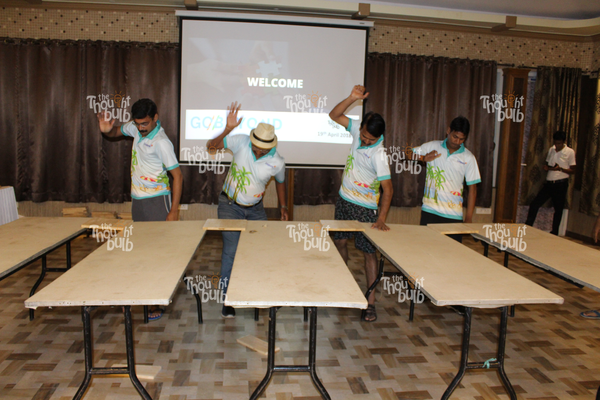
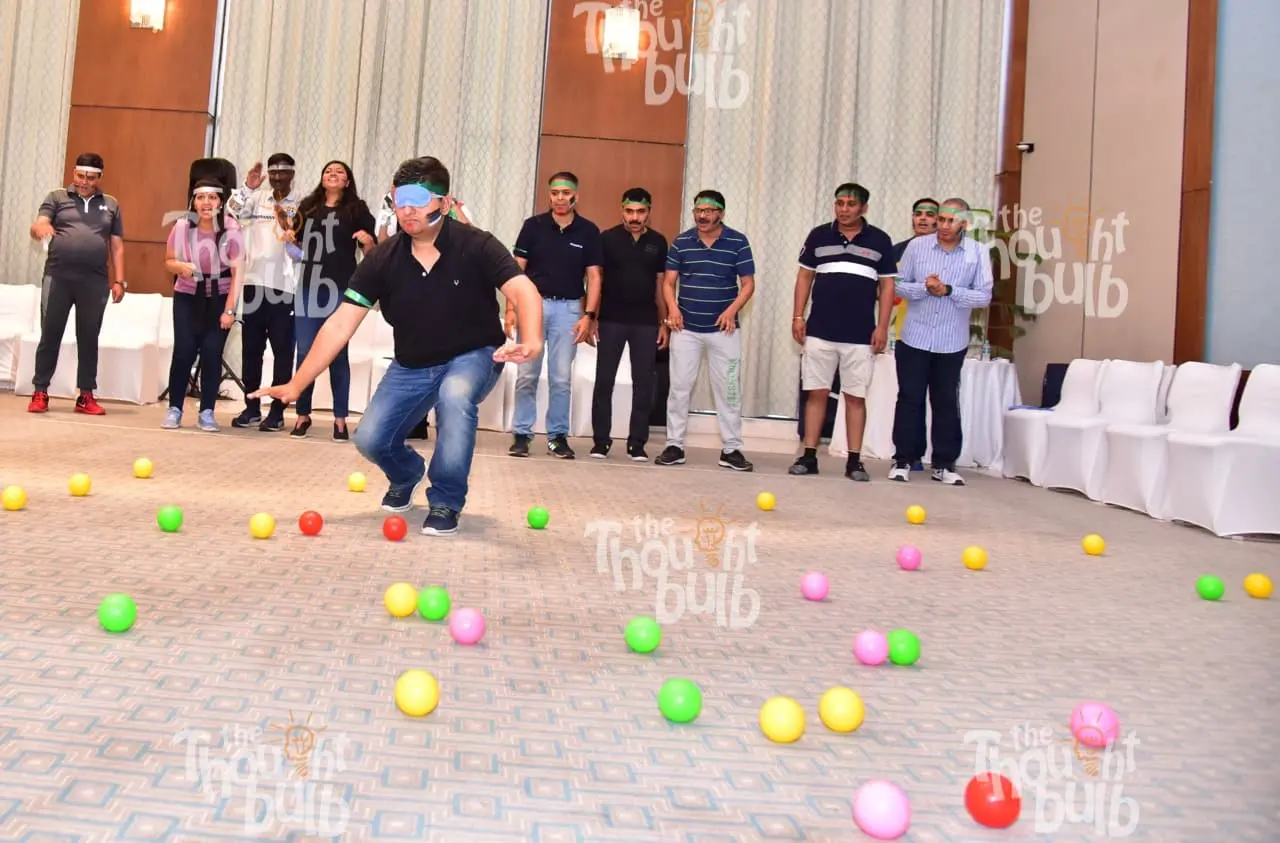
Among the formats that reliably work for big Indian audiences is Minute To Win It, a fast-paced series of 60-second challenges built from everyday objects. Because every pod attempts the same simple task at the same time, a room of 200 people can all be playing simultaneously, cheering each other on as timers run down. It needs almost no explanation, works indoors or outdoors, and the short rounds keep the energy spiking rather than sagging. For a large kick-off or induction batch, it is one of the quickest ways to get strangers high-fiving within minutes.
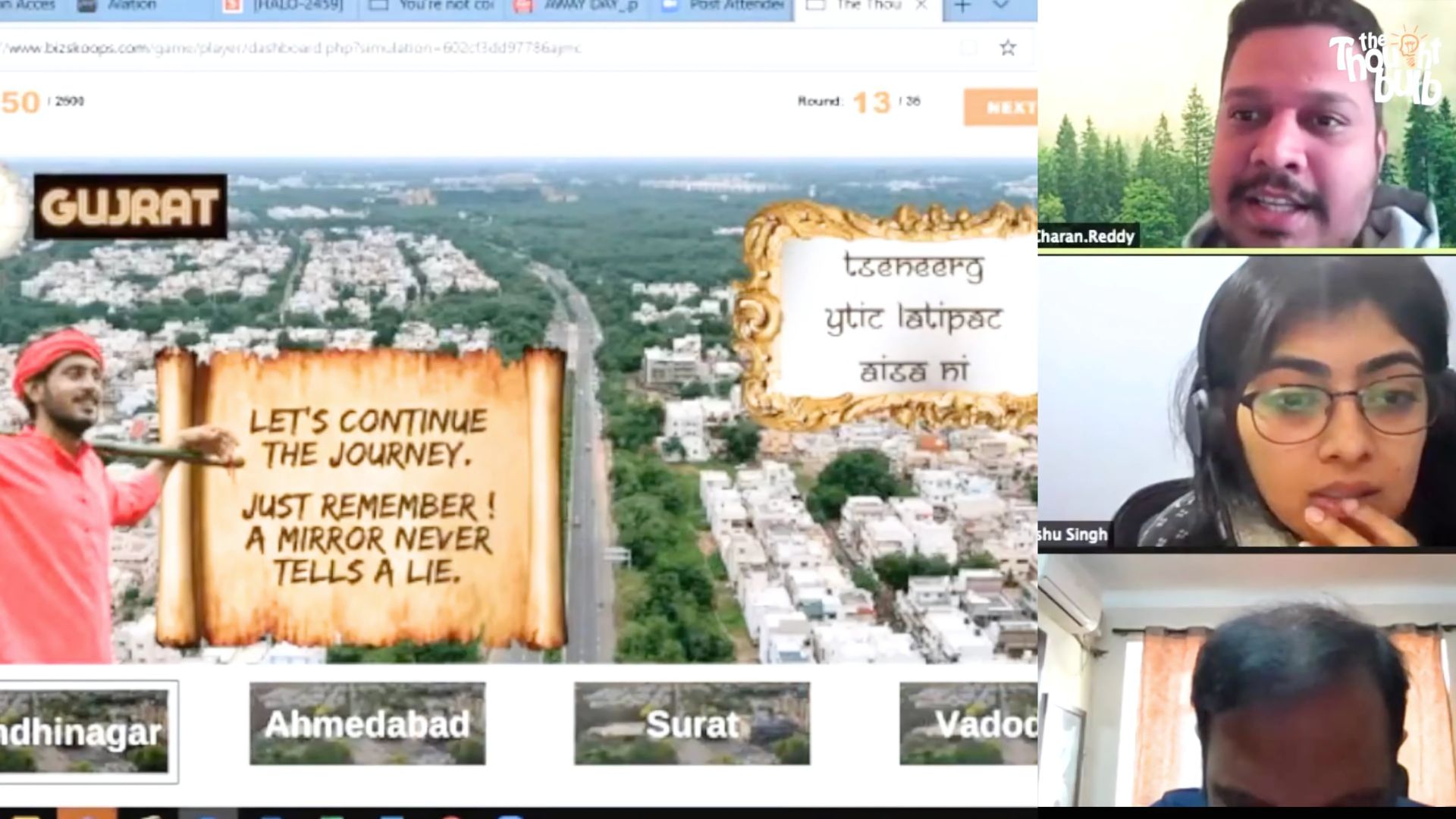
For hybrid and fully remote groups, the same energy translates online through the Virtual Minute To Win Challenge. Participants join from their own homes and race through quick tasks using items on their desk, while a host keeps the pace and a leaderboard tracks the action. It solves the hardest problem of large virtual events, which is passive watching, by making everyone stand up and do something in the first five minutes. Remote employees who normally stay muted on camera end up fully involved, and the shared laughter carries into the working session that follows.

Running Icebreakers for Hybrid and Virtual Groups
Most large Indian companies now run at least some events with a mix of in-person and remote attendees, and icebreakers need to respect that split. The worst outcome is an in-room game that leaves the dial-in audience staring at the back of people's heads. If part of your group is remote, either give them a parallel version of the game on their screens or design one activity that both audiences can play together with a shared scoreboard.
Timing also matters more online. Attention spans on video are shorter, so virtual icebreakers should hit within the first few minutes before anyone drifts into another tab. Keep instructions on screen, assign breakout pods automatically, and give a clear finish signal so the transition back to business is crisp rather than awkward.
It also helps to weave these moments into a wider rhythm rather than treating them as one-offs. Companies that map fun and connection across the year using an employee engagement calendar tend to get far more out of individual events, because people arrive already used to the idea that gathering means participating, not just listening.
What Large-Scale Icebreakers Look Like in Practice
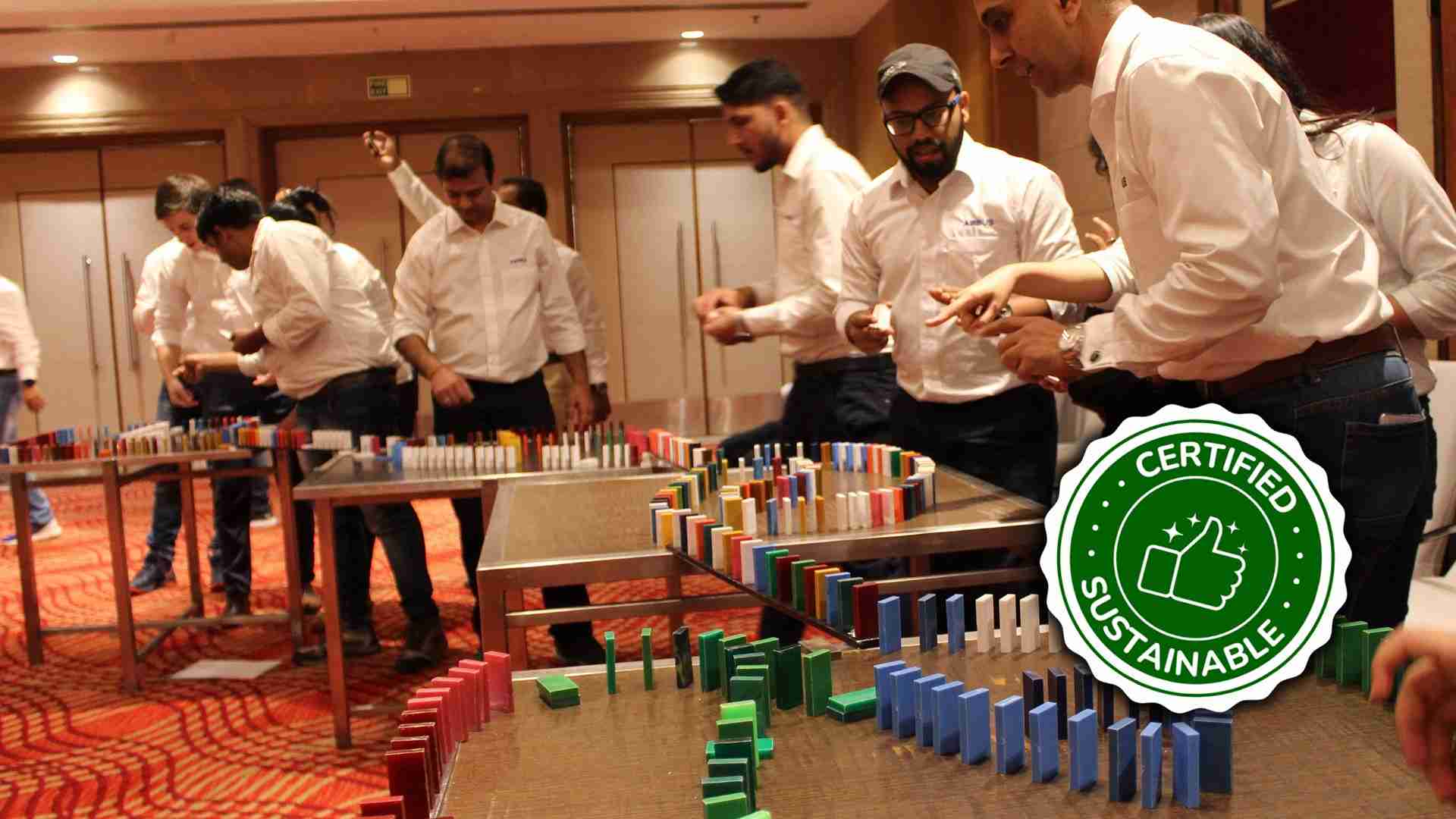
The theory holds up in the field. One professional services firm needed to bring together more than 600 people spread across multiple locations for a large learning and engagement programme, the kind of scale where a weak opener would have lost the room instantly. The brief was to make hundreds of colleagues from different offices feel like one connected group before the serious content began.
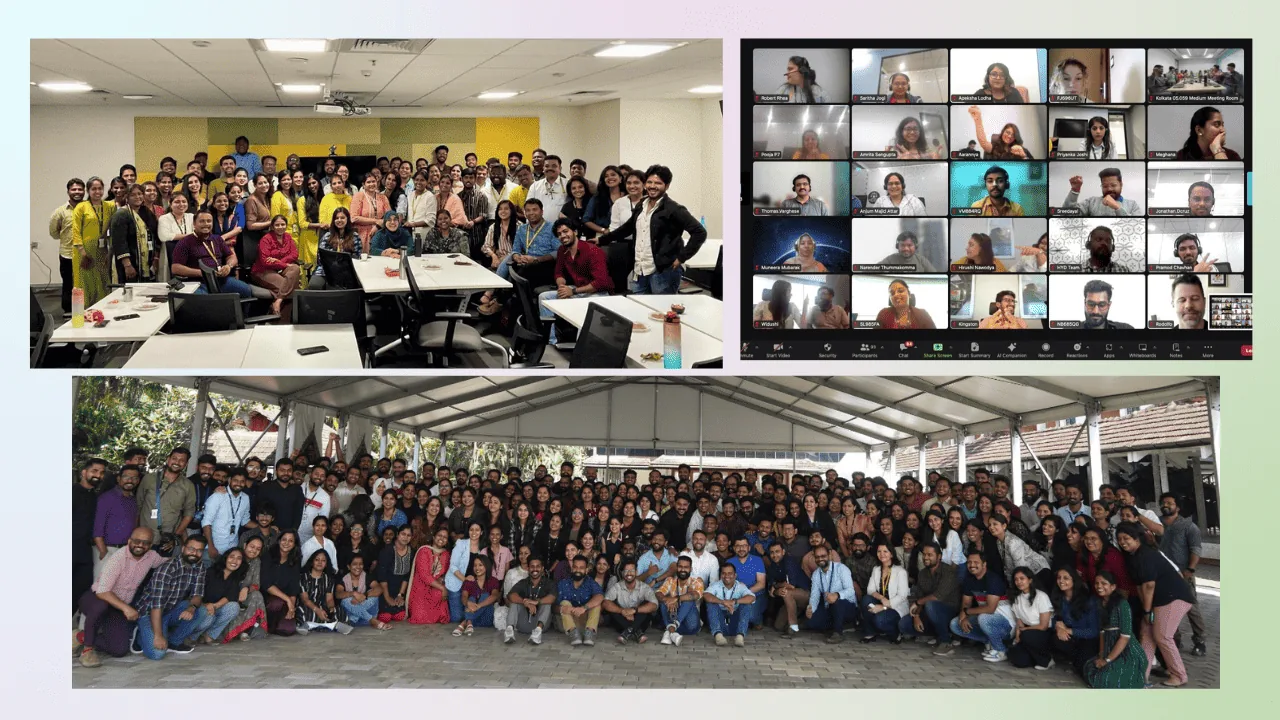
We opened with high-energy, parallel-play formats that got every pod active at once, then moved into deeper collaboration challenges. The large-group icebreakers did the heavy lifting early: within the first stretch, people who had never met were competing, laughing, and problem-solving together, which made the later learning modules land with a room that was already warmed up and willing to contribute. It is a useful reminder that at scale, the icebreaker is not filler. It is the foundation the rest of the day is built on.
You can see more examples of how these programmes play out for teams of every size in our collection of client case studies, from a few dozen leaders to audiences in the thousands.
Common Mistakes to Avoid
Even experienced organisers trip over the same few things when the group gets large. Being aware of them ahead of time saves the opening from falling flat.
Choosing a game that only a few people play while everyone else watches and disengages.
Over-explaining complex rules from the stage until the room loses the thread.
Forgetting the remote audience and leaving dial-in participants as spectators.
Letting people cluster with their own teams instead of mixing across departments.
Running the icebreaker too long, so the energy peaks and fades before the real content starts.
Skipping a proper host, since a big room needs someone confident enough to hold it.
Conclusion
For large Indian teams navigating softer engagement numbers and more distributed workforces, the humble icebreaker is quietly one of the highest-leverage tools available. It costs little, takes minutes, and can turn a passive audience of hundreds into a room full of people who are talking, laughing, and ready to work together. The trick is choosing formats that scale, keeping the rules simple, and mixing people who would never otherwise cross paths.
If you are planning a large kick-off, induction, or offsite this year and want your opening to actually land, our team can help you design an experience that fits your group size, format, and culture. Explore our full range of team building activities to find the right fit for your next big gathering.