In today’s digitally connected world, the boundaries between work and personal life have become increasingly blurred. Employees are no longer just working within traditional office hours; work has invaded homes, weekends, and even vacations. For many, the expectation to be “always on” has led to chronic stress, burnout, and a decline in overall well-being. This is where work-life balance plays a critical role. A company that prioritizes work-life balance doesn’t just foster happier employees—it creates an environment that drives long-term productivity, loyalty, and innovation.

At The Thought Bulb, we recognize the importance of balancing work and life. Our experiential learning programs and team-building activities are designed to address these needs by promoting engagement, reducing stress, and encouraging collaboration. In this in-depth article, we’ll explore the importance of work-life balance, provide research-backed insights, and highlight how experiential learning and innovative team-building initiatives can help companies create a harmonious work environment.
Why Work-Life Balance is Essential for Both Employees and Organizations
Work-life balance refers to the ability to manage professional responsibilities while still having time and energy for personal life, family, hobbies, and rest. According to research from the American Institute of Stress, nearly 80% of workers feel stressed due to their job, and more than half report that stress negatively impacts their productivity. Chronic stress not only leads to burnout but also reduces employee engagement, increases absenteeism, and drives high turnover rates.
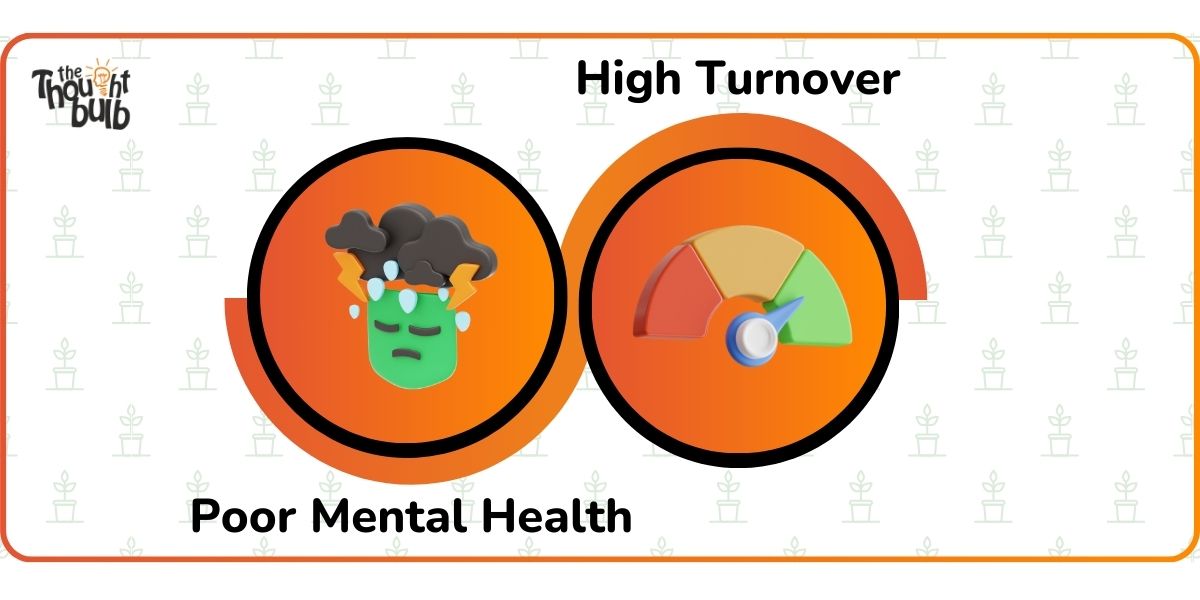
High Turnover:
Employees who struggle with work-life balance are more likely to leave in search of better opportunities elsewhere.
Poor Mental Health:
A lack of balance can contribute to anxiety, depression, and other mental health issues, which in turn affects an employee’s work performance.
Conversely, when organizations support work-life balance, they see numerous benefits:
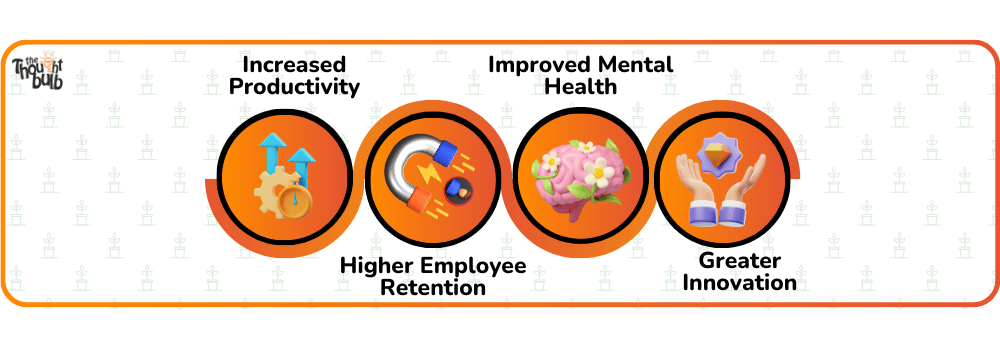
Increased Productivity:
Research from the University of Warwick shows that happy employees are 12% more productive. Employees who feel balanced and valued are more focused and creative.
Higher Employee Retention:
A report by LinkedIn found that 63% of professionals consider work-life balance a top priority when choosing a job. Organizations that prioritize balance reduce turnover rates and retain top talent.
Improved Mental Health:
According to the World Health Organization (WHO), work-related stress is one of the leading causes of mental health disorders, including anxiety and depression. A balanced work environment reduces the risk of burnout and enhances overall well-being.
Greater Innovation:
Employees who are not overwhelmed by excessive workloads are more likely to think creatively, collaborate effectively, and contribute innovative ideas.
By offering flexibility, wellness initiatives, and a supportive work culture, companies can cultivate an environment where employees thrive both personally and professionally.
The Role of Experiential Learning in Fostering Work-Life Balance
At The Thought Bulb, we specialize in creating experiential learning programs that address the unique challenges of modern work environments. Experiential learning, unlike traditional training methods, engages participants in hands-on activities that promote self-awareness, collaboration, and problem-solving. These activities provide valuable insights into stress management, time prioritization, and fostering a healthy balance between work and life.
1. Mindfulness and Wellness Programs
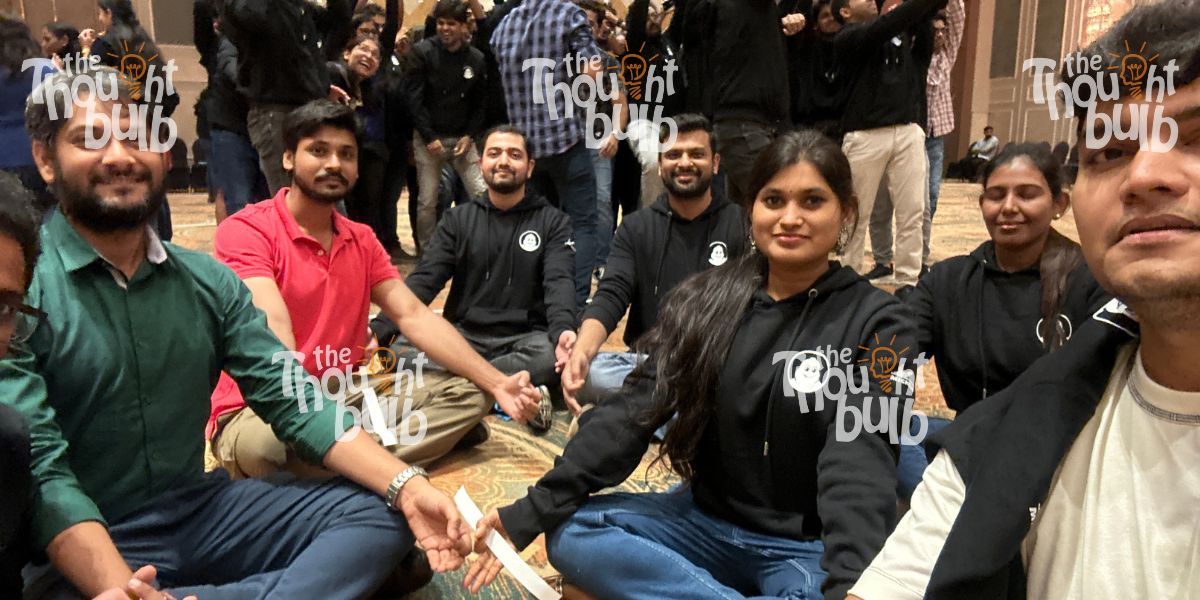
Our wellness-focused programs incorporate elements of mindfulness, stress relief, and physical well-being. For example, The Thought Bulb’s Virtual Yoga Challenge encourages employees to take time out of their day to engage in yoga, stretching exercises, and mindfulness practices. These activities not only promote physical health but also help employees disconnect from their work responsibilities, fostering a sense of calm and balance.
Incorporating wellness programs as part of the organizational culture has been shown to reduce stress levels and increase productivity. A study by Harvard Business Review found that companies that offer wellness programs experience 25% fewer cases of employee burnout. These programs encourage employees to take breaks and prioritize their well-being, ultimately leading to better focus and performance.
2. Team-Building Through Collaborative Challenges
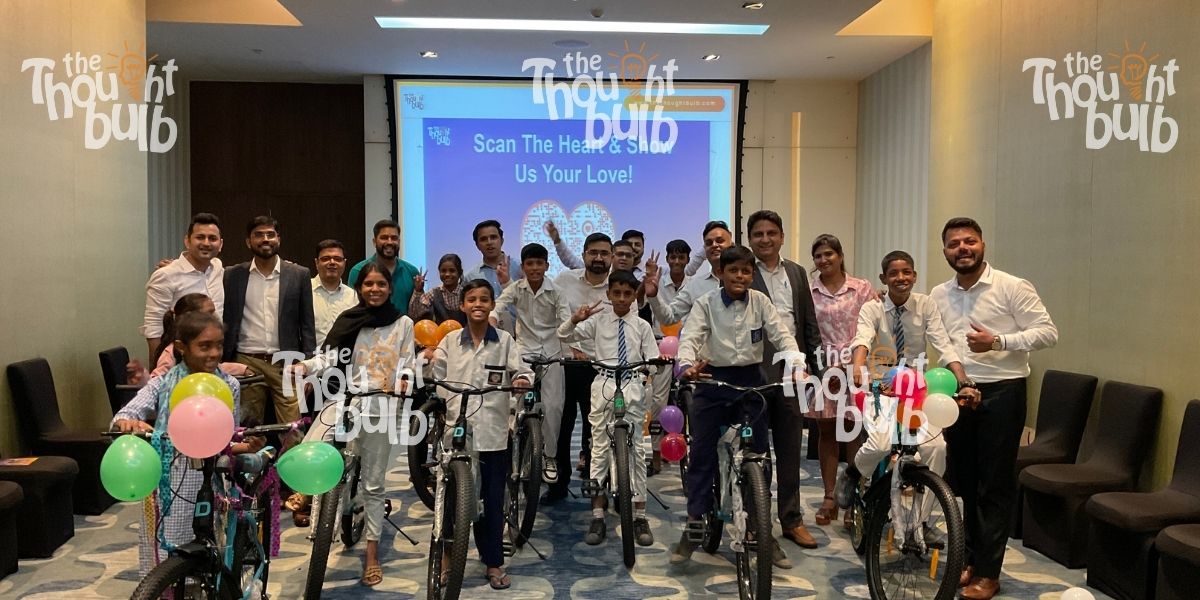
Collaboration plays a crucial role in achieving work-life balance. Employees who feel supported by their teams and managers are more likely to manage stress and workloads effectively. The Thought Bulb’s team-building activities such as the Build a Bicycle Challenge, where employees work together to assemble bicycles that are later donated to underprivileged children, foster both teamwork and a sense of purpose. This initiative not only enhances team collaboration but also provides a fulfilling experience that goes beyond the workplace.
Activities like these encourage employees to step away from their daily tasks, engage in creative problem-solving, and build strong relationships with their colleagues. According to a report by McKinsey & Company, teams that work well together are more productive, experience less stress, and report higher levels of job satisfaction.
Research-Driven Insights on Work-Life Balance
There is substantial research underscoring the importance of work-life balance for both employee well-being and organizational success. Below are several key studies that reinforce the critical nature of balance:
1. The Impact of Flexibility on Productivity
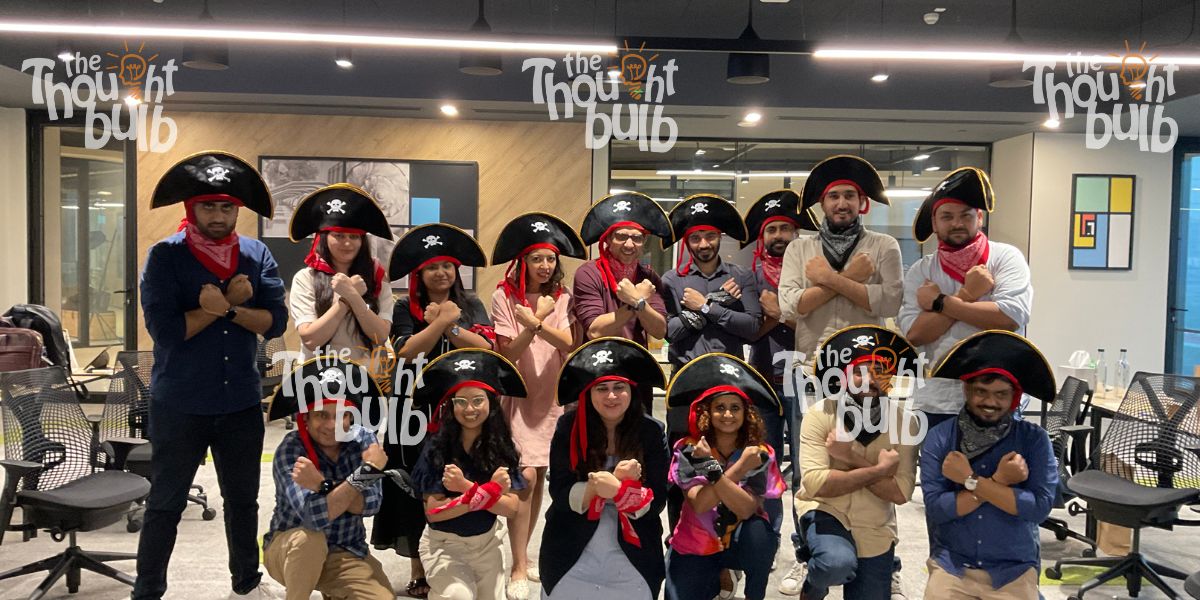
A study conducted by Stanford University found that remote employees were 13% more productive than their office-based counterparts. The ability to work from home, set flexible hours, and manage personal responsibilities alongside work commitments contributed to higher job satisfaction and focus. Companies that offer flexible work options empower employees to maintain balance without sacrificing productivity.
At The Thought Bulb, we have integrated this concept into our Flexible Team-Building Programs, which can be tailored for both in-person and remote teams. For example, our AR Treasure Hunt Challenge can be conducted virtually as well, allowing remote teams to engage in collaborative problem-solving and creative thinking without the need to be physically present in an office. This approach ensures that all employees, regardless of their location, can benefit from our experiential learning methods while maintaining a healthy work-life balance.
2. The Role of Mental Health in Retention and Productivity
 Everest Challenge" loading="lazy" />
A report by Deloitte found that companies offering comprehensive mental health programs experienced 30% higher retention rates. Mental health days, counseling services, and wellness activities are increasingly becoming non-negotiable benefits for employees seeking balance. When employees feel supported in managing their mental well-being, they are more likely to stay with the organization long-term.
At The Thought Bulb, we incorporate mental wellness into our team-building activities. Programs like our Everest Challenge, where employees work together to pitch a tent, not only promote empathy but also encourage mindfulness and reduce stress. Activities that engage both the mind and body are essential for fostering mental well-being.
3. The Financial Impact of Poor Work-Life Balance

The American Psychological Association (APA) reports that workplace stress costs U.S. companies over $500 billion annually due to lost productivity, absenteeism, and healthcare costs. When employees are overworked and stressed, their performance suffers, which ultimately affects the bottom line. Organizations that fail to prioritize work-life balance risk losing valuable employees and increasing operational costs.
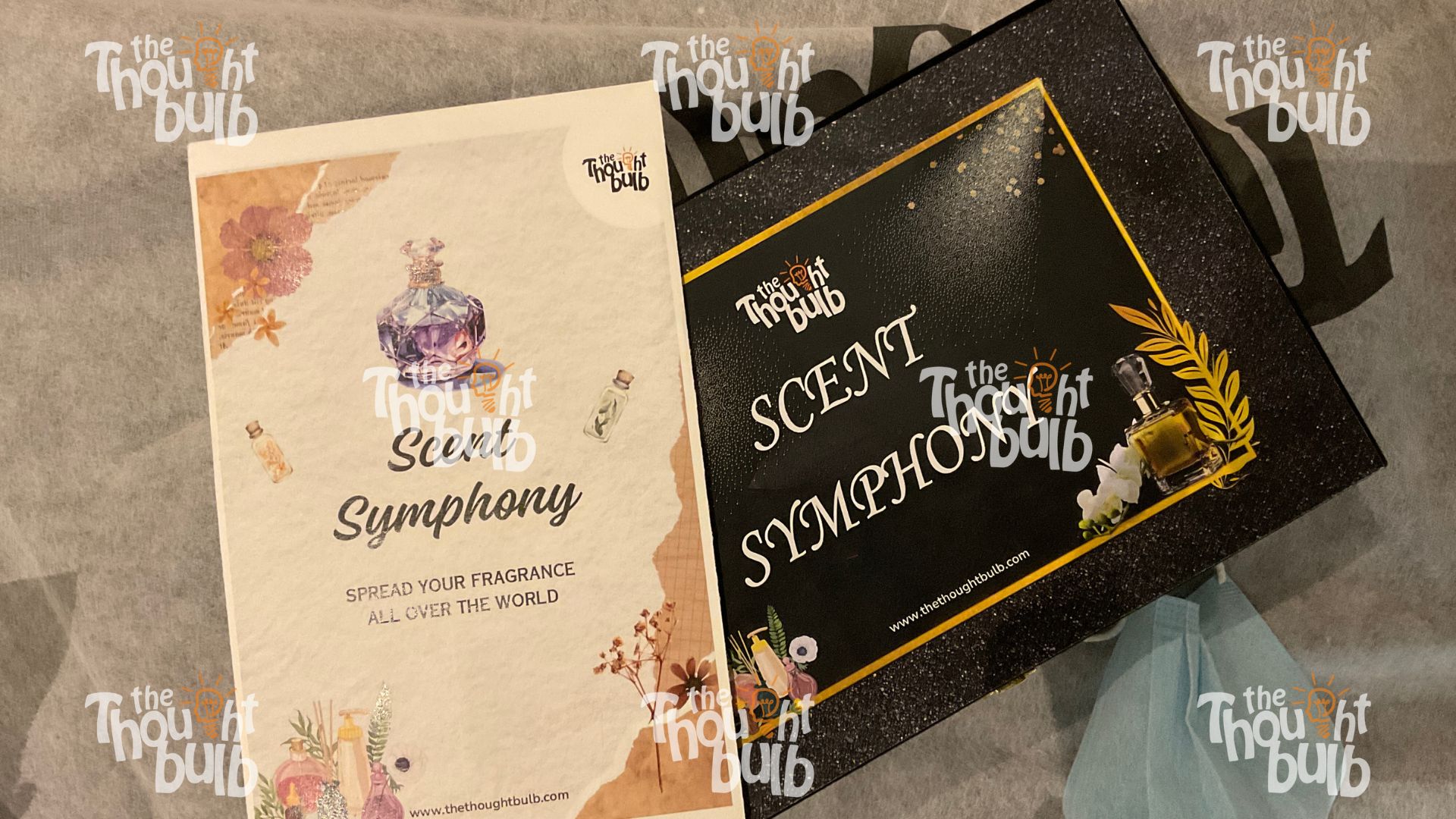
Implementing work-life balance initiatives, such as those provided by The Thought Bulb, can significantly reduce these costs. Our Scent Symphony Challenge, which engages teams in creating their own fragrances through collaborative storytelling and teamwork, fosters creativity and helps alleviate stress. By focusing on fragrance, it taps into the sensory power of smell, creating a relaxing and enjoyable experience for participants. These kinds of activities foster a fun and engaging work environment, contributing to overall employee well-being and stress reduction.
Practical Steps for Organizations to Achieve Work-Life Balance
Organizations must take proactive steps to foster a culture of balance. Below are actionable strategies that organizations can implement, along with relevant experiential learning tools that can enhance these efforts:
1. Offer Flexible Working Hours and Remote Work Options
Flexibility has become a key factor in employee retention and satisfaction. Organizations should offer remote work options and flexible hours to allow employees to manage personal and professional responsibilities. Post-pandemic, this shift has become essential, as employees demand more autonomy over their schedules.
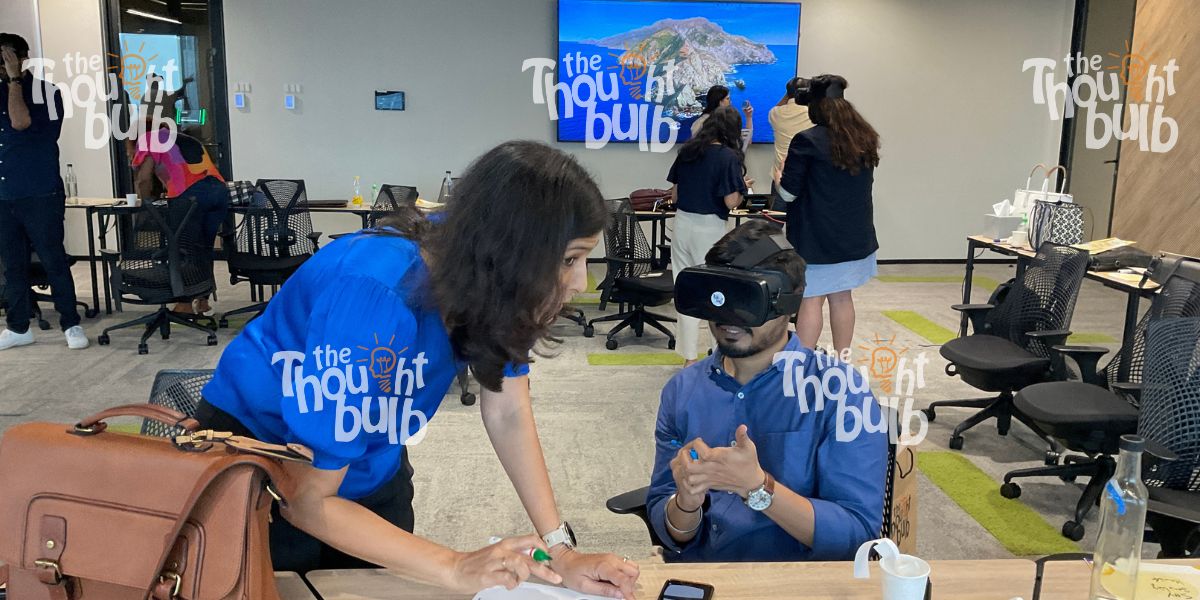
At The Thought Bulb, we offer team-building activities that can be adapted for remote and hybrid teams. Our Virtual Reality Terminal Quest Challenge is one such program, where employees immerse themselves in a virtual world to solve puzzles and overcome obstacles. These activities allow for flexibility while maintaining team engagement and collaboration.
2. Implement Wellness Programs and Mental Health Days
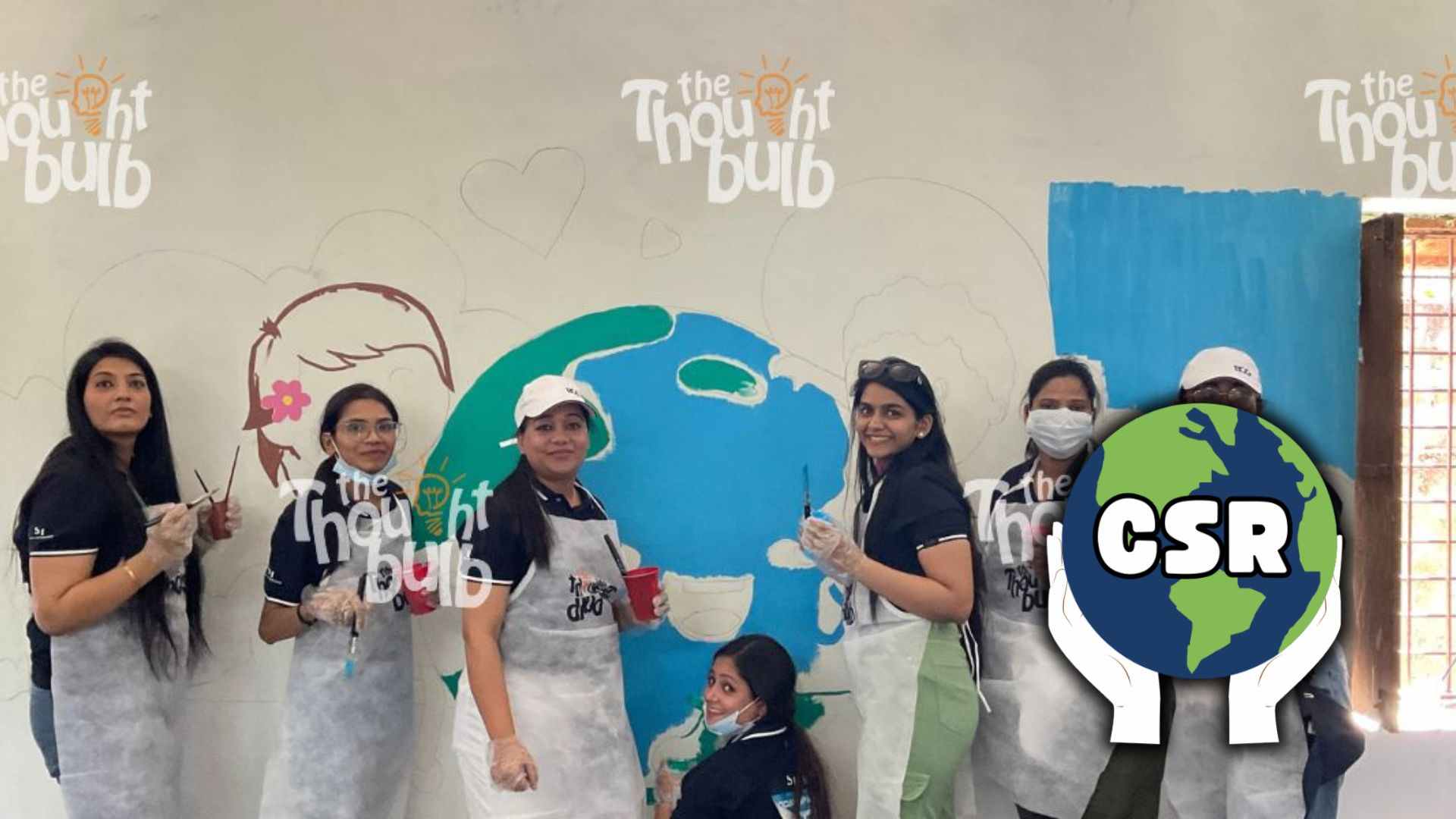
Encouraging employees to take mental health days and participate in wellness programs can reduce stress and prevent burnout. Companies should offer resources like virtual yoga classes, guided meditation, and access to mental health professionals. These programs not only promote well-being but also increase productivity in the long run.
At The Thought Bulb, our wellness programs such as Wall of Colours allow teams to take a break from routine and indulge in painting walls of NGOs or schools. The colourful extravaganza provides employees with an opportunity to indulge with colours, create laughter and relax.
3. Foster a Culture of Accountability and Communication
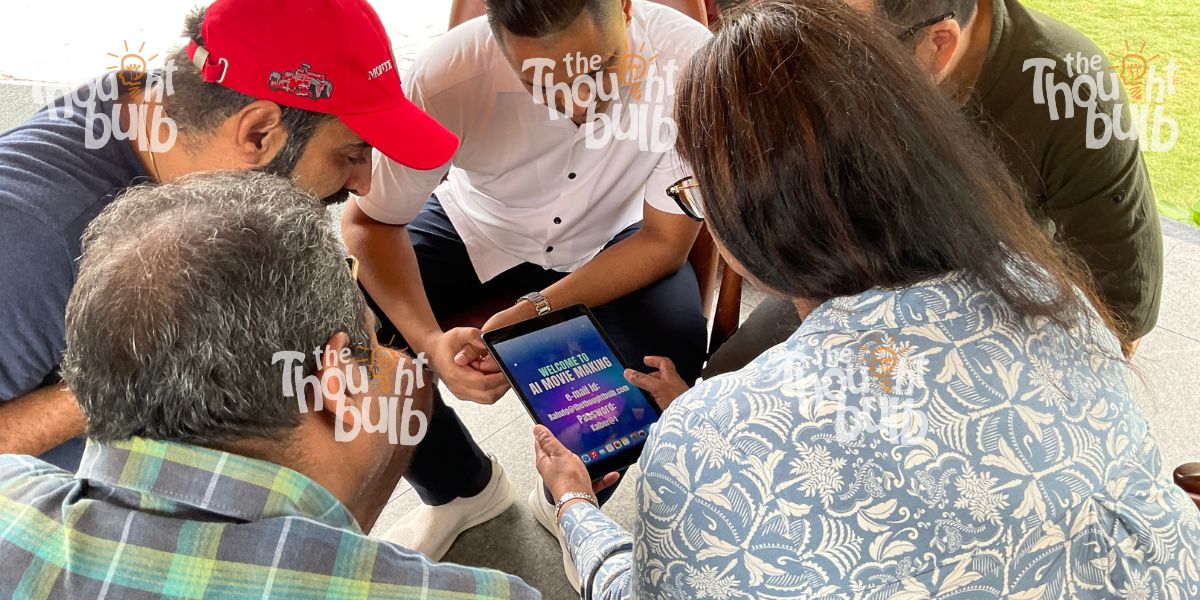
Employees need to feel empowered to communicate their challenges and seek support when necessary. Encouraging regular check-ins between managers and their teams creates a culture of transparency and accountability. Managers should be trained to recognize signs of burnout and offer solutions, such as reducing workloads or providing additional resources.
The Thought Bulb offers leadership training programs focused on emotional intelligence and communication. Our AI Movie Making Challenge, for example, encourages leaders and teams to collaborate on creating short films using AI technology. This activity not only fosters creativity but also emphasizes the importance of communication and teamwork in achieving a common goal.
Monthly and Weekly Work-Life Balance Initiatives
Organizations can implement regular initiatives to keep work-life balance at the forefront of company culture. Here are some ideas for monthly and weekly initiatives, inspired by The Thought Bulb’s experiential learning programs:
Weekly Initiatives
Mindful Mondays:
Start the week with a 10-minute mindfulness or meditation session to help employees set a calm, focused tone for the days ahead.
Wellness Wednesdays:
A 30-minute session focused on yoga, stretching, or mindfulness, encouraging employees to take a break from their routine and focus on their well-being.
Fun Fridays:
Dedicate Fridays to play some games, be it online or offline, the idea is to divert from routine work by wrapping up the week stress-free.
Energizer Thursdays:
Bring in icebreakers and energizers to lighten the midweek work environment and to energizer the teams. These icebreakers and energizers will boost and instil a very positive and high energy atmosphere.
Monthly Initiatives
Monthly Check-ins:
Managers can hold one-on-one meetings with employees to assess how they are managing their workload, stress levels, and work-life balance. These check-ins create a space for employees to share concerns and for managers to provide support.
Team-Building Activities:
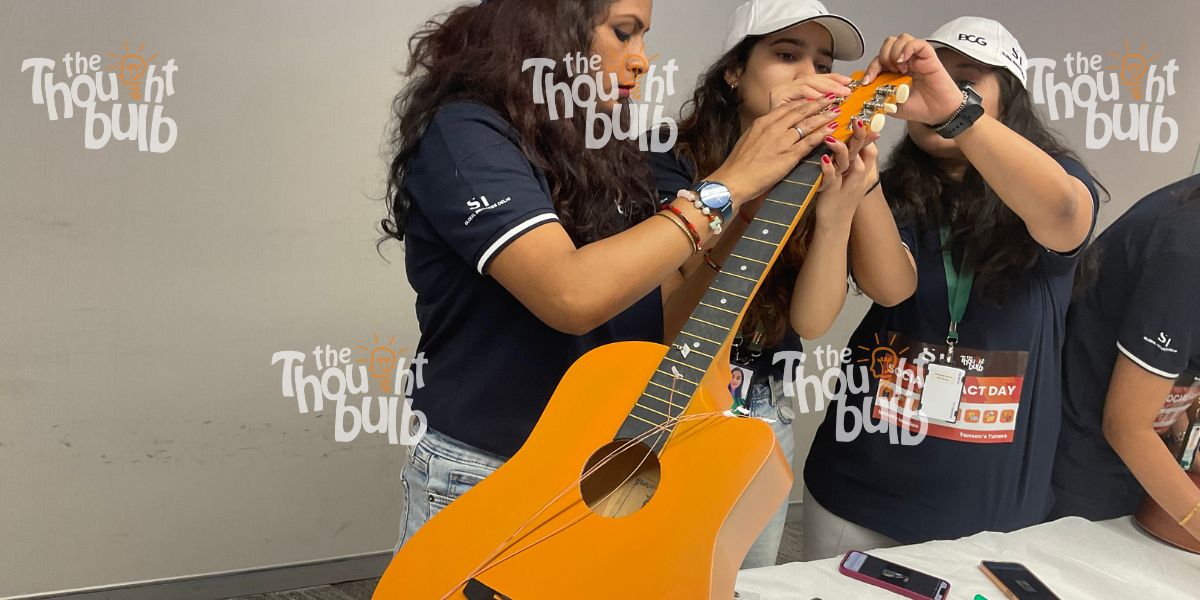
Organize a quarterly team-building event that encourages collaboration and balance. Programs like The Thought Bulb’s Melody Maniac are great for fostering creativity and teamwork. In this activity, teams create musical instruments from scratch and use them to compose a song together. This type of challenge helps employees step away from their daily tasks and engage in creative, stress-relieving activities.
Recognition and Rewards:
Recognize employees who successfully maintain a healthy work-life balance or those who have excelled in managing their time effectively. Public recognition and rewards, such as wellness-related gifts or extra time off, reinforce the importance of balance.
Seasonal Initiatives
The Thought Bulb also recommends rolling out seasonal initiatives that align with the changing needs and energy levels of employees throughout the year. These initiatives can be paired with experiential learning programs to create a culture of continuous improvement and engagement.

For example, June can be designated as Sustainability Month, where activities like the Solar Fusion Challenge, take centre stage. In this challenge, employees build solar-powered devices, which are later donated to NGOs. This initiative not only promotes sustainability but also encourages teamwork and innovation.
Many organizations find value in integrating corporate social responsibility (CSR) into their work-life balance efforts. Activities like
The Thought Bulb’s Social Elf Challenge, where employees design school bags and paint shoes for underprivileged children, provide a sense of fulfilment and give employees a chance to give back to their community.
Work-Life Balance as a Key Driver of Employee Retention
Work-life balance is no longer just a perk; it’s a primary factor influencing employee retention, particularly among Millennials and Gen Z workers. According to a report by Deloitte, 70% of Millennials say work-life balance is an important factor in choosing a job, and they are more likely to leave companies that fail to provide it.
Organizations that fail to meet these expectations risk losing valuable employees to competitors who offer better work-life integration. The Thought Bulb’s experiential learning programs are specifically designed to help companies address these concerns, offering team-building solutions that enhance engagement, reduce stress, and foster a healthy balance.
For example, our Comic Strip Challenge is an ideal activity to promote both creativity and work-life balance. Teams work together to create comic strips that emphasize a message or corporate value, blending fun and purpose. The collaborative nature of this challenge enhances communication and allows employees to express themselves creatively, offering a break from their typical work routines.
Theoretical Frameworks That Support Work-Life Balance
Several psychological models provide a structured understanding of work-life balance and its importance in the modern workplace. Let’s explore two key frameworks that can help organizations enhance their approach to balance:
1. Job Demands-Resources (JD-R) Model
The JD-R Model explains how work demands and available resources impact employee well-being. High job demands, such as tight deadlines, excessive workloads, and emotional pressure, can lead to burnout if they are not offset by sufficient resources, such as flexibility, support from management, and wellness programs.
The Thought Bulb incorporates the JD-R model in many of its activities, such as the Lost in Space Challenge, where teams work together to solve a series of puzzles. These activities allow employees to experience healthy stressors in a controlled environment while learning how to balance demands with the resources at their disposal, whether that be teamwork, communication, or strategic thinking.
2. Maslow’s Hierarchy of Needs
Maslow’s Hierarchy of Needs suggests that human motivation is driven by the desire to meet various levels of needs, starting from basic physiological needs (e.g., job security, financial stability) to higher-level needs like self-esteem and self-actualization.
At The Thought Bulb, our programs are designed to meet these needs. For instance, our Cooking Challenge offers an opportunity for employees to contribute to a healthier lifestyle by cooking a dish while working in teams. This activity not only fulfils employees’ basic lifestyle needs but also encourages them to think creatively and contribute to a healthier, more sustainable world—ultimately helping them reach higher levels of self-actualization.
The Financial Impact of Work-Life Balance
The American Psychological Association (APA) reports that poor work-life balance costs companies billions of dollars annually due to lost productivity, absenteeism, and increased healthcare expenses. Stress-related issues, including anxiety, depression, and burnout, drive healthcare costs up and contribute to higher attrition rates.
Investing in work-life balance initiatives not only improves employee well-being but also has a positive financial impact on the organization. By reducing turnover and absenteeism, companies can save on recruitment and training costs, while also boosting productivity.
At The Thought Bulb, our experiential learning programs are an investment in your organization’s future. Activities such as the Derby Challenge, where teams design and race theme-based derby carts, provide an enjoyable break from work while promoting key skills like communication, time management, and problem-solving. These activities create lasting memories and reinforce the importance of balance in both personal and professional life.
Conclusion: Work-Life Balance is a Strategic Business Imperative
Achieving work-life balance is not just an employee desire—it is an organizational necessity. Companies that fail to address this growing need risk losing talented employees, facing increased costs from turnover and absenteeism, and suffering from lower productivity and innovation.
At The Thought Bulb, we understand that a balanced workforce is a productive workforce. Our experiential learning programs and team-building activities are designed to help organizations foster a culture of balance, collaboration, and well-being. Whether through our wellness challenges, CSR-focused activities, or innovative leadership training programs, we provide organizations with the tools they need to create environments where employees can thrive.
By taking proactive steps to implement work-life balance initiatives, your company can not only attract and retain top talent but also foster a happier, healthier, and more innovative workforce. To learn more about how The Thought Bulb can help your organization create a culture of balance and productivity, reach out to us today.
Let’s build a balanced, successful future together—one that prioritizes both employee well-being and organizational growth.