Mastering Purposeful Evolution
In today’s rapidly evolving business environment, change is no longer a choice but a necessity for organizations seeking to stay competitive. Whether driven by technological advancements, market demands, or internal growth, the success of any change initiative relies on a deep understanding of people, behaviour, and organizational dynamics. Yet, according to research by Beer & Nohria (2000), a staggering 70% of change initiatives fail, largely due to factors such as employee resistance, vague strategies, and insufficient leadership commitment.

Why do these change efforts fail despite meticulous planning and significant resource allocation? The answer lies in the way change is managed—starting with a focus on the people who make up the organization. The emotional, psychological, and structural dimensions of change must all be addressed simultaneously. Only then can organizations hope to navigate transformation effectively.
This blog will explore ten of the most widely-used change management frameworks and link them to experiential learning activities, demonstrating how real-world applications of these models can foster deeper understanding and commitment to change. We aim to combine rigorous academic insights with hands-on activities, making these frameworks accessible, relatable, and implementable for any organization.
Key Elements for Managing Change
Introducing change isn’t just about implementing new technologies or revamping processes. Successful transformation is rooted in understanding human psychology and aligning it with organizational goals. Let’s explore five essential elements that leaders must consider when managing change.
1. Communication is Key
Kotter (1996) noted that 50% of change initiatives fail due to poor communication. When leaders fail to communicate the rationale behind the change, employees often feel left in the dark, leading to fear and resistance. A clear, transparent explanation of the "why" helps employees understand the need for change, reduces uncertainty, and promotes buy-in.
2. Stakeholder Involvement and Ownership
Resistance is minimized when employees feel involved in the change process. According to Prosci (2006), engaging stakeholders in the planning and execution phases increases their sense of ownership. When employees view themselves as contributors rather than mere recipients of change, they are more likely to embrace new strategies and initiatives.
3. Leadership Commitment and Visibility
Leaders must lead by example. According to Schein (2010), effective leaders must not only endorse change but embody it. Their visible commitment reassures employees, fostering trust and guiding teams through the emotional ups and downs of transformation.
4. Training and Empowerment
Employees need the right tools to thrive in a changing environment. Whether through formal training programs, ongoing coaching, or mentoring, equipping employees with the necessary skills reduces anxiety and prepares them for future challenges (Hiatt, 2006).
5. Addressing Resistance and Managing Emotions
Change often evokes strong emotions—fear, anxiety, or even anger. Using models like Lewin’s Change Management Model helps leaders understand the emotional journeys employees undergo and allows them to design interventions that reduce resistance (Lewin, 1947).
10 Change Management Models and Tools: Real-World Applications through Experiential Learning
1. Kotter’s 8-Step Change Model
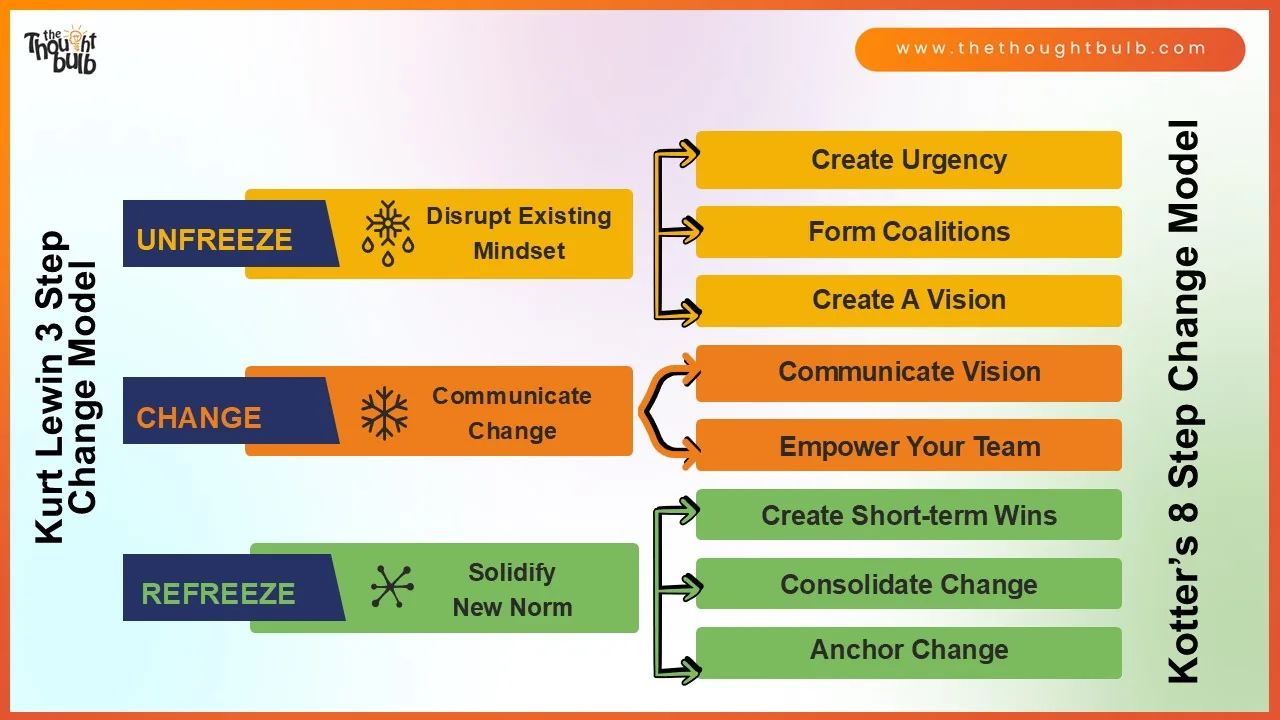
Kotter’s 8-Step Model is perhaps the most well-known framework for managing change, especially large-scale transformations. Its structured approach—starting with creating urgency and ending with embedding new approaches into the culture—provides a roadmap for both leaders and teams.
In experiential learning activity Smart City Mania, participants must construct a smart city using building blocks. The urgency to complete the city mirrors Kotter’s initial step, while short-term wins (e.g., assembling key structures) generate momentum for the rest of the task. This activity brings theory into practice, showcasing how strategic planning and communication can transform an idea into a tangible result. Half way through the activity, various change elements will be introduced through this experiential learning method thus giving a hands-on to the participants on understanding and managing change.
Reference: Kotter, J.P. (1996). Leading Change. Harvard Business Review Press.
2. Lewin’s Change Management Model (Unfreeze, Change, Refreeze)
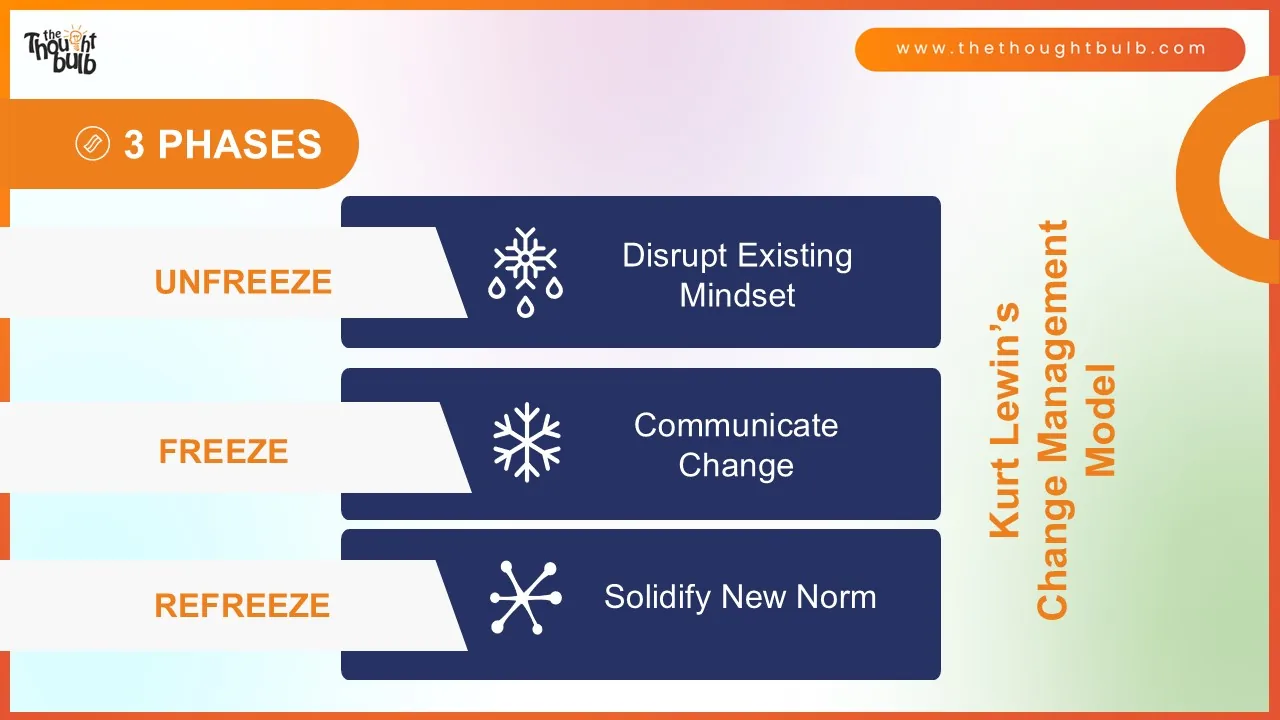
Lewin’s model divides change into three stages: Unfreezing old behaviours, implementing the Change, and Refreezing to lock in new behaviours. It provides a simple yet profound understanding of the psychological process behind organizational transformation.
In the Domino activity, teams build a domino patterns; these patterns could be specific themes given to the themes about elements of change, organizational values and so on. The unfreeze stage begins with understanding the task, and freeze builds as participants seek to succeed. The activity demonstrates how each individual's contribution affects the broader system, reflecting the interconnectedness of Lewin’s model. Change and leadership are introduced through this intervention as the teams go forward. Only towards the end it becomes one big design with the principal of collaboration.
Reference: Lewin, K. (1947). Frontiers in Group Dynamics. Human Relations.
3. ADKAR Model (Awareness, Desire, Knowledge, Ability, Reinforcement)
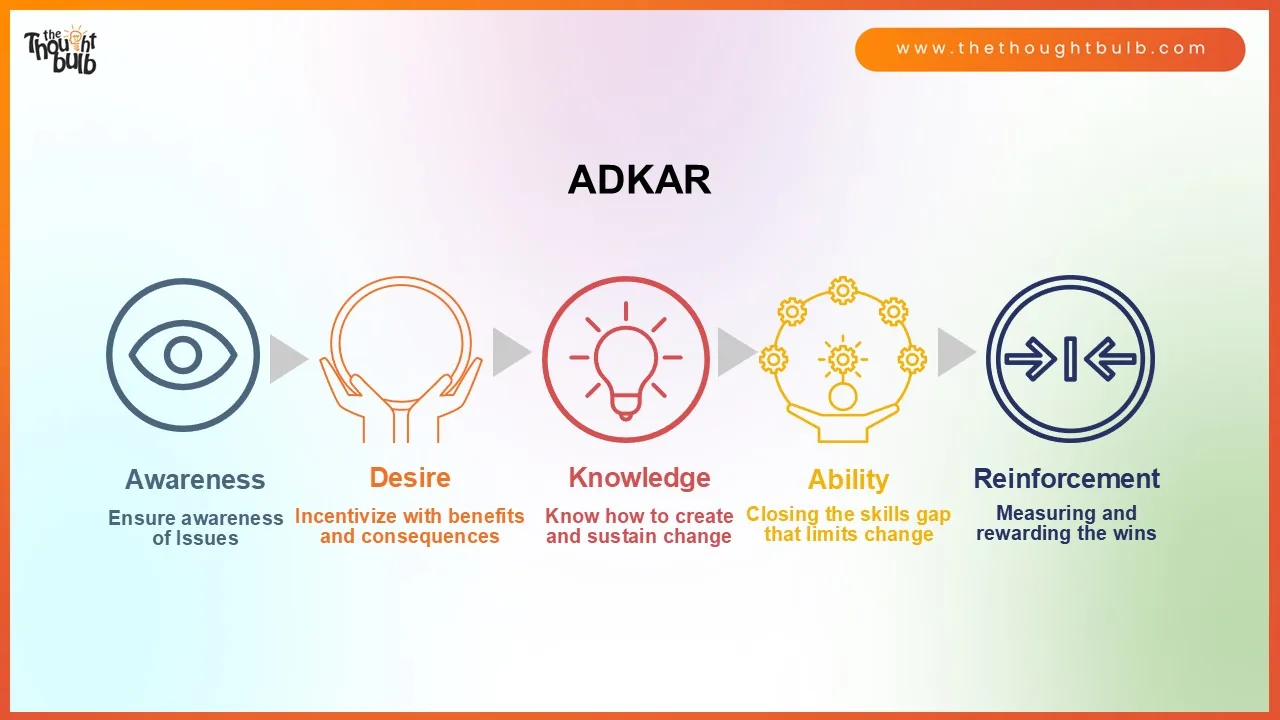
Prosci’s ADKAR model emphasizes individual behaviour in the context of broader organizational change. Each letter represents a crucial stage: Awareness, Desire, Knowledge, Ability, and Reinforcement. The model is particularly effective in contexts where change requires individuals to adopt new habits or technologies.
In The Cosmic Laser activity, teams must navigate laser from one to another in the outer space and relay a signal to ear for rescue, representing the ADKAR’s stages. Initially, participants build Awareness of the limitations of their traditional problem-solving methods, realizing the need for change. As they move through the planets, they develop a Desire to adopt new strategies and approaches. Throughout the activity, participants gain the Knowledge needed to apply these new problem-solving techniques effectively. As they progress further, they demonstrate the Ability to implement these strategies successfully, navigating the planets more efficiently. Finally, the team Reinforces their new approach, ensuring that the learned strategies are consistently applied by all team members in future challenges.
Reference: Hiatt, J. (2006). ADKAR: A Model for Change in Business, Government, and Our Community. Prosci.
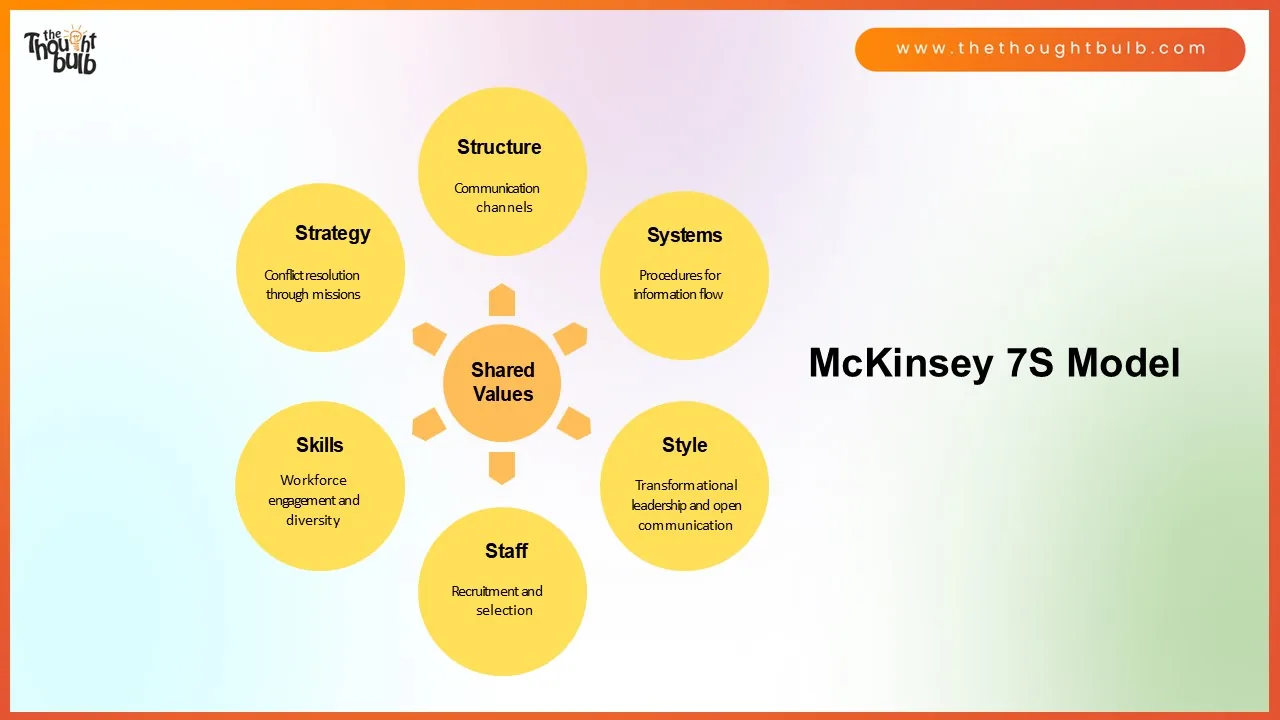
The McKinsey 7-S framework examines seven organizational elements—Strategy, Structure, Systems, Shared Values, Style, Staff, and Skills. For successful change, all elements must be aligned.
In the World of Bubbles Challenge, participants create customized soap, mirroring the alignment of McKinsey’s seven elements. Strategy aligns with the soap design, Structure determines team roles, and Shared Values are reflected in the team’s commitment to quality. This activity helps participants understand how each organizational element interrelates with others to produce successful outcomes.
Reference: Waterman, R.H., Peters, T.J., & Phillips, J.R. (1980). Structure is not Organization. Business Horizons.
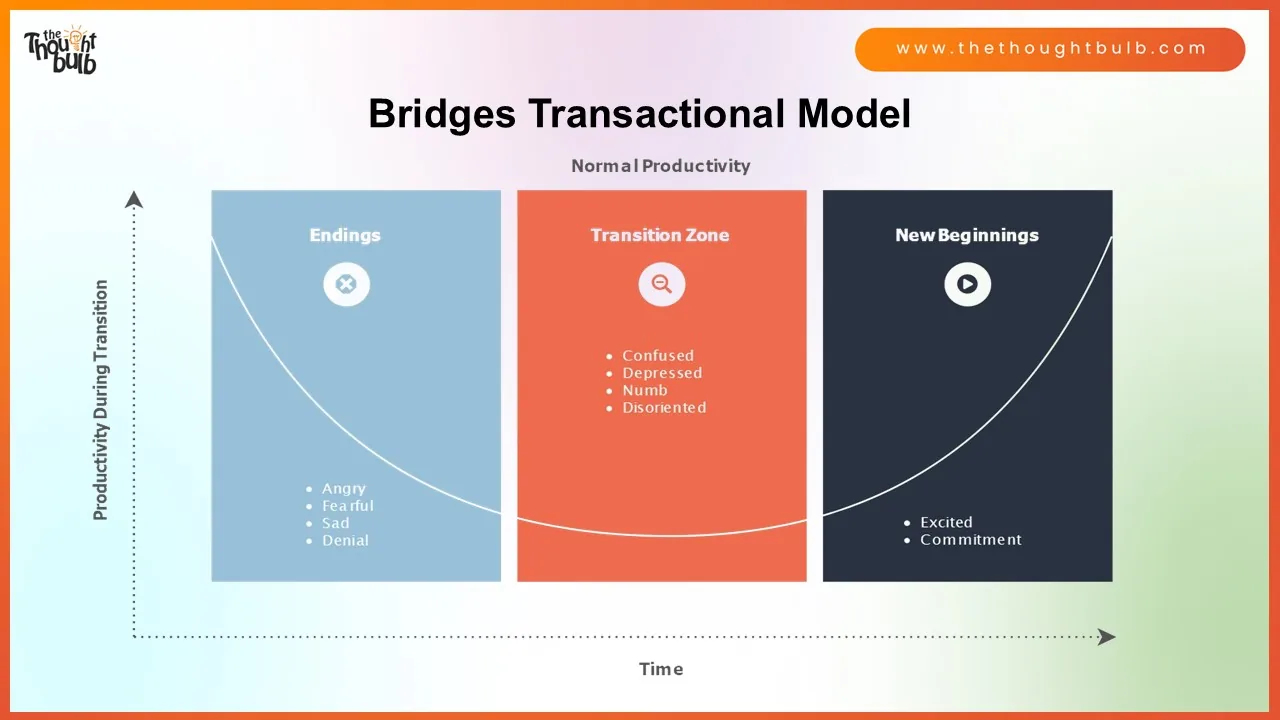
Bridges’ model focuses on the emotional transitions employees experience during change, divided into three phases: Endings, the Neutral Zone, and New Beginnings. The model acknowledges that while change may be structural, transitions are emotional.
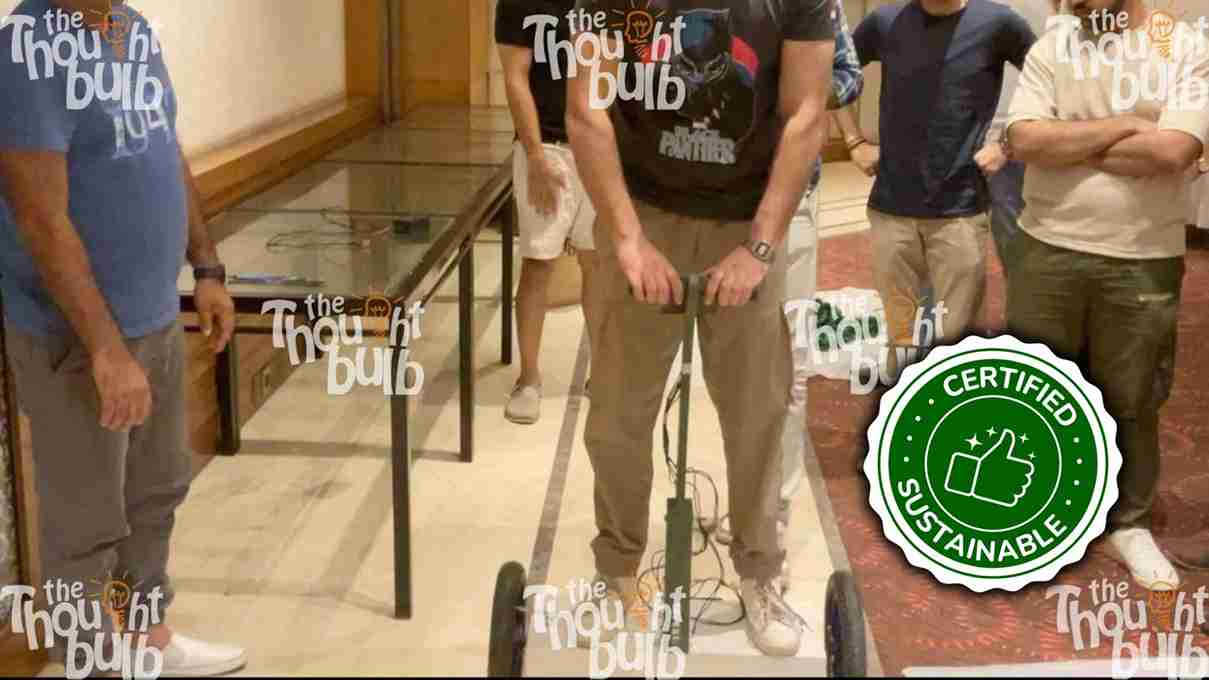
In the Eco Ride, participants navigate a journey that mirrors these phases. They must let go of old routines (Endings), traverse through new, unfamiliar challenges (the Neutral Zone), and finally embrace new insights to complete the task (New Beginnings). This activity underlines the emotional aspect of change, demonstrating that adaptation is as much about mindset as it is about process.
Reference: Bridges, W. (1991). Managing Transitions: Making the Most of Change. Da Capo Press.
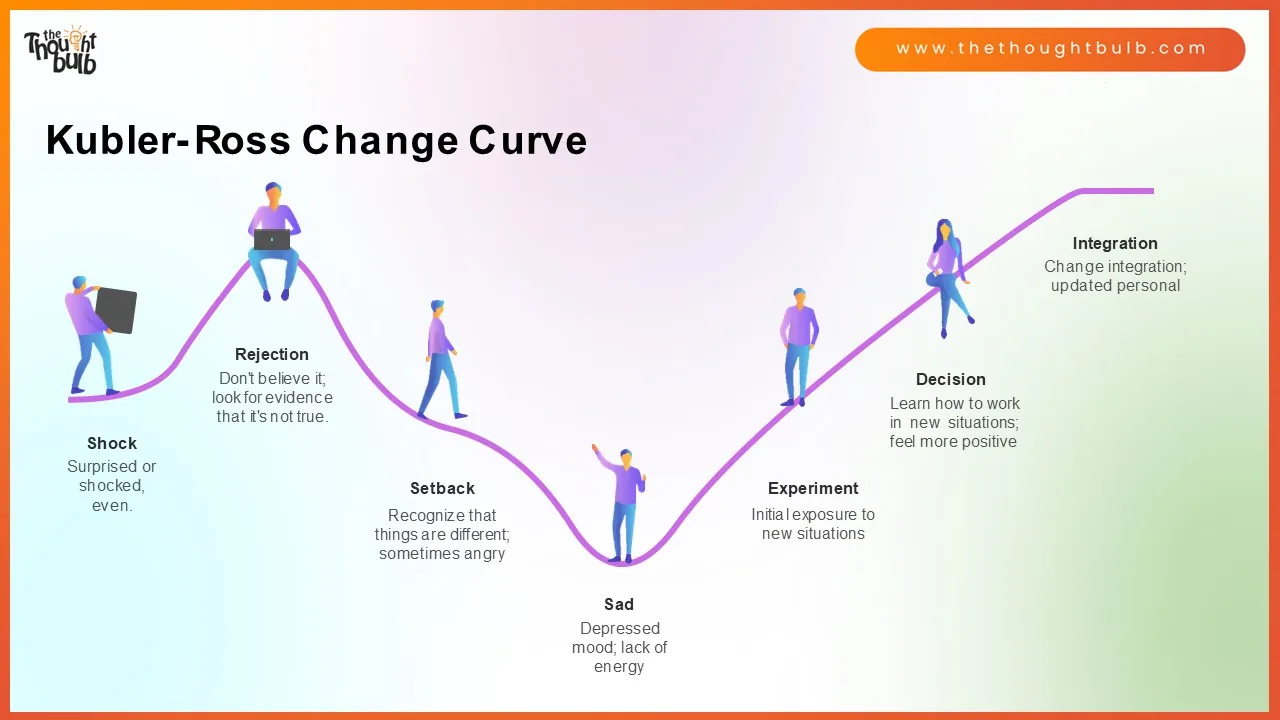
The Kubler-Ross Change Curve, originally a model for grief, has been adapted to illustrate how individuals react emotionally to organizational change. It highlights stages like Denial, Anger, Bargaining, Depression, and Acceptance.
In the Roman Olympics activity, participants face various obstacles that test their adaptability. At first, resistance (Denial) is high as they grapple with new rules. As the challenge intensifies, frustration (Anger) surfaces, followed by attempts to adjust (Bargaining). Eventually, teams push through the low point (Depression) and reach the point of success (Acceptance) by adapting to the new dynamics.
Reference: Kubler-Ross, E. (1969). On Death and Dying. Macmillan.
7. Prosci Change Management Framework
The Prosci framework emphasizes structured phases: Preparing for Change, Managing Change, and Reinforcing Change. It integrates the ADKAR model and is highly people-centric.
The AI Movie Making activity mirrors these phases. Teams first prepare by planning their movie, then manage the filming process where quick adaptations are necessary. Finally, the Reinforcement phase occurs during post-production, where teams review and refine their work, solidifying new skills.
Reference: Prosci (2004). Best Practices in Change Management.
8. John Fisher’s Personal Transition Curve
Fisher’s curve details the emotional responses individuals face during organizational change, including Anxiety, Fear, Guilt, and Moving Forward.
In the Drone activity, participants face similar emotional stages as they navigate the phases of drone assembly to flight. Anxiety arises at the start, followed by periods of frustration and guilt as mistakes occur. Ultimately, the team moves forward by adapting their strategy and overcoming the challenge, illustrating the emotional arc of change.
Reference: Fisher, J. (2012). The Process of Transition.
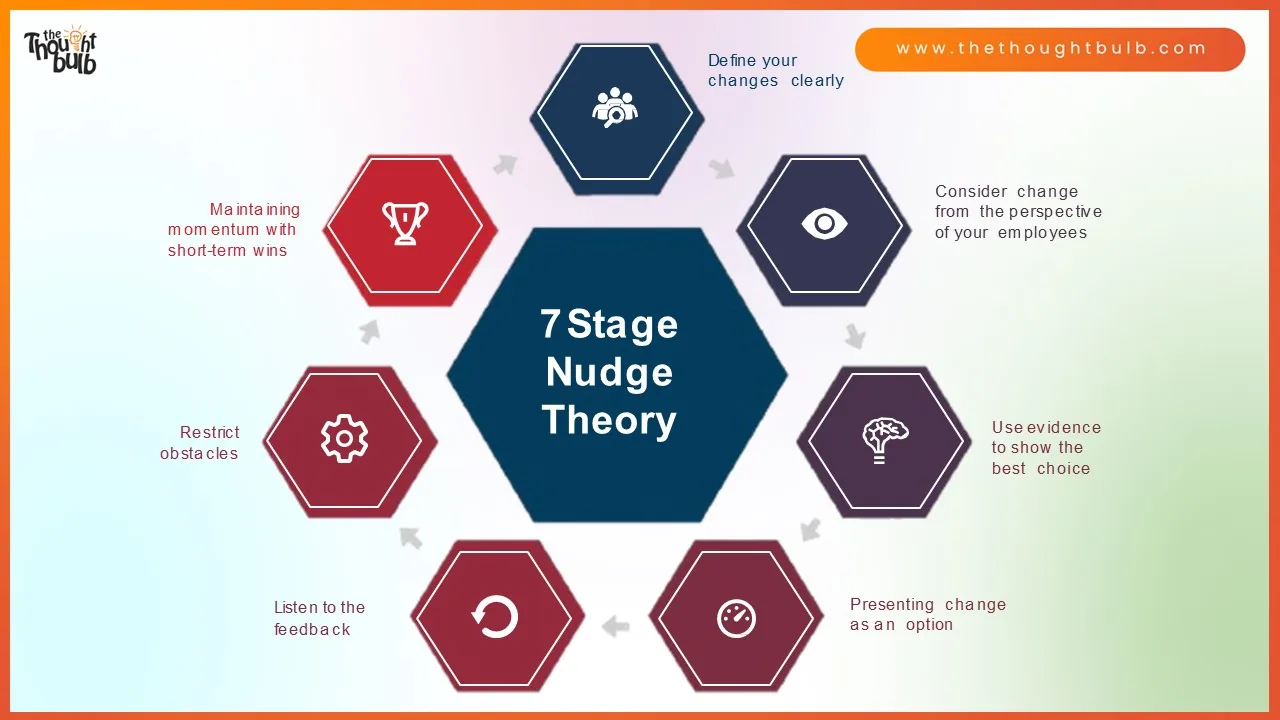
Nudge Theory posits that subtle interventions can lead to significant behaviour changes without the need for direct force or persuasion (Thaler & Sunstein, 2008).
In the Speed Networking activity, participants receive subtle hints or "nudges" to refine their outcome. These nudges help guide their behaviour toward better outcomes without explicitly dictating how they should succeed. This mirrors how small nudges in organizational settings can lead to large-scale behavioural changes, reinforcing the idea that sometimes-indirect approaches can be more effective in creating sustainable transformation.
Reference: Thaler, R. H., & Sunstein, C. R. (2008). Nudge: Improving Decisions About Health, Wealth, and Happiness. Yale University Press.
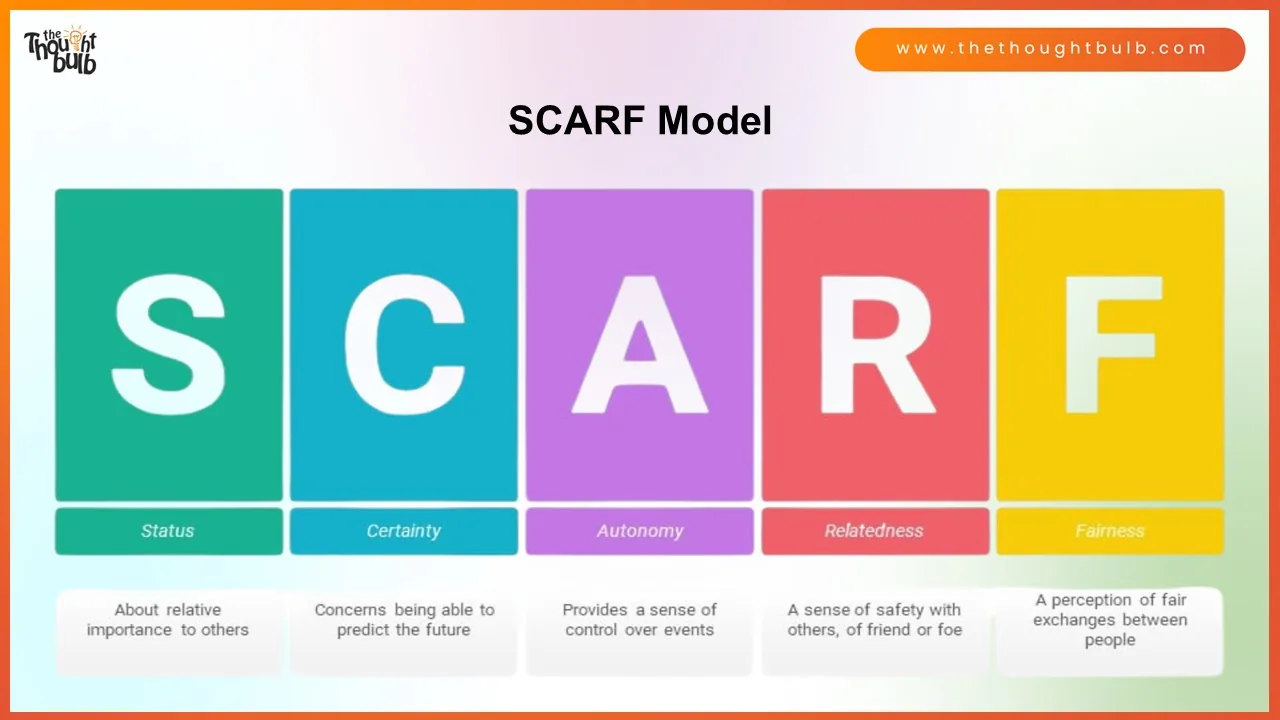
The SCARF model, developed by David Rock (2008), is a brain-based framework that focuses on five key social factors that influence human behaviour in the context of change: Status, Certainty, Autonomy, Relatedness, and Fairness. These domains help leaders anticipate how individuals will react to organizational changes and adjust their approaches to meet employees’ needs.
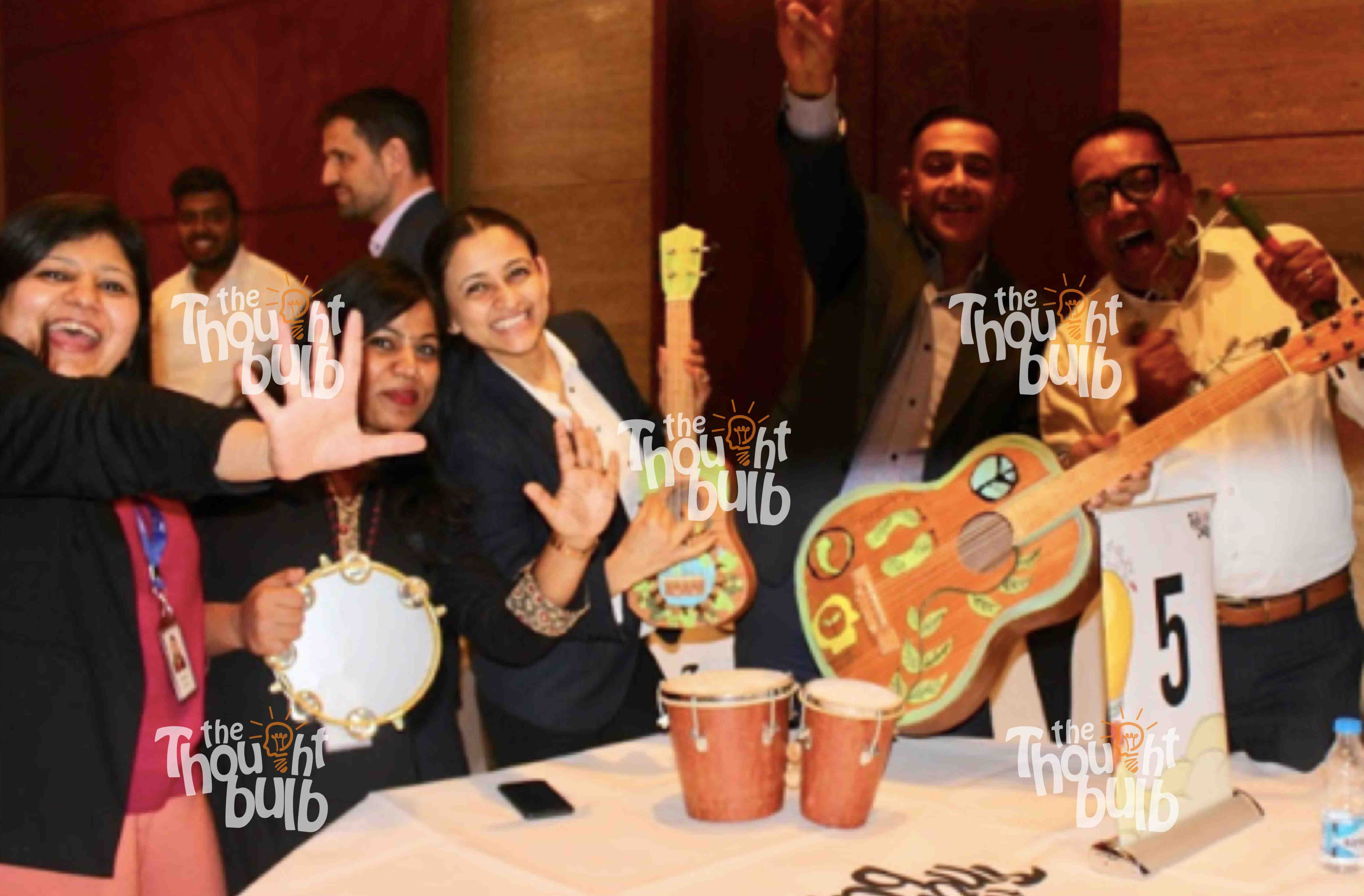
In Melody Maniac activity, participants must collaborate to assembly and beautify musical instruments while navigating the emotional and social dynamics captured by the SCARF model. Status is reflected in who takes the lead in the group, Certainty comes from the clear structure provided by the rules of the activity, Autonomy is exhibited in the freedom each participant has to contribute creatively, Relatedness is strengthened through team collaboration, and Fairness is demonstrated in the final giveaway. This activity shows how addressing these core social needs can enhance group performance and ensure smoother transitions during organizational change along with driving corporate social responsibility.
Reference: Rock, D. (2008). SCARF: A Brain-Based Model for Collaborating with and Influencing Others. NeuroLeadership Journal.
Conclusion: Making Change Stick Through Experiential Learning
The key to successful change management lies in aligning theory with practice. By leveraging change management models such as Kotter’s 8-Step Process, Lewin’s Change Model, or the ADKAR framework, leaders can navigate the complexities of organizational transformation in a structured, empathetic way. However, as many organizations have discovered, understanding these models on an intellectual level is not enough. Employees need to experience the principles of change firsthand to internalize the lessons and embrace the new behaviours required for sustainable change.
The Thought Bulb’s experiential learning activities bring these models to life, providing participants with hands-on experiences that mirror real-world challenges. Whether it's constructing a smart city using building blocks to follow Kotter's steps or navigating emotional transitions in the Eco Ride to reflect Bridges' Transition Model, these activities offer teams a safe space to experiment, adapt, and grow.
Incorporating these activities into change management strategies allows organizations to build a growth mindset, foster collaboration, and create resilience in the face of uncertainty. Change is inevitable, but with the right tools and experiential frameworks, organizations can turn disruption into opportunity, ensuring not just survival, but success in an ever-evolving landscape.