
1The Challenge
What was the challenge?
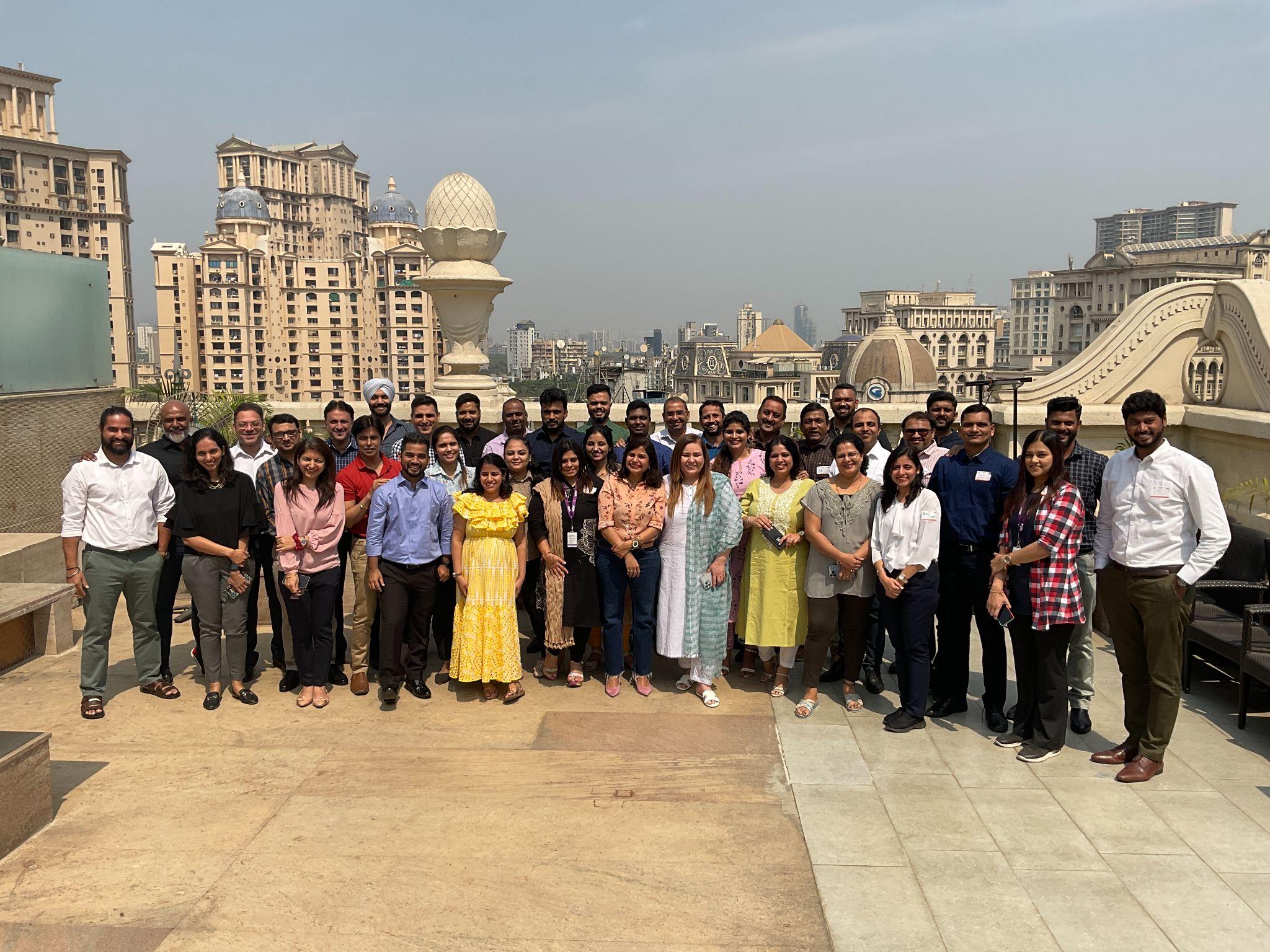
WTW brought 40 people together in Mumbai for a post-lunch session with a clear, contained brief: team building, collaboration, and team synergies — delivered in a single two-hour block.
The constraint here is time rather than scale. A post-lunch, two-hour slot is an unforgiving window. It has to overcome the natural after-lunch dip, land something substantive about how the group works together, and do it without the runway a full-day offsite allows. There's no room for a slow build; the activity has to engage quickly and still leave the group with a genuine takeaway rather than just a pleasant afternoon.
2Our Solution
What solution did we design?
The Lost Dutchman fits a short, focused window well because its central insight lands hard and fast. It's a strategy simulation in which teams plan an expedition, manage limited resources, and make decisions across a series of rounds — with a quiet trap in the scoring. Teams instinctively play to beat each other, then discover that the genuinely optimal strategy required collaboration between teams, not just competition within them. The best collective result was on the table the whole time; most groups only see it in hindsight.
For WTW's brief, that's the lesson delivered directly. With four teams, the cooperative dynamic is clean and legible — small enough that every team can see what the others did and exactly where collective value was won or lost. The realisation about collaboration and synergy isn't lectured; it emerges from the group's own choices, which is what makes it stick even in a two-hour session.
An icebreaker in the morning warmed the group up ahead of the post-lunch session, so participants arrived already loosened and ready to engage rather than starting cold.
3How We Did It
How was the programme delivered?
The day opened with a morning icebreaker, with The Lost Dutchman running post-lunch as the main event. The 40 participants were organised into four teams and taken through the planning and decision rounds, weighing resources and strategy under a competitive frame that felt natural from the start.
A facilitation team of two to three ran the session, keeping four teams briefed and paced tightly enough to fit the full arc — including a meaningful debrief — into two hours. Facilitators observed how the teams behaved: whether they treated each other purely as rivals or sensed the cooperative opportunity, and how they responded as the scoring logic revealed itself.
The debrief connected the simulation straight back to WTW's themes — how genuine synergy comes from collaboration across a group rather than isolated teams each optimising for themselves, and what that means for how they work together day to day.
4Key Outcomes
What were the results?
The Lost Dutchman gave WTW's team a fast, memorable demonstration of a subtle truth about collaboration: the best result for the group often isn't the sum of each team trying hardest to win. Across four teams, participants experienced the gap between competing and genuinely collaborating.
In a single post-lunch session, the programme took 40 people from four competing teams to a shared understanding of what synergy actually requires — proof that a focused two-hour window is enough to land a lesson that lasts.