Skill Gaps in the Virtual Workforce – Solutions

Virtual workforces face 3 critical skill gaps: digital communication, self-management, and cross-cultural collaboration. The Thought Bulb has identified these gaps across 500+ virtual programs and provides targeted interventions for Indian corporate teams.

Skill Gaps in the Virtual Workforce – Solutions

We did a skills audit with a tech company in Hyderabad mid-2021. The gaps we found weren't technical — they were relational. Async communication, virtual empathy, managing energy without proximity. These aren't soft skills anymore. They're the core competencies of a distributed workforce. And most training programmes aren't addressing them.

Nishit Lal, Leadership Facilitator · The Thought Bulb

The age-old question!

The age-old question still goes like this- What your employees know and what they still need to master?. Fortunately, the learning technology can provide you with the online tools your organization requires. Even before the pandemic struck, organizations faced a dizzying pace of change and the ever-present risk that today’s best-performing companies could be tomorrow’s vanquished ones. Now in response to the crisis, leaders had to rethink how to prepare their workforces, from anticipating the skills their organizations will need, to how they will help people learn and apply new skills.

First Step: Identify Skills Gaps

To meet this challenge the first step for anyone is to get to know what is important in the current business scenario and what we don’t know. We need to identify the skills gaps. I’ll highlight some gaps that are holding your business or your key learning’s back, as well as tips on how to bridge them.

A) Corporate Changes: Management changes often lead to new protocols and changes in the structure of learning. Shake-ups can happen on an individual level and at the management level. For example, the employee receives a promotion or accepts another position within the company. As a result, there’s a gap between the knowledge they required for their previous position and their new responsibilities. When these notable events occur it’s best to assess employees, analyze their current skills, performance, and knowledge base to determine how to bring them up to speed. According to the Future of Jobs Report 2020 by the World Economic Forum (WEF), 85 million jobs might be disturbed by a shift in the division of labour between humans and machines by 2025. With new roles being created while others become redundant, continuous re-skilling and up-skilling are essential for an expanding range of business functions.

B) Lack of Skills: Employees sometimes don’t have the skills they need to do their job effectively. For instance, they are unable to complete crucial tasks that involve more advanced skill sets. This might be because employees haven’t received the online training resources they require to build these vital skills. Research from the World Economic Forum suggests that the core skills required to perform most roles will change by 42% on average by 2022.

Thought Bulb hereby provides micro-learning online training activities that focus on specific abilities that allow participants to hone new-age skills.

C) Cross-skill Engagement: Consider employees that might be able to apply their skills differently – someone with a strong sales background could easily apply their abilities to marketing content for example. Someone with a strong background in communications could find an excellent new career in sales. Basically, the key to solving your skills shortage might be hiding right under your nose

Tactics to close the skills gap: What are executives using?

> Acquire talent from outside the organization

> Move talent across business units and divisions

> Reskill employees based on business priorities

> Leverage visa programs to source international talent

> Leverage apprenticeship/internship programs to train talent

> Leverage new and emerging educational programs/platforms to enhance employee skills

Source: 2019 Open Standards Talent Development Benchmark Study. IBM Institute for Business Value Performance Data and Benchmarking.

Which of the afore mentioned strategies and tactics has your organization implemented or planned to implement?

And as we prepare for the future, we must bring our workforce along with us. These are just some of the ways we collectively need to think about how to build a bridge to the other side of the widening skills gap.
Topics

#Gifting#Leadership#Networking#Outdoor#Productivity#Team Building#Training#Virtual

Share this article

Frequently Asked Questions

What are the most common skill gaps in virtual workforces in India?+

India's virtual workforces most commonly lack: structured asynchronous communication, digital collaboration tool proficiency, virtual facilitation skills, and self-directed accountability. The Thought Bulb addresses these gaps through targeted virtual workshops across 12 Indian cities.

How can Indian companies identify skill gaps in their remote teams?+

Identify virtual skill gaps through 360-degree assessments, meeting observation, output quality reviews, and pulse surveys. The Thought Bulb conducts skill gap analyses as part of its virtual team building programs, helping Indian HR teams prioritize development investments.

Which virtual skills are most critical for Indian corporate teams to develop in 2025?+

The most critical virtual skills for 2025 are: AI tool proficiency, async communication, virtual facilitation, cross-time-zone collaboration, and digital empathy. The Thought Bulb integrates skill development into all 150+ virtual team building programs for Indian corporate teams.

Why do virtual skill gaps widen faster than in-person skill gaps in Indian organizations?+

Virtual environments lack informal learning through observation and osmosis that happens naturally in offices. The Thought Bulb's research shows virtual skill gaps widen 3x faster without structured intervention — making regular virtual team building programs essential for Indian companies.

When should Indian companies invest in virtual skill development programs?+

Invest in virtual skill development during organizational shifts to remote/hybrid work, team expansion, technology upgrades, or when meeting quality and collaboration scores decline. The Thought Bulb recommends bi-annual virtual skill assessments for all Indian corporate teams.

You might also like

Top 10 Models Driving Organizational Change
Thought Leadership

Top 10 Models Driving Organizational Change

30 Sept 2024
Work life Balance- A Way Forward
Thought Leadership

Work life Balance- A Way Forward

30 Sept 2024
39 Leadership Team Activities & Games
Thought Leadership

39 Leadership Team Activities & Games

22 Aug 2024

Activities to try with your team

View all 150+ activities →
Zen Quest VR Challenge
outdoor

Zen Quest VR Challenge

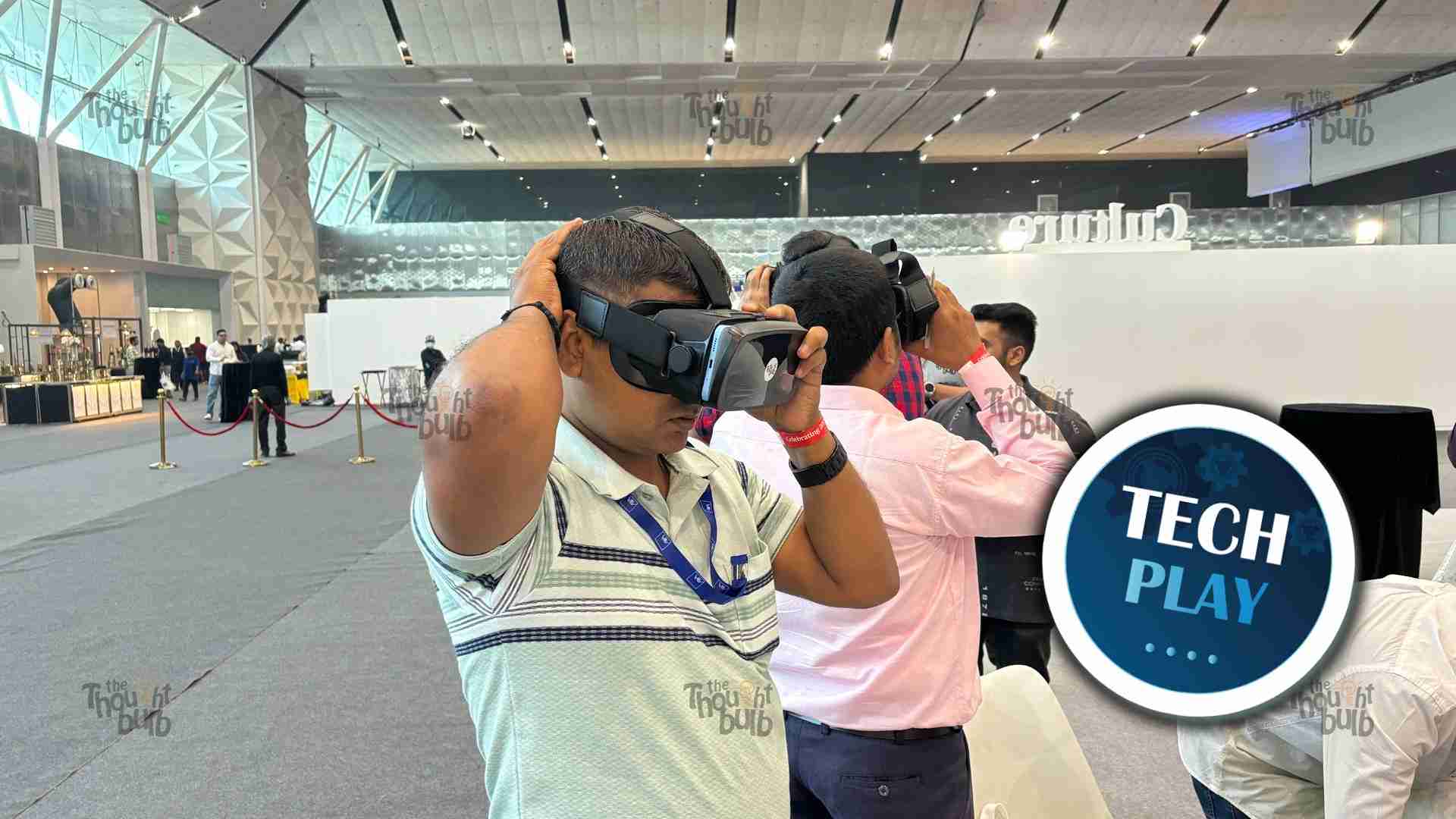
Discover the power of mindfulness and cultural wellness in Zen Quest VR Challenge, an immersive virtual reality experience that transports you across the globe. From practicing yoga in India to mastering kintsugi in Japan, this journey allows you to explore and engage in traditional wellness practices—all from one place. Step into a world of relaxation, self-discovery, and global connection.

Explore activity →
Ripple Effect
indoor

Ripple Effect

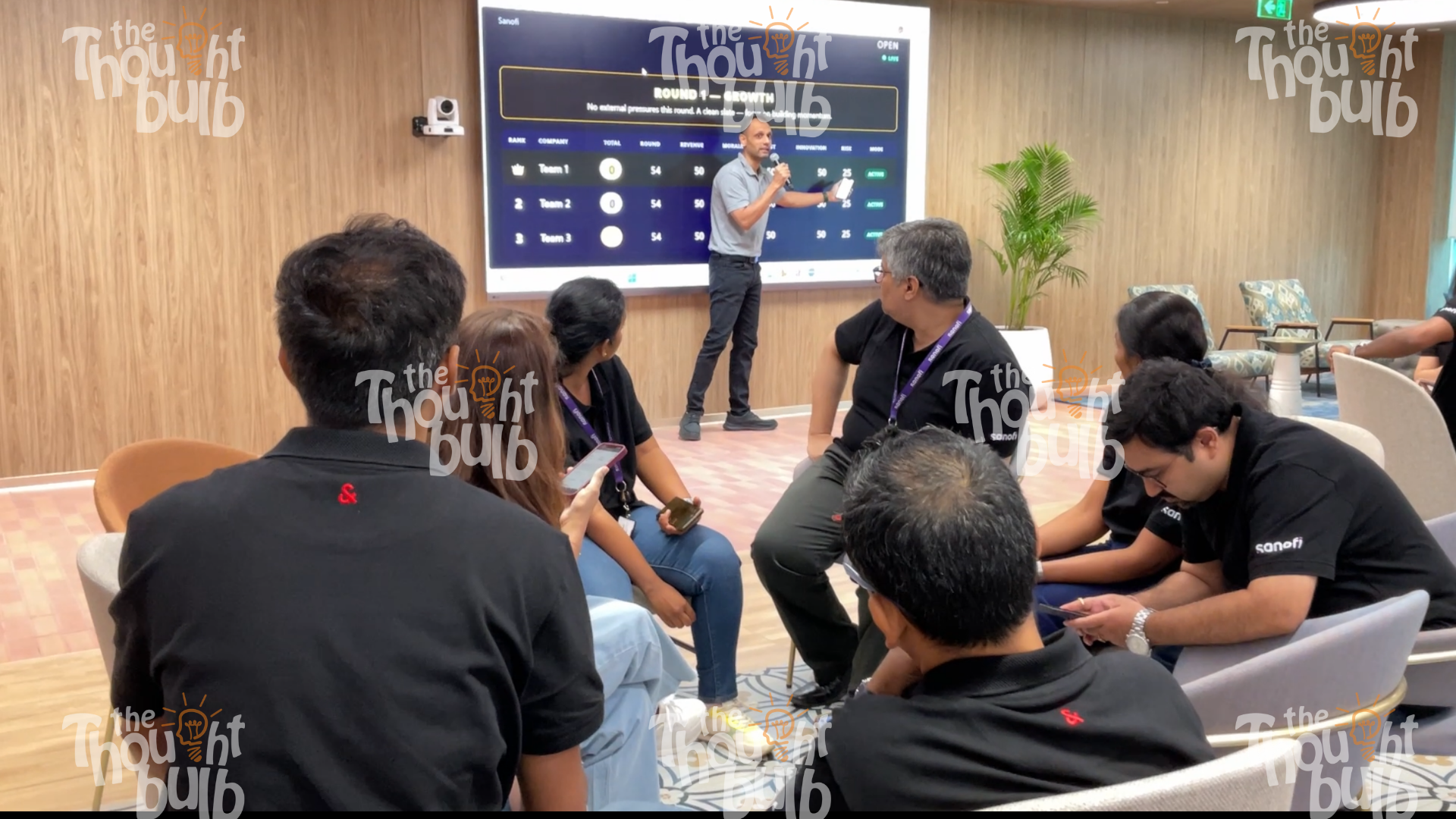
Ripple Effect is an immersive business simulation where teams navigate 10 quarters of real-world business challenges — making strategic decisions under pressure, managing cross-functional departments, and seeing exactly how every choice ripples across the organisation.

Explore activity →
AI Movie Making Challenge
indoor

AI Movie Making Challenge

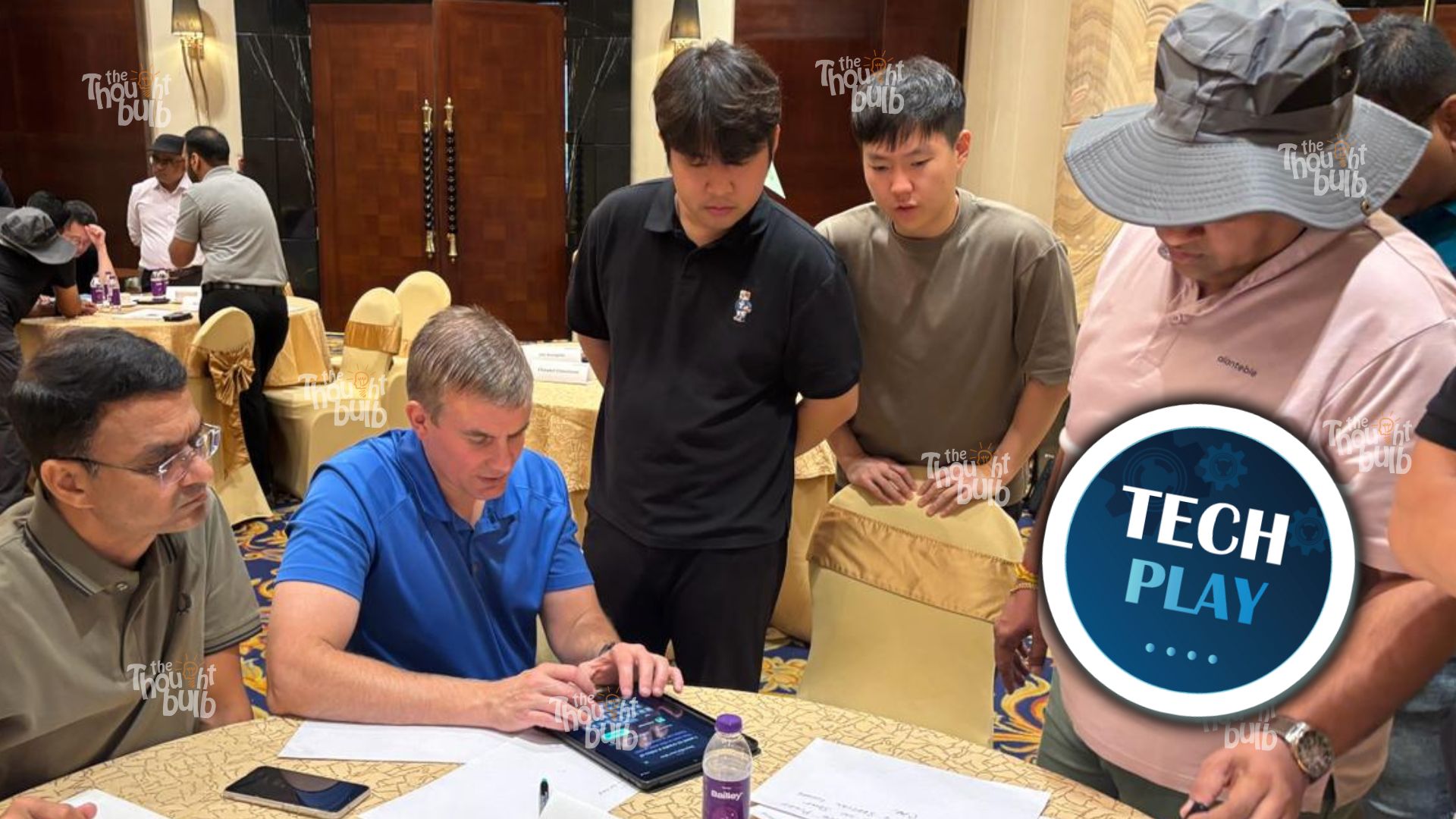
Elevate your team's creativity and tech-savvy prowess as they harness the power of AI and iPads to produce captivating short films on diverse topics. The competition is on for the coveted title of cinematic champions! Get ready to embark on a thrilling filmmaking journey that combines innovation and storytelling in this unforgettable team-building challenge.

Explore activity →

Looking for team building activities?

Browse our full catalogue of in-person, virtual and CSR experiences across India.

Explore Activities →