So, you’ve been promoted.
Maybe you were a top performer. Or the go-to person for solving last-minute chaos. Now, the title on your email signature says "Manager."
Exciting milestone? Definitely. But here’s the twist — being a good individual contributor doesn’t automatically make you a good communicator.
Suddenly, you're expected to lead conversations, handle team dynamics, offer feedback, and build trust — all without skipping a beat on performance.
The transition from “doer” to “leader” often hits managers like a surprise plot twist. And the root of most struggles? Communication — or the lack of it.
Let’s fix that. Not with motivational quotes, but with a tool that transforms teams: The Johari Window.
The Johari Window: A Manager’s Secret Communication Map
Created by psychologists Joseph Luft and Harrington Ingham, the Johari Window is a 2x2 matrix that helps individuals and teams understand what they know (and don’t know) about themselves and others.
Here's how it breaks down:
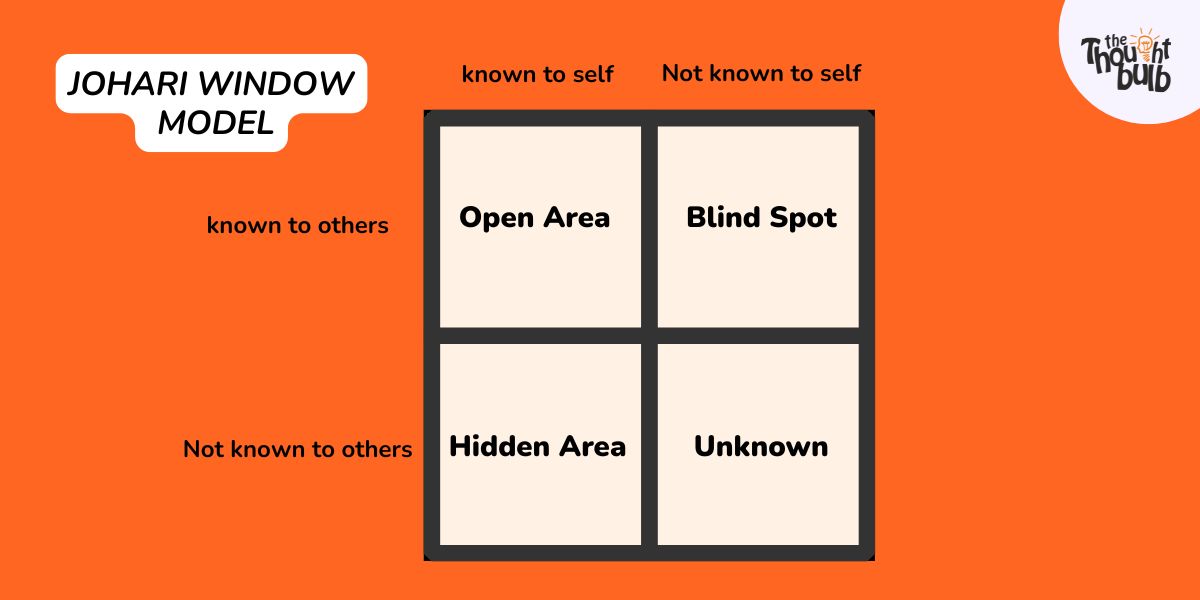
Quadrant |
What it means |
Manager Relevance |
Open Area |
Known to self and others |
Builds trust and clear communication |
Blind Spot |
Unknown to self, known to others |
Affects how others perceive you |
Hidden Area |
Known to self, unknown to others |
Creates misunderstandings or guardedness |
Unknown Area |
Unknown to both |
Holds untapped potential or unresolved issues |
As a first-time manager, your goal should be to expand the Open Area for yourself and your team.
Let’s Turn Theory into Practice
Let’s take the Johari Window from concept to conference room. Below are everyday moments most managers face — and how to apply each quadrant practically.

1. The “Blind Spot” Dilemma
Real-life Scenario: Your team rarely speaks up during meetings. You believe you're approachable, but they perceive you as defensive when challenged.
Johari Insight: Your Blind Spot is in play. They see something you don’t.
What You Can Do: Start with anonymous feedback tools. Or ask directly in 1:1s:
“What’s something I do that might be unintentionally shutting down conversations?”
Outcome: By surfacing your blind spots, you show humility and encourage psychological safety.
2. The “Hidden Area” Barrier
Real-life Scenario: You struggle with presentations but never admit it. You pretend confidence, and your team assumes you're fine.
Johari Insight: You’re keeping key vulnerabilities hidden, which makes others hesitant to open up too.
What You Can Do: Share personal stories that show growth. Example:
“In my first team review, I froze. I’ve worked on it since, and I know it takes practice.”
Outcome: You model transparency. Your team starts sharing fears, too, and asking for help.
3. The “Unknown” Opportunity
Real-life Scenario: During a crisis, a quiet team member proposes a solution no one saw coming. Turns out, she has prior experience handling similar issues, which no one knew.
Johari Insight: The Unknown Area — both for her and the team — just became known.
What You Can Do: Host “Skill Spotlights” where each team member shares one hidden skill or project. Or do collaborative problem-solving challenges that stretch comfort zones.
Outcome: You uncover hidden talents. People feel seen. Innovation starts to flourish.
What This Looks Like in an Experiential Learning Environment?

Understanding a model is one thing—applying it is another. That’s where experiential learning bridges the gap between theory and real-world leadership.
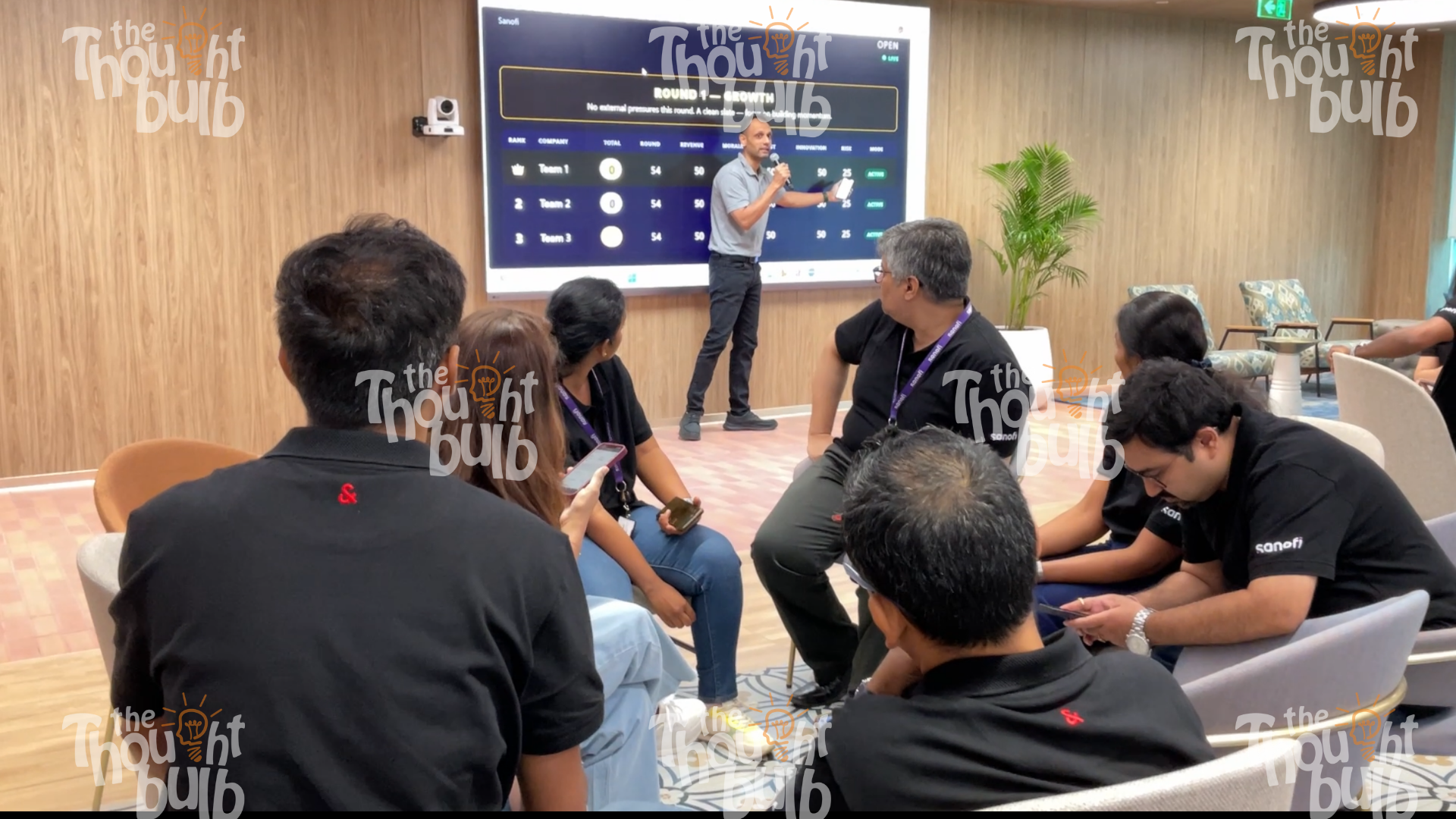
At The Thought Bulb, we bring communication models like the Johari to life using interactive experiences that mimic the workplace, but in a playful, no-risk environment.
Here’s how it unfolds in real time:
1. The “Silent Connections” Challenge
Teams solve a task without using words. Misunderstandings surface quickly. So do assumptions. During the debrief, they discover their blind spots and hidden assumptions.
Takeaway: You don't need 10 Zoom calls. You need a better understanding.
2. “Blind Feedback” Circle
Each person writes one blind spot they suspect they have, and others add insights anonymously.
Takeaway: Feedback isn’t scary when it’s normalized.
3. “Reveal & Relate”
Participants draw cards with vulnerability prompts: “Share a moment you failed forward.” “Describe a childhood strength you forgot about.” Trust builds fast.
Takeaway: Your vulnerability permits others to be real.
Why This Matters for New Managers?
Stepping into leadership isn’t just about delegating—it’s about understanding yourself and your team. Tools like the Johari Window help new managers build trust, improve communication, and lead with emotional intelligence from day one.
By using the Johari Window:
You increase self-awareness
You improve team alignment
You foster psychological safety
You lead with empathy, not ego
Final Thoughts:
You need to be a curious one.
The Johari Window doesn’t ask you to speak more — it asks you to listen better. And as you grow your Open Area, you’ll be surprised how your team grows with you.
Ready to Help Your Team Communicate Better?
At The Thought Bulb, we use real-life business simulations and hands-on experiences to unlock the kind of communication breakthroughs that PowerPoint presentations never could.
Let’s co-create a workshop your managers will remember → Plan your next offsite or team session with us
Because growth starts with better conversations.