Networking events often promise “great connections” but deliver surface-level small talk. Handshakes are exchanged, LinkedIn requests are sent, and conversations rarely go beyond job titles. The problem isn’t networking itself—it’s the format. When interactions are structured with intention, psychology, and light engagement, people move from polite introductions to meaningful conversations.
Research from Harvard Business School suggests that deeper conversations create stronger relational bonds than superficial exchanges. Similarly, studies on structured social interaction show that guided prompts reduce social anxiety and increase perceived connection quality.
If you want your networking event to move beyond “So, what do you do?”, here are 10 interactive activities that turn small talk into real connection.
1. Small Talk Cards
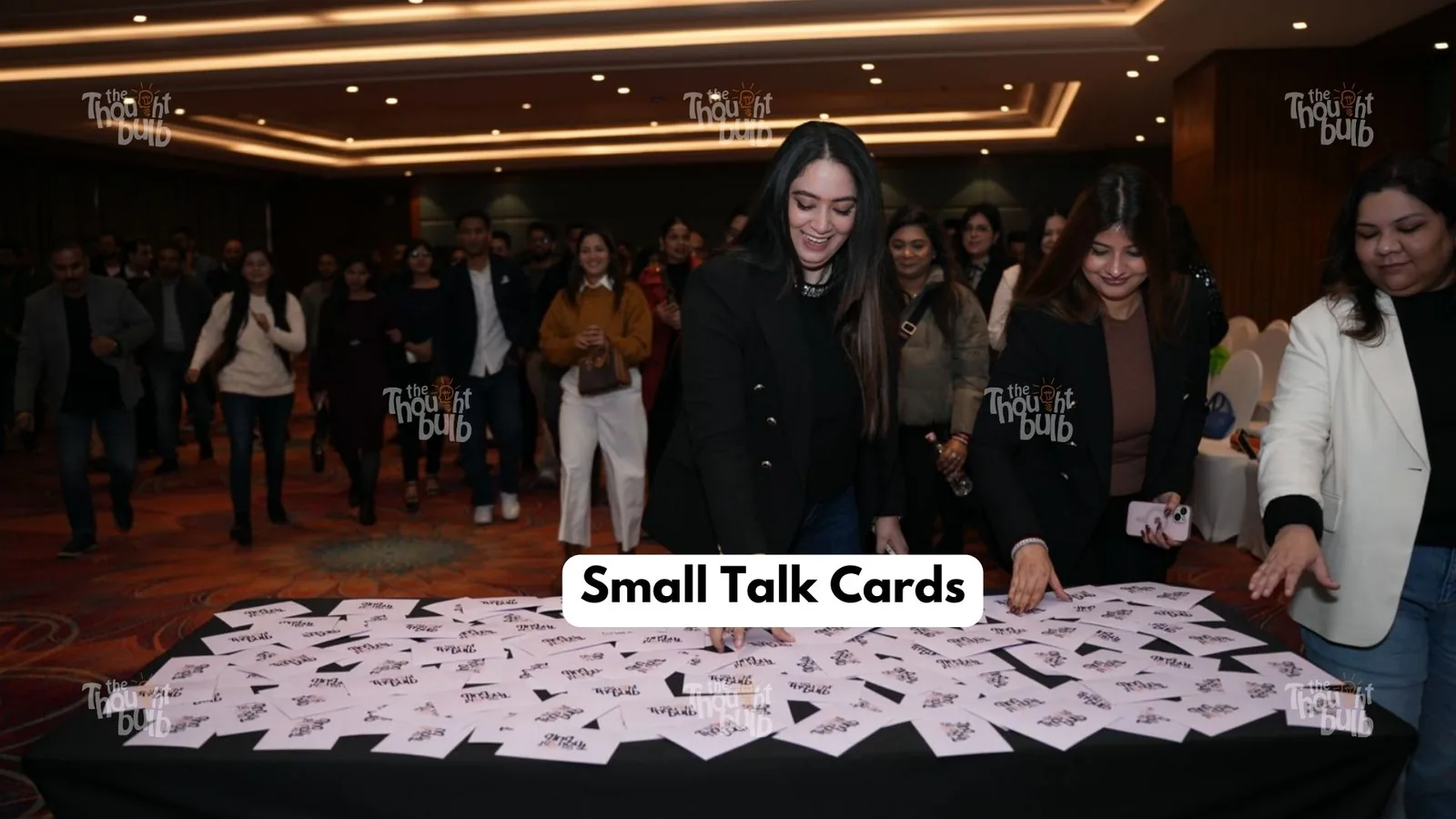
In this simple yet powerful activity, each participant receives a card containing a thought-provoking question. Instead of defaulting to job-role conversations, participants move around the room, find a partner, and ask the question printed on their card. They then answer the partner’s question in return. When the conversation naturally winds down, they exchange cards and move on to meet someone new.
The magic lies in the rotating prompts. Each new card introduces a fresh perspective, encouraging deeper storytelling and authentic sharing.
Why It Works?
Reduces social awkwardness by providing structured conversation starters
Encourages storytelling instead of transactional exchanges
Ensures people meet multiple participants organically
2. Creative Name Tags with Personal Codes
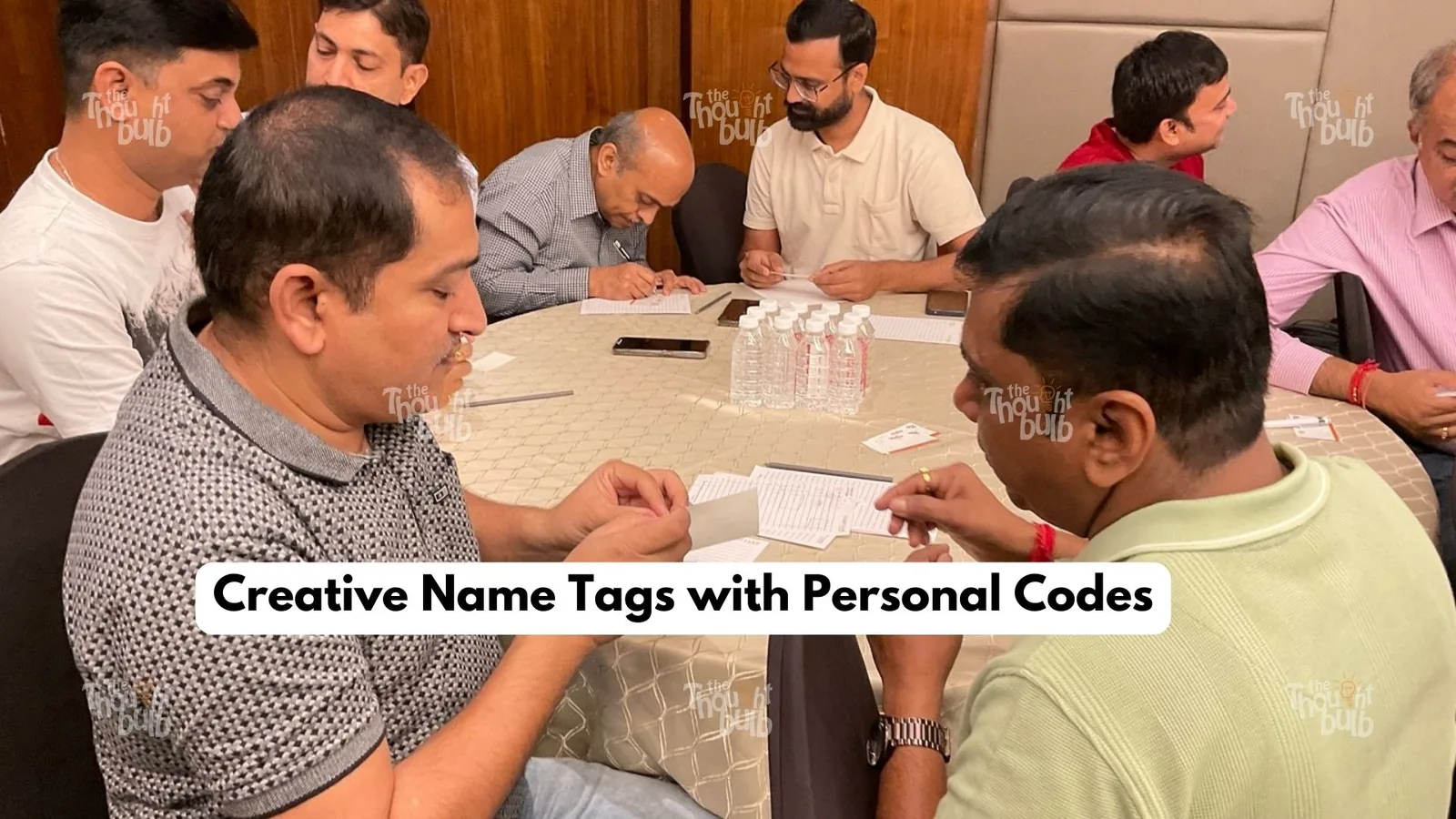
Instead of plain name badges, participants design their own name tags featuring an alphanumeric “employee code” that represents aspects of their personality or background.
For example: Ram–1993–1SIS–BIR (Born in 1993, 1 sister, loves biryani)
Participants then introduce themselves while decoding their code for others. The codes spark curiosity and naturally lead to follow-up questions.
This playful format encourages participants to share personal dimensions beyond job titles, fostering relatability and warmth early in the event.
Why It Works?
Makes introductions memorable
Encourages curiosity-driven conversations
Moves discussion beyond professional labels
3. Assorted Picture Stories

Spread a collection of assorted image cards across a table—landscapes, abstract art, sports scenes, travel shots, symbolic illustrations. Each participant chooses one image they resonate with most.
After everyone selects a picture, they share why they chose it. What does it represent? A memory? A personality trait? A goal?
Images often unlock stories that wouldn’t surface in traditional networking conversations. This activity fosters vulnerability in a structured, comfortable way.
Why It Works?
Encourages emotional storytelling
Builds empathy among participants
Creates memorable conversation anchors
4. Climb and Connect
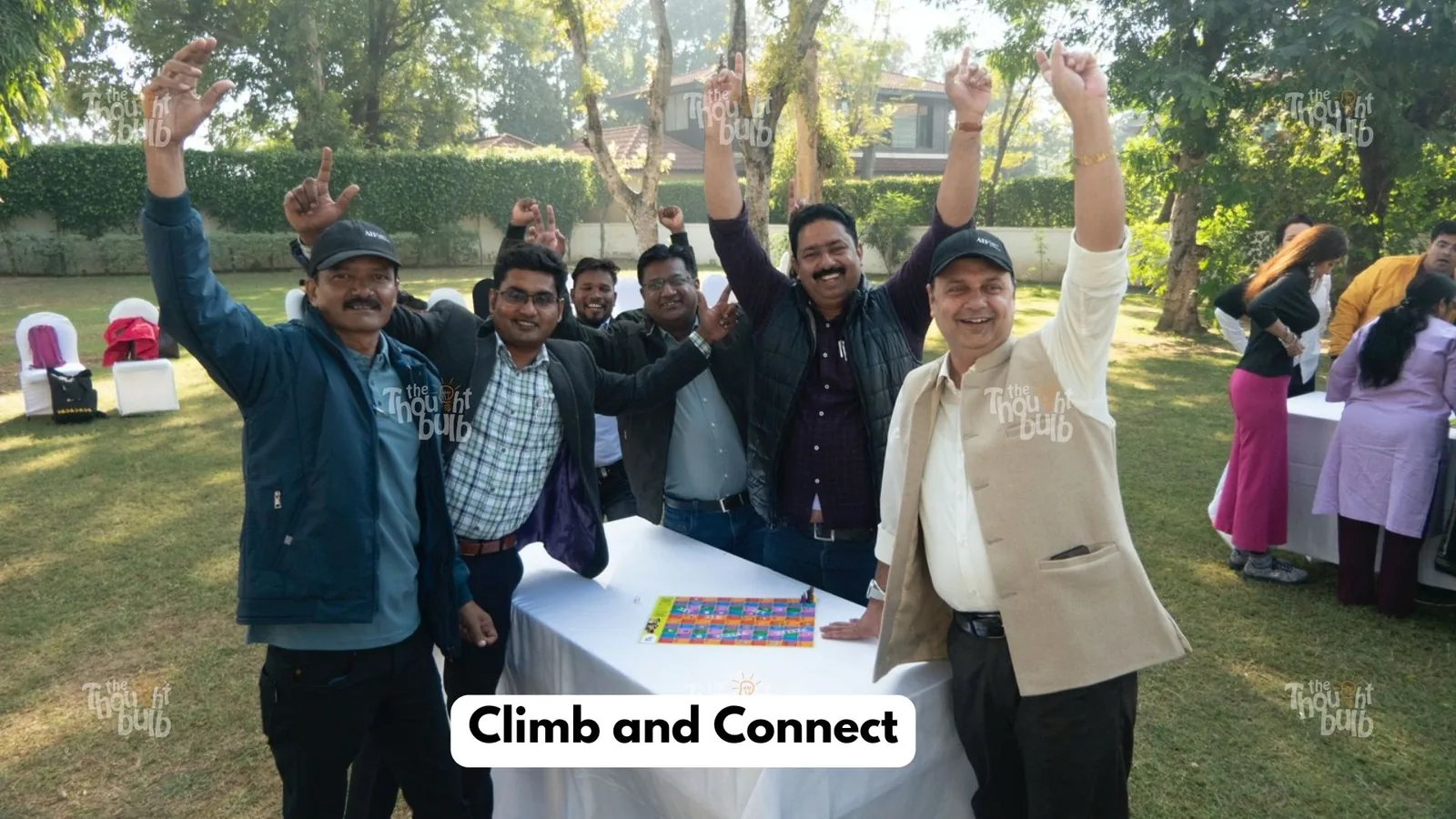
Each table hosts 5–6 participants around a customized “Snakes and Ladders” board. Instead of traditional gameplay, every square contains a task or a question—ranging from light prompts (“Share a recent win”) to playful challenges (“Pitch your role in 30 seconds”).
Participants roll the dice, move their pawn, and complete the activity on the square. One person acts as the Game Master to ensure everyone participates.
The unpredictability of the board keeps energy high while ensuring equal speaking opportunities.
Why It Works?
Encourages equal participation
Blends playfulness with meaningful prompts
Reduces dominance by extroverts in open networking
5. App-Based Speed Networking Challenges
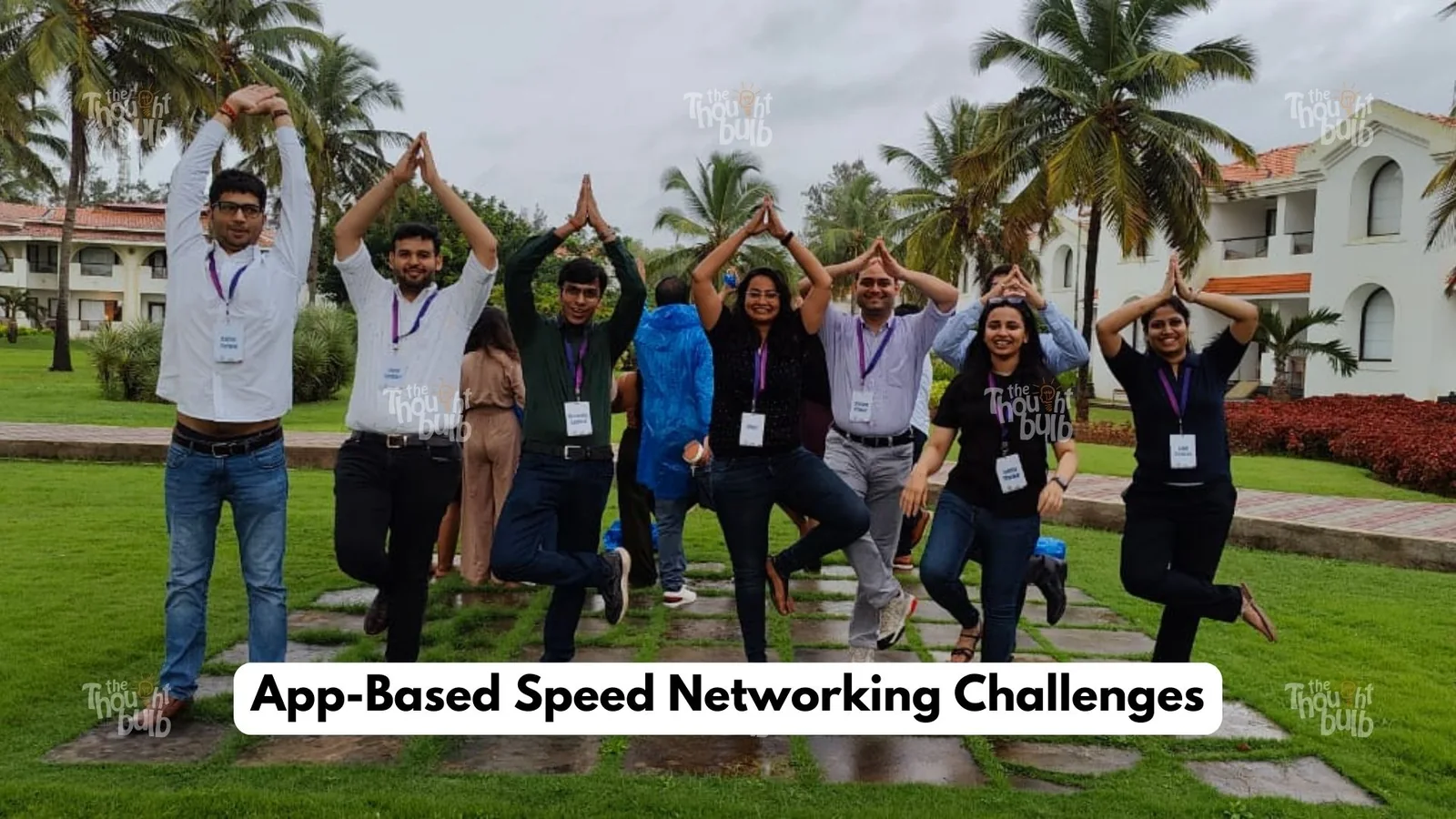
Participants form teams of 5–10 and engage in an app-based challenge sequence. Tasks may include singing together, acting out scenarios, creative posing, or collaborative mini-games.
Unlike traditional one-on-one speed networking, this version creates shared experiences first—making later conversations more natural and energetic.
Why It Works?
Breaks social barriers quickly
Encourages laughter and shared memory creation
Builds instant group rapport
6. Two Truths and a Vision
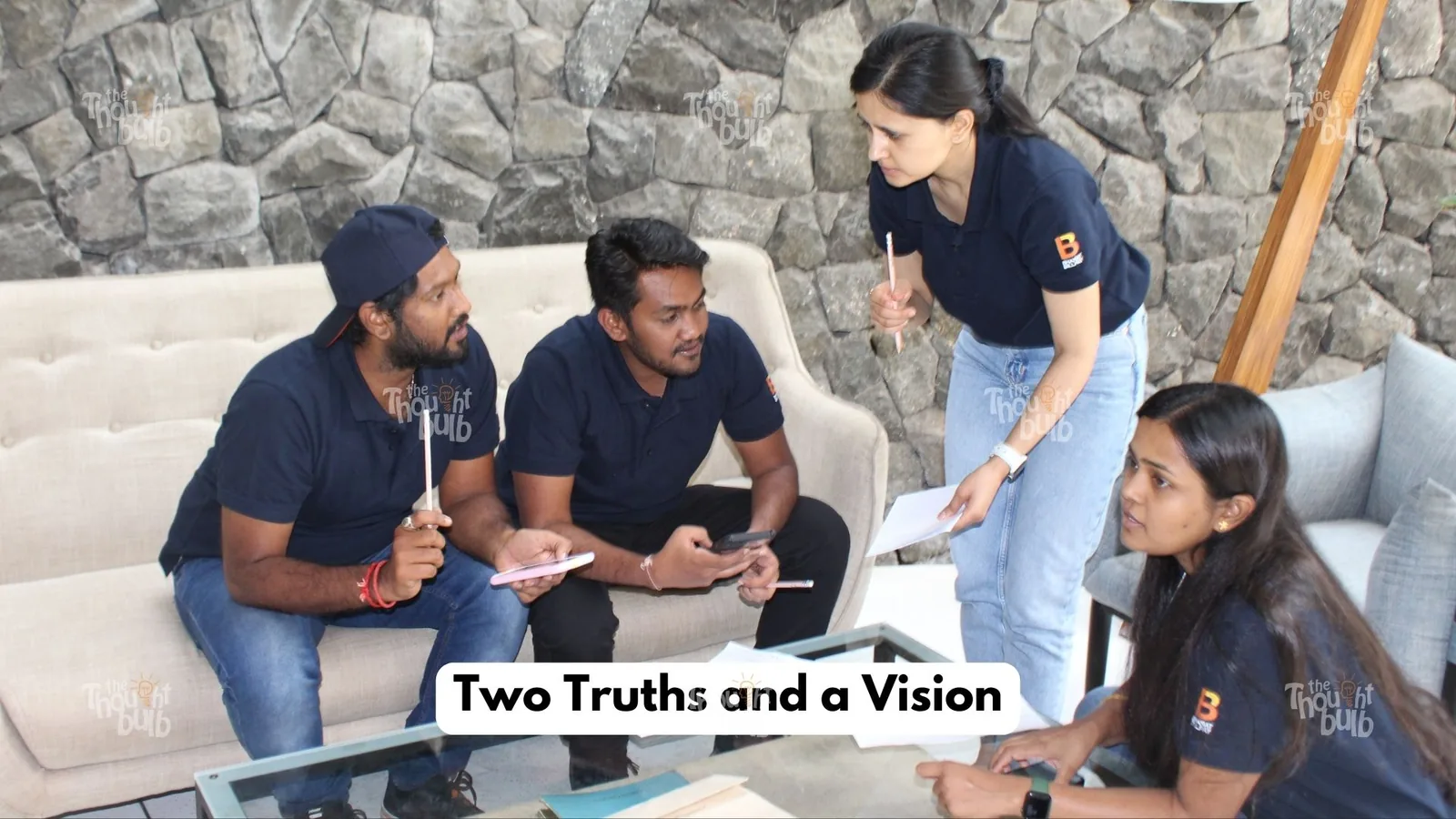
Each participant shares two truths about themselves and one professional aspiration for the next year. The group guesses which is the aspiration.
This twist blends personal storytelling with forward-looking ambition, creating conversations that extend beyond the event itself.
Why It Works?
Combines authenticity with goal-setting
Encourages supportive follow-up conversations
Makes aspirations visible
7. Networking Bingo
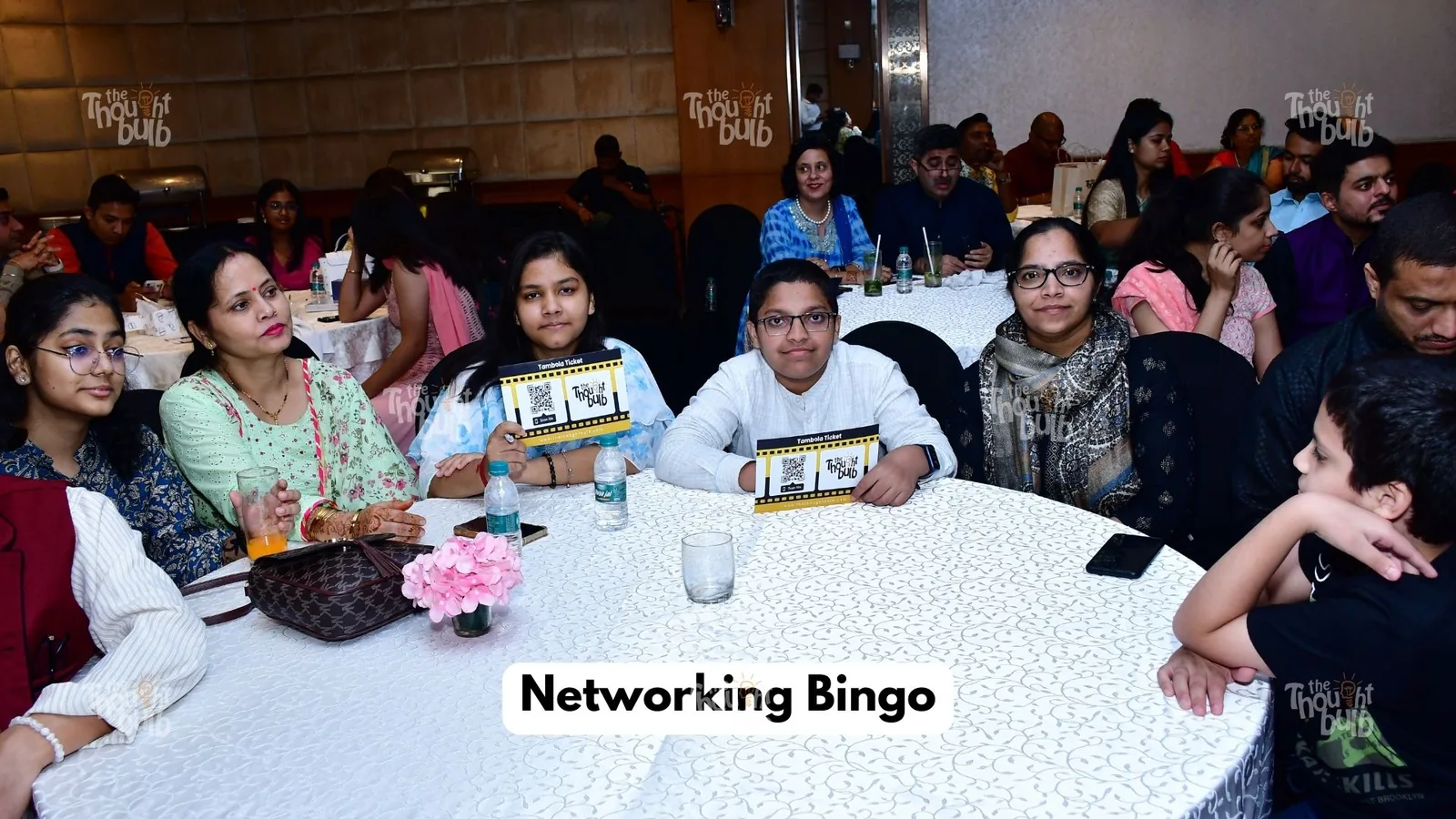
Participants receive bingo sheets filled with traits like “Has worked in another country,” “Speaks more than two languages,” or “Loves trekking.” They must find people matching those descriptions and collect signatures.
The competitive yet friendly structure motivates participants to approach new faces instead of staying within comfort circles.
Why It Works?
Encourages cross-group interaction
Sparks diverse conversations
8. Common Ground Clusters
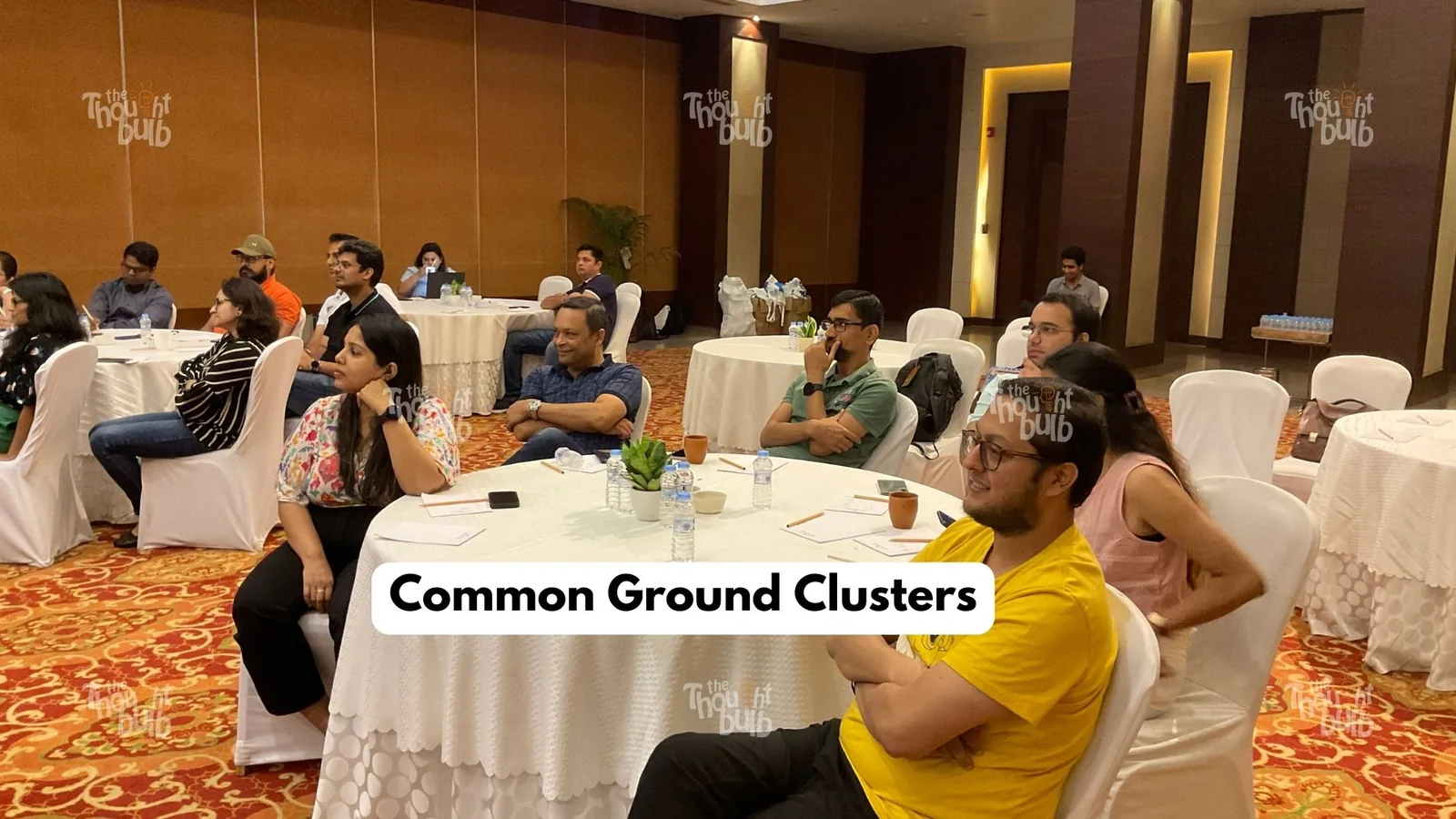
Participants are randomly grouped and given five minutes to identify five non-work-related things they all have in common.
The focus on shared humanity rather than roles accelerates bonding and often surprises participants.
Why It Works?
Highlights similarities quickly
Breaks hierarchical barriers
Builds instant group cohesion
9. Story Behind the Object
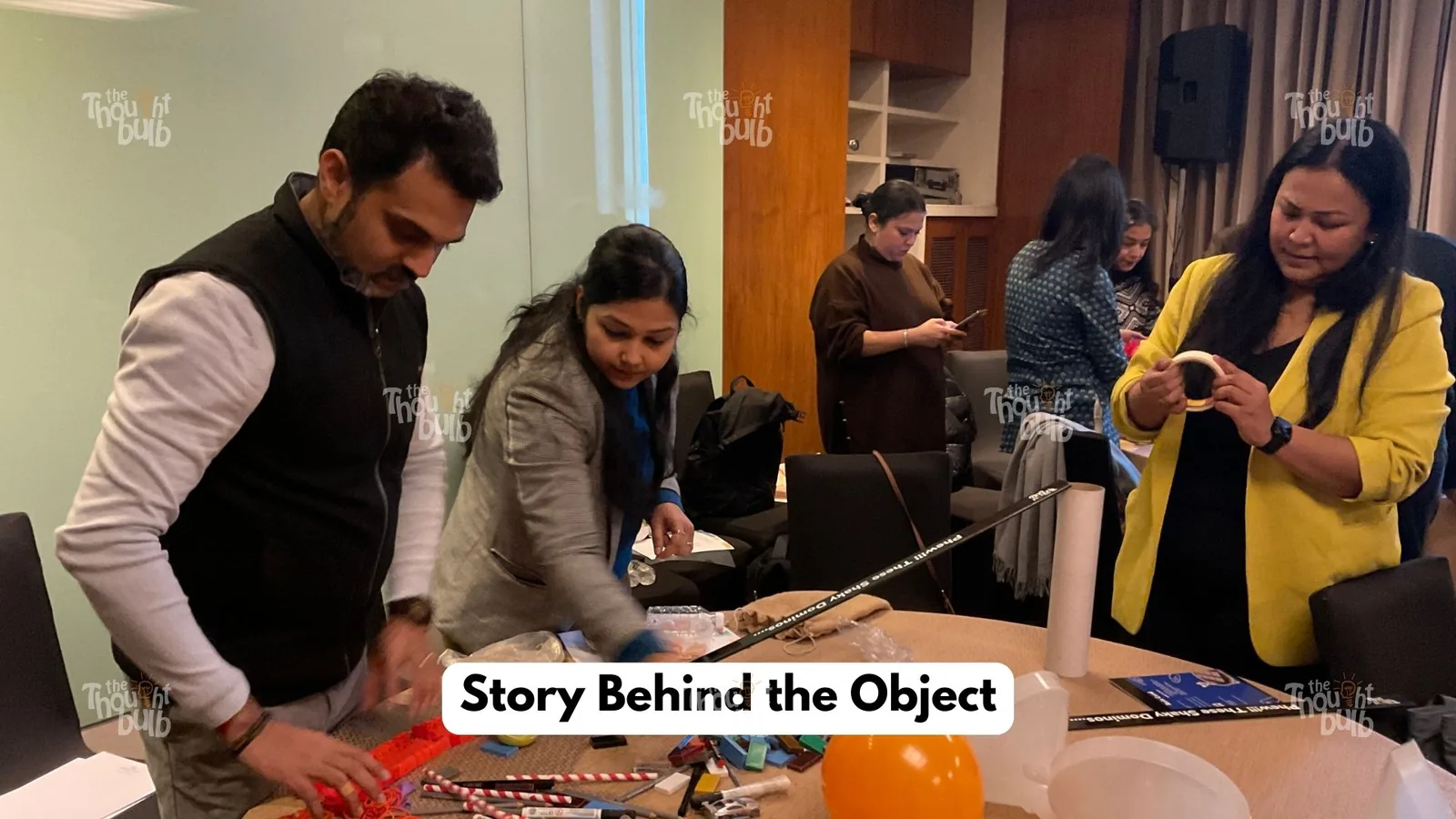
Ask participants to carry a small object from their desk or bag. During the activity, they share the story behind it.
Objects become storytelling triggers—often revealing values, habits, or memorable experiences.
Why It Works?
Encourages vulnerability in a structured way
Sparks curiosity-driven dialogue
Creates memorable narratives
10. Gratitude Wall & Connection Board
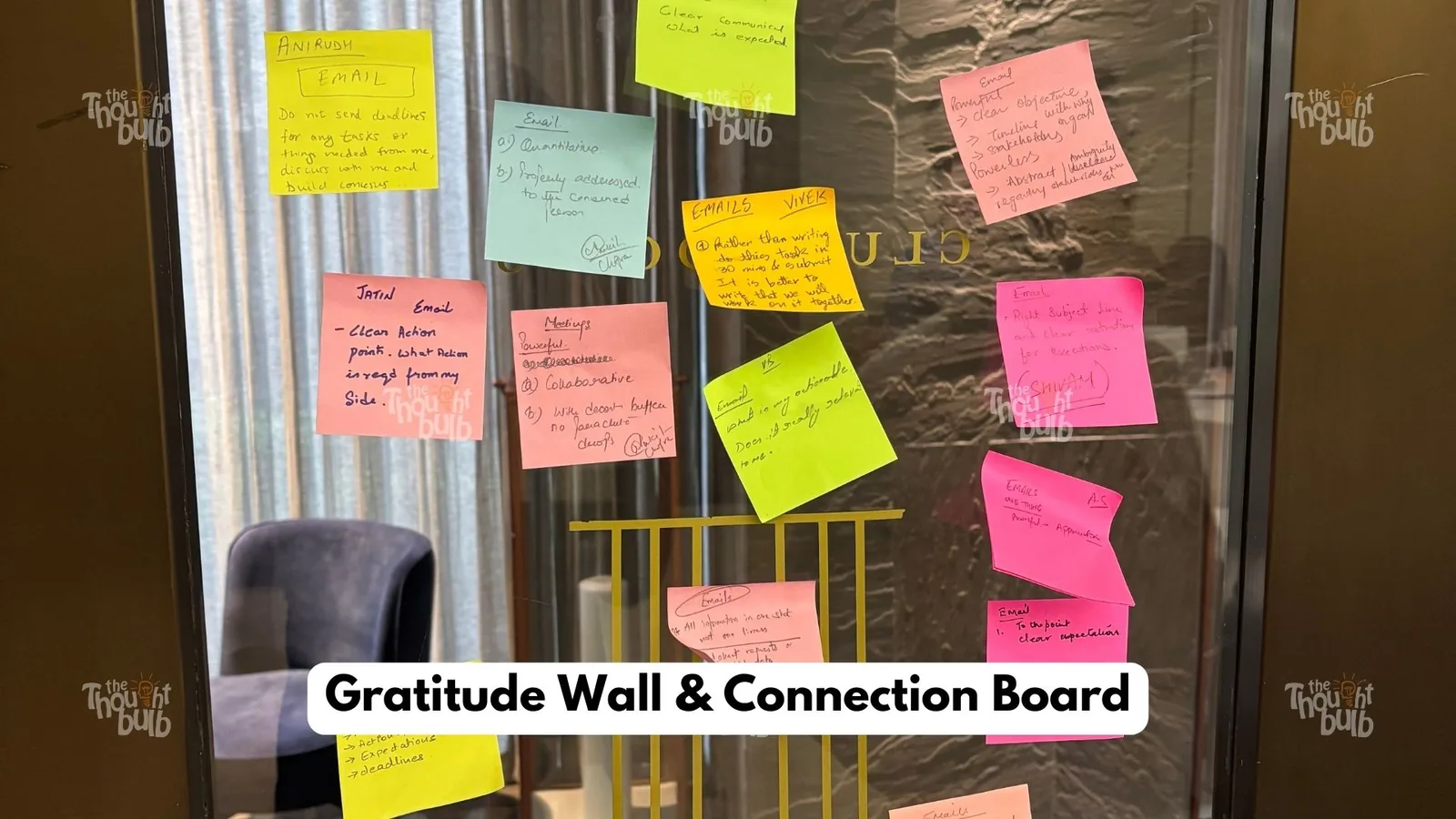
Set up a board where participants can write appreciation notes, collaboration interests, or “Let’s connect about…” messages.
This visual networking layer extends conversations beyond verbal interaction and encourages follow-ups after the event.
Why It Works?
Makes networking intentional
Encourages post-event collaboration
Reinforces positive emotion
Turning Interaction Into Impact
Effective networking events are not about maximizing business card exchange, they’re about maximizing meaningful interaction. Structured prompts, light gamification, storytelling triggers, and shared challenges create psychological safety and deeper engagement.
When networking shifts from transactional exchanges to experiential connection, participants leave not just with contacts, but with conversations they remember.
Ready to build real connections? Explore our Networking Bundle.