Introduction
Tired of robotic introductions, muted mics, and disengaged faces during virtual calls? Whether you're running a weekly sync or a quarterly town hall, adding a twist of curiosity can radically shift the tone of your meeting. Riddle icebreakers are a low-prep, high-energy way to break the monotony, sharpen thinking, and create meaningful moments of shared laughter.
In less than five minutes, riddles can help your team transition from passive mode to active engagement. They're simple, inclusive, and—when used regularly—can become a beloved part of your virtual team-building culture.
Below, you’ll find 10 riddle icebreakers that require no slides, no breakout rooms, and no long instructions—just a sense of play and a willing team.
1. The Classic “What Am I?” Challenge
Start with familiar, brain-teasing riddles that are easy to follow.
Examples:
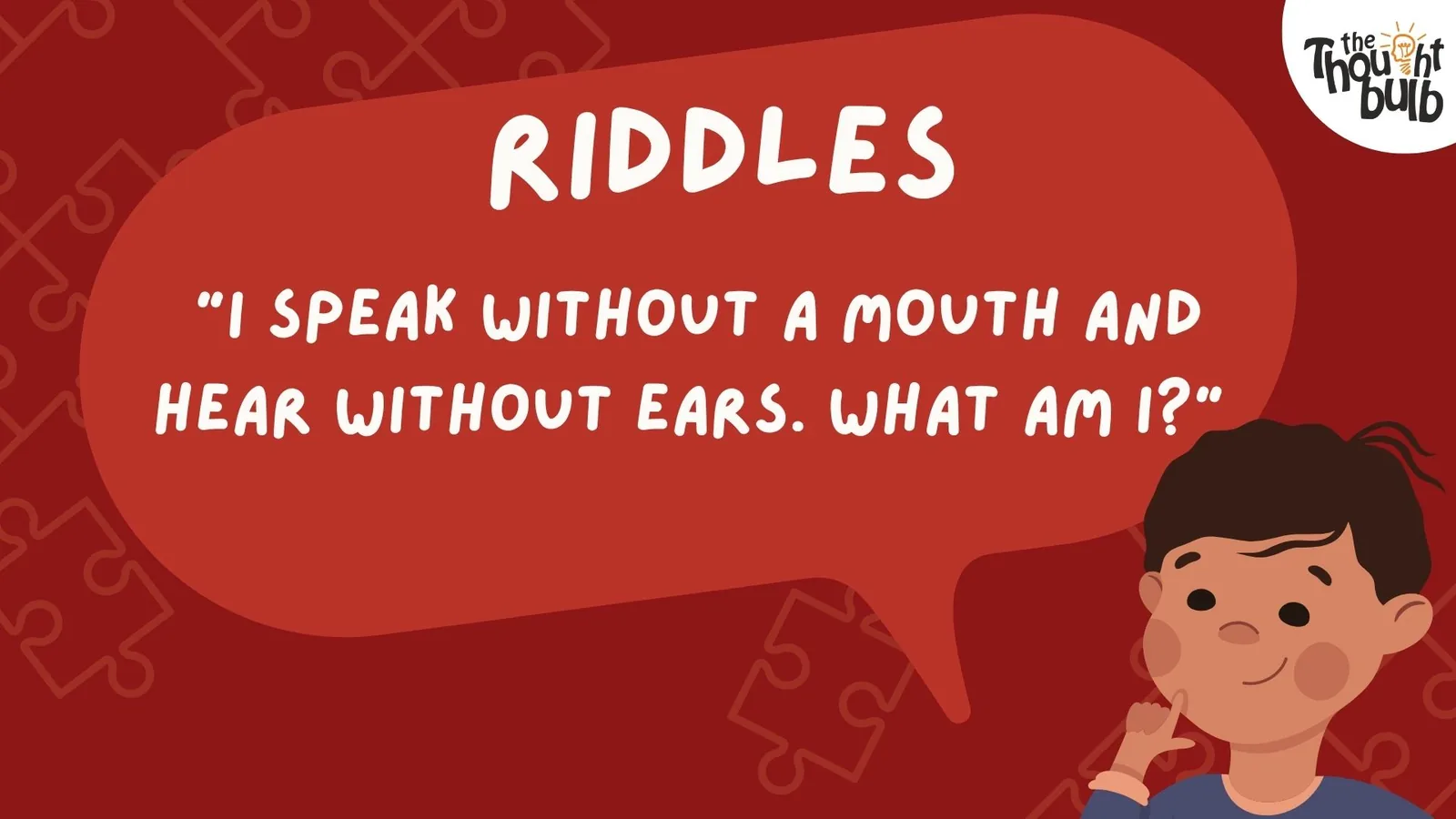
“I speak without a mouth and hear without ears. What am I?” (Answer: An echo)
“I have keys but no locks. I have space but no room. You can enter but can’t go outside. What am I?” (Answer: A keyboard)
Why it works: This safe, low-pressure format sparks curiosity and is perfect for easing new joiners into the conversation without putting them on the spot.
2. Solve It Before Time Runs Out
Turn up the energy with a time-bound challenge. Share a riddle and set a 60-second countdown in the chat.
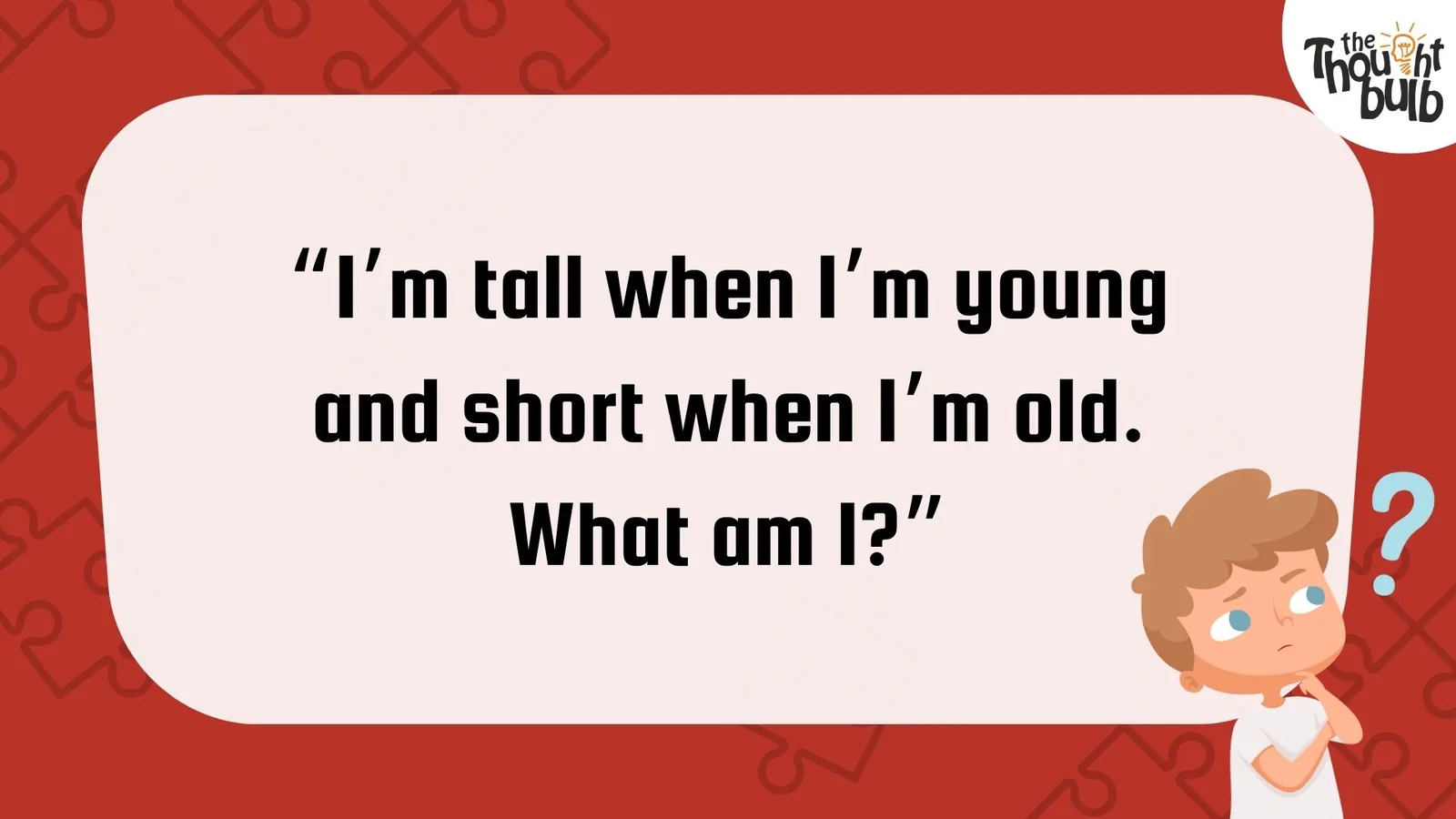
Example: “I’m tall when I’m young and short when I’m old. What am I?” (Answer: A candle)
Why it works: Adding a time limit introduces urgency and a mini adrenaline rush—great for breaking mid-week monotony in virtual meetings.
3. Riddle Relay
In breakout groups of 2–3 people, give each team a riddle. After solving it, they challenge another team with one they’ve chosen.
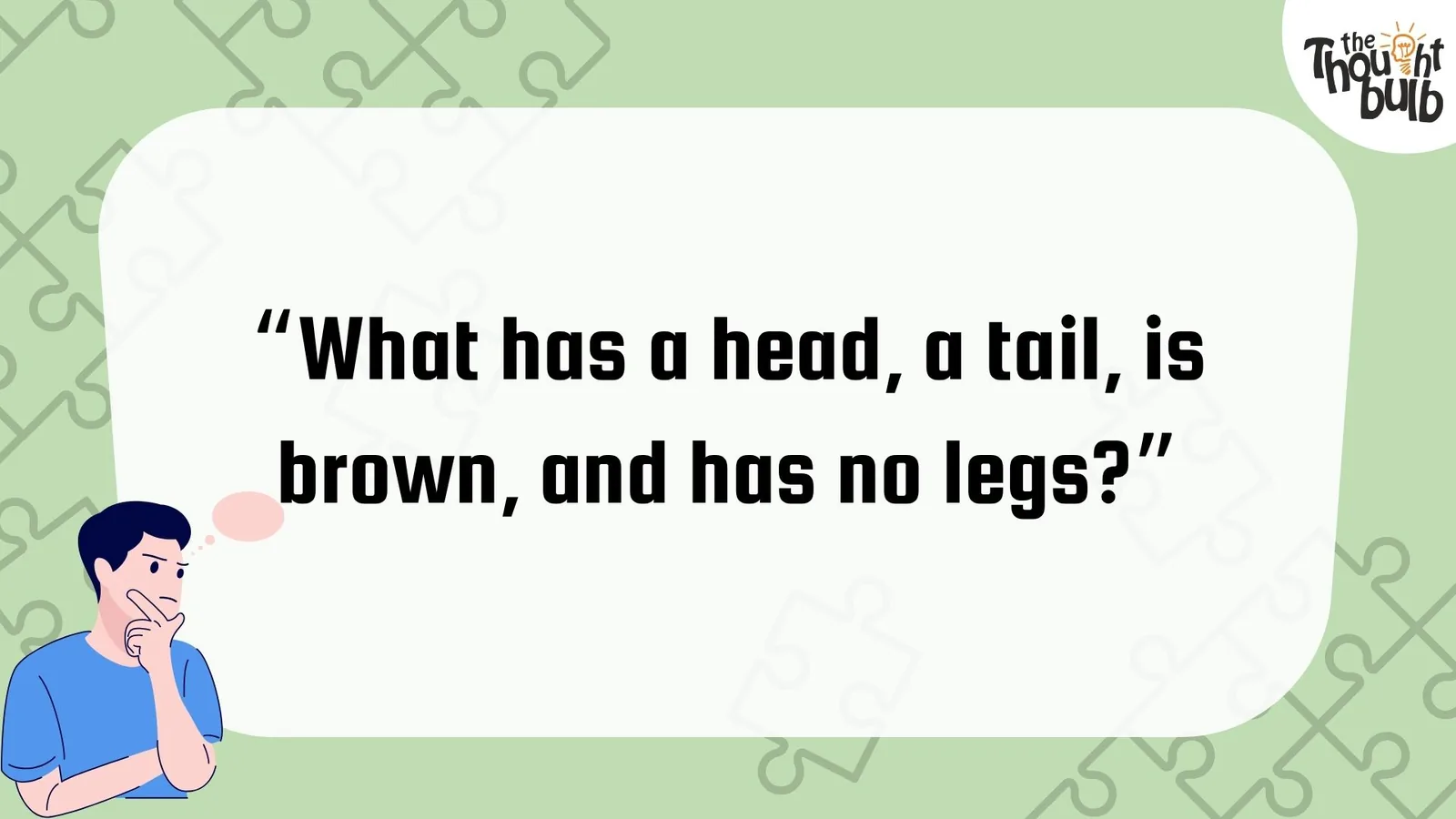
Example for first team: “What has a head, a tail, is brown, and has no legs?” (Answer: A penny)
Why it works: Encourages collaboration, idea-sharing, and spontaneous creativity—perfect for strengthening team bonds in remote teams.
4. Personal Riddle Intros
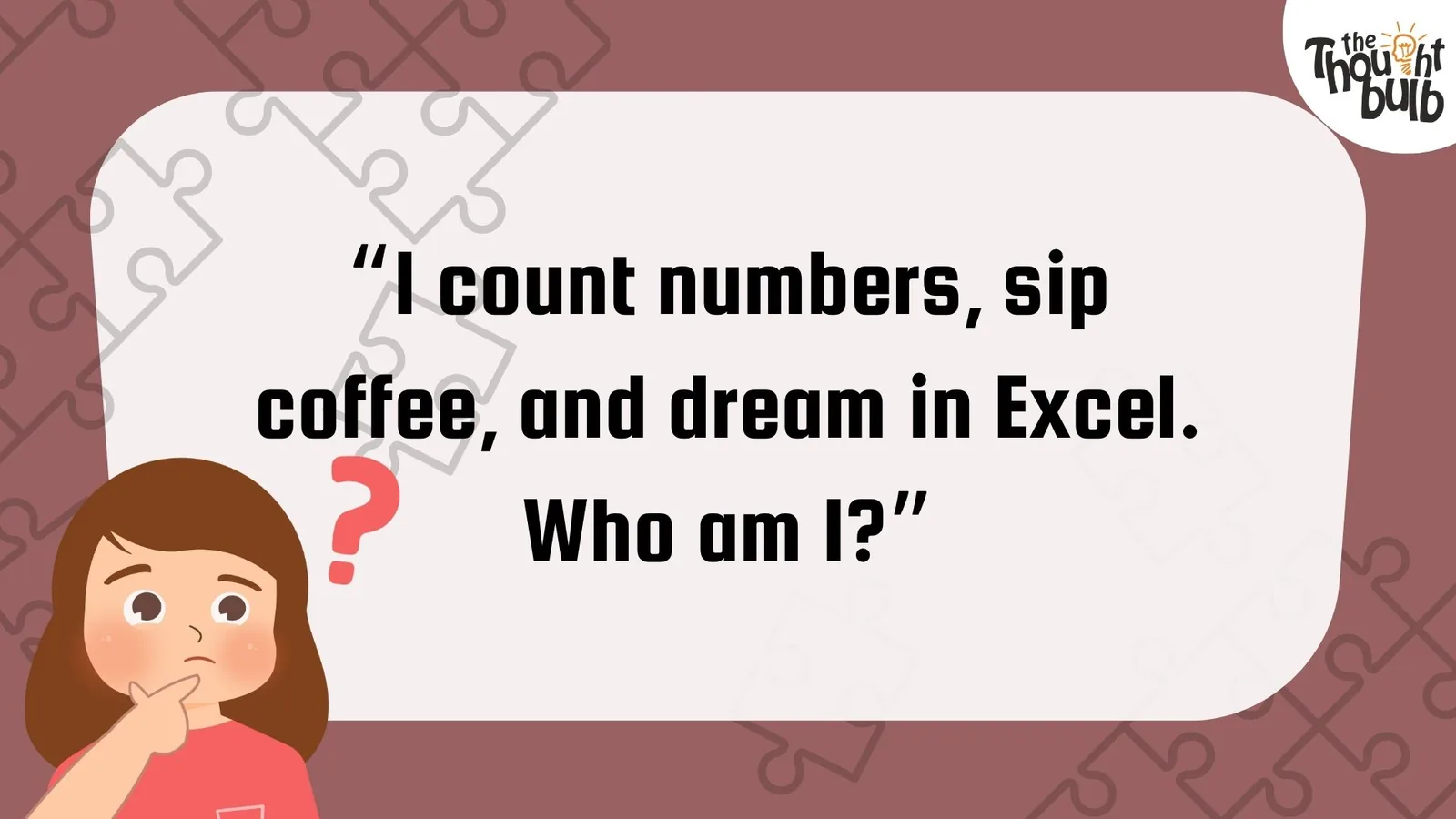
Ask teammates to describe themselves in a riddle. A fun, clever way to replace “Hi, I’m [Name] and I work in finance.”
Example: “I count numbers, sip coffee, and dream in Excel. Who am I?” (Answer: A finance analyst)
Why it works: It blends playfulness with identity, helping team members connect on a personal level—especially helpful for onboarding and cross-functional team engagement.
5. The “Wrong But Funny” Answer Round
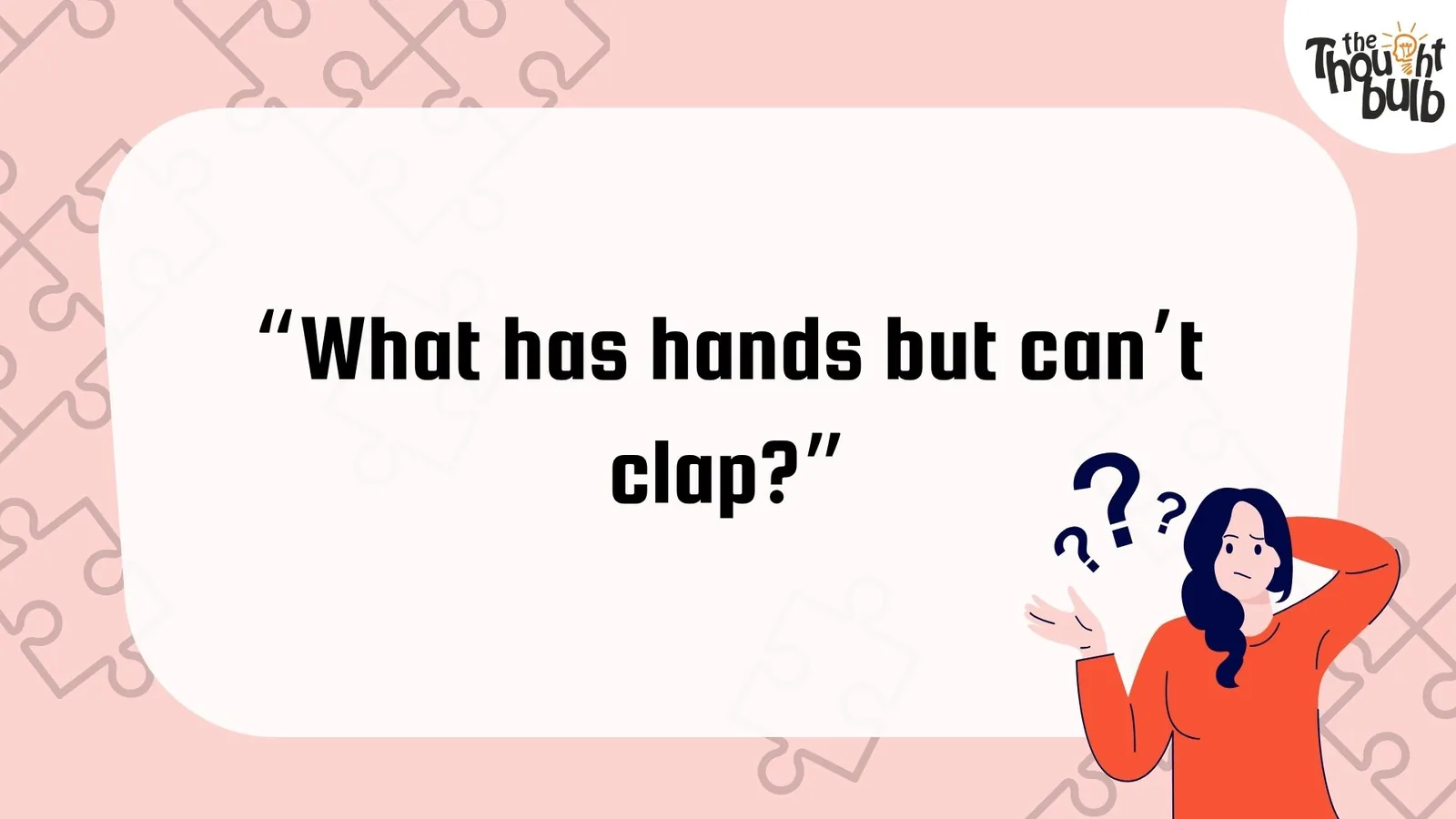
Prompt everyone to first give a silly, wrong answer to a riddle—then go for the real one.
Riddle: “What has hands but can’t clap?” Funny answer: “A lazy kangaroo on vacation.” Real answer: “A clock.”
Why it works: Humor lowers stress and builds psychological safety. When laughter is encouraged, people engage more freely in even the driest of virtual meetings.
6. Riddle Chain
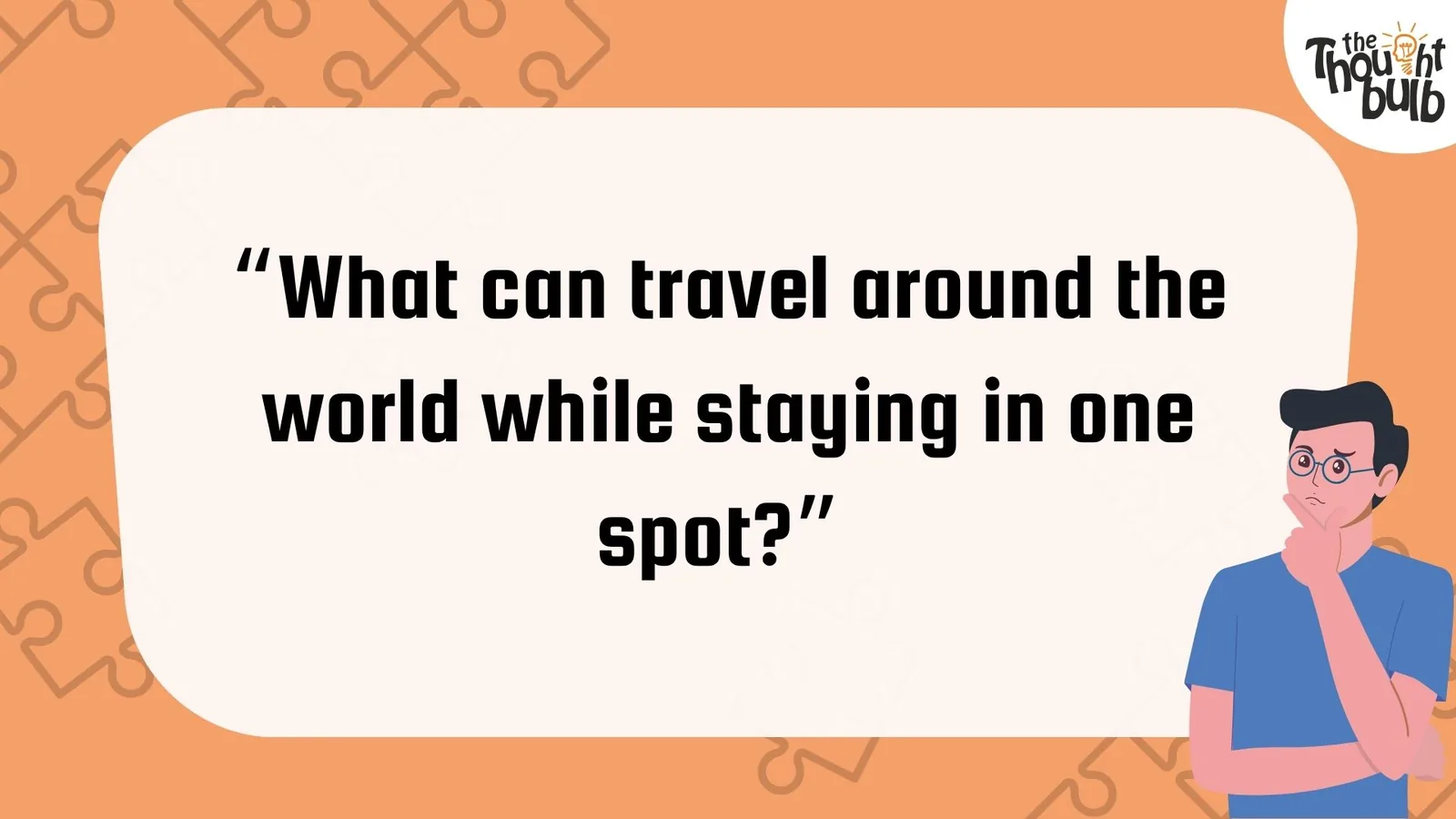
Start a series where the answer of one riddle leads into the next.
Example: “What can travel around the world while staying in one spot?” (Answer: A stamp) → Next riddle: “You send me when words can’t say it all. I can be digital or physical. What am I?” (Answer: A letter)
Why it works: This storytelling element builds suspense and encourages attentive listening. It turns a quick exercise into an unfolding experience.
7. Rapid Riddle Fire
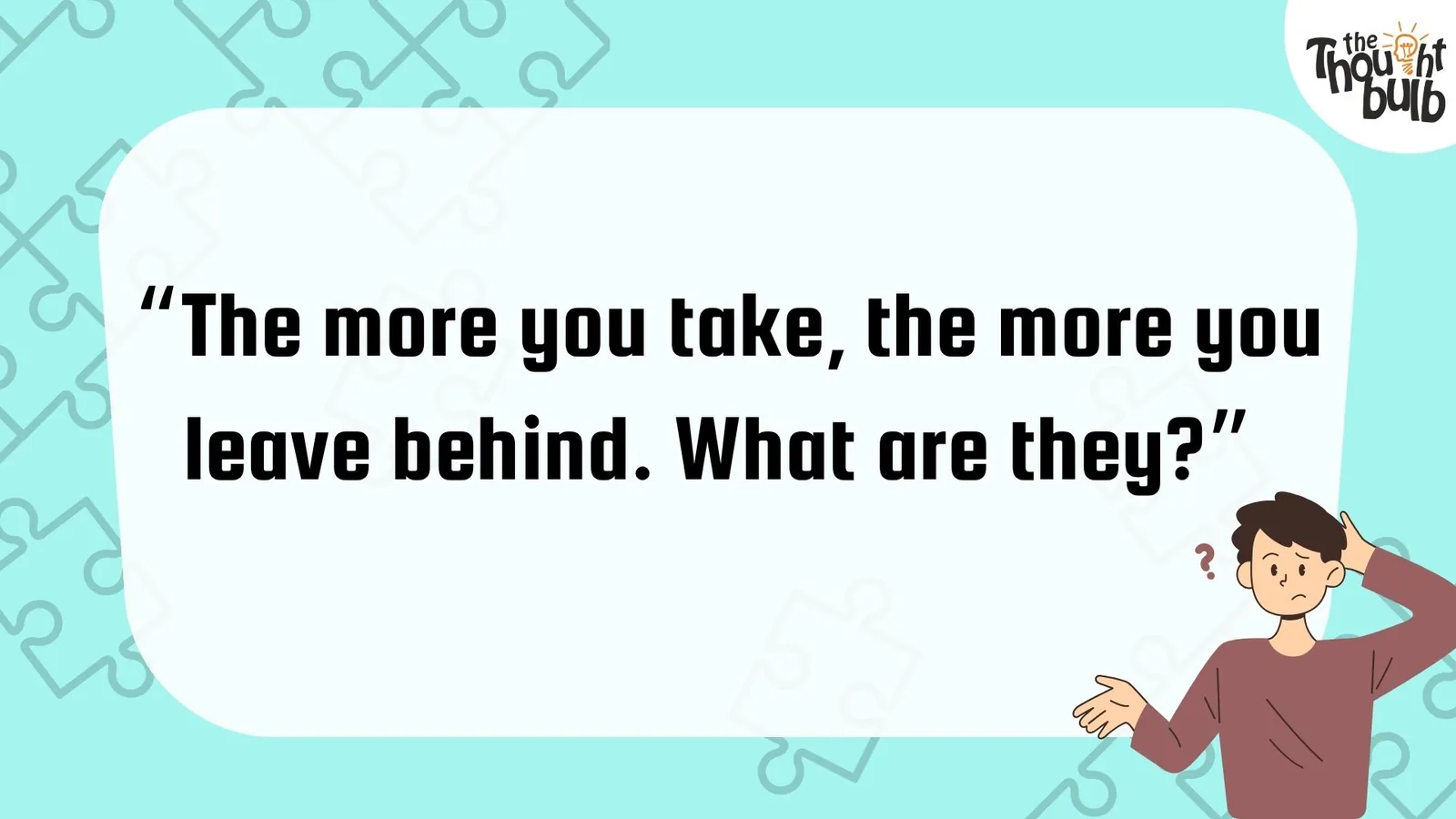
Fire off 5–7 short riddles in succession. Ask participants to unmute or type answers as fast as possible.
Examples:
“What gets wetter as it dries?” (Answer: A towel)
“The more you take, the more you leave behind. What are they?” (Answer: Footsteps)
“What begins with T, ends with T, and has T in it?” (Answer: A teapot)
Why it works: The fast pace lifts energy and cuts through screen fatigue. It also works well for large teams or morning check-ins.
8. Pick Your Riddle Leader
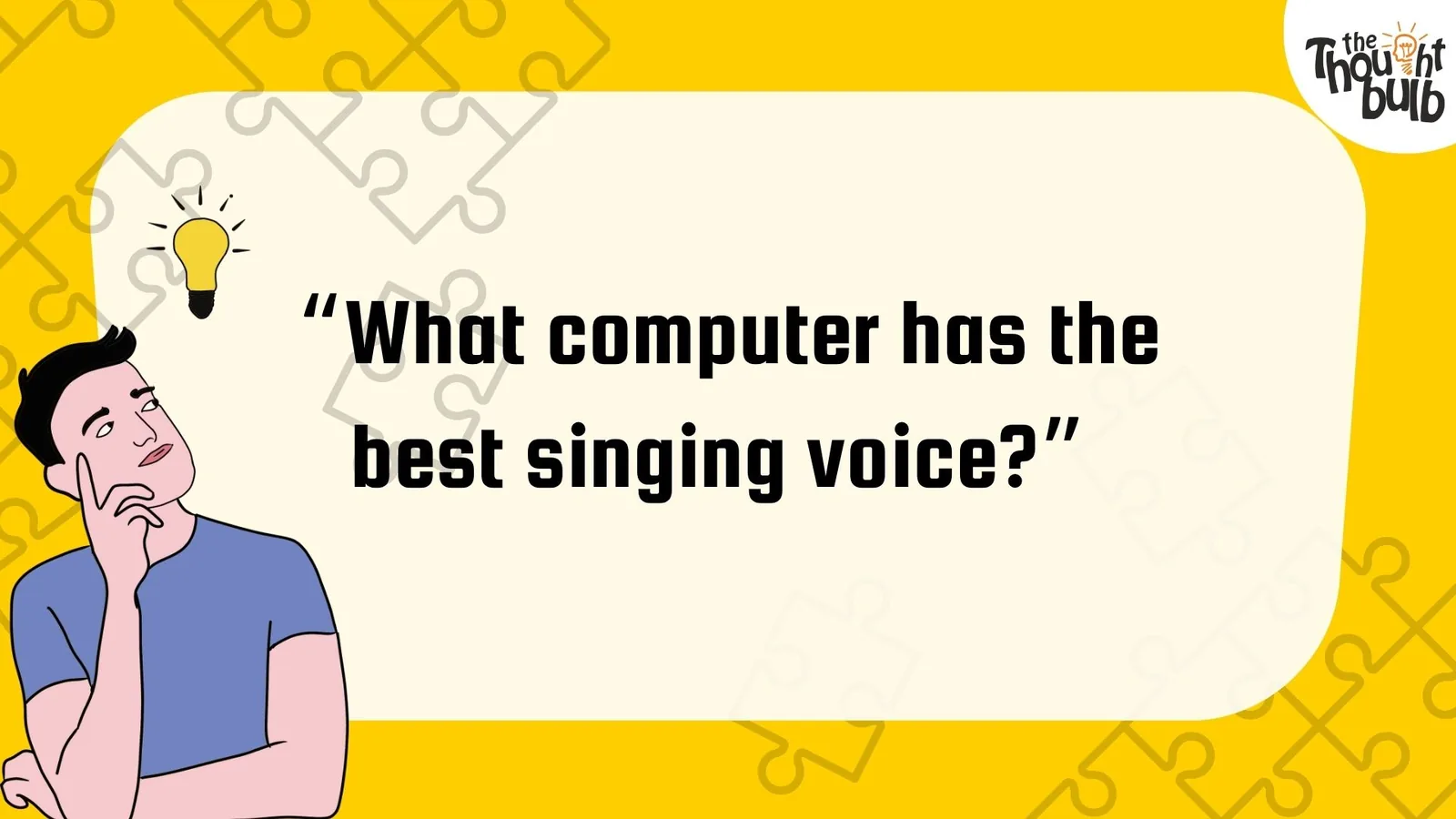
Nominate a team member to bring riddles for the next meeting—let them pick a theme.
Riddle Theme Example: Tech riddles “What computer has the best singing voice?” (Answer: A Dell)
Why it works: Shared ownership boosts consistency and anticipation. It also brings fresh voices and perspectives into the mix—great for sustained virtual team-building.
9. Visual Riddles
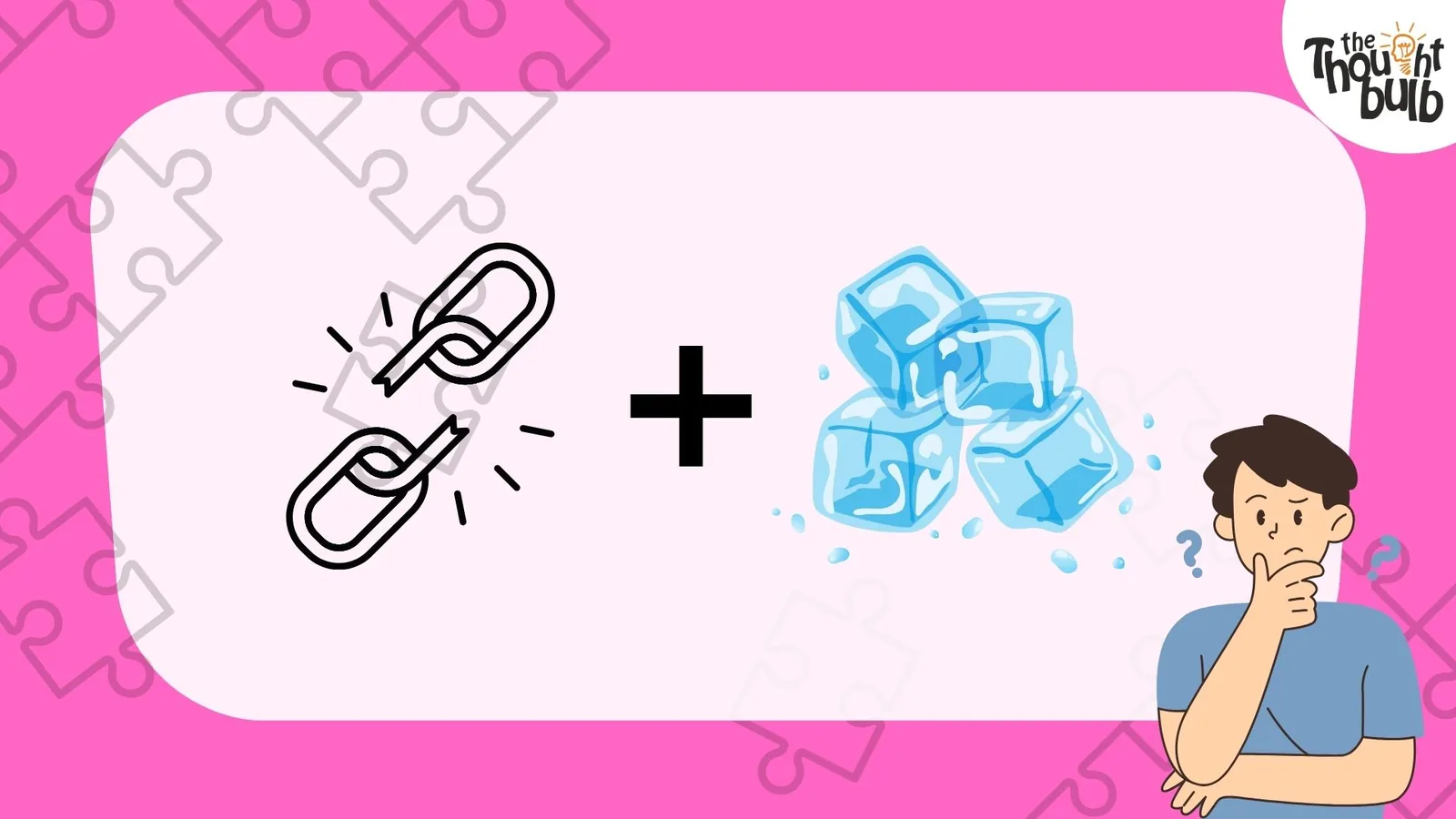
Use emoji puzzles or visual clues. Screen-share an image or post emojis in chat.
Example: 🦴 + 🧊 (Answer: Break the ice)
Why it works: Visuals engage different parts of the brain, making your remote meetings more dynamic and less text-heavy.
10. Themed Riddle Days
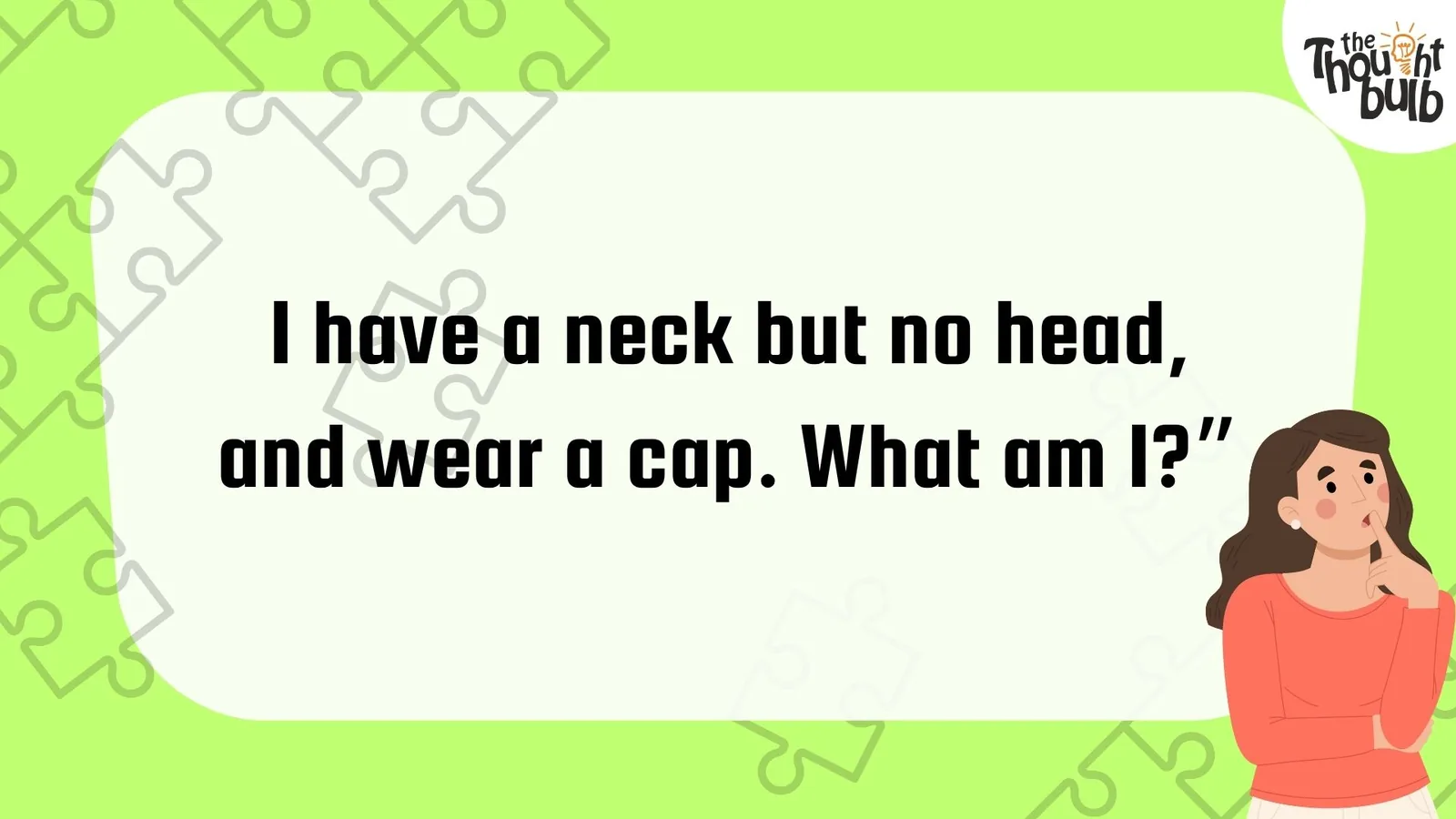
Designate a slot for riddles during recurring meetings.
Example: “Welcome to Trivia Thursdays. Here’s your weekly riddle: I have a neck but no head, and wear a cap. What am I?” (Answer: A bottle)
Why it works: Turning it into a habit gives teams something fun to look forward to. Over time, it becomes part of your meeting DNA—boosting morale and encouraging team engagement.
Final Thoughts:
Adding riddle icebreakers to your virtual meetings isn’t just a gimmick—it’s a smart way to warm up conversations, build mental agility, and nurture team culture. These quick, clever exercises aren’t about right or wrong answers—they’re about connecting in meaningful, memorable ways.
Whether you're running a daily standup or a global all-hands, riddles are a lightweight way to strengthen bonds, boost energy, and create moments of laughter in your remote teams. One riddle at a time, you’ll be building not just engagement—but genuine connection.
<a href="https://www.thethoughtbulb.com/resources/free-resources/50-icebreakers-for-virtual-meetings.html" target="_blank">

</a>