Because great beginnings shape great careers.
Starting your first job after college can feel like stepping onto a whole new planet. The lingo, the expectations, the processes—it’s all unfamiliar terrain for a campus hire. That’s why a well-structured induction program isn’t just a welcome party; it’s a crucial launchpad.
While many organizations put together induction checklists focused on policies and presentations, what truly matters is what the new hire walks away with—beyond the paperwork.
So, what exactly should a campus hire learn during an induction program?
Let’s break it down.
1. Understanding the Big Picture

Campus hires often come with fresh energy but little context. One of the first things an induction must do is answer the question: “Where do I fit in?”
What to cover:
The company’s vision, mission, and values
The organizational structure and key departments
Major clients, products, and services
The company’s culture and what success looks like here
This gives the campus hire a sense of purpose and clarity. When they understand how their role contributes to something bigger, they feel more connected and driven.
2. Roles, Expectations & Deliverables

Freshers aren’t mind readers. They need clear guidance on what’s expected from them—not just in terms of tasks, but also attitude, behaviour, and accountability.
What to cover:
A breakdown of their job responsibilities
The team’s goals and workflows
Tools or platforms they’ll use
Short-term and long-term expectations
Clear role alignment helps reduce anxiety and speeds up productivity. Ambiguity in this phase often leads to confusion, underperformance, or early exits.
3. Workplace Etiquette & Professional Behaviour

What’s considered “normal” in a college setting may not apply in the workplace. That transition must be explicitly addressed, not left to trial and error.
What to cover:
Communication norms (email, meetings, virtual calls)
Dress code and attendance
Social media conduct
How to address seniors and peers
The importance of punctuality, ownership, and feedback
This helps young hires avoid awkward mistakes and adopt a more polished professional presence.
4. Tools, Tech & Processes

Most organizations run on systems that are completely new to a fresher. Your induction must simplify this learning curve.
What to cover:
Internal software and platforms (CRM, Slack, HR portals, etc.)
Workflow processes (how approvals, leaves, reporting work)
File sharing, security protocols, and data etiquette
An interactive, hands-on walk-through—rather than a dry PPT—is much more effective here.
5. Effective Communication & Collaboration

Campus hires may struggle to speak up in meetings or collaborate with cross-functional teams. Your induction should set the tone for open communication and teamwork.
What to cover:
How to express ideas confidently
The importance of listening, asking questions, and follow-ups
Collaborative tools (Teams, Google Workspace, etc.)
Conflict resolution and feedback culture
Consider role-play scenarios, mock meetings, or communication challenges to build these skills early.
6. Growth Path & Learning Opportunities

Ambitious young professionals want to know: “What’s next?” Use your induction to show them that growth is not just possible—it’s encouraged.
What to cover:
Learning & development platforms
Internal mentorship programs
Performance evaluation criteria
Promotion and growth policies
This helps anchor them in a mindset of continuous learning and self-improvement right from Day 1.
7. Belonging & Culture Fit
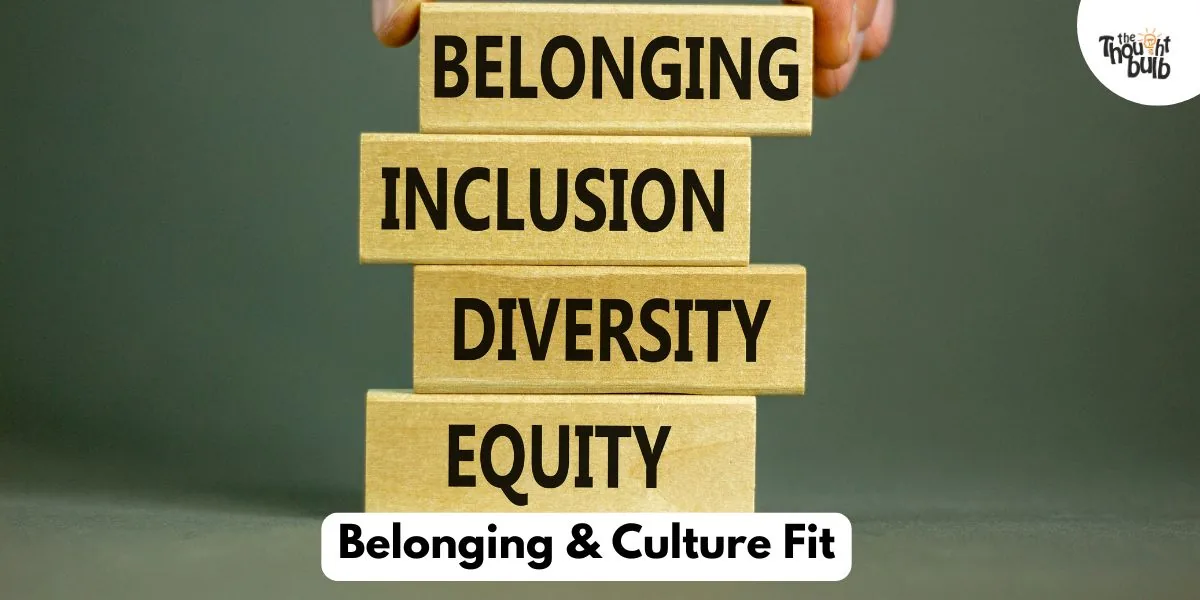
Culture is the invisible glue that holds teams together—and for a campus hire, feeling included early on makes a huge difference.
What to cover:
Company traditions, rituals, and social activities
Inclusion and diversity values
Wellness and mental health resources
Buddy or mentor introduction
Informal team interactions or games
This ensures that new hires don’t just understand the company—they start feeling like a part of it.
Bonus Tip: Make It Engaging, Not Exhausting
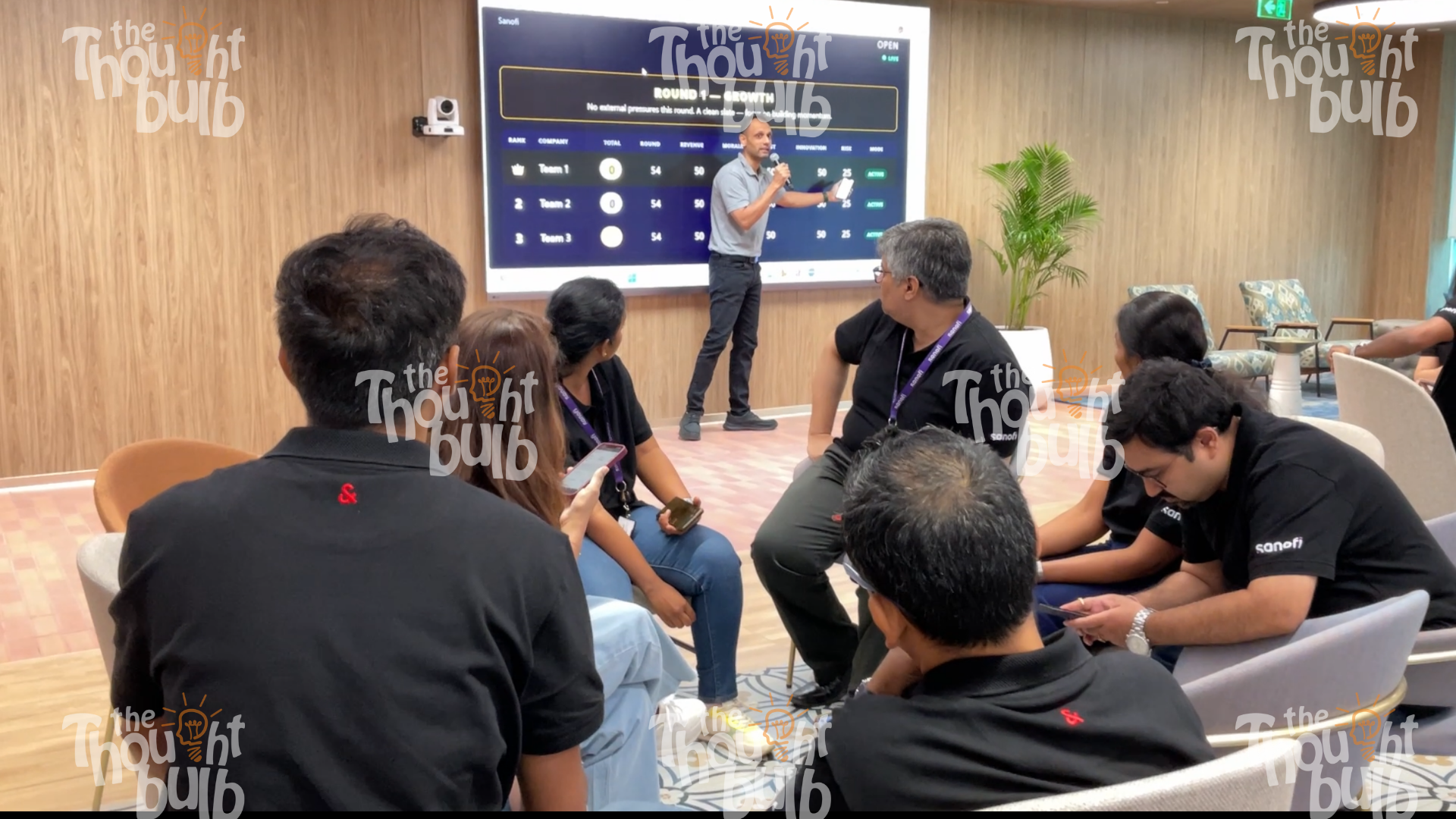
Long induction programs stuffed with back-to-back slides and jargon don’t work. Use tech (like gamification, AI-based learning, or VR experiences), icebreakers, team-building activities, and storytelling to make your program stick.
Final Word: Induction Is Not Orientation
A campus hire induction should do more than just introduce—it should equip, engage, and empower.
When done right, your induction program can:
Turn confusion into clarity
Turn nervousness into confidence
Turn employees into ambassadors
So the next time you onboard a batch of bright-eyed graduates, ask yourself not just what you’re telling them—but what they’re truly learning.
Because first impressions don’t just matter—they last.