Team-building activities hold the potential to strengthen collaboration, boost morale, and spark innovation, but here’s the catch: they only work if people are genuinely excited to participate. Planning the perfect activity is only half the job. The other half, and often the more critical part, is generating buzz before the event even begins.
Why? Because the anticipation leading up to the activity sets the tone for how your team will receive and respond to it. When done right, this pre-event energy amplifies participation, enhances learning, and leaves a lasting impression well beyond the day of the event.
Let’s unpack how you can strategically build hype for your next team-building initiative, using practical tactics, behavioral science, and creative content strategies.
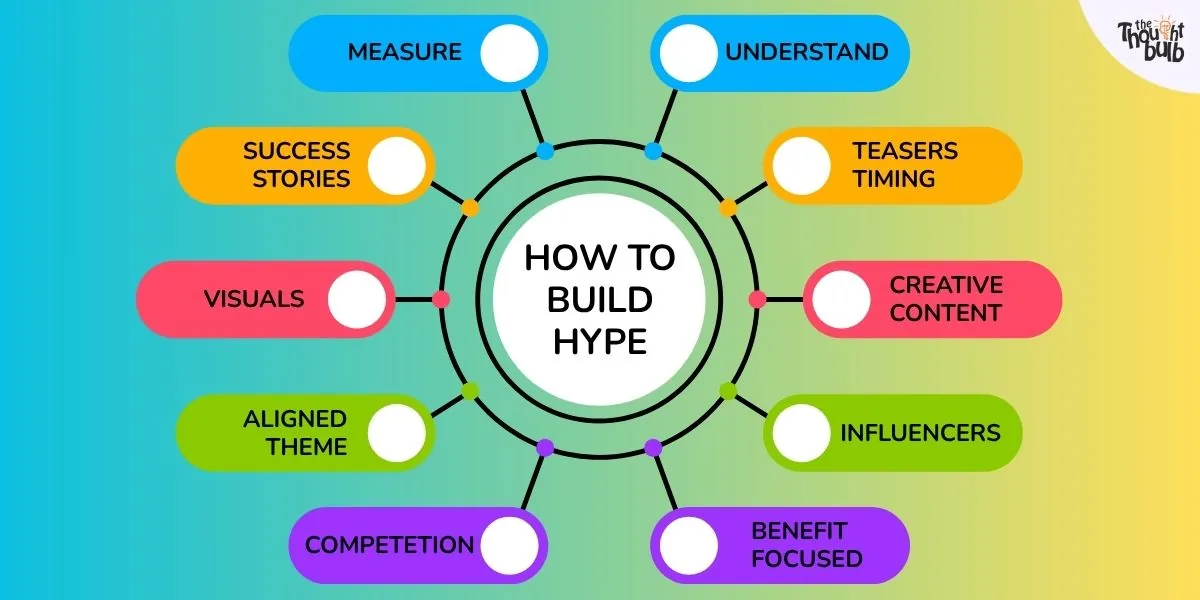
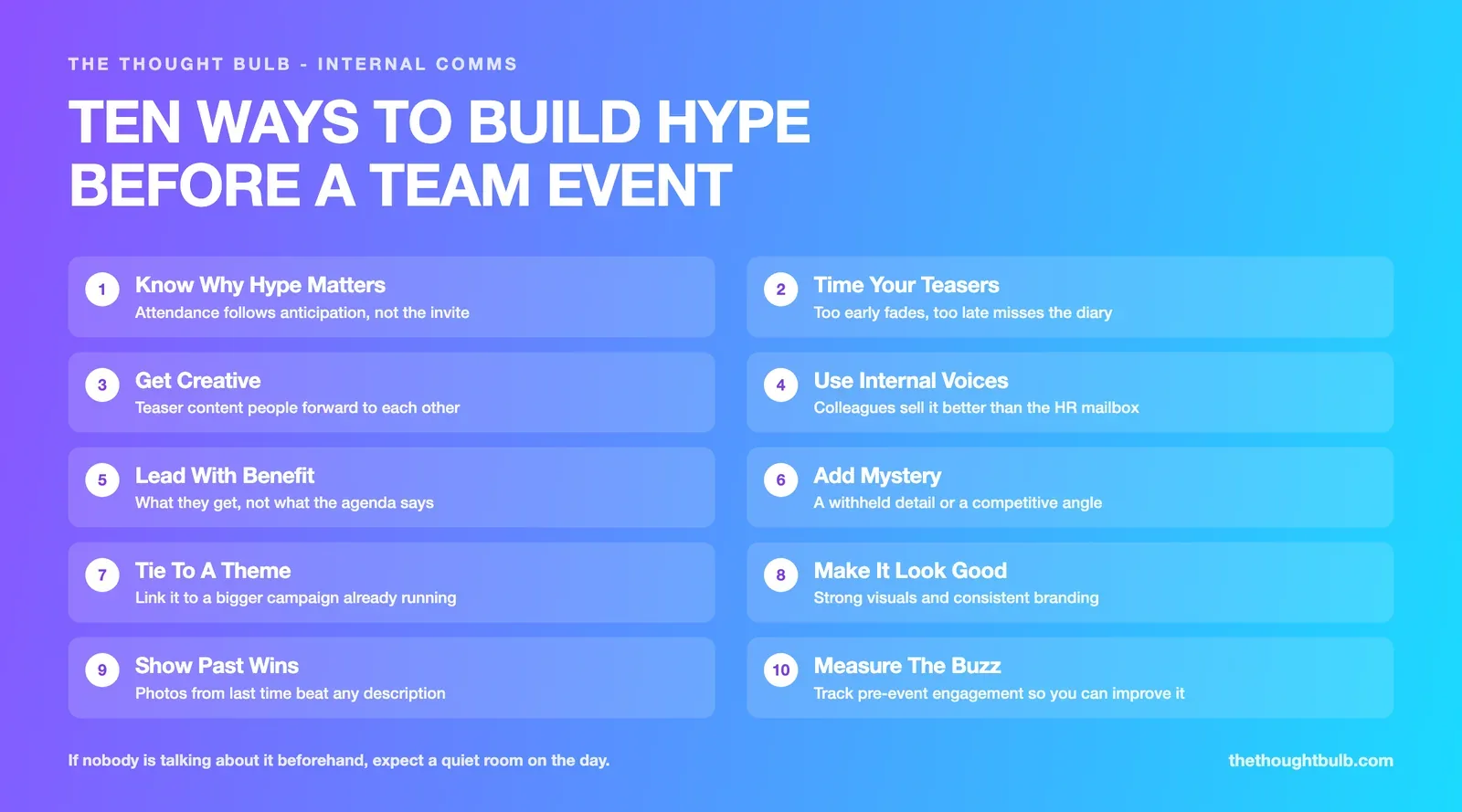
1. Understand Why Hype Matters
Building excitement isn’t just about fun; it’s about psychology. According to a study by Eventbrite, 78% of participants said the anticipation of an event was just as exciting as attending it. “Anticipation taps into emotional engagement and builds mental availability; people start looking forward to the event, talking about it, and planning around it”, says research. It creates early buy-in and ensures higher attendance and attention.
Emotional engagement begins long before the event does
Anticipation builds mental availability and commitment
Hype boosts retention and long-term recall of learning
“Our brains release dopamine in response to anticipation, which can influence motivation and learning.” Journal of Neuroscience
2. Time Your Teasers Right
Your internal communication calendar should be as strategic as your event agenda. Teasers should start 10–14 days in advance and increase in intensity closer to the event date. This mimics marketing principles, such as the “drip campaign,” where early curiosity evolves into excitement and ultimately a sense of urgency.
Use countdowns, teaser images, and mystery elements
Release one engaging element every few days
Keep the tone upbeat, inclusive, and curious
3. Use Teaser Content Creatively
People ignore generic invites, but they’ll notice a creative visual, meme, or a quirky video. Teaser content should be concise, engaging, and closely tied to the theme. Even better, gamify it. Consider short polls, riddles, or challenges that give a glimpse of what’s coming. According to research from Venngage, visual content is over 40x more likely to get shared on social media than other types.
Use humor, mystery, or nostalgia to spark attention
Include subtle hints about the activity to build curiosity
Use formats like short videos, memes, GIFs, or Instagram story-style posts
4. Get Influencers Involved Internally
Identify internal champions, popular managers, team leads, or culture influencers within your company who people look up to. Have them drop hints, share teaser content, or express excitement. Peer influence is a powerful tool; when respected voices show enthusiasm, others are more likely to follow.
According to Edelman’s Trust Barometer, 63% of employees trust information from “people like themselves” more than from senior leaders or corporate comms.
Ask managers or team leads to post informal shoutouts
Encourage a few teammates to “guess” the activity in a playful way
Use leadership endorsements sparingly but authentically
5. Keep the Messaging Benefit-Focused
Rather than saying “We have a team-building session next Friday,” say “Get ready for an hour of laughter, games, and a surprise twist that’ll challenge your brain!” Focus on what’s in it for them: fun, bonding, a break from routine, or a chance to win prizes.
Behavioral research shows that people respond better to benefits over features. When marketing the event internally, don’t focus on what it is—focus on what they’ll feel, experience, or gain.
Highlight benefits like stress relief, fun, networking, or recognition
Avoid generic or mandatory-sounding language
Tap into relatable team pain points and present the event as a solution
6. Add a Competitive or Mystery Angle
People love competition and curiosity. Introduce a fun challenge or “mystery reward” tied to participation. Perhaps the best-performing team receives a small prize, or the first 10 sign-ups earn a digital badge. Mystery hooks drive FOMO (fear of missing out), which can significantly boost interest. Competition triggers our dopaminergic pathways—we become more alert and invested. According to the Harvard Business Review, well-designed workplace competitions can increase engagement by up to 50%.
Use the words “secret,” “mystery,” or “exclusive” in your communication
Tease a leaderboard or bonus activity for early birds
Announce that participation will unlock a surprise reward
7. Align it with a Larger Theme or Campaign
Linking the team-building activity to a larger theme, such as Mental Health Month, Innovation Week, or a quarterly goal, makes it feel more relevant. It positions the event not as a standalone but as part of something meaningful, thus improving emotional and strategic alignment.
According to Gallup’s State of the Global Workplace Report, employees who strongly connect with their company’s values and mission are 4.6x more likely to feel empowered.
Tie the activity to business goals or employee well-being
Use a consistent visual theme across communications
Reinforce the “why” behind the event
8. Leverage Visuals and Branding
Create a branded identity for your event, logos, color themes, or taglines that appear on every poster, mailer, or slide. Visual consistency reinforces memory and builds a recognizable image, especially in digital-first workplaces. Make it look legit, and people will take it seriously.
Design posters, teaser videos, and stickers using your theme
Use the same branding across emails, screensavers, and internal platforms
Consider adding digital countdown widgets or Slack banners
9. Use Past Success Stories
If you’ve conducted team-building events before, share photos, testimonials, or quotes from those sessions. People are more likely to participate in something others enjoy. Social proof increases perceived value and trust in the activity’s relevance and quality.
Create a short highlight reel or photo collage from previous events
Share impact stories or learning moments from past participants
Use “Last time was epic. This one’s even better.” as a hook
10. Measure Pre-Event Engagement
Gauge the buzz using micro-metrics. Are people liking and commenting on your teaser content? Are they signing up early? Are there team WhatsApp groups or Slack threads discussing it? Use these indicators to double down or tweak your strategy before D-Day.
Monitor sign-up pace and engagement on teaser posts
Conduct a mini pre-event poll to assess excitement
Adjust tone and format based on what’s working
Want to Create Buzz-Worthy Team-Building?
At The Thought Bulb, we specialize in creating team-building experiences that begin long before the event itself. From pre-event teaser campaigns to gamified rollouts and unforgettable facilitation, we build anticipation that drives participation—and delivers results.
Ready to make your next event unmissable?
👉 Explore Our Engagement-First Team-Building Programs Let’s co-create something your team will be talking about for weeks.